Sample Letter With Contact Information In Pennsylvania
Description

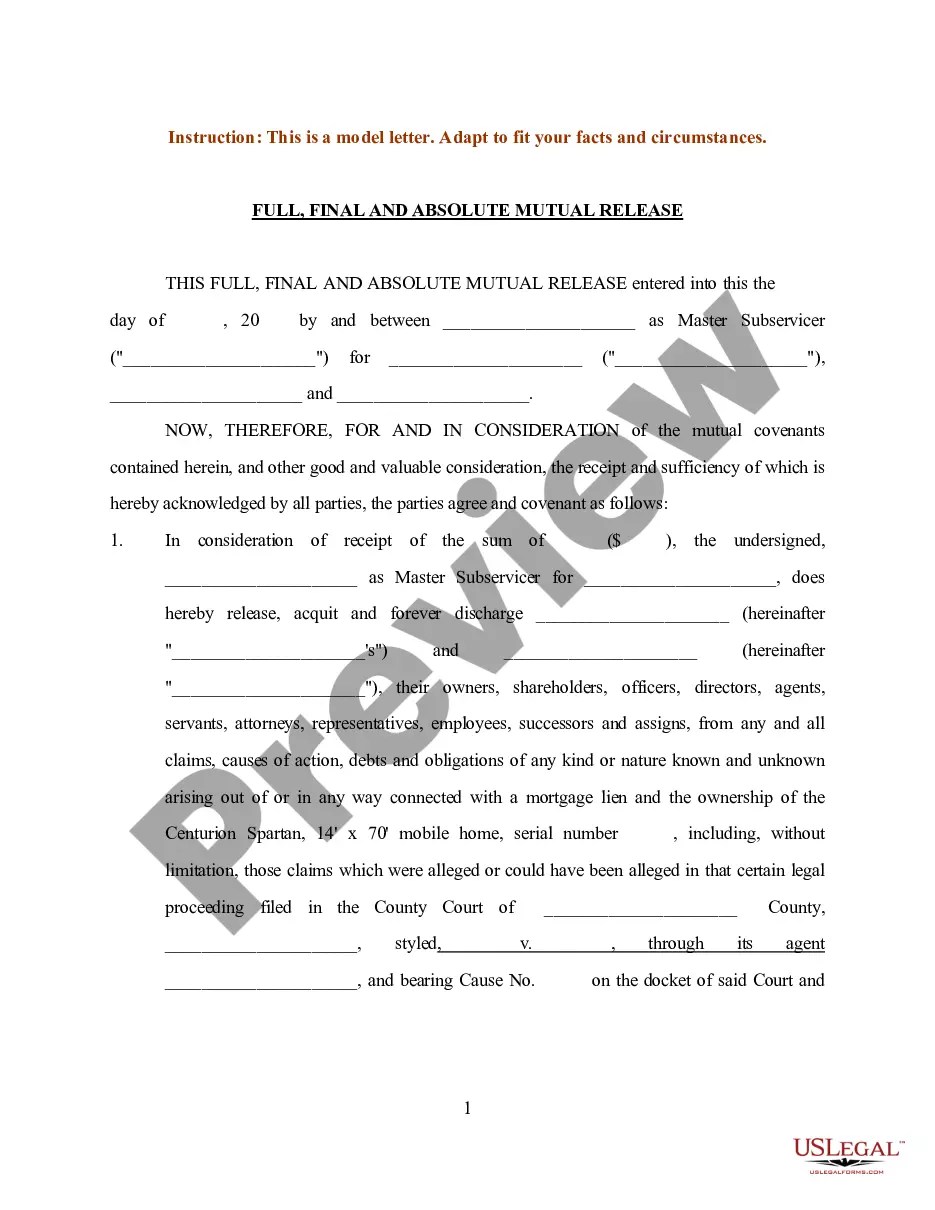
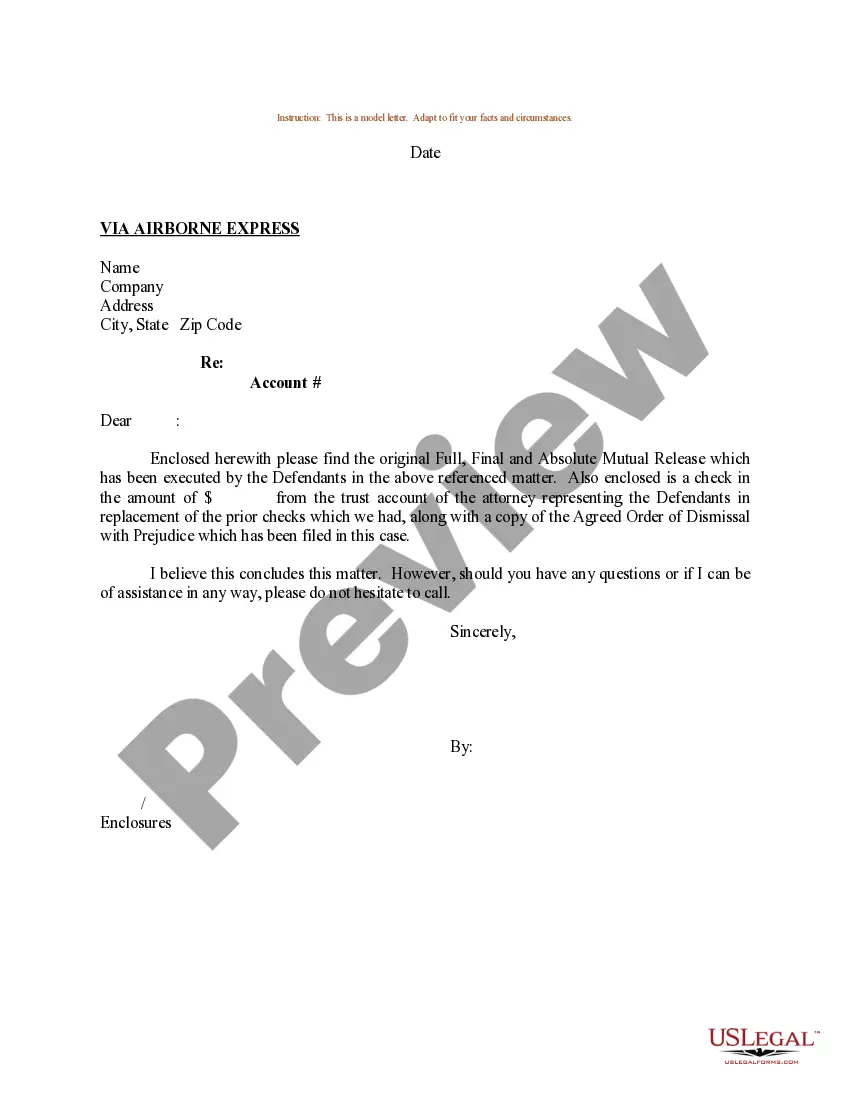
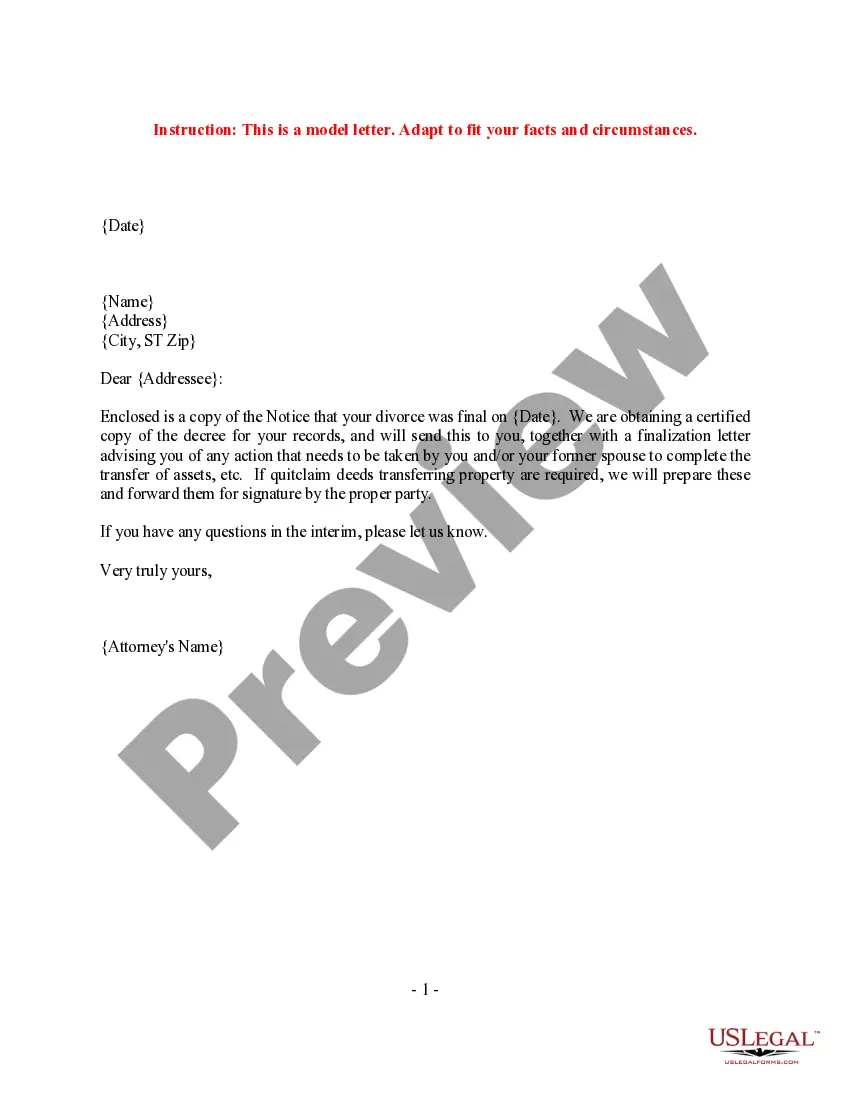
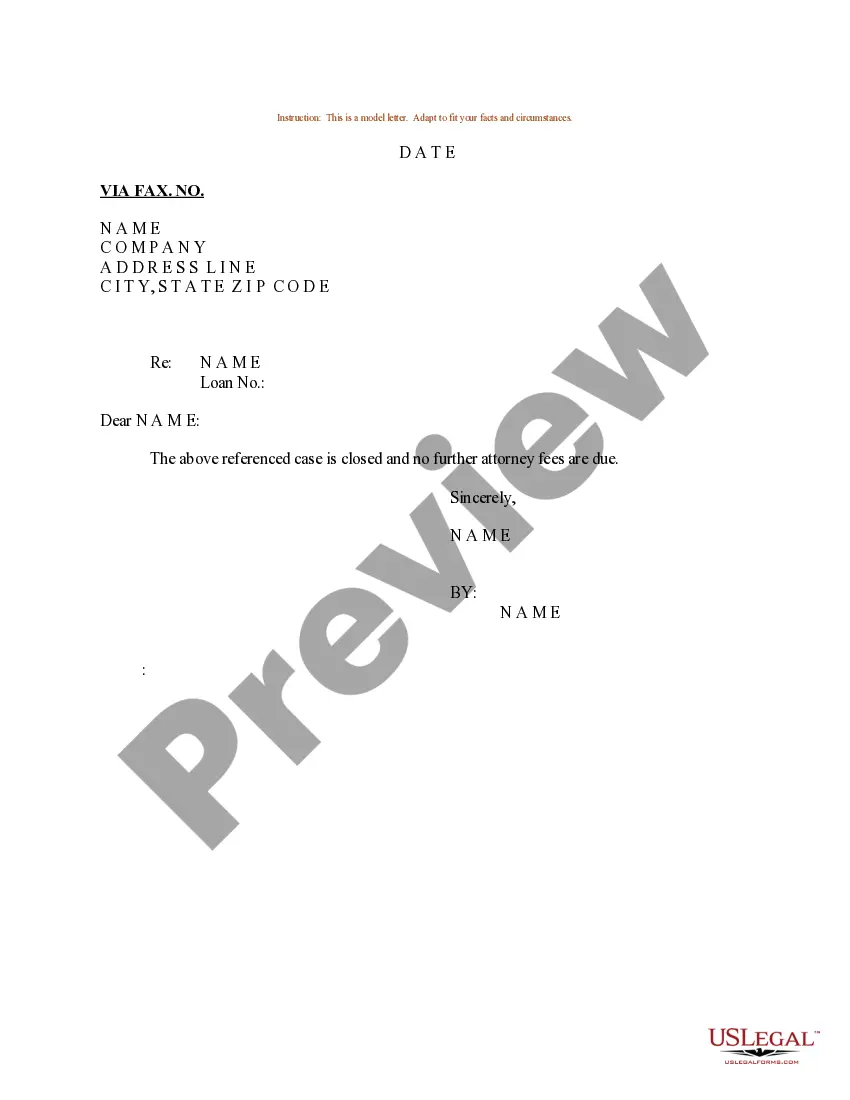
Get your form ready online
Our built-in tools help you complete, sign, share, and store your documents in one place.
Make edits, fill in missing information, and update formatting in US Legal Forms—just like you would in MS Word.
Download a copy, print it, send it by email, or mail it via USPS—whatever works best for your next step.
Sign and collect signatures with our SignNow integration. Send to multiple recipients, set reminders, and more. Go Premium to unlock E-Sign.
If this form requires notarization, complete it online through a secure video call—no need to meet a notary in person or wait for an appointment.
We protect your documents and personal data by following strict security and privacy standards.

Make edits, fill in missing information, and update formatting in US Legal Forms—just like you would in MS Word.

Download a copy, print it, send it by email, or mail it via USPS—whatever works best for your next step.

Sign and collect signatures with our SignNow integration. Send to multiple recipients, set reminders, and more. Go Premium to unlock E-Sign.

If this form requires notarization, complete it online through a secure video call—no need to meet a notary in person or wait for an appointment.

We protect your documents and personal data by following strict security and privacy standards.
Looking for another form?






Form popularity
FAQ
Submitting your request Be in writing using either the PHRC form or the Office of Open Records (OOR) form. Specifically identify or describe the records being sought. Include a name and address, to which the response will be sent. Be from a legal resident of the U.S.
These include, but are not limited to: U.S. passports/ State Department issues. U.S. immigration. Social Security. Medicare/ Medicaid. Military benefits. Veterans benefits. Federal taxes. Federal housing issues.
There are many ways to get in touch with members of Congress. For example, calling their offices, attending a town hall meeting, or sending a letter. Members of Congress want to hear from you. Letters, emails, and social media help Congress understand which issues are important to the people they serve.
Individuals. Individuals communicating with Congress can use the Find Your Representative feature on this website. It's located in the upper right corner of every page on House.
March 28, 2005 Use Proper Salutation. The salutation should be "Dear Representative Smith" or Dear Senator Smith" or "Dear Assemblyman Smith" depending on the office held. Avoid Righteous Indignation. A polite and informative tone is best. Focus on Key Points. Don't make the communication too wordy. In Closing.
For a Member of the House of Representatives, use the salutation "Dear Mr. or Ms." only; for U.S. Senators, use "Dear Senator (name);" and for the Speaker of the House, use "Dear Mr. or Madam Speaker." When a letter is to a Member in his or her capacity as chairperson of a committee or subcommittee, use "Dear Mr. or ...
For a Member of the House of Representatives, use the salutation "Dear Mr. or Ms." only; for U.S. Senators, use "Dear Senator (name);" and for the Speaker of the House, use "Dear Mr. or Madam Speaker." When a letter is to a Member in his or her capacity as chairperson of a committee or subcommittee, use "Dear Mr. or ...
Focus on the message and key points. Personalize the letter by including examples of how the legislation might impact you and your family. Keep the letter brief – not more than one page. Restate your request at the end of the letter, for example urging them to support or oppose the bill.
The opening of the letter includes the opening salutation and information identifying to whom the letter is addressed, whereas the body of the letter contains all of the information to be communicated. Finally, the closing of a letter contains the complimentary closing and the letter writer's signature.
There are several correct forms of address for a member of Congress including "The Honorable" and "Representative".

