Sample Irs Letter To Waive Penalty In Maricopa
Description

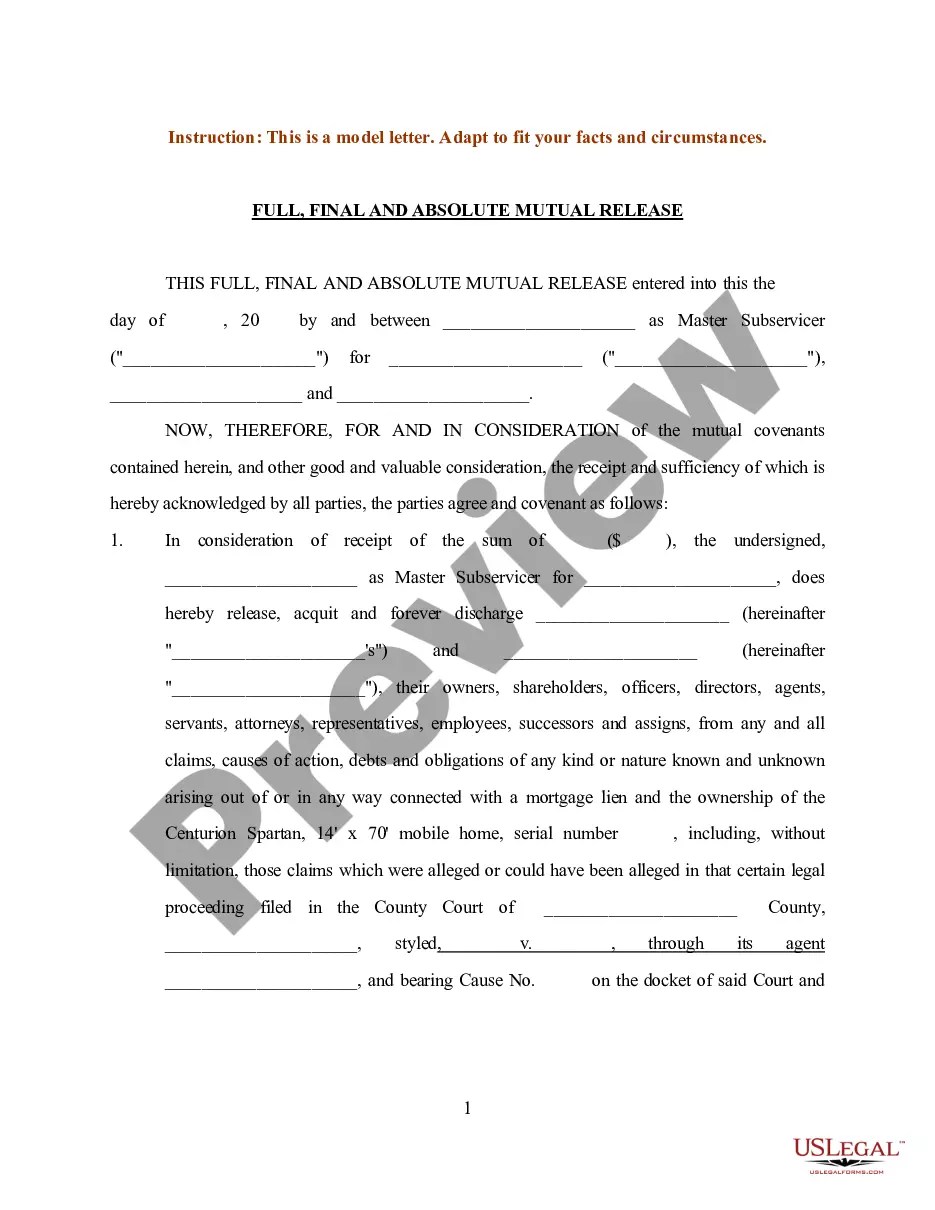
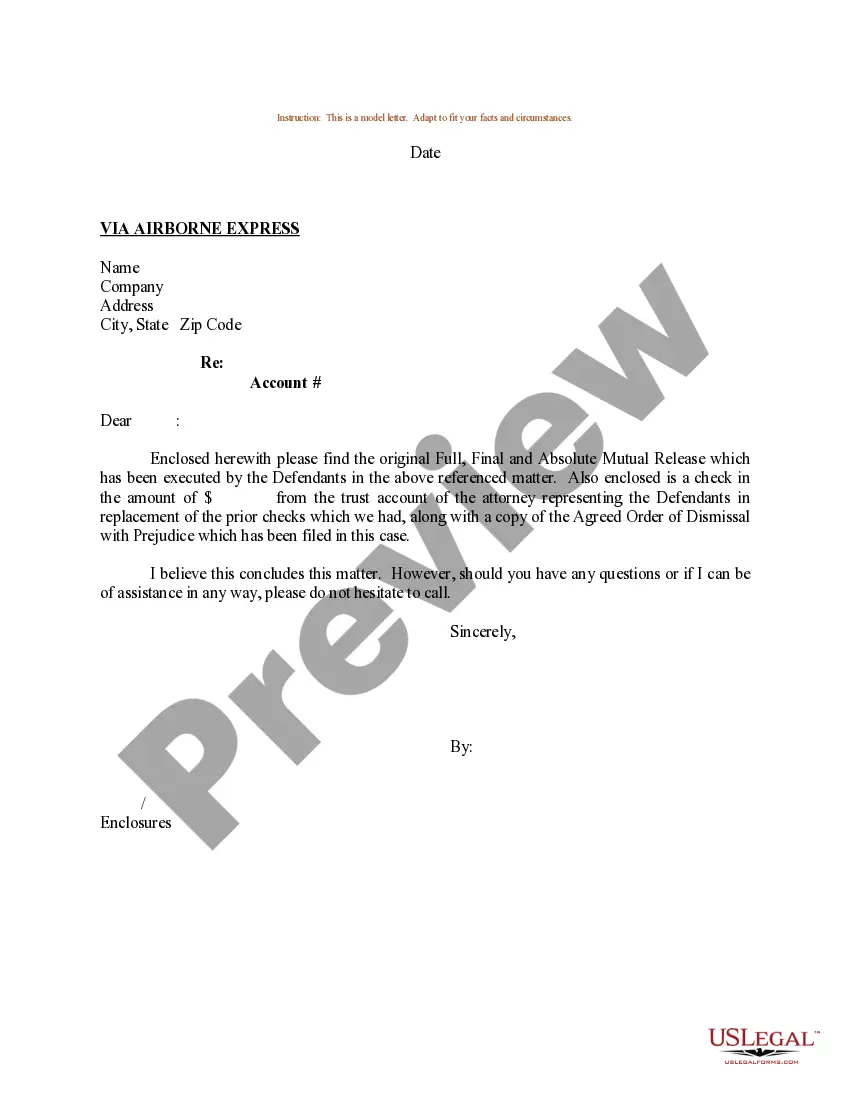
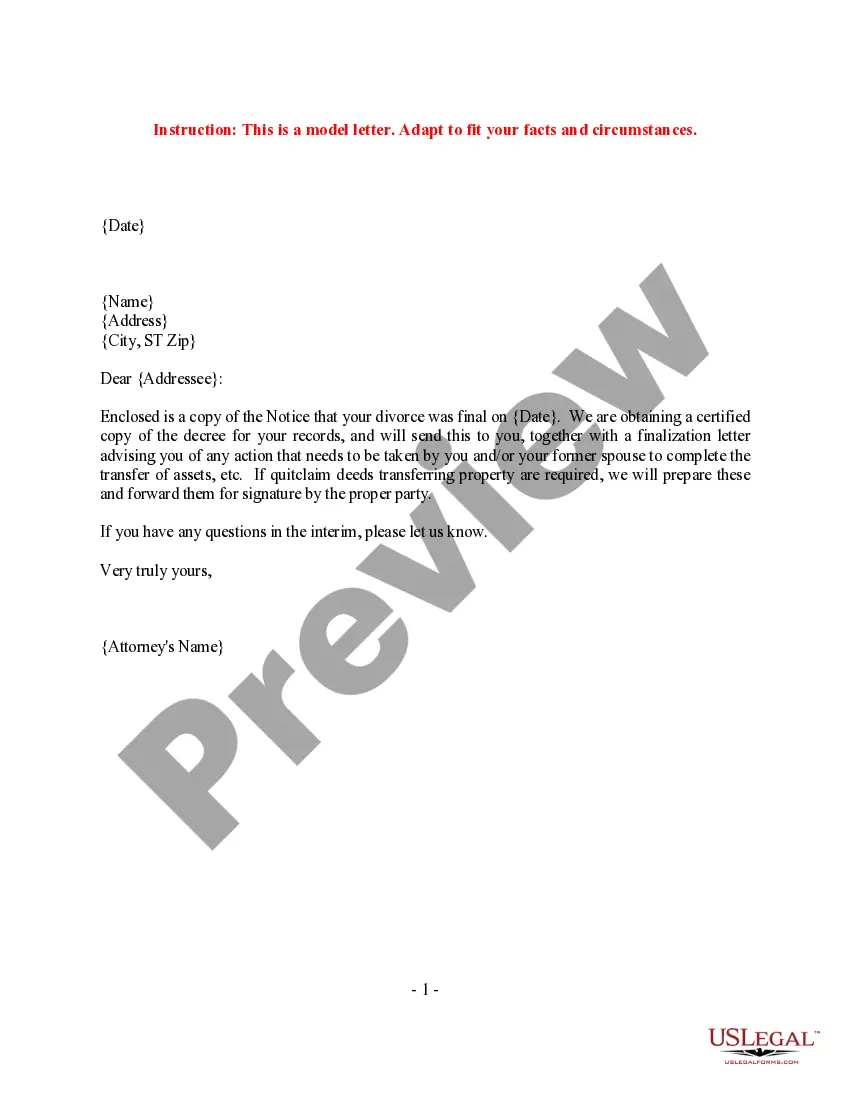
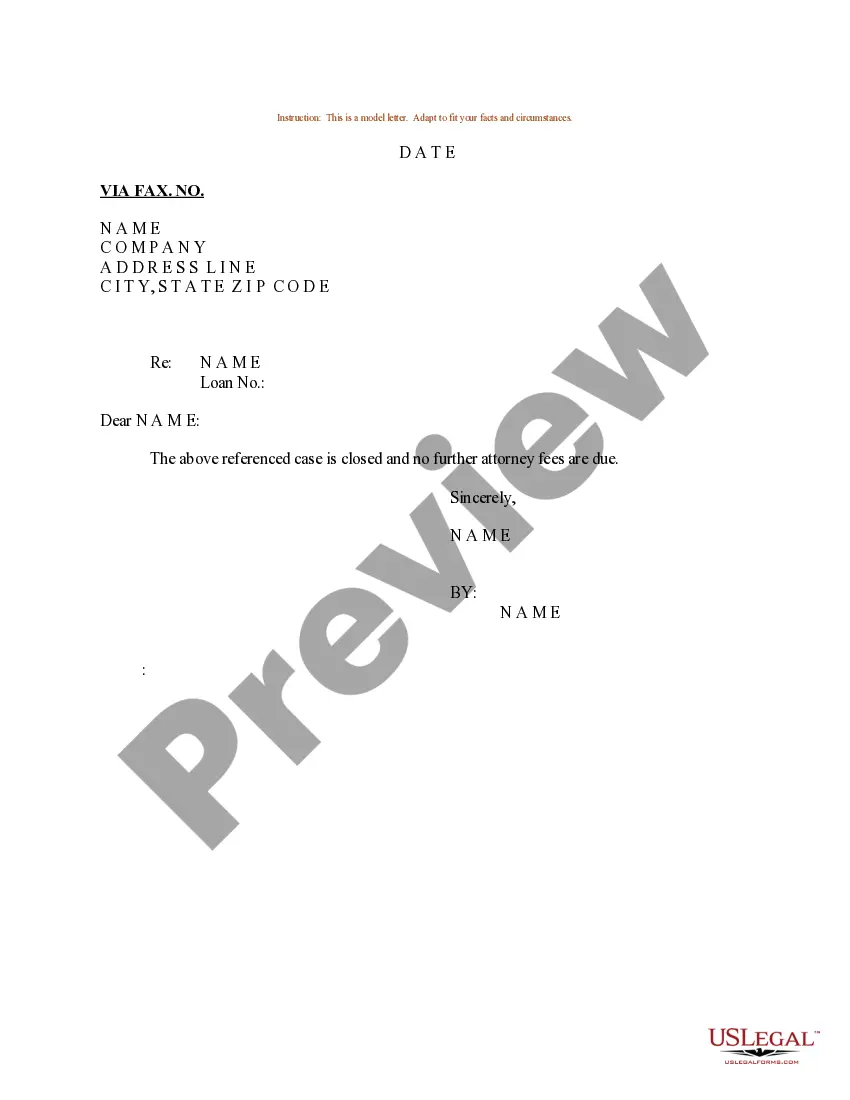
Get your form ready online
Our built-in tools help you complete, sign, share, and store your documents in one place.
Make edits, fill in missing information, and update formatting in US Legal Forms—just like you would in MS Word.
Download a copy, print it, send it by email, or mail it via USPS—whatever works best for your next step.
Sign and collect signatures with our SignNow integration. Send to multiple recipients, set reminders, and more. Go Premium to unlock E-Sign.
If this form requires notarization, complete it online through a secure video call—no need to meet a notary in person or wait for an appointment.
We protect your documents and personal data by following strict security and privacy standards.

Make edits, fill in missing information, and update formatting in US Legal Forms—just like you would in MS Word.

Download a copy, print it, send it by email, or mail it via USPS—whatever works best for your next step.

Sign and collect signatures with our SignNow integration. Send to multiple recipients, set reminders, and more. Go Premium to unlock E-Sign.

If this form requires notarization, complete it online through a secure video call—no need to meet a notary in person or wait for an appointment.

We protect your documents and personal data by following strict security and privacy standards.
Looking for another form?



Form popularity
FAQ
Death, serious illness, incapacitation or unavoidable absence of the taxpayer or a member of the taxpayer's immediate family. Other reason which establishes that you used all ordinary business care and prudence to meet your Federal tax obligations but were nevertheless unable to do so.
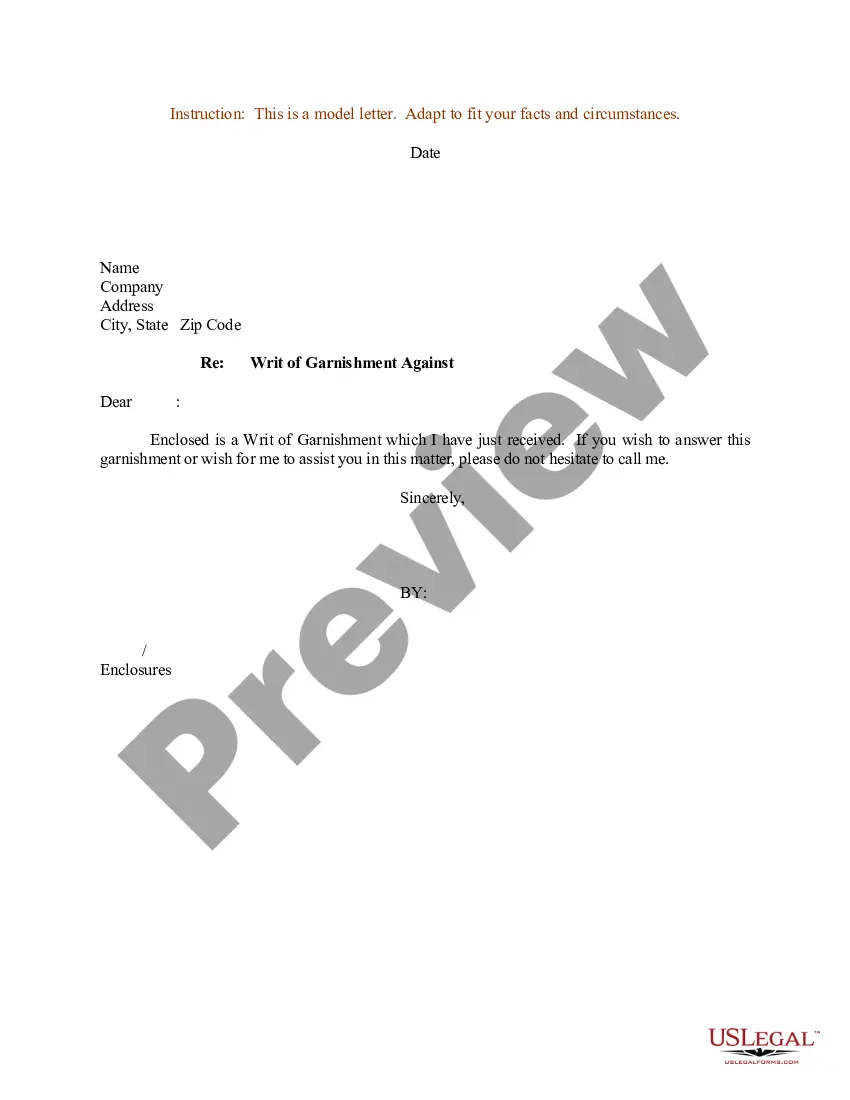
time penalty abatement letter typically contains: Notice number and date (if applicable) Type of penalty and amount. Acknowledgment that the taxpayer fulfills the firsttime penalty abatement criteria. Optional: Explanation of the taxpayer's situation, circumstances and reasonable cause (review: IRM 20.1.
The IRS has criteria for removing penalties due to reasonable cause. Death, Serious Illness, or Unavoidable Absence, Fire, Casualty, Natural Disaster are some reasons. Best to outline your reasons in a letter to the IRS outlining your reasons and ask for abatement.
How to Write a Penalty Waiver Request Letter? Introduction: Start by stating who you are and why you are writing. Mention that you are requesting a waiver for a specific penalty. Body: This is where you elaborate on your request. Conclusion: Sum up your main points and express gratitude for the IRS's consideration.
IRS Penalty Abatement Request Letter State the type of penalty you want removed. Include an explanation of the events and specific facts and circumstances of your situation, and explain how these events were outside of your control. Attach documents that will prove your case.
A request for the abatement of a penalty, or penalties, can be requested to the Penalty Review Unit with the Arizona Form 290 – Request for Penalty Abatement. The account must be in compliance and provide clear and concise information to allow for a prompt reply by the Department.
If a tax return is filed late, the IRS imposes a failure to file penalty. This is one of the most common penalties that we see in our CPA practice. This civil penalty is equal to 5% of the unpaid tax, per month, up to a maximum of 25% of the tax due.
If you can show reasonable cause for failing to file accurate, timely information returns or payee statements, we may consider penalty relief if you prove: You acted in a responsible manner both before and after the failure by having: Requested extensions of time to file when possible.
Steps Format a business letter. Add the IRS address. Include your personal information. Insert your salutation. Include a copy of the notice you received from the IRS. Identify the information you are providing. Close the letter on a friendly note. Identify any enclosures.

