Sample Letter With Attachment In Los Angeles
Description

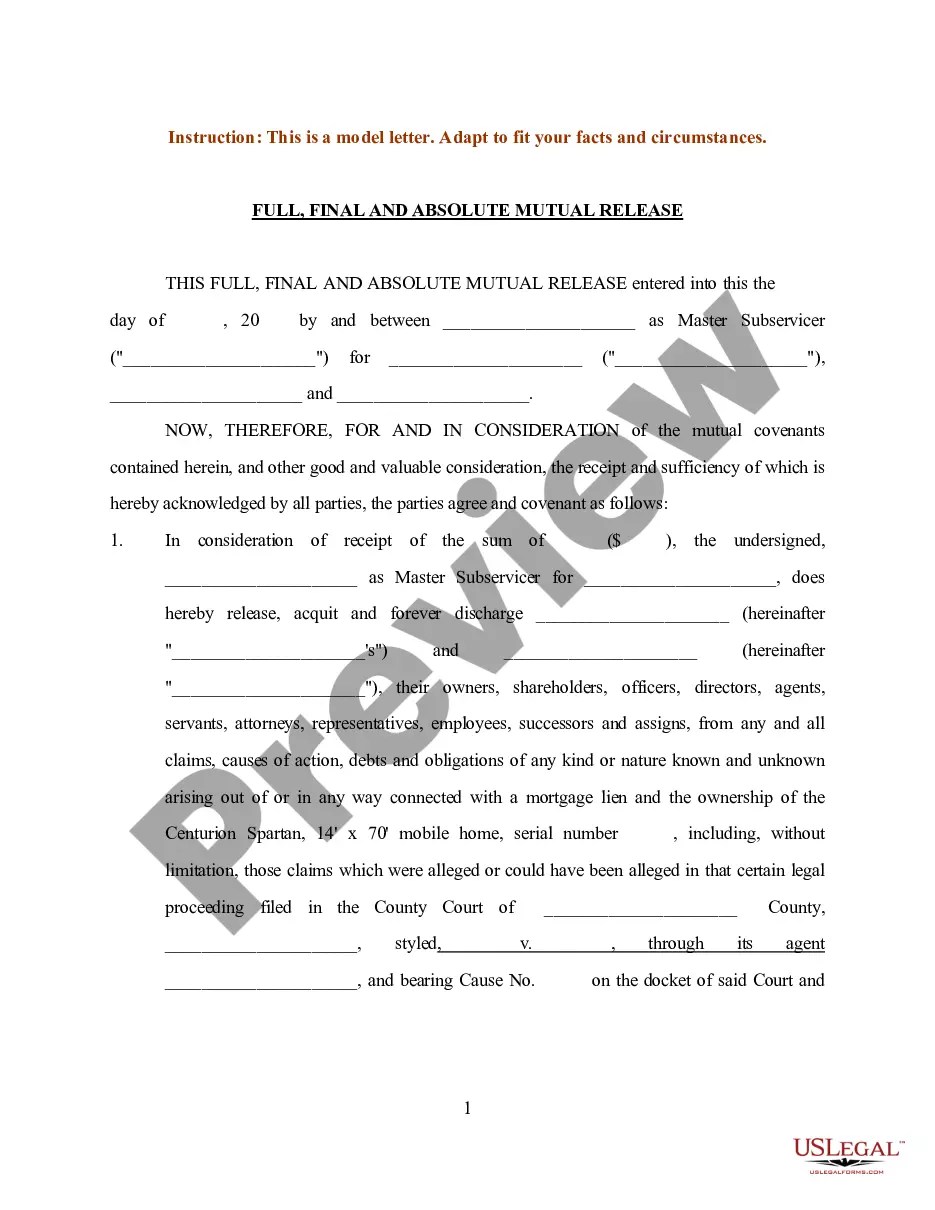
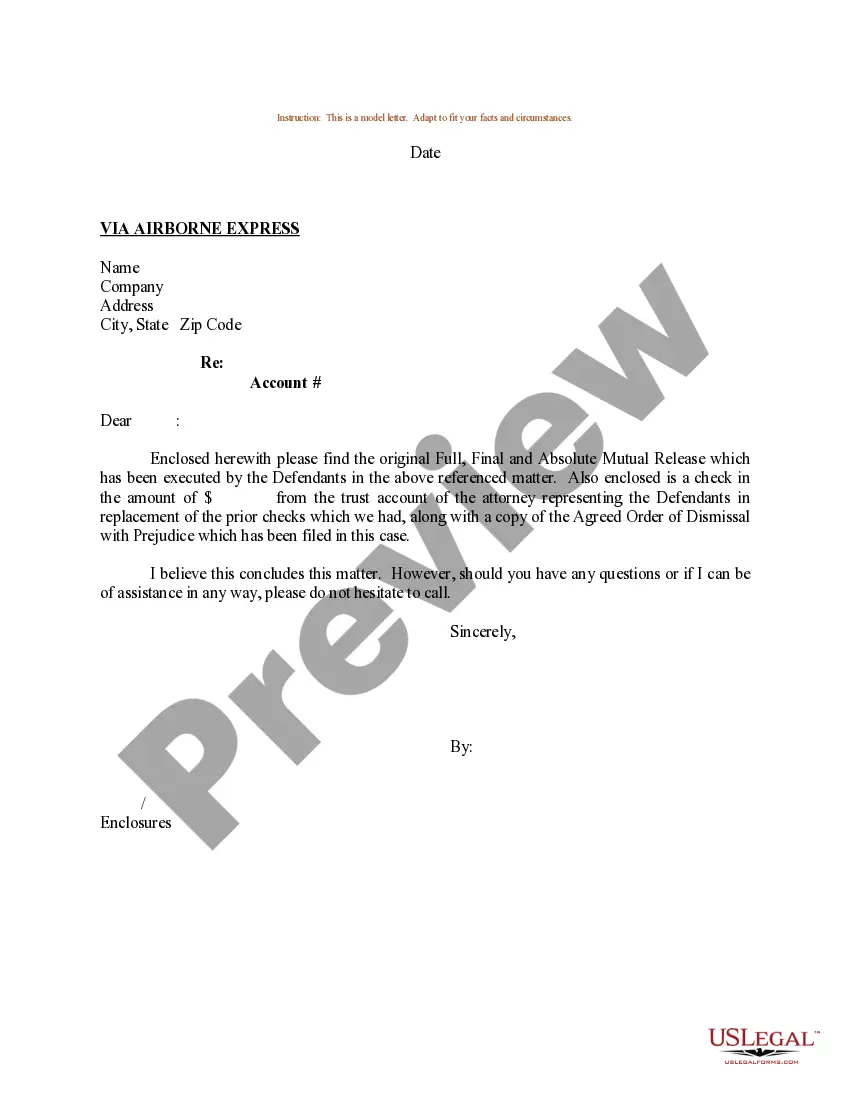
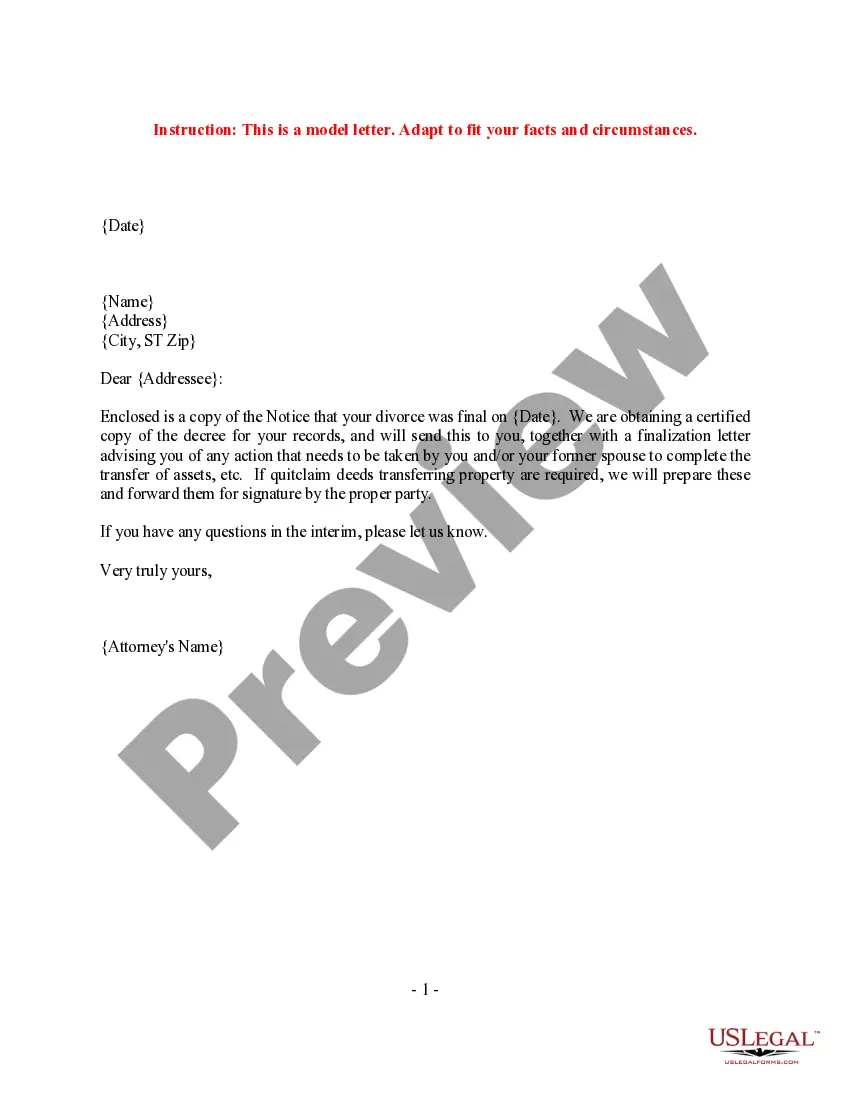
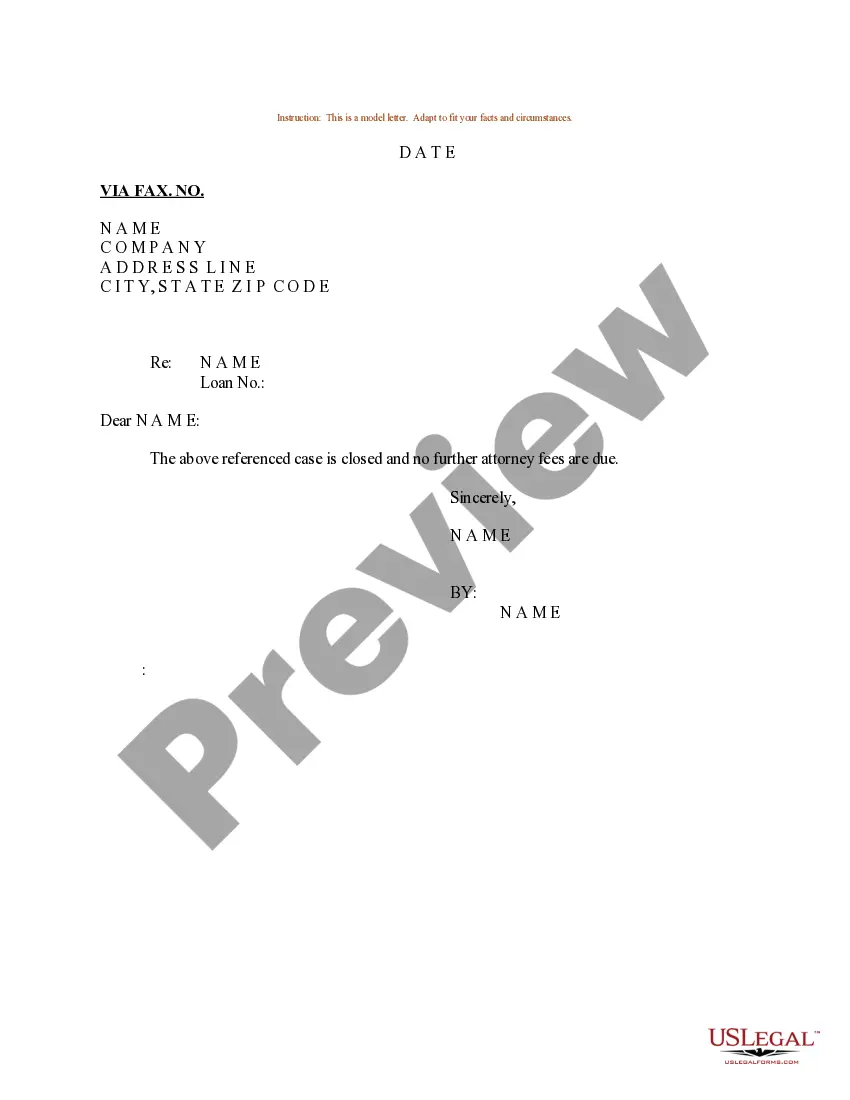
Get your form ready online
Our built-in tools help you complete, sign, share, and store your documents in one place.
Make edits, fill in missing information, and update formatting in US Legal Forms—just like you would in MS Word.
Download a copy, print it, send it by email, or mail it via USPS—whatever works best for your next step.
Sign and collect signatures with our SignNow integration. Send to multiple recipients, set reminders, and more. Go Premium to unlock E-Sign.
If this form requires notarization, complete it online through a secure video call—no need to meet a notary in person or wait for an appointment.
We protect your documents and personal data by following strict security and privacy standards.

Make edits, fill in missing information, and update formatting in US Legal Forms—just like you would in MS Word.

Download a copy, print it, send it by email, or mail it via USPS—whatever works best for your next step.

Sign and collect signatures with our SignNow integration. Send to multiple recipients, set reminders, and more. Go Premium to unlock E-Sign.

If this form requires notarization, complete it online through a secure video call—no need to meet a notary in person or wait for an appointment.

We protect your documents and personal data by following strict security and privacy standards.
Looking for another form?







Form popularity
FAQ
If you have enclosed any documents along with the letter, such as a resume, you indicate this simply by typing Enclosures below the closing. As an option, you may list the name of each document you are including in the envelope.
Under your name and title, type “Enclosure:” or “Attachment:” to indicate that you've included additional documents. On the next line, provide a brief description of the contents. In a typical letter with an attachment, you might state “Curriculum Vitae,” for example.
I would like to apply for the position of Industrial Trainee at your company. provide reasons why the company should accept your application provide the duration of attachment I enclose my resume for your consideration. Thank You.
I am writing to share Document Name as part of Reason for Sending Document. The attached document Briefly Describe What It Contains. I would appreciate it if you could Specific Action You Want Recipient to Take Regarding the Document. Please find the document attached to this email.
Different Ways to Say "Please Find Attached" Attached is... I've attached... Enclosed, please find... Kindly find attached... Please see attached... Please see the attached file for... I'm attaching... Attached for your review...
Just say “see enclosed” or “see attached” or something similar (much as if you were writing a letter with a document enclosed). If there are multiple attachments you might need to mention the file name if the text in the email is important to the correct understanding of the different attachments.
When writing your letter, you should indicate any attachments or enclosures. You can do this by placing the word “Attachment” or “Enclosure” at the end of your letter, followed by a colon and the name of the document. If you have multiple documents, use the plural form.
Just say ``see enclosed'' or ``see attached'' or something similar (much as if you were writing a letter with a document enclosed). Generally it is a good idea to mention attachments just in case you forget to include the attachment (a very common error). If having sent the email you realise that you

