Sample Letter With Re In Kings
Description

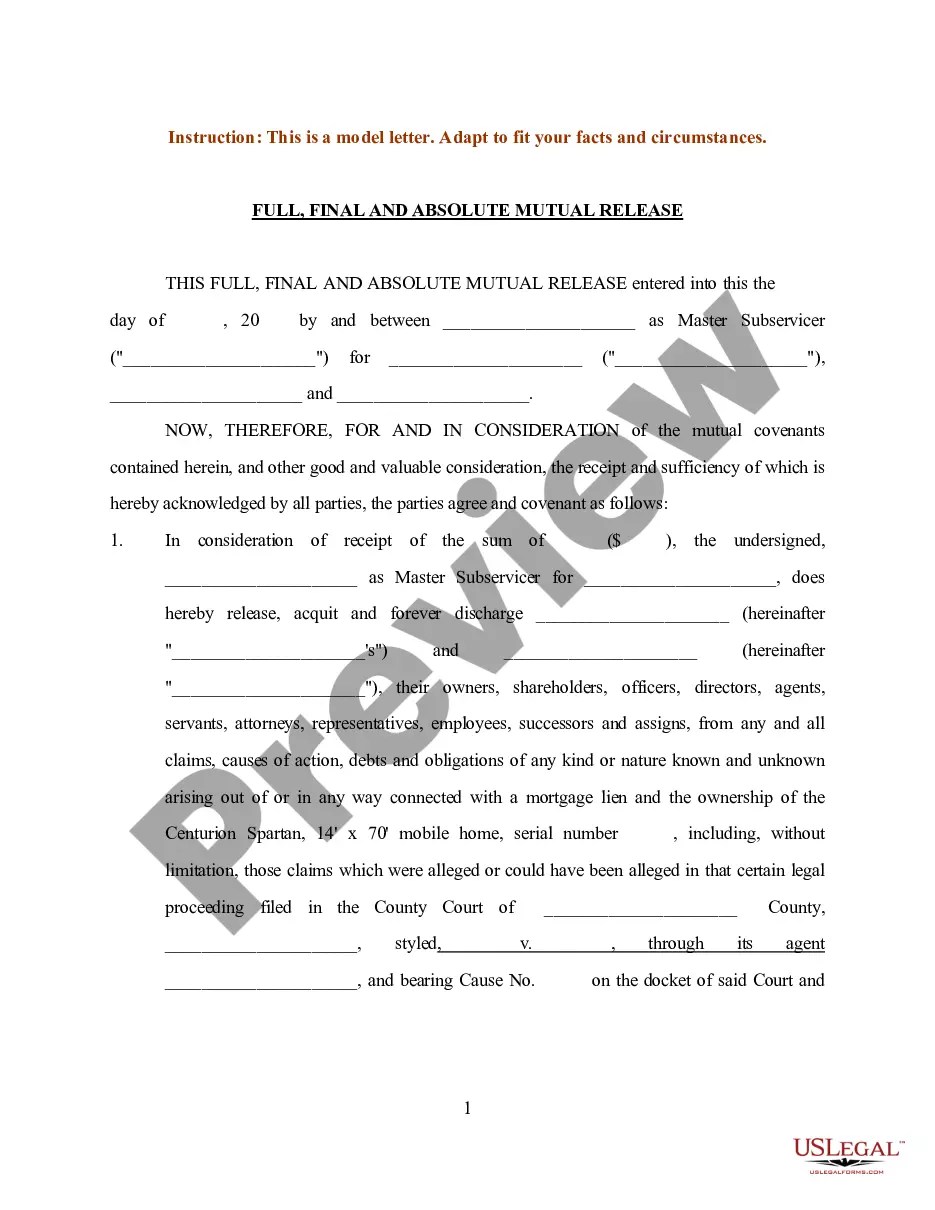
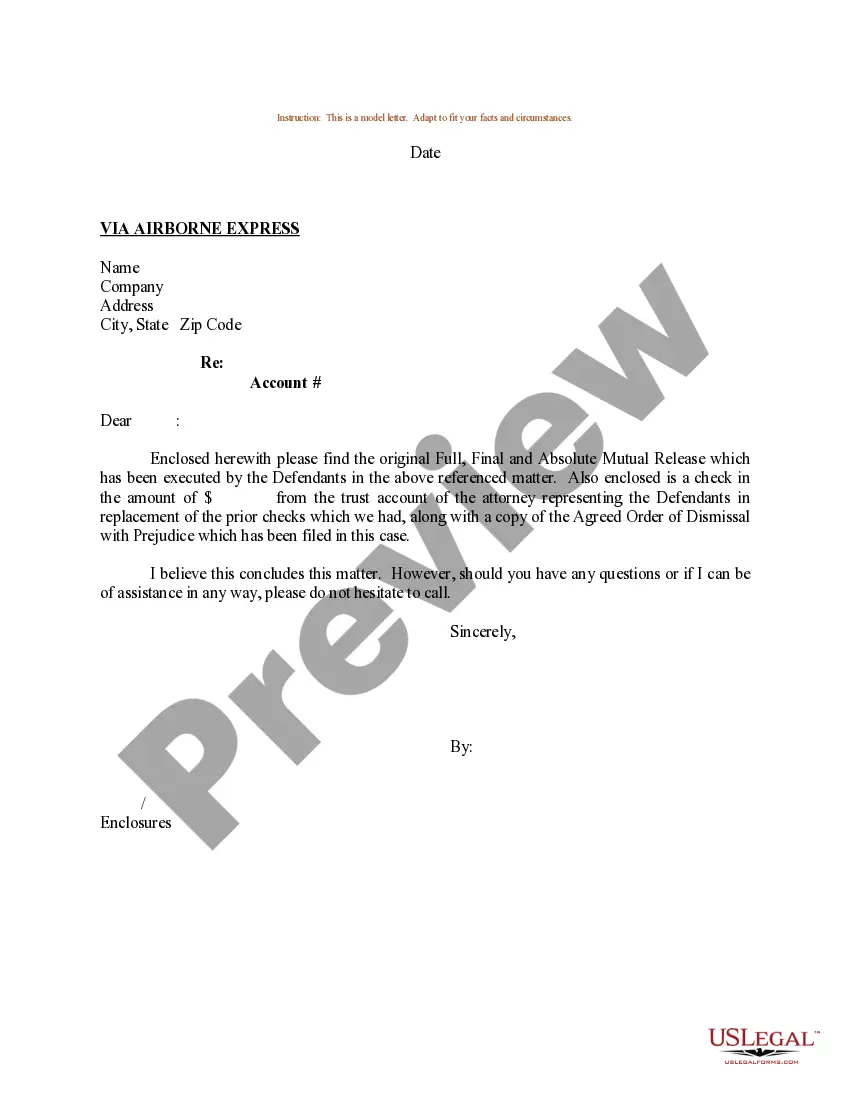
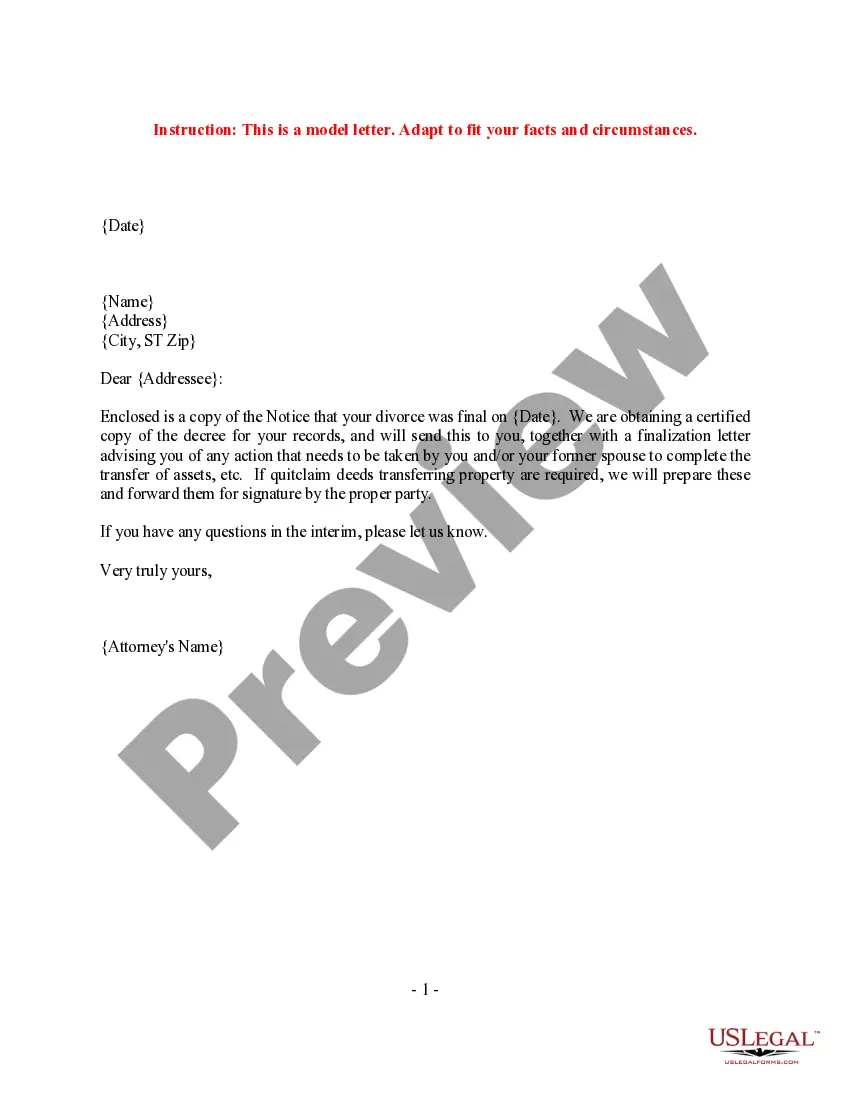
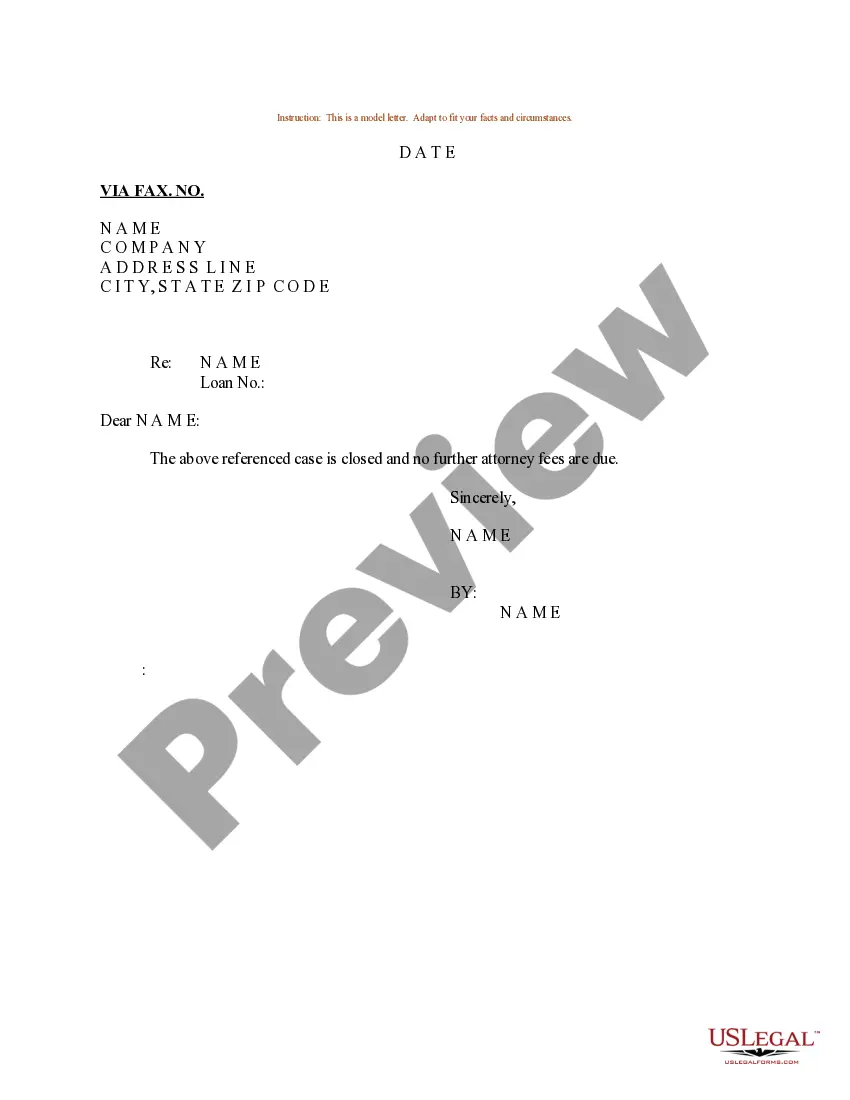
Get your form ready online
Our built-in tools help you complete, sign, share, and store your documents in one place.
Make edits, fill in missing information, and update formatting in US Legal Forms—just like you would in MS Word.
Download a copy, print it, send it by email, or mail it via USPS—whatever works best for your next step.
Sign and collect signatures with our SignNow integration. Send to multiple recipients, set reminders, and more. Go Premium to unlock E-Sign.
If this form requires notarization, complete it online through a secure video call—no need to meet a notary in person or wait for an appointment.
We protect your documents and personal data by following strict security and privacy standards.

Make edits, fill in missing information, and update formatting in US Legal Forms—just like you would in MS Word.

Download a copy, print it, send it by email, or mail it via USPS—whatever works best for your next step.

Sign and collect signatures with our SignNow integration. Send to multiple recipients, set reminders, and more. Go Premium to unlock E-Sign.

If this form requires notarization, complete it online through a secure video call—no need to meet a notary in person or wait for an appointment.

We protect your documents and personal data by following strict security and privacy standards.
Looking for another form?









Form popularity
FAQ
On presentation to The King or Queen, the correct formal address is 'Your Majesty' and subsequently 'Sir' or 'Ma'am,' pronounced with a short 'a,' as in 'jam'.
If communicating directly with a member of the Royal Family the letter should begin 'Sir/Madam' and end 'I have the honour to remain, Sir/Madam, Your Royal Highness's most humble and obedient servant'. In the body of the letter substitute 'Your Royal Highness' for 'you' and 'Your Royal Highness's' for 'your'.
If communicating directly with a member of the Royal Family the letter should begin 'Sir/Madam' and end 'I have the honour to remain, Sir/Madam, Your Royal Highness's most humble and obedient servant'. In the body of the letter substitute 'Your Royal Highness' for 'you' and 'Your Royal Highness's' for 'your'.
On presentation to The Queen, the correct formal address is 'Your Majesty' and subsequently 'Ma'am,' pronounced with a short 'a,' as in 'jam'. For male members of the Royal Family the same rules apply, with the title used in the first instance being 'Your Royal Highness' and subsequently 'Sir'.
Legal letters should include a reference line, or subject line, so that the recipient knows what the letter is about. Insert the reference line two lines below the inside address. The reference line (ab- breviated “Re:”) may include the title of the case, the subject of the letter, or file and claim numbers.
Keep it formal and concise. Write your letter on your business or organization letterhead if possible. The recipient likely reads dozens, if not hundreds of letters, so keep yours concise and to the point. Aim for at least one page but no more than two.
Legal letters should include a reference line, or subject line, so that the recipient knows what the letter is about. Insert the reference line two lines below the inside address. The reference line (ab- breviated “Re:”) may include the title of the case, the subject of the letter, or file and claim numbers.
How to Write a Re-Designation Letter: Step-to-Step Process! Format & Salutation: Introduction & Purpose: State the Reasons: Show Understanding & Flexibility: Suggest Alternative Solutions: Request Meeting: Express Gratitude: Proofread & Edit:
You use re in documents such as business letters, e-mails, faxes and memos to introduce a subject or item which you are going to discuss or refer to in detail. Dear Mrs. Cox, Re: Homeowners Insurance. We note from our files that we have not yet received your renewal instructions.

