Sample Letters With Dates In Chicago
Description

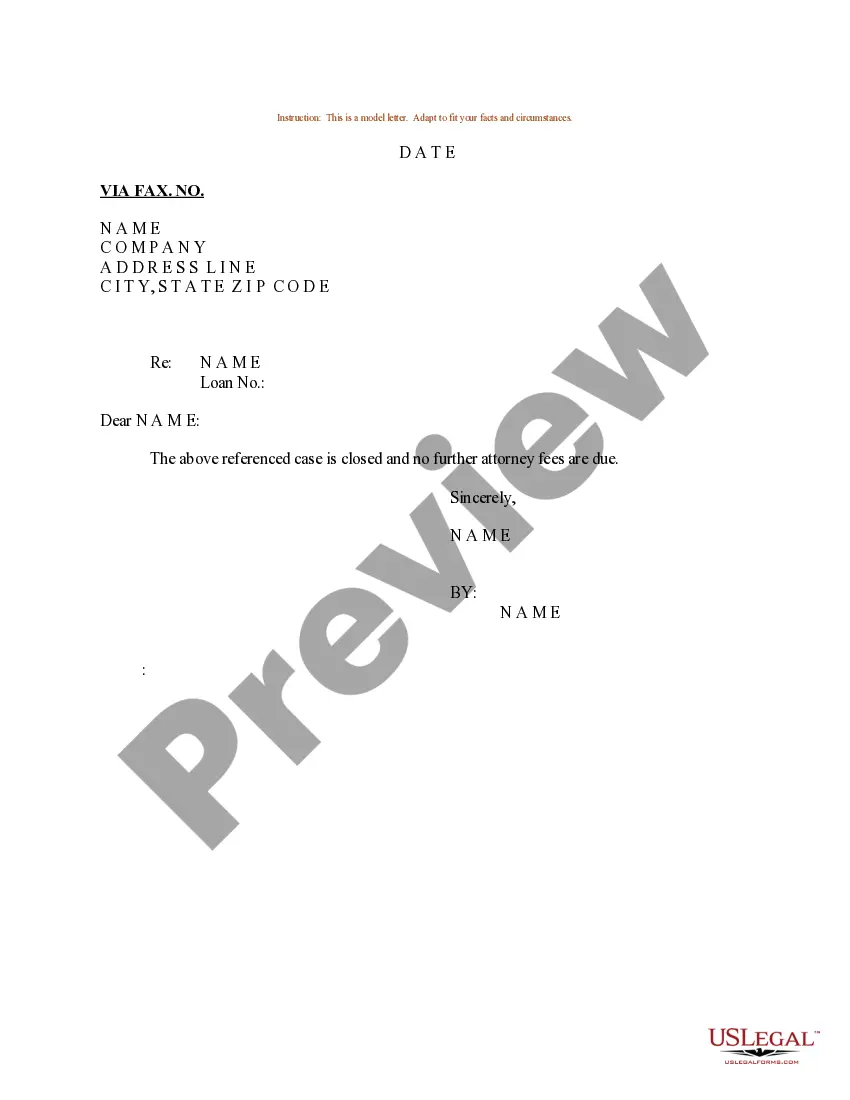
Get your form ready online
Our built-in tools help you complete, sign, share, and store your documents in one place.
Make edits, fill in missing information, and update formatting in US Legal Forms—just like you would in MS Word.
Download a copy, print it, send it by email, or mail it via USPS—whatever works best for your next step.
Sign and collect signatures with our SignNow integration. Send to multiple recipients, set reminders, and more. Go Premium to unlock E-Sign.
If this form requires notarization, complete it online through a secure video call—no need to meet a notary in person or wait for an appointment.
We protect your documents and personal data by following strict security and privacy standards.

Make edits, fill in missing information, and update formatting in US Legal Forms—just like you would in MS Word.

Download a copy, print it, send it by email, or mail it via USPS—whatever works best for your next step.

Sign and collect signatures with our SignNow integration. Send to multiple recipients, set reminders, and more. Go Premium to unlock E-Sign.

If this form requires notarization, complete it online through a secure video call—no need to meet a notary in person or wait for an appointment.

We protect your documents and personal data by following strict security and privacy standards.
Looking for another form?




Form popularity
FAQ
In author-date, text citations include the author's last name, the year of publication, and the page number. There is no punctuation between the last name and the publication year, although a comma does precede the page number/locator. A semicolon is used if more than one work is cited in a single sentence/citation.
Month, day: Spell out the month and use figures for the day: “The symposium took place April 2.” Avoid the use of figures for the month, as in “1/2/2011,” which could be read as either January 2 or February 1. Month, year: If month, day, and year are present, set off the year with matching commas.
Format. Author Last Name, First Name. Year. "Article Title." Magazine Title, Month Day, Year, Page Range of Article.
Using In-text Citation APA in-text citation style uses the author's last name and the year of publication, for example: (Field, 2005). For direct quotations, include the page number as well, for example: (Field, 2005, p. 14).
(The United States-based convention for formatting a date places the month before the day. For example: June 11, 2001. ) Write out the month, day and year two inches from the top of the page. Depending which format you are using for your letter, either left justify the date or tab to the center point and type the date.
Month, day: Spell out the month and use figures for the day: “The symposium took place April 2.” Avoid the use of figures for the month, as in “1/2/2011,” which could be read as either January 2 or February 1. Month, year: If month, day, and year are present, set off the year with matching commas.
Format. Author Last Name, First Name. Year. "Article Title." Magazine Title, Month Day, Year, Page Range of Article.
How to format a Chicago-style paper One inch margins on sides, top and bottom. Use Times or Times New Roman 12 pt font. Double-space the text of the paper. Use left-justified text, which will have a ragged right edge. Use a 1/2" indent for paragraph beginnings, block quotes and hanging (bibliography) indents.
Month, day: Spell out the month and use figures for the day: “The symposium took place April 2.” Avoid the use of figures for the month, as in “1/2/2011,” which could be read as either January 2 or February 1. Month, year: If month, day, and year are present, set off the year with matching commas.
If “last modified” date for web document is not shown, in its place, use the term “accessed” followed by the date you viewed the document. Basic pattern for web documents: #. Author first name and last name, "Title of Web Document," Title of Website, date of document or last modified date, URL.