Sample Letter With Signature In California
Description

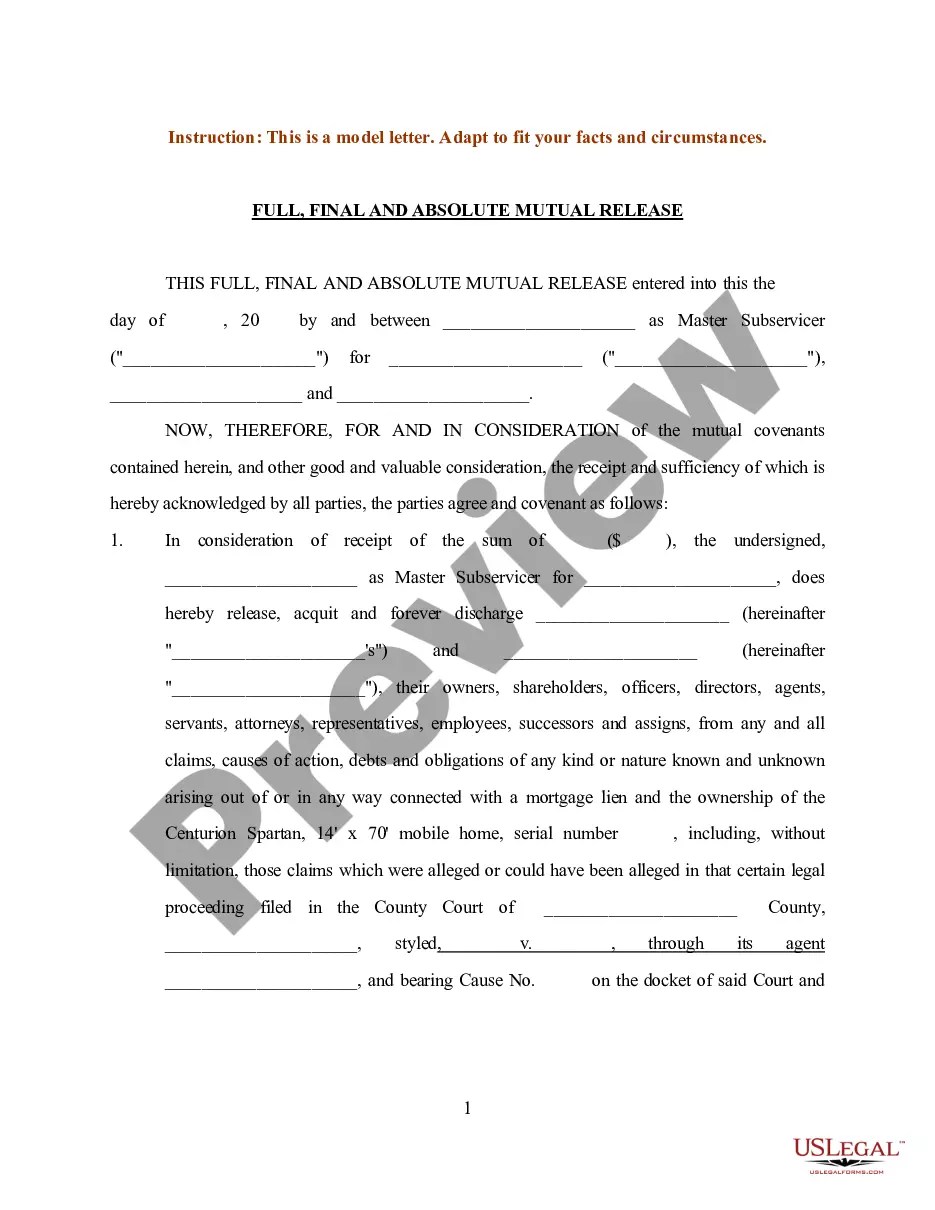
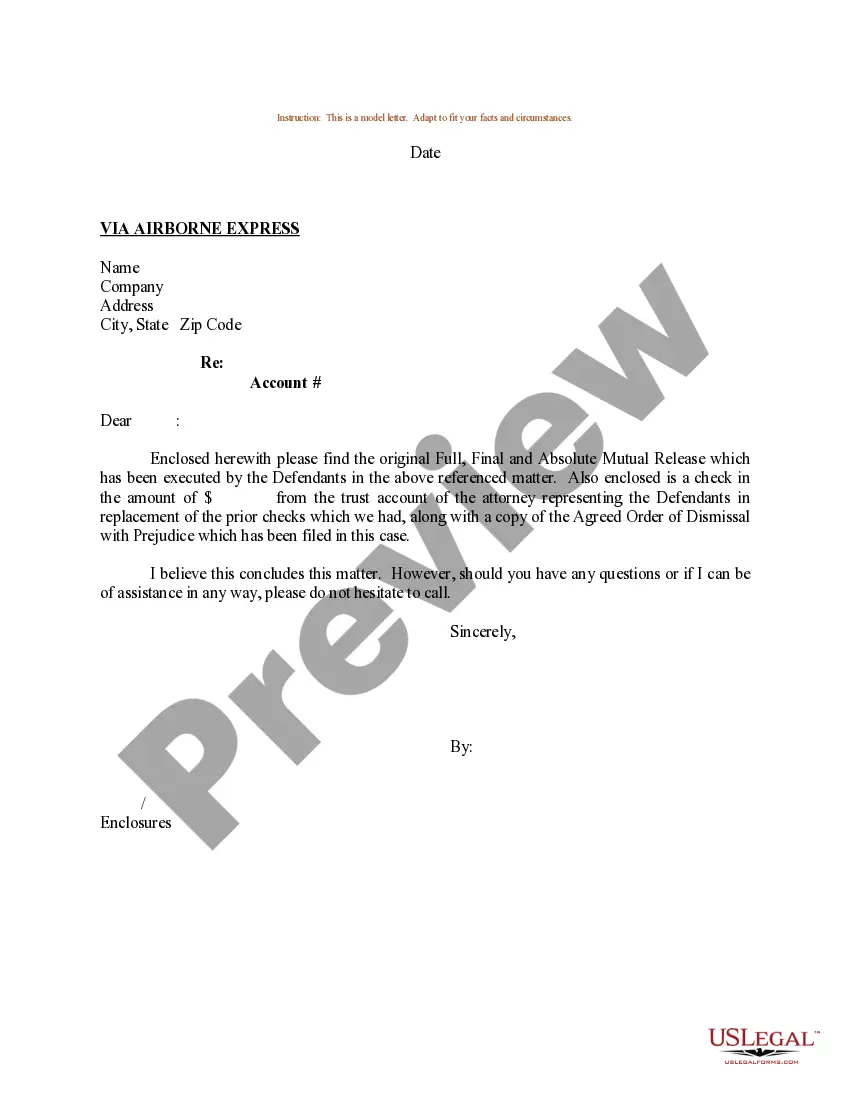
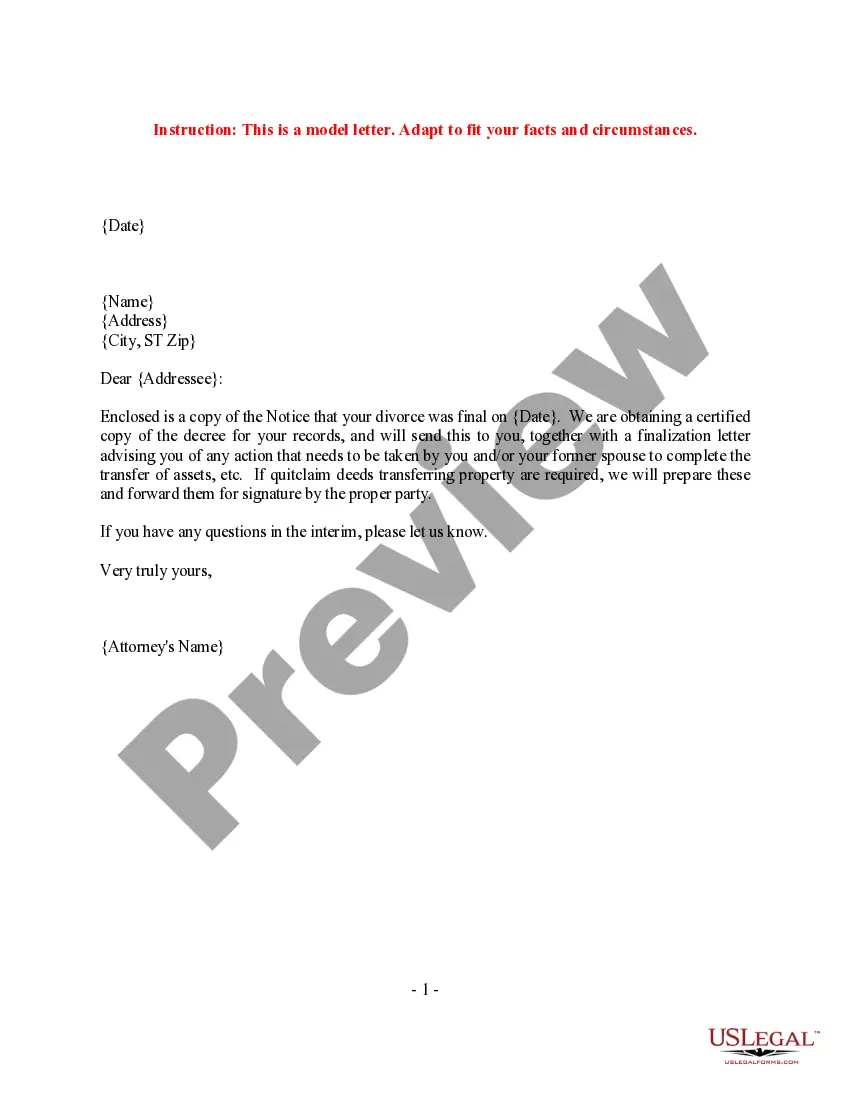
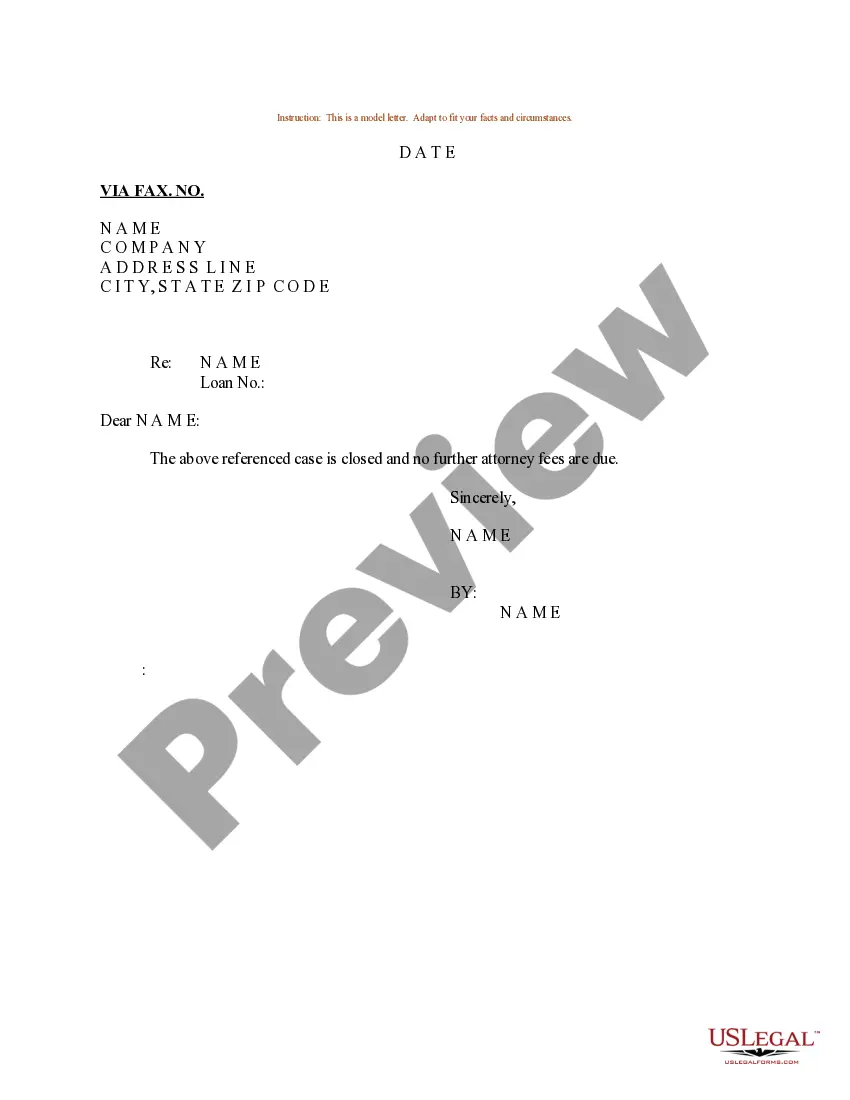
Get your form ready online
Our built-in tools help you complete, sign, share, and store your documents in one place.
Make edits, fill in missing information, and update formatting in US Legal Forms—just like you would in MS Word.
Download a copy, print it, send it by email, or mail it via USPS—whatever works best for your next step.
Sign and collect signatures with our SignNow integration. Send to multiple recipients, set reminders, and more. Go Premium to unlock E-Sign.
If this form requires notarization, complete it online through a secure video call—no need to meet a notary in person or wait for an appointment.
We protect your documents and personal data by following strict security and privacy standards.

Make edits, fill in missing information, and update formatting in US Legal Forms—just like you would in MS Word.

Download a copy, print it, send it by email, or mail it via USPS—whatever works best for your next step.

Sign and collect signatures with our SignNow integration. Send to multiple recipients, set reminders, and more. Go Premium to unlock E-Sign.

If this form requires notarization, complete it online through a secure video call—no need to meet a notary in person or wait for an appointment.

We protect your documents and personal data by following strict security and privacy standards.
Looking for another form?







Form popularity
FAQ
Notarization does not make an illegal document legal and does not make an invalid document valid. In most states, the fact that a document is handwritten does not preclude it from being notarized.
What was permissible and legal in early times is still legal today; Notaries are allowed to notarize handwritten documents. Besides, it is technically the signer's signature that is notarized, not the document. And, signatures are almost always handwritten.
Yes, you may notarize a signature on a document that includes handwritten paragraphs. A document can be typed or handwritten. If the notarial certificate under the signature is not included, be sure to attach a loose certificate chosen by your customer.
You can get your Will notarized anywhere notary services are made available. For instance, an attorney office can have legal documents notarized for you.
By California's law, a Notary Acknowledgement must contain specific details. These include the state and county where the acknowledgement is made, the name of the notary public, the individual making the acknowledgement, the date the acknowledgement was made, and an identification of the document being notarized.
How to notarize a document in California Step 1: Personal appearance is required. Step 2: Check over the document before notarizing. Step 3: Carefully identify the signer. Step 4: Complete your journal entry. Step 5: Fill in the notarial certificate.
Documents That Can't be Notarized Documents with blank or missing pages. Documents with faxed signatures (the signer must be present) Documents in which the notary has a financial interest or is not impartial for some other reason. Documents the notary suspects are false, deceptive, or illegal. Post-dated documents.
1. The person signing the document by mark must be identified by the California Notary Public by satisfactory evidence. 2. The signer's mark must be witnessed by two persons who must subscribe their own names as witnesses on the document.
To notarize a document, the signers need to provide proper identification so the notary can confirm the identity of all signers. Once identities have been verified, the notary leads each signer through the document and observes them making each required signature, initial or other mark.

