Carta Formal Cliente In California
Description
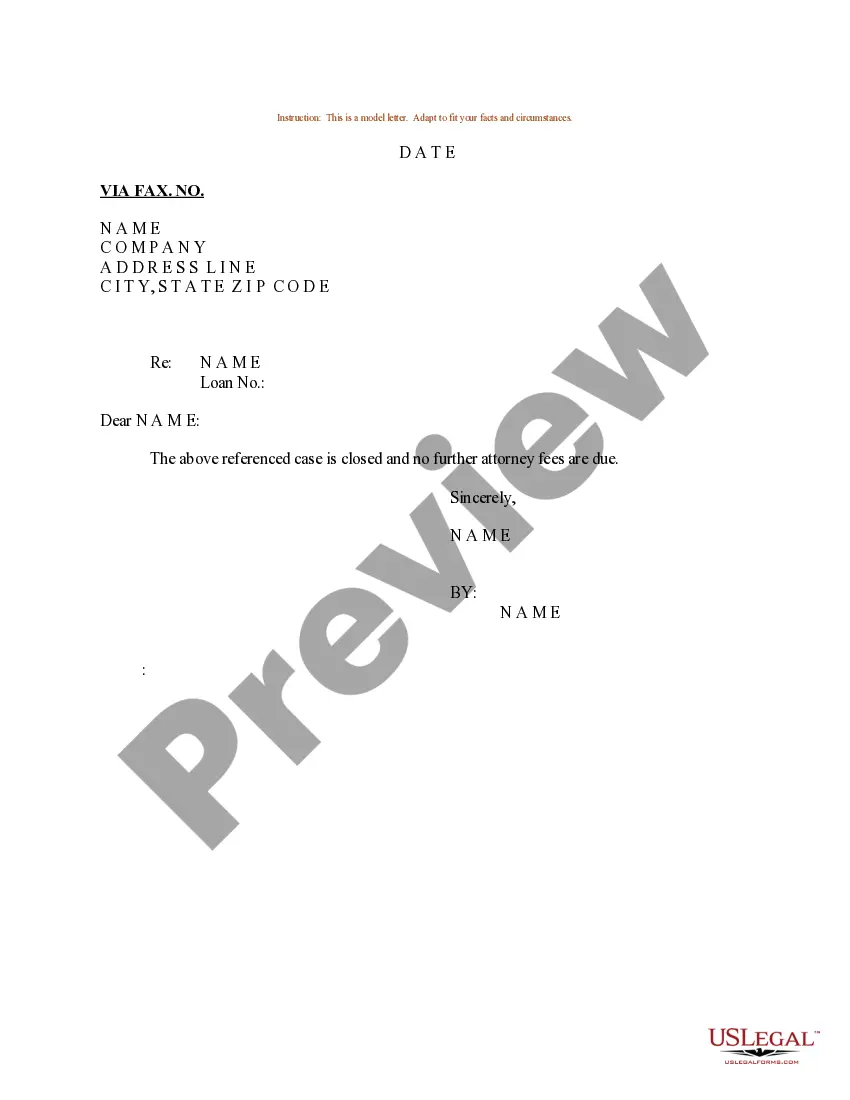
Get your form ready online
Our built-in tools help you complete, sign, share, and store your documents in one place.
Make edits, fill in missing information, and update formatting in US Legal Forms—just like you would in MS Word.
Download a copy, print it, send it by email, or mail it via USPS—whatever works best for your next step.
Sign and collect signatures with our SignNow integration. Send to multiple recipients, set reminders, and more. Go Premium to unlock E-Sign.
If this form requires notarization, complete it online through a secure video call—no need to meet a notary in person or wait for an appointment.
We protect your documents and personal data by following strict security and privacy standards.

Make edits, fill in missing information, and update formatting in US Legal Forms—just like you would in MS Word.

Download a copy, print it, send it by email, or mail it via USPS—whatever works best for your next step.

Sign and collect signatures with our SignNow integration. Send to multiple recipients, set reminders, and more. Go Premium to unlock E-Sign.

If this form requires notarization, complete it online through a secure video call—no need to meet a notary in person or wait for an appointment.

We protect your documents and personal data by following strict security and privacy standards.
Looking for another form?








Form popularity
FAQ
What is an "agent for service of process" and who can be such an agent? An agent for service of process is an individual who resides in California, or a registered 1505 corporate agent, designated to accept service of process (court papers) if the business entity is sued.
California registered agents—also referred to as agents for service of process—are obligatory for all filing entities in the state. An agent acts as your liaison with the secretary of state, accepting legal and government documents on your behalf.
The president or CEO of a company, a partner of a partnership, or an agent for service of process all qualify as a corporate representative who can accept service of process. For any California business, the agent for service of process can be found on the Secretary of State's website at .
Yes, you can be your own Registered Agent in California as long as you meet the state requirements. (Unfortunately, most Registered Agent Services and LLC filing companies hide this information.) We explain the pros and cons below – as well as your additional options – so you can make your own decision.
While almost any entity with an address in the jurisdiction specified under the international agreement may legally act as a Process Agent, a professional Process Agent is knowledgeable about the various types of legal process and understands the urgency and steps that must be taken upon receipt of such processes.
There are a variety of ways to address problems with an attorney, before filing a complaint with the State Bar. Call the State Bar's Contact Center if you have any questions at 800-843-9053 (in California) or 213-765-1200 (outside California).
The server must be at least 18 and not involved in the case. They fill out a proof of service form. Service is complete 10 days after mailing.
(2) Proof of electronic service may be in electronic form and may be filed electronically with the court. (3) Under rule 3.1300(c), proof of service of the moving papers must be filed at least five court days before the hearing.
The certificate must state the name of the person or persons served, the date of service, the method of service, and the mailing address or email address to which service was made, if not made in person.
If proof of service of the summons has not been filed within 60 days of the complaint's filing, the court may dismiss the action without prejudice.

