Carta Cliente Withdrawal In Alameda
Description
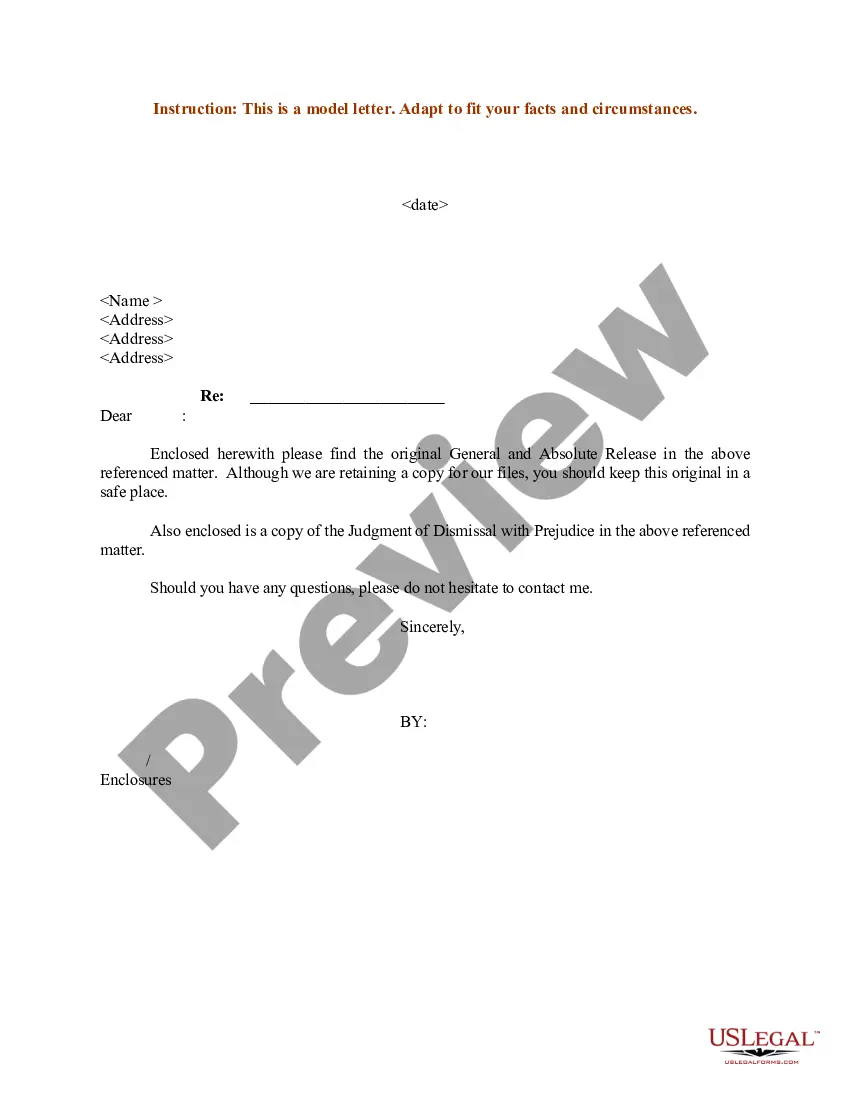
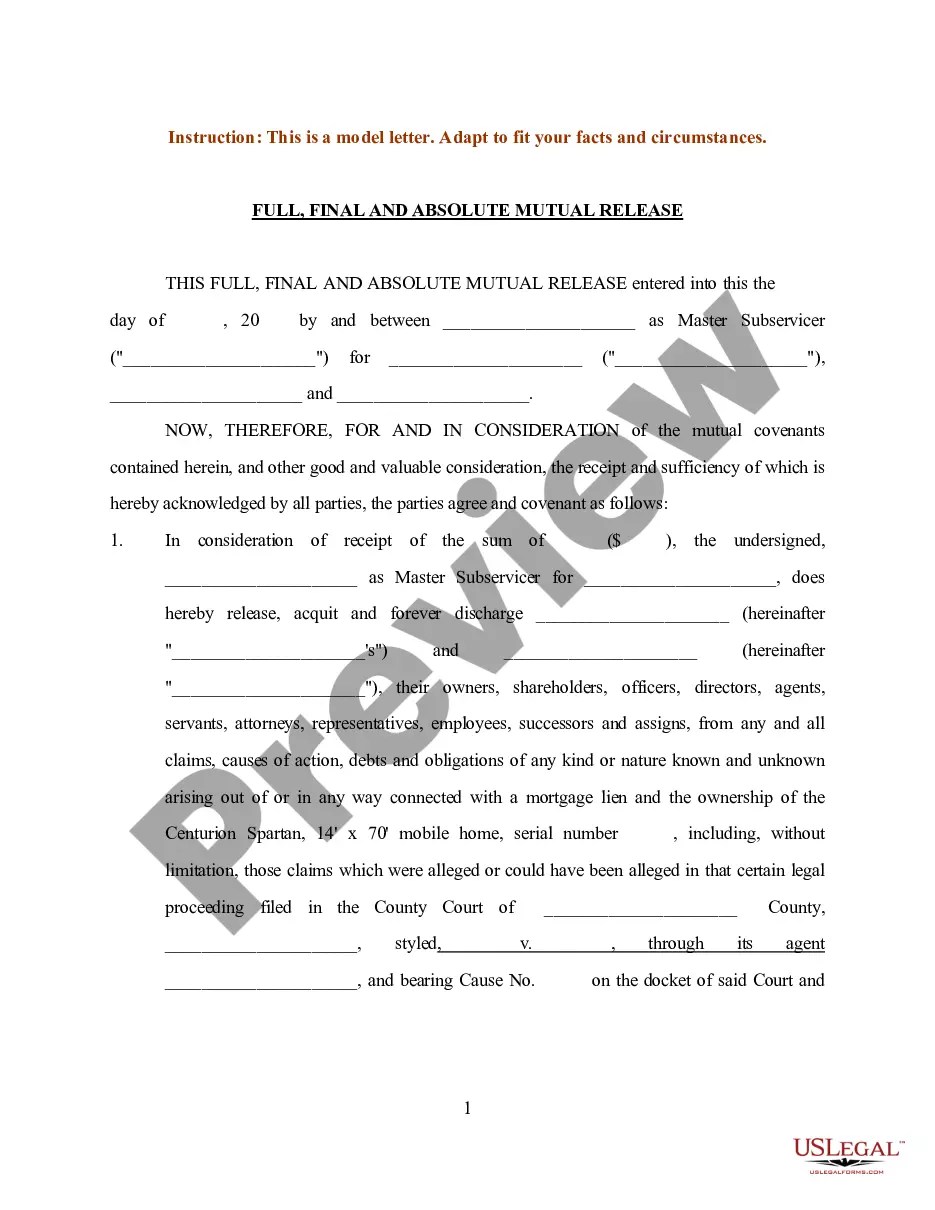
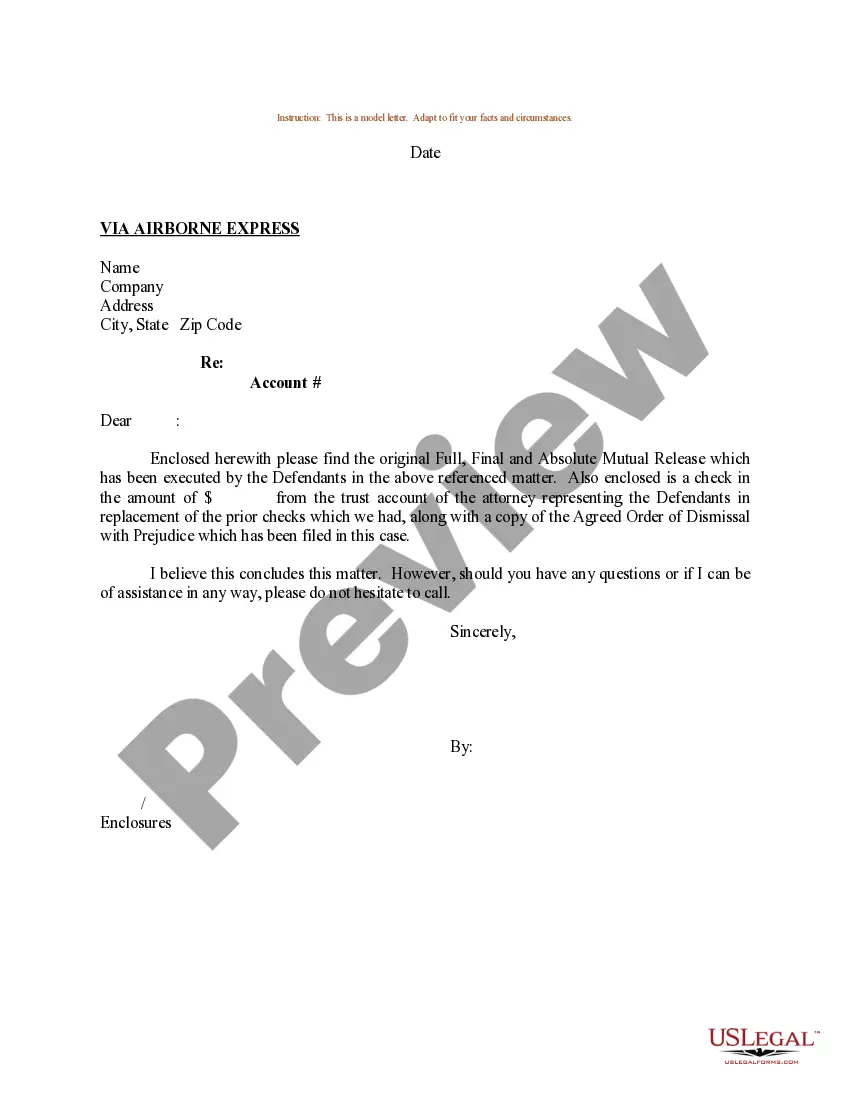
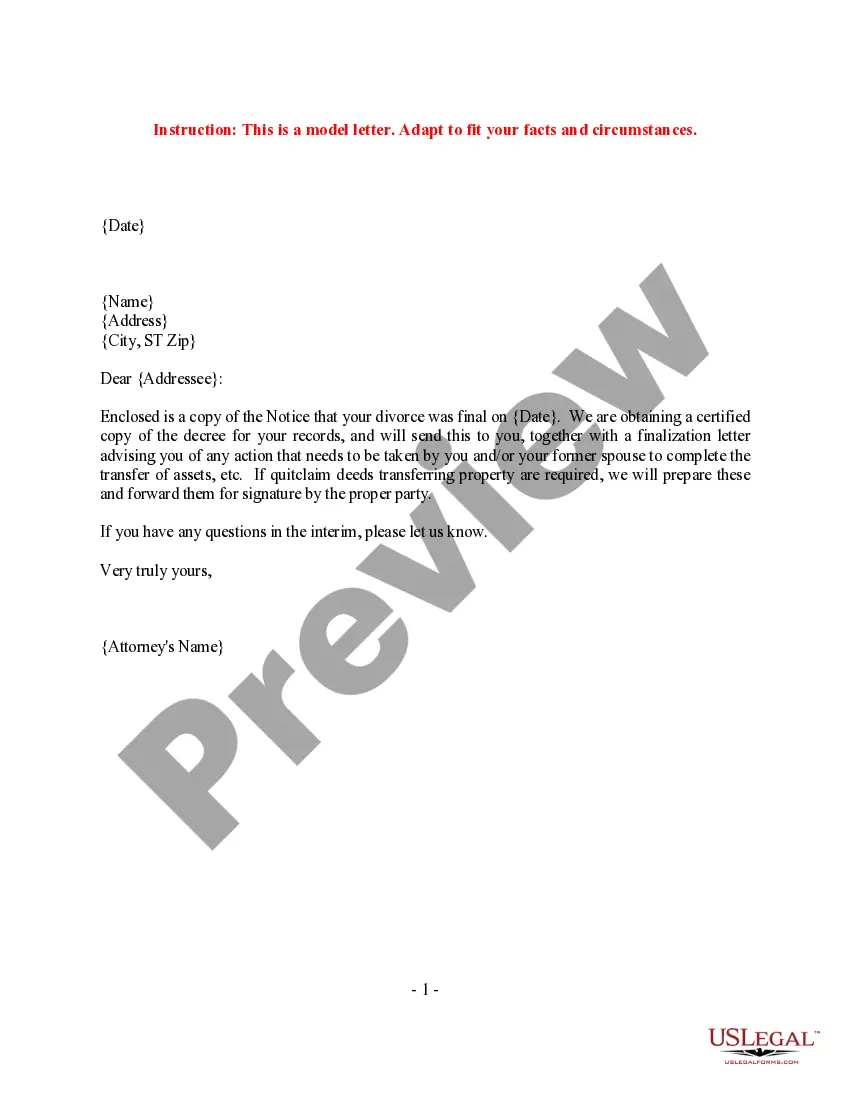
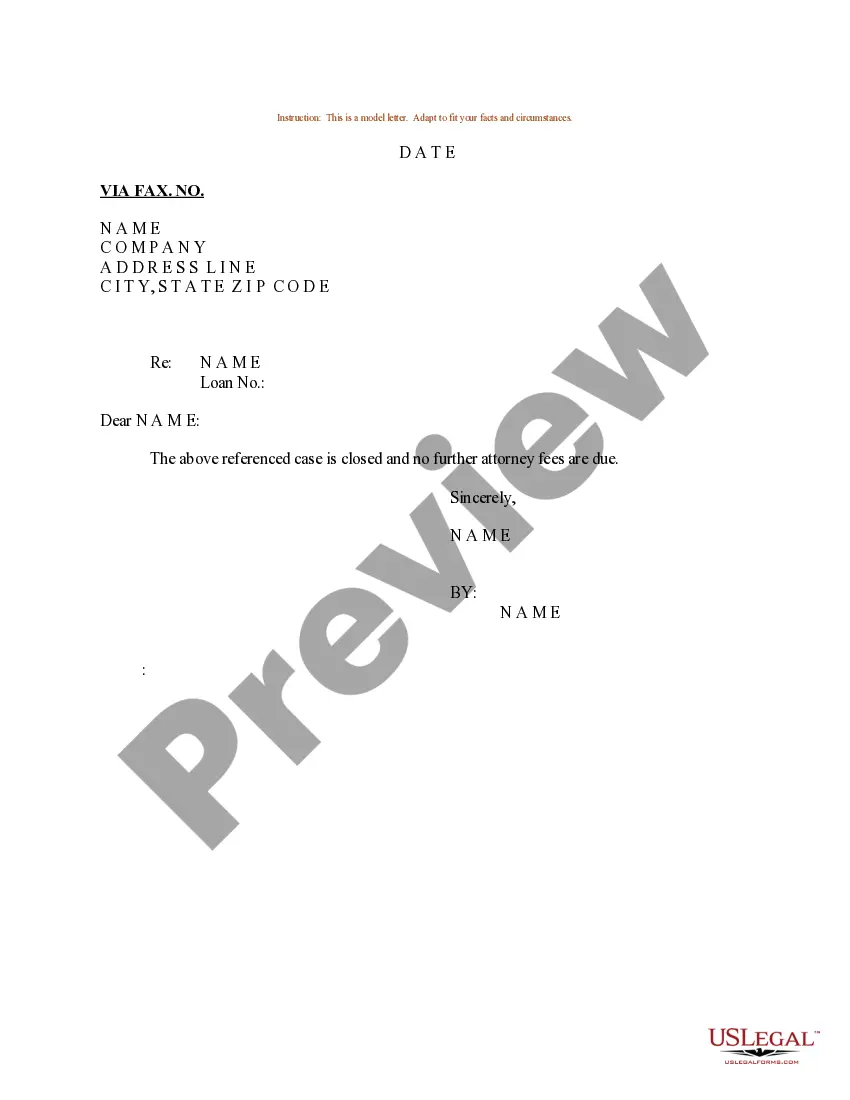
Get your form ready online
Our built-in tools help you complete, sign, share, and store your documents in one place.
Make edits, fill in missing information, and update formatting in US Legal Forms—just like you would in MS Word.
Download a copy, print it, send it by email, or mail it via USPS—whatever works best for your next step.
Sign and collect signatures with our SignNow integration. Send to multiple recipients, set reminders, and more. Go Premium to unlock E-Sign.
If this form requires notarization, complete it online through a secure video call—no need to meet a notary in person or wait for an appointment.
We protect your documents and personal data by following strict security and privacy standards.

Make edits, fill in missing information, and update formatting in US Legal Forms—just like you would in MS Word.

Download a copy, print it, send it by email, or mail it via USPS—whatever works best for your next step.

Sign and collect signatures with our SignNow integration. Send to multiple recipients, set reminders, and more. Go Premium to unlock E-Sign.

If this form requires notarization, complete it online through a secure video call—no need to meet a notary in person or wait for an appointment.

We protect your documents and personal data by following strict security and privacy standards.
Looking for another form?







Form popularity
FAQ
The proposed order relieving counsel must be prepared on the Order Granting Attorney's Motion to Be Relieved as Counsel-Civil (form MC-053) and must be lodged with the court with the moving papers. The order must specify all hearing dates scheduled in the action or proceeding, including the date of trial, if known.
In such circumstances, the attorney(s) seeking to withdraw should complete and file this "Request for Approval of Substitution or Withdrawal of Counsel" (Form G-01), and submit a proposed "Order on Request for Approval of Substitution or Withdrawal of Counsel" (Form G-01 Order).
Client Consent: The simplest way is if you, as the client, agree to the attorney's withdrawal. The attorney should provide you with a request to withdraw in writing, and you can give your consent, also preferably in writing.
The rule requires that a motion to withdraw be filed and served on the client and other parties of record. The court's approval will not be granted until client and counsel for other parties consent in writing or 14 days pass after service of the motion.
(1) An attorney may request withdrawal by filing a motion to withdraw. Unless the court orders otherwise, the motion need be served only on the party represented and the attorneys directly affected. (2) The proof of service need not include the address of the party represented.
The proposed order relieving counsel must be prepared on the Order Granting Attorney's Motion to Be Relieved as Counsel-Civil (form MC-053) and must be lodged with the court with the moving papers. The order must specify all hearing dates scheduled in the action or proceeding, including the date of trial, if known.
Section 284 specifies that permission in an action or special proceeding may be obtained in one of two ways: either with consent of the client, by filing a substitution of attorney form, or by a court order, following an application by the client or attorney.
For example, lawyers are required to withdraw when their client demands that they assert a frivolous claim or when the representation will otherwise violate the Rules of Professional Conduct. See Cal. Rules of Prof'l Conduct R. 1.16(a)(1) and 3.1.
If a lawyer and client cannot work together effectively, it can be difficult to achieve a positive outcome. In this case, the lawyer must notify the client of their intention to withdraw and provide reasonable notice to allow the client to find a new lawyer.
In every case, to present an ex parte application to the court, a party must: reserve a hearing date with the applicable department (for applications that require a hearing.) ... file the motion with the court, and. give notice of the hearing date as required by law.

