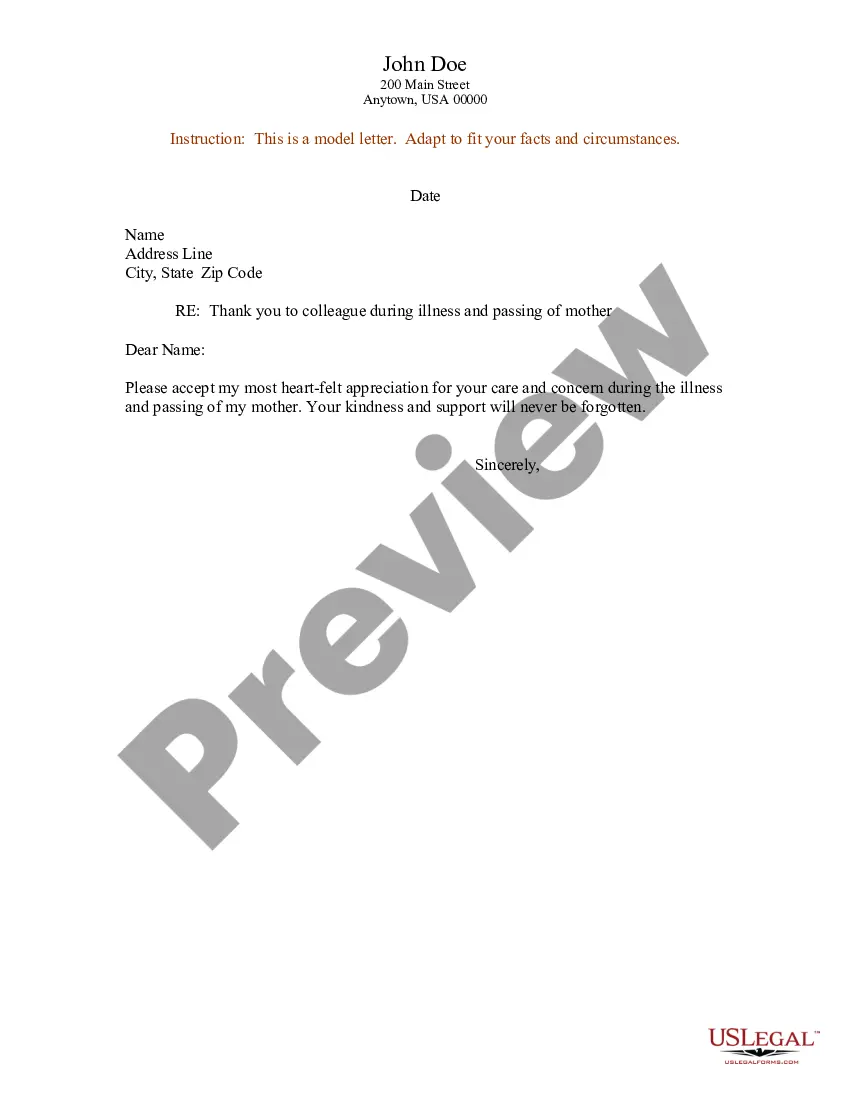
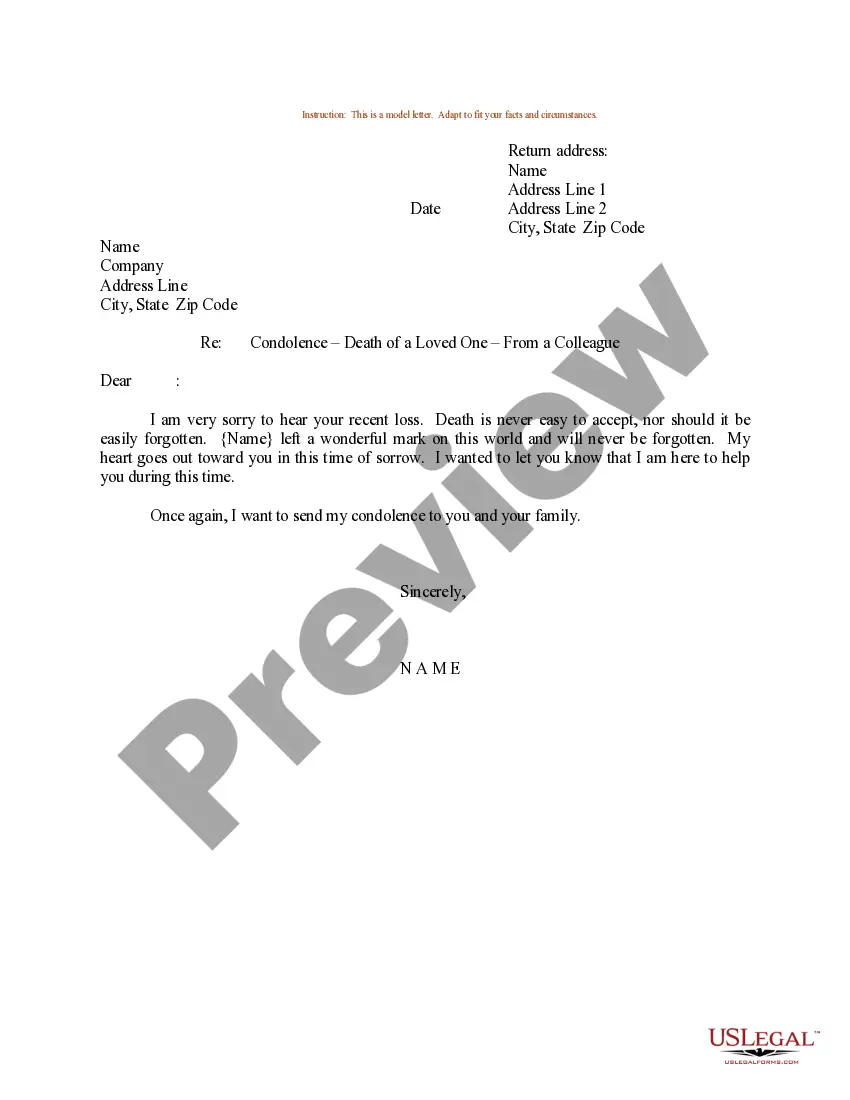
Condolences Letter Formal In Santa Clara
Description
Get your form ready online
Our built-in tools help you complete, sign, share, and store your documents in one place.
Make edits, fill in missing information, and update formatting in US Legal Forms—just like you would in MS Word.
Download a copy, print it, send it by email, or mail it via USPS—whatever works best for your next step.
Sign and collect signatures with our SignNow integration. Send to multiple recipients, set reminders, and more. Go Premium to unlock E-Sign.
If this form requires notarization, complete it online through a secure video call—no need to meet a notary in person or wait for an appointment.
We protect your documents and personal data by following strict security and privacy standards.

Make edits, fill in missing information, and update formatting in US Legal Forms—just like you would in MS Word.

Download a copy, print it, send it by email, or mail it via USPS—whatever works best for your next step.

Sign and collect signatures with our SignNow integration. Send to multiple recipients, set reminders, and more. Go Premium to unlock E-Sign.

If this form requires notarization, complete it online through a secure video call—no need to meet a notary in person or wait for an appointment.

We protect your documents and personal data by following strict security and privacy standards.
Looking for another form?








Form popularity
FAQ
If you need some ideas for inspiration to get started, you could write about: One of your favorite memories you have of them. Any events (big or small) that have happened since their passing. Any ways you have grown since their death. Something you regret not saying to them while they were alive.
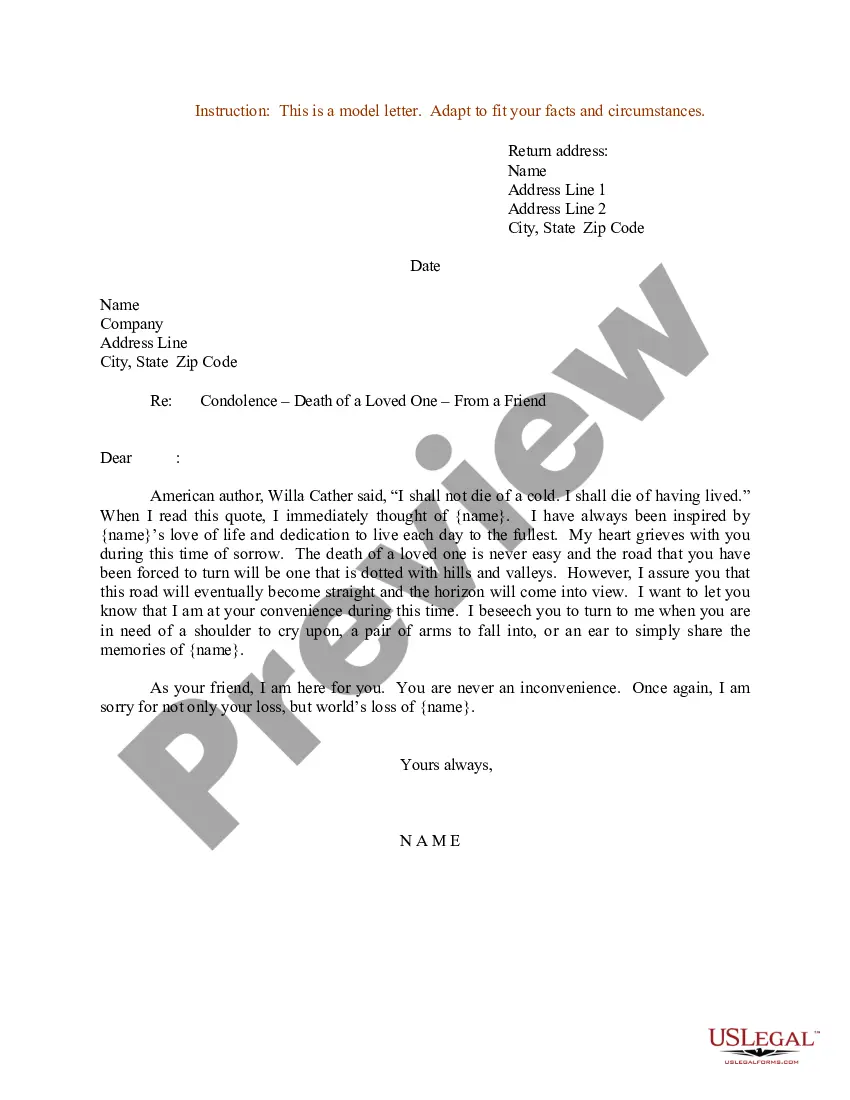
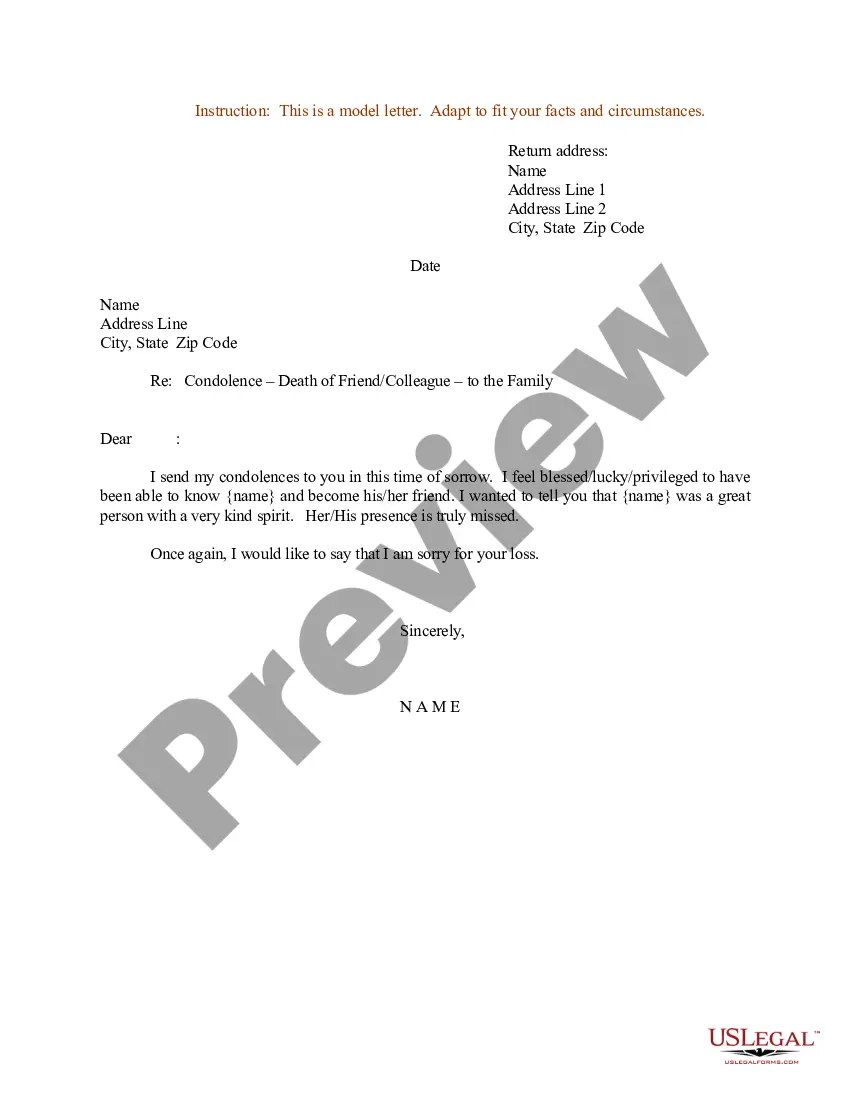
Example of a Condolence Letter Dear Name, I am deeply saddened to learn about the loss of yourrelationship. Please accept my heartfelt condolences during this difficult time of grief and mourning. I cannot begin to comprehend the depth of sorrow you must be feeling, but I hope that my words can offer some comfort.
6 Components of a Condolence Letter Acknowledge the loss. When you're talking about the person who died, refer to them by name. Express your sympathy. Note a special quality. Include a memory. Remind the bereaved of their own strengths. Offer to help. End with a hopeful, thoughtful sign-off.
When writing the letter, it's important to be sincere, express your feelings, and offer support. Here's a simple structure you can follow: Opening: Acknowledge the loss. Personal Reflection: Share a memory or quality of the deceased if appropriate. Expression of Sympathy: Offer your condolences and express your sorrow.
Sympathy Phrases to Avoid When Writing Bereavement Cards It's for the best. He's with God now. She lived a long life. Time heals all wounds. They are in a better place. I know how you feel.
Here are some guidelines for writing a good condolence letter: Acknowledge the loss and name the deceased. Express your sympathy. Note special qualities of the deceased. Recall a memory about the deceased. Remind the bereaved of their personal strengths you have witnessed.
I was so very sorry to hear of the tragic death of (name of deceased). My colleagues and all members of staff within the (Service Details), particularly those working in (particular location), join me in extending our most sincere sympathy to you (and your family) Our thoughts are with you at this time.
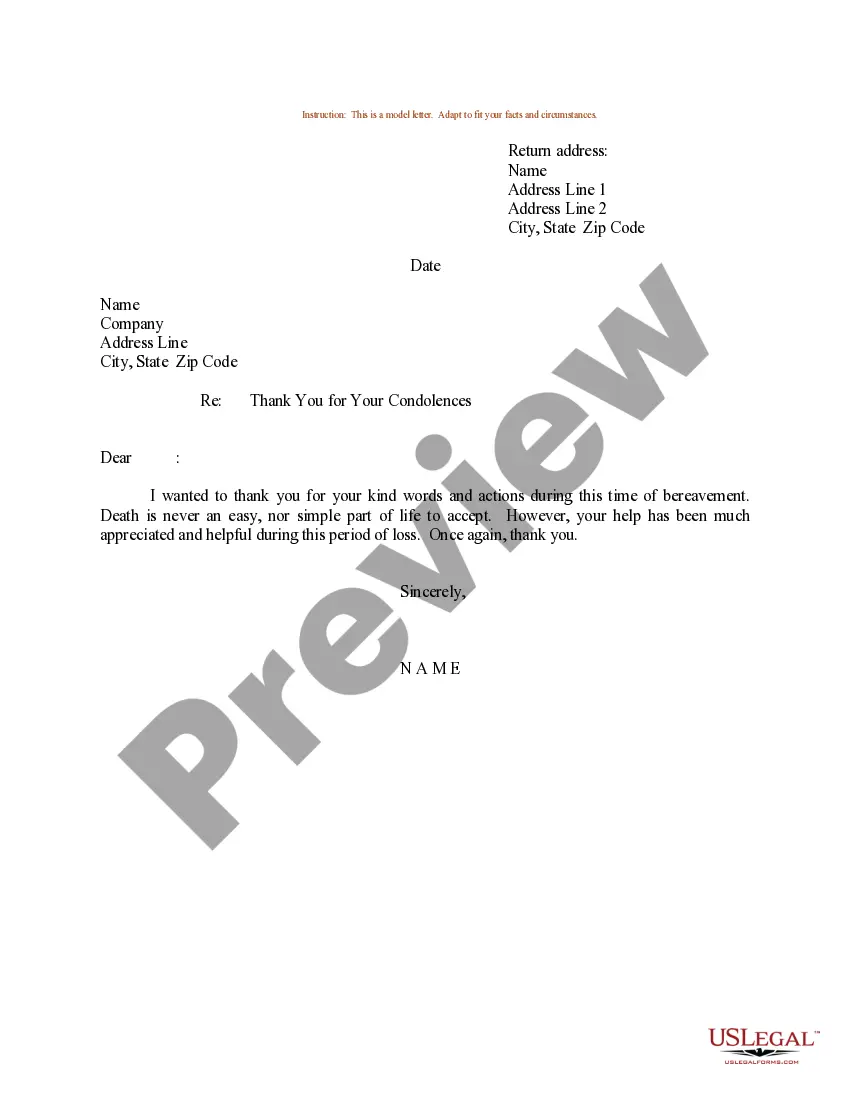
Simple condolence messages "With heartfelt condolences.” "Sending caring thoughts your way.” "I was so saddened to hear of your loss.” "So sorry for your loss.” "Thinking of you.” "Sent with love and remembrance of your loved one.” "With deepest condolences to the name family.”
Condolence Letter Format Example - a Helpful Template to Use Express sympathy and heartfelt condolences. Explain your relationship to the deceased. Consider sharing some special or distinctive qualities of the deceased. Write down a special memory, story or anecdote.