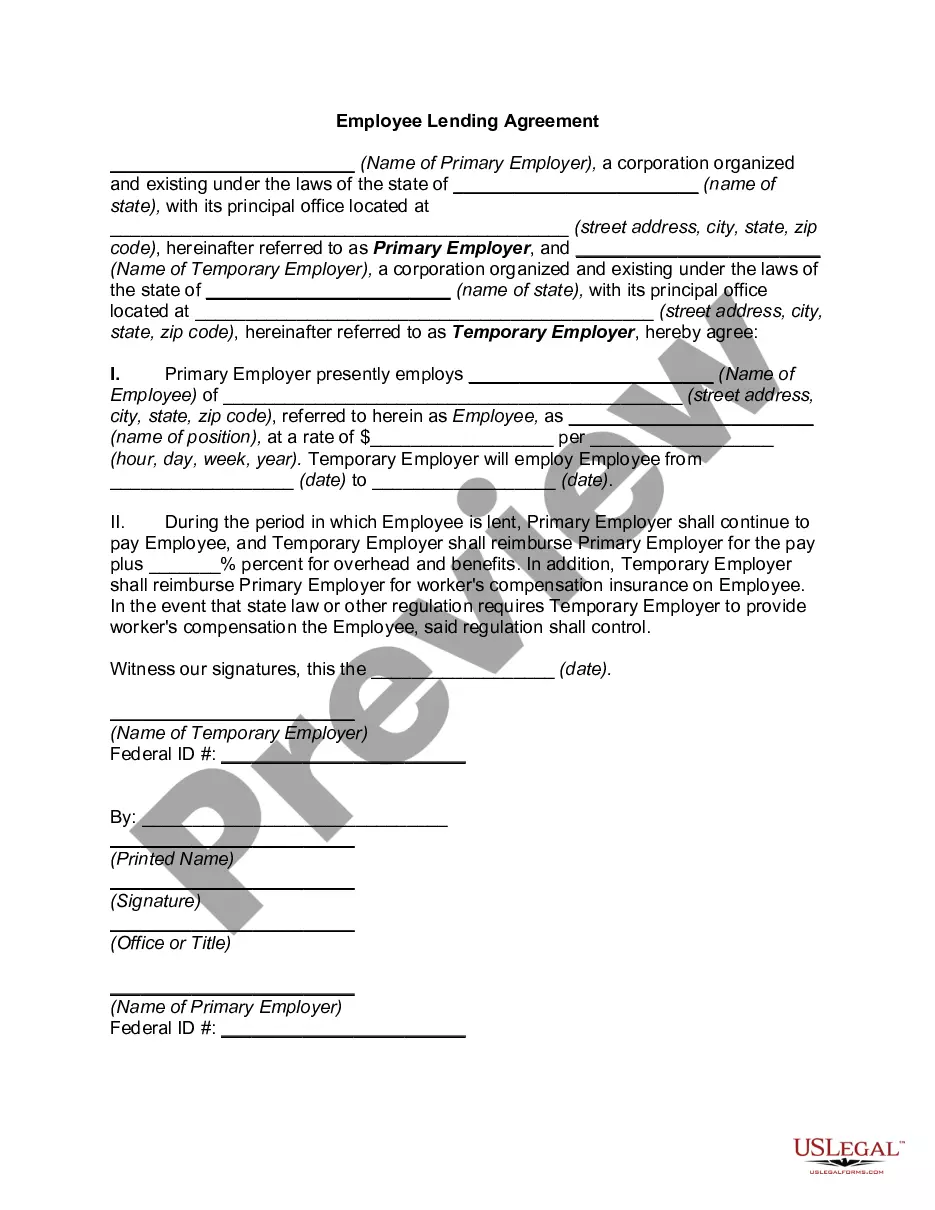
Staff Rental Agreement With Notary In Wake
Description

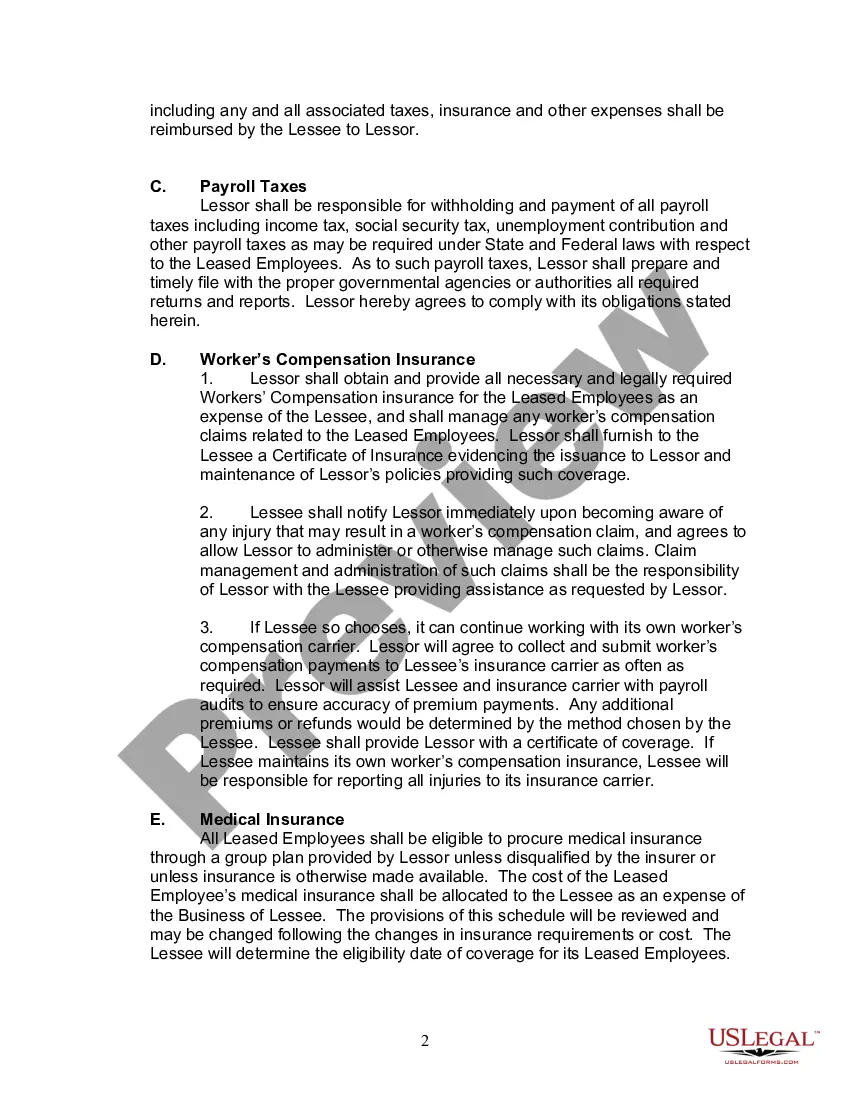
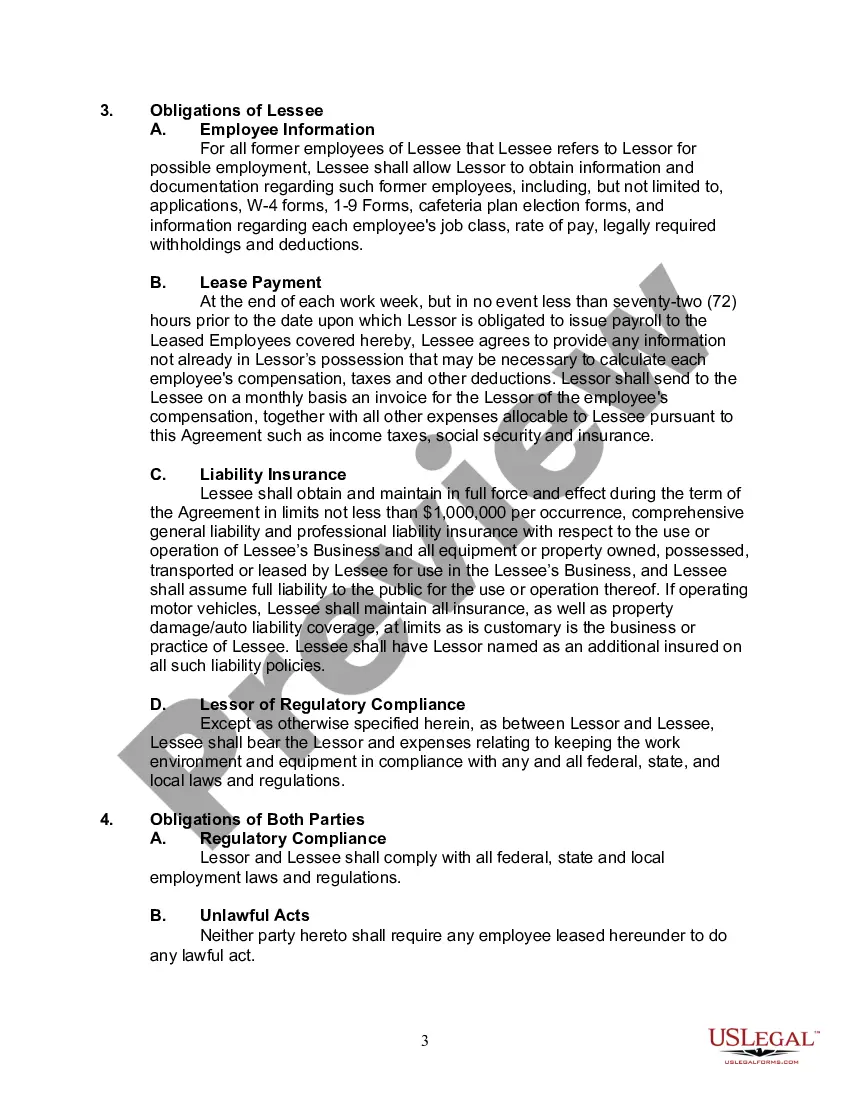
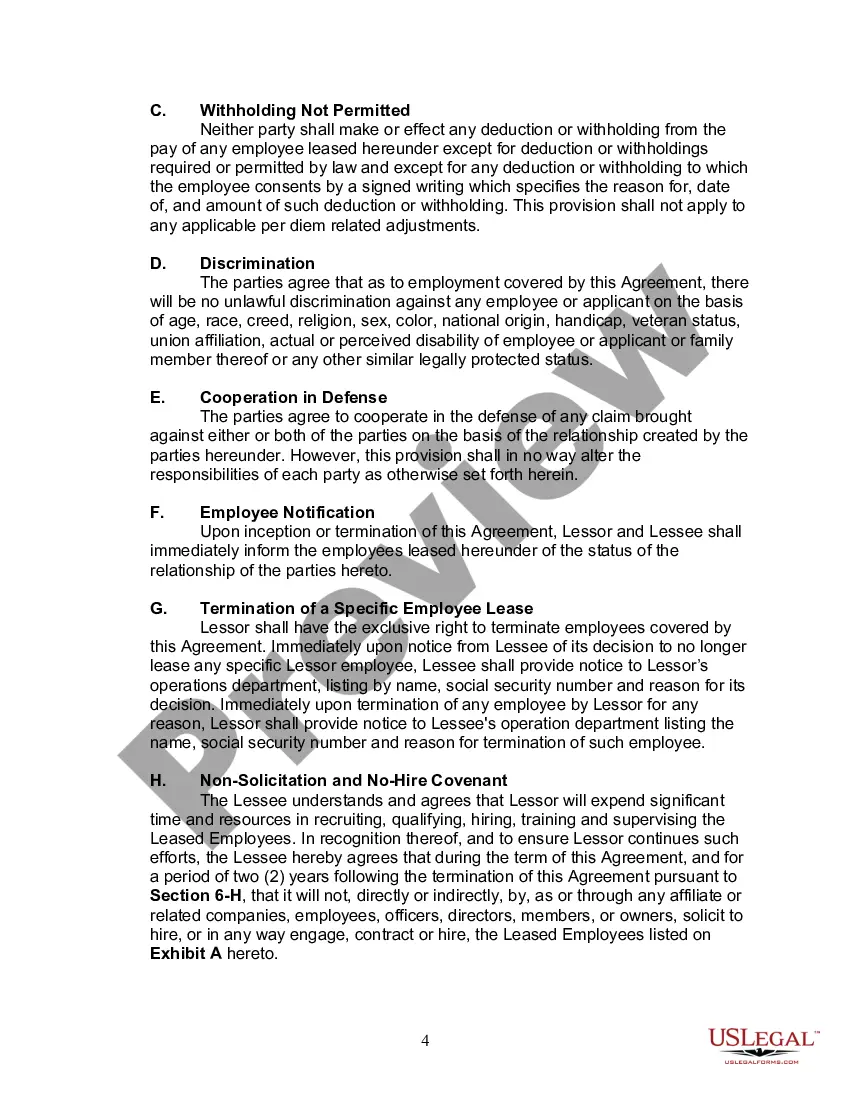
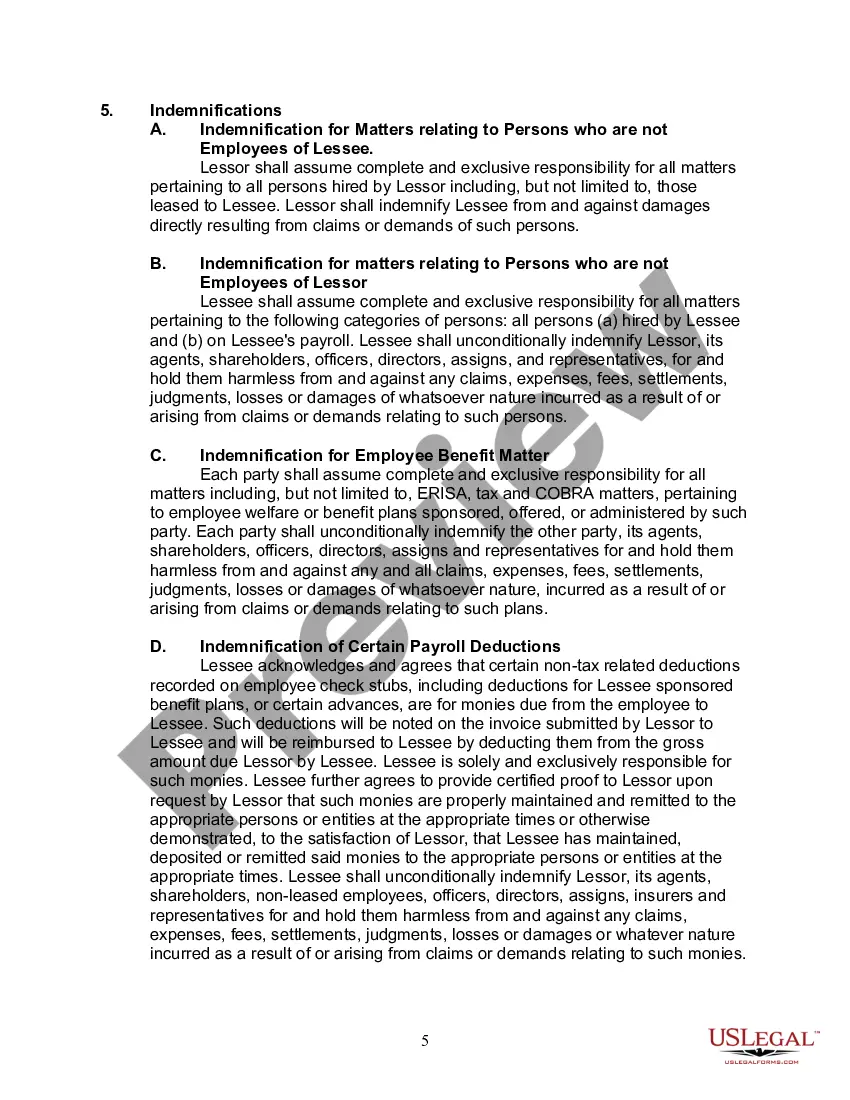
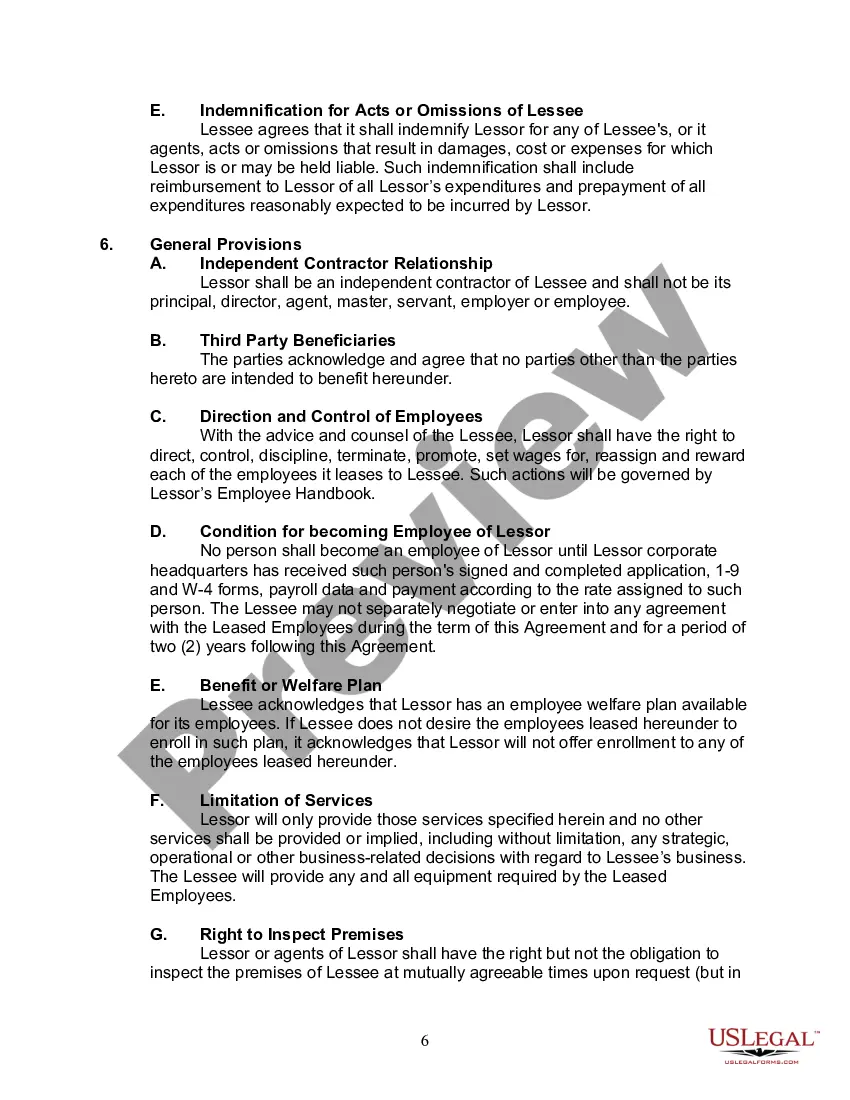
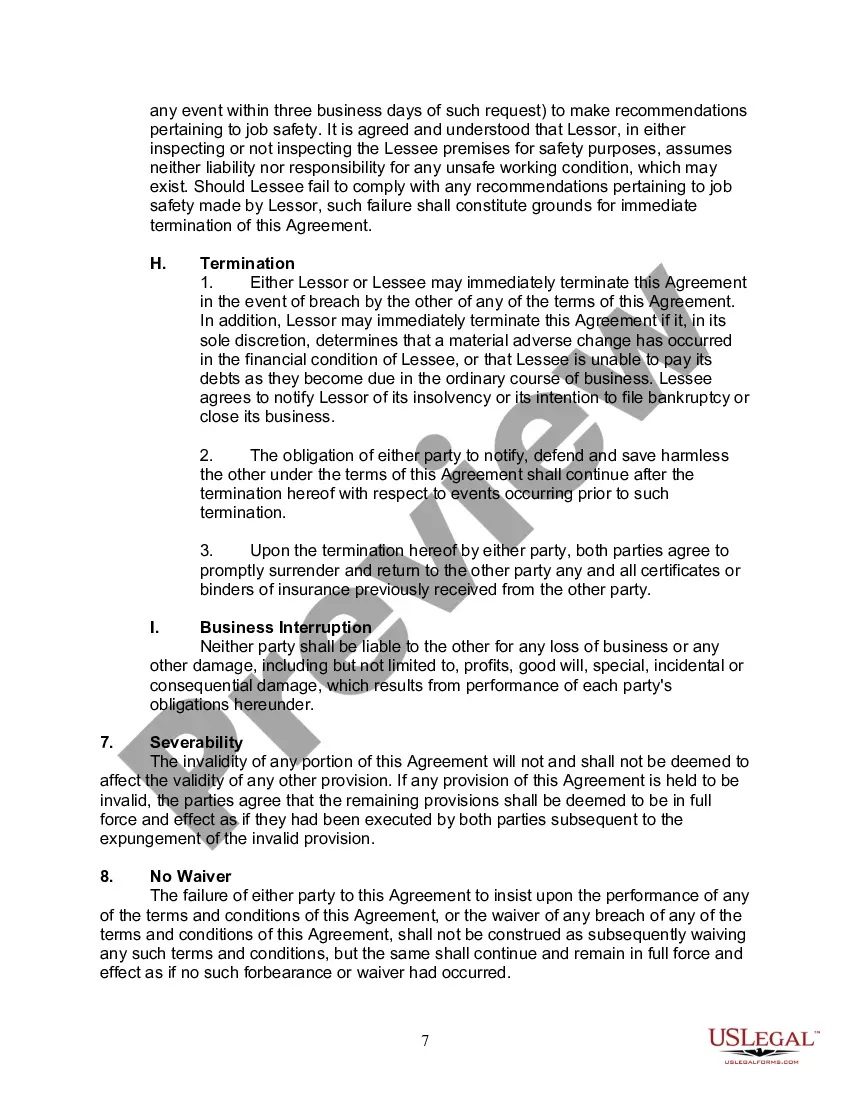
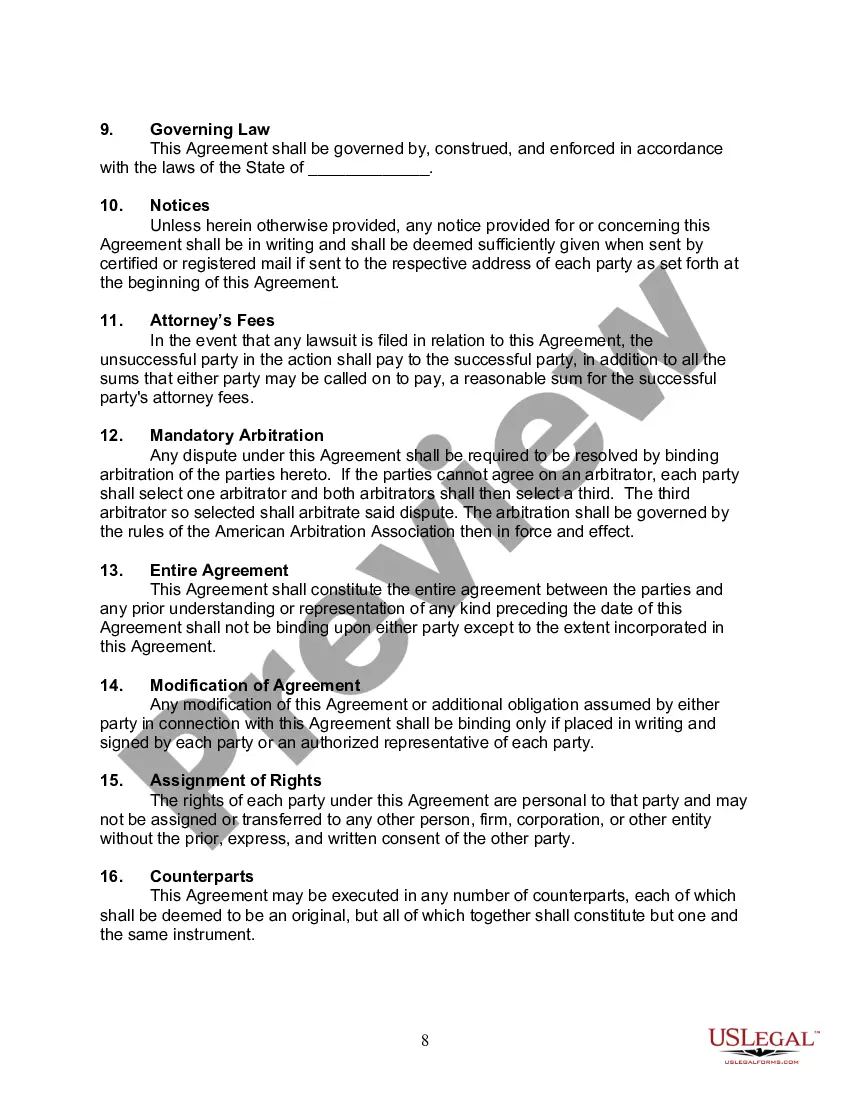
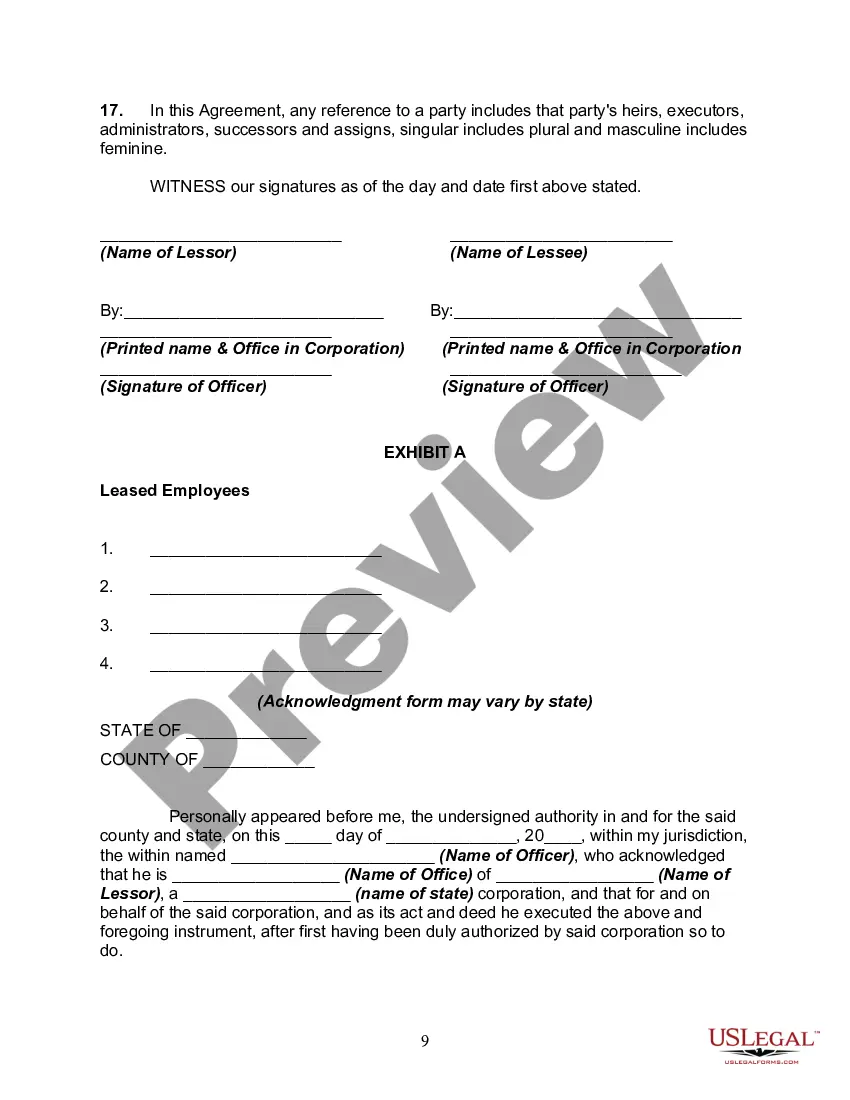
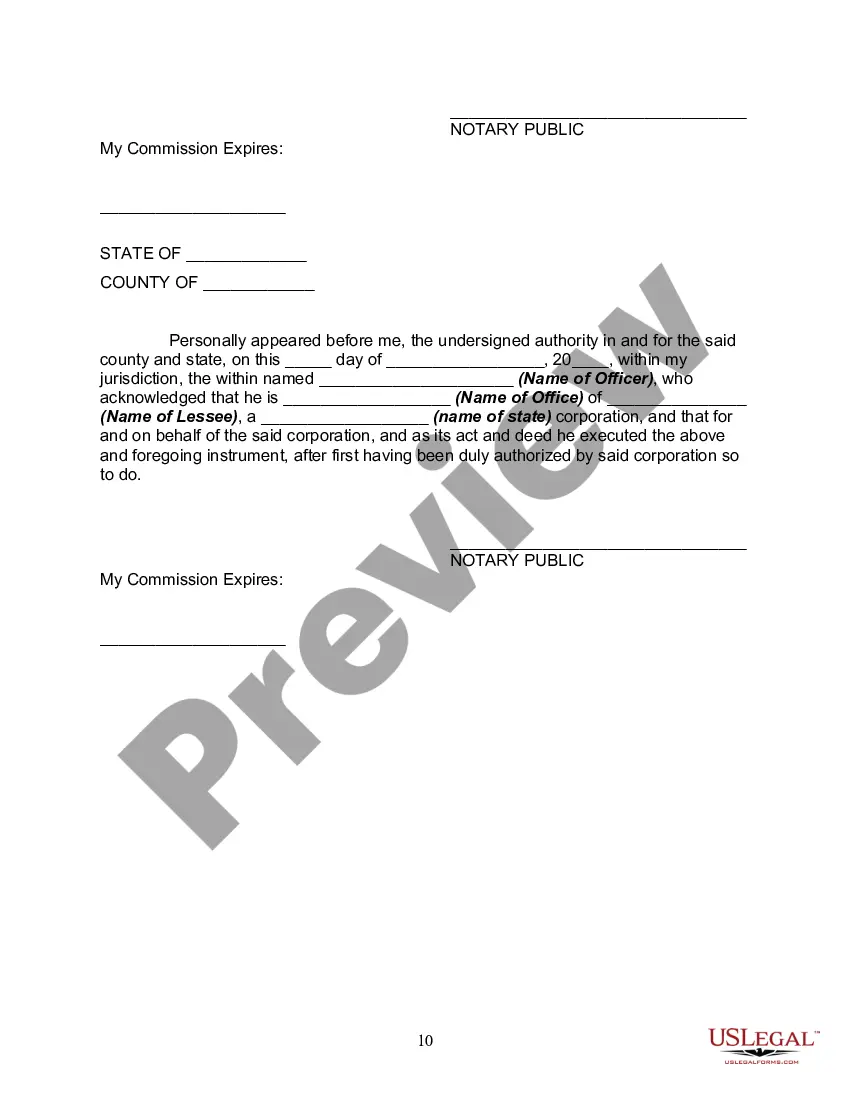
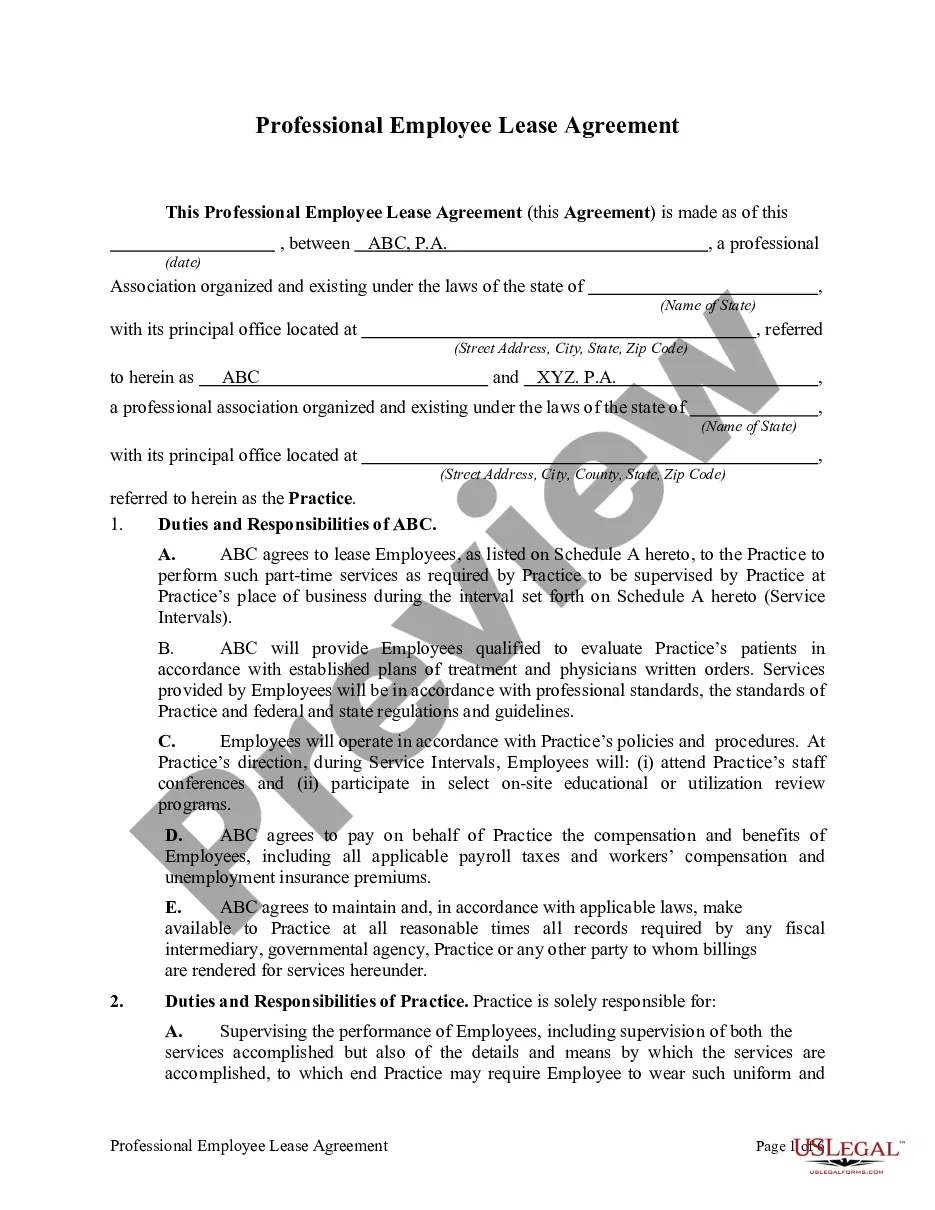
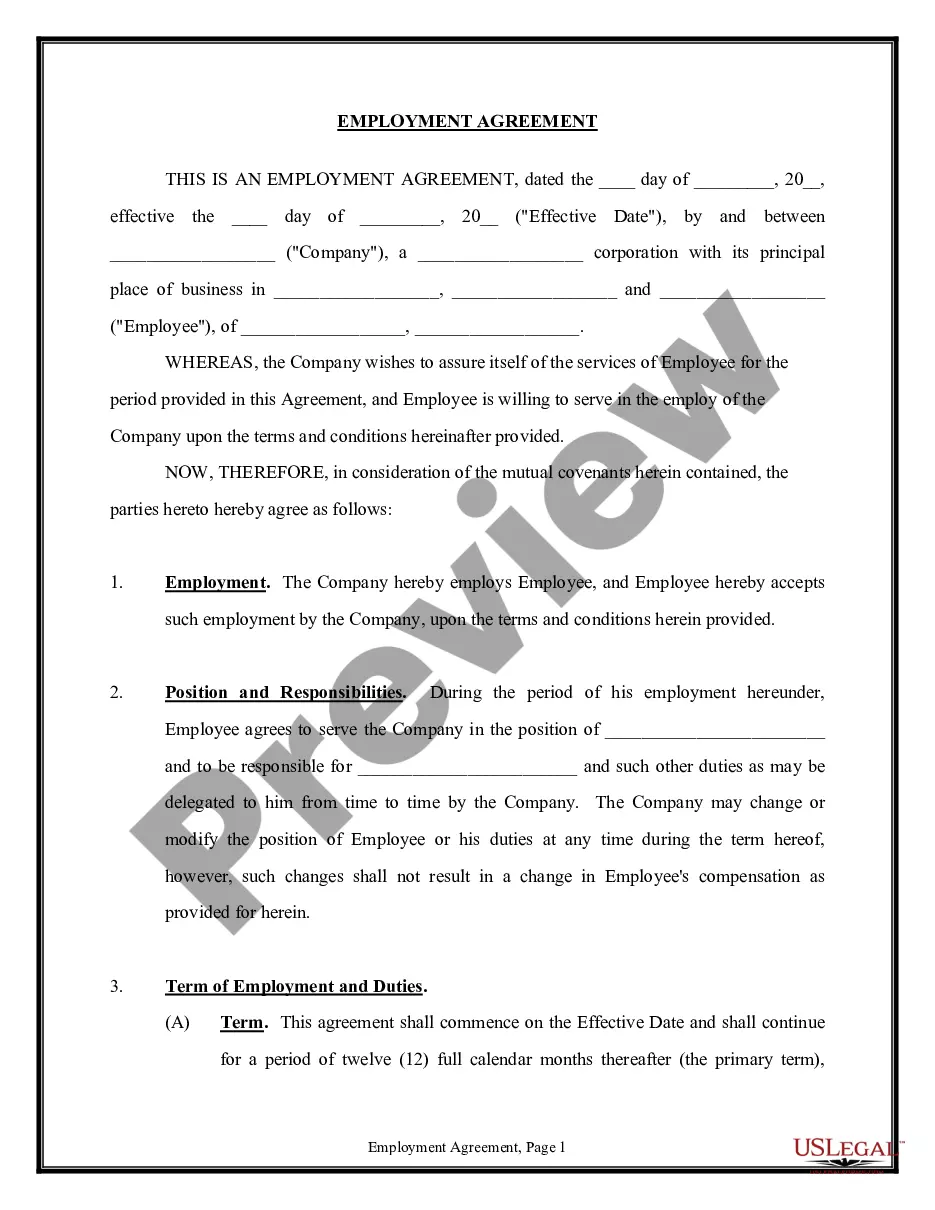
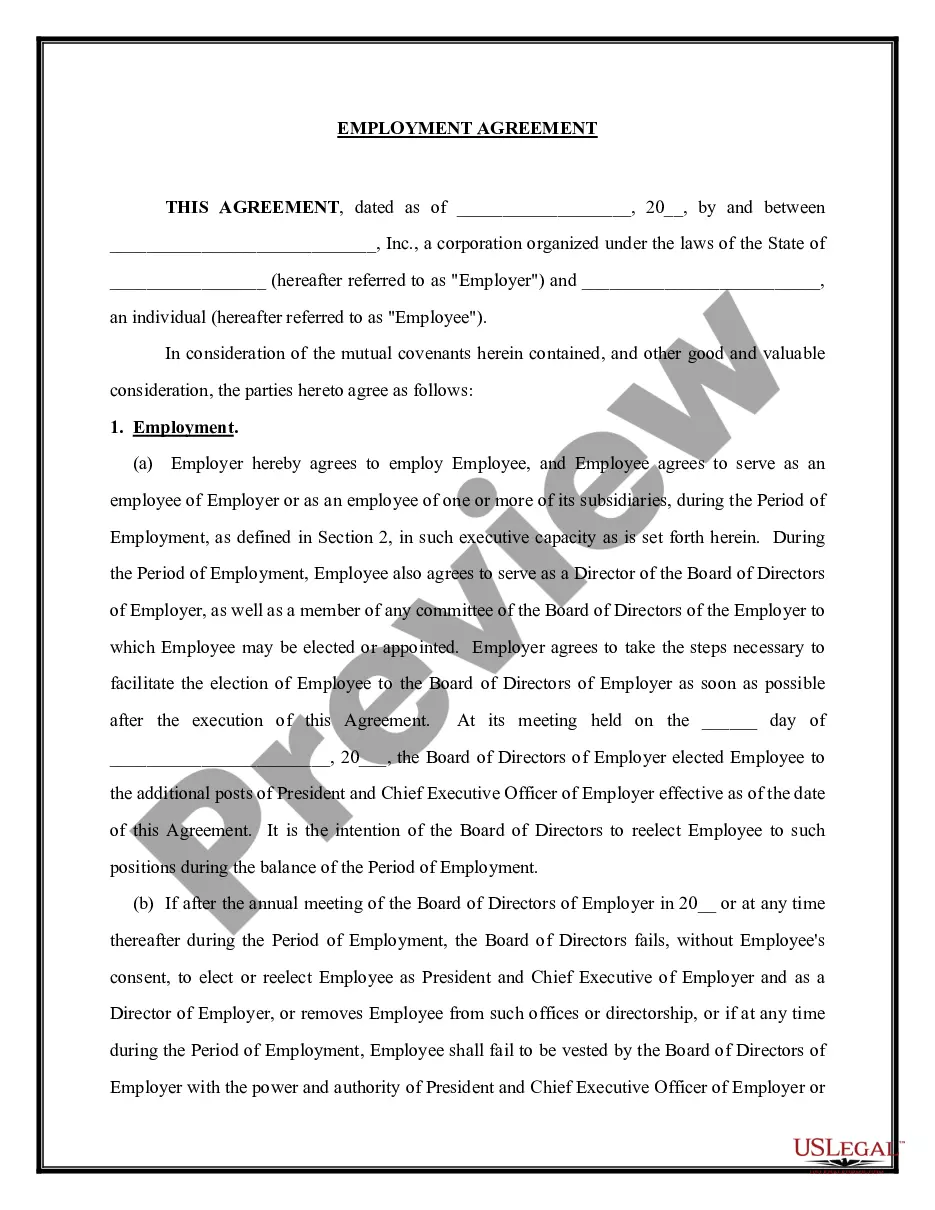
Get your form ready online
Our built-in tools help you complete, sign, share, and store your documents in one place.
Make edits, fill in missing information, and update formatting in US Legal Forms—just like you would in MS Word.
Download a copy, print it, send it by email, or mail it via USPS—whatever works best for your next step.
Sign and collect signatures with our SignNow integration. Send to multiple recipients, set reminders, and more. Go Premium to unlock E-Sign.
If this form requires notarization, complete it online through a secure video call—no need to meet a notary in person or wait for an appointment.
We protect your documents and personal data by following strict security and privacy standards.

Make edits, fill in missing information, and update formatting in US Legal Forms—just like you would in MS Word.

Download a copy, print it, send it by email, or mail it via USPS—whatever works best for your next step.

Sign and collect signatures with our SignNow integration. Send to multiple recipients, set reminders, and more. Go Premium to unlock E-Sign.

If this form requires notarization, complete it online through a secure video call—no need to meet a notary in person or wait for an appointment.

We protect your documents and personal data by following strict security and privacy standards.
Looking for another form?



Form popularity
FAQ
For example, California does not require lease notarization, while other states like Ohio may have different requirements. It's essential to review state-specific regulations to determine if notarization is necessary in your particular case.
Does a rental agreement need to be notarized in California? No, in California law, rental agreements do not need to be notarized. It is only notarized is required by state law as long as the criteria for a valid and legally binding lease are met.
Duration of the lease: Clearly state the term or duration of the lease. This could be a specific length of time (such as one year) or structured as a month-to-month agreement. In California, if the lease agreement is for more than one year, it must be in writing to be legally enforceable.
Here's a list of standard fields that you should include in your lease agreement: Tenant information. Include each tenant's full name and contact information. Rental property description. Security deposit. Monthly rent amount. Utilities. Lease term. Policies. Late fees.
Notarization requirements for lease agreements differ by state. In some states, notarization isn't necessary for leases shorter than one year. For example, California does not require notarization for standard residential leases, while Ohio may require it for some lease types.
Notarization requirements for lease agreements differ by state. In some states, notarization isn't necessary for leases shorter than one year. For example, California does not require notarization for standard residential leases, while Ohio may require it for some lease types.
Notary publics serve an important function by verifying the identity of someone who signs an agreement and attesting to that person's signature. Notarization can prove that a party who objects to the agreement was indeed the person who signed the contract.
No, signing a contract in front of a notary is not required. A notary's involvement does not make a contract somehow more binding or more enforceable than it otherwise would be. (To learn what makes a contract legally valid, see the "What makes a contract legally enforceable?" section in Understanding Contracts.)
A lease is a binding contract between the landlord and the tenant once it has been signed. Changes by either party could have a negative impact. If both parties agree that changes are needed, an addendum could be added that would be signed by the landlord and the tenant.
