Lease Employee Agreement With Sublease Clause In Travis
Description

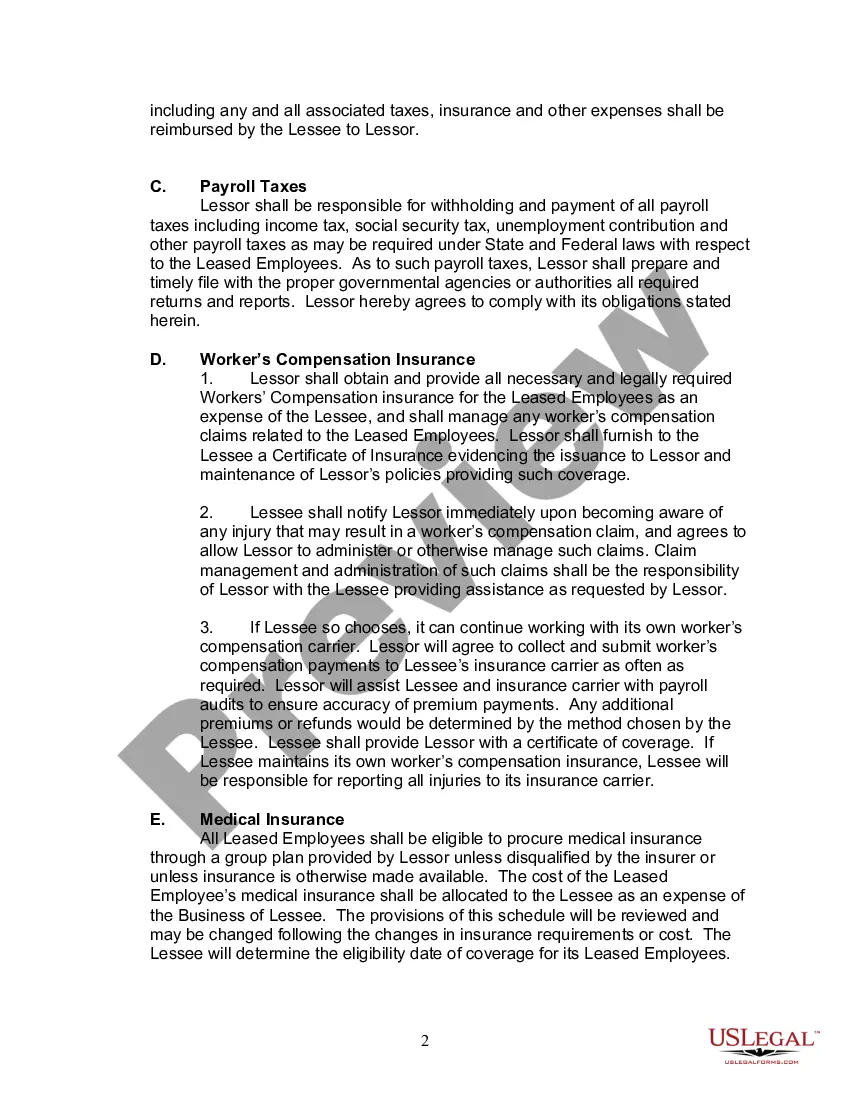
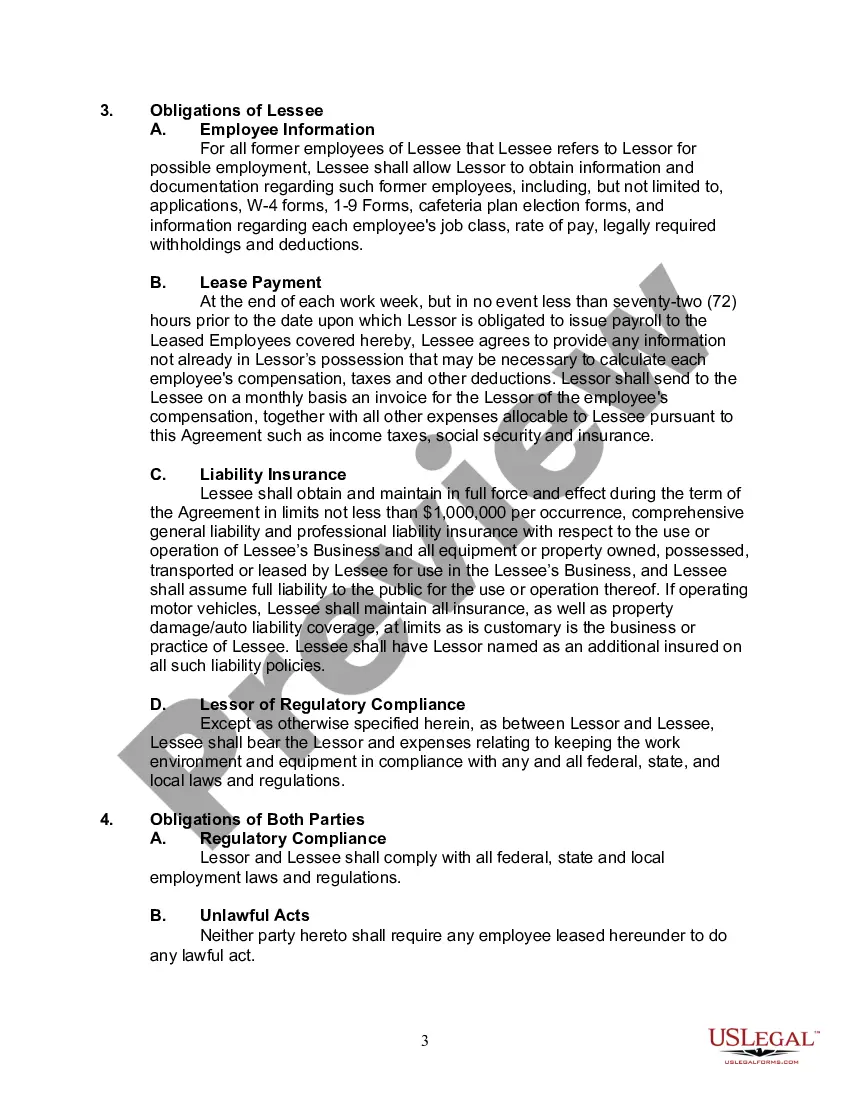
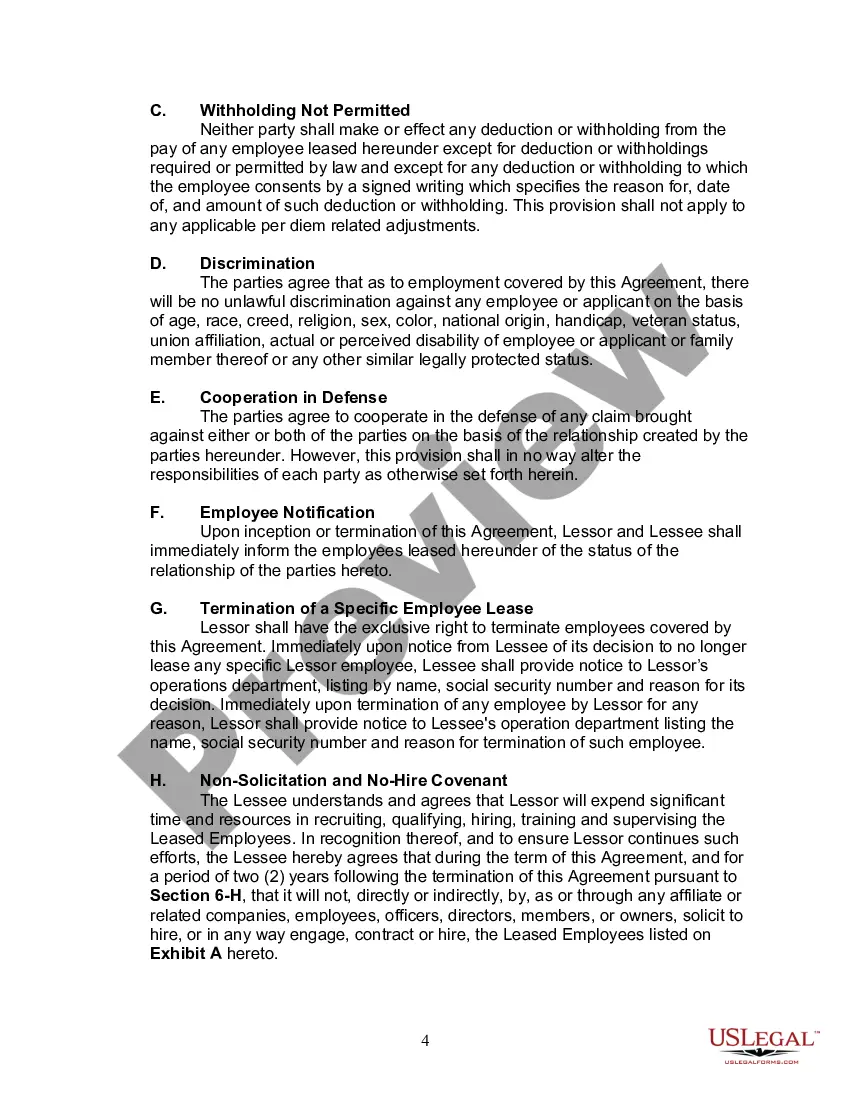
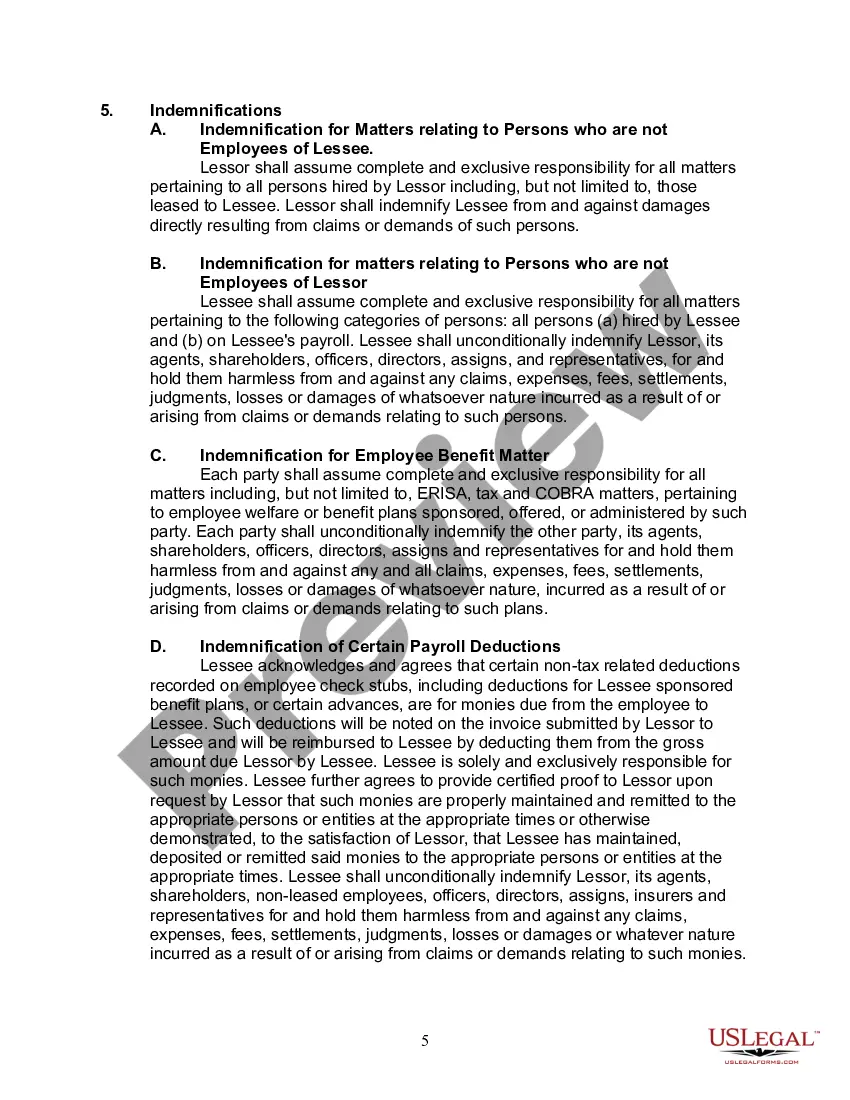
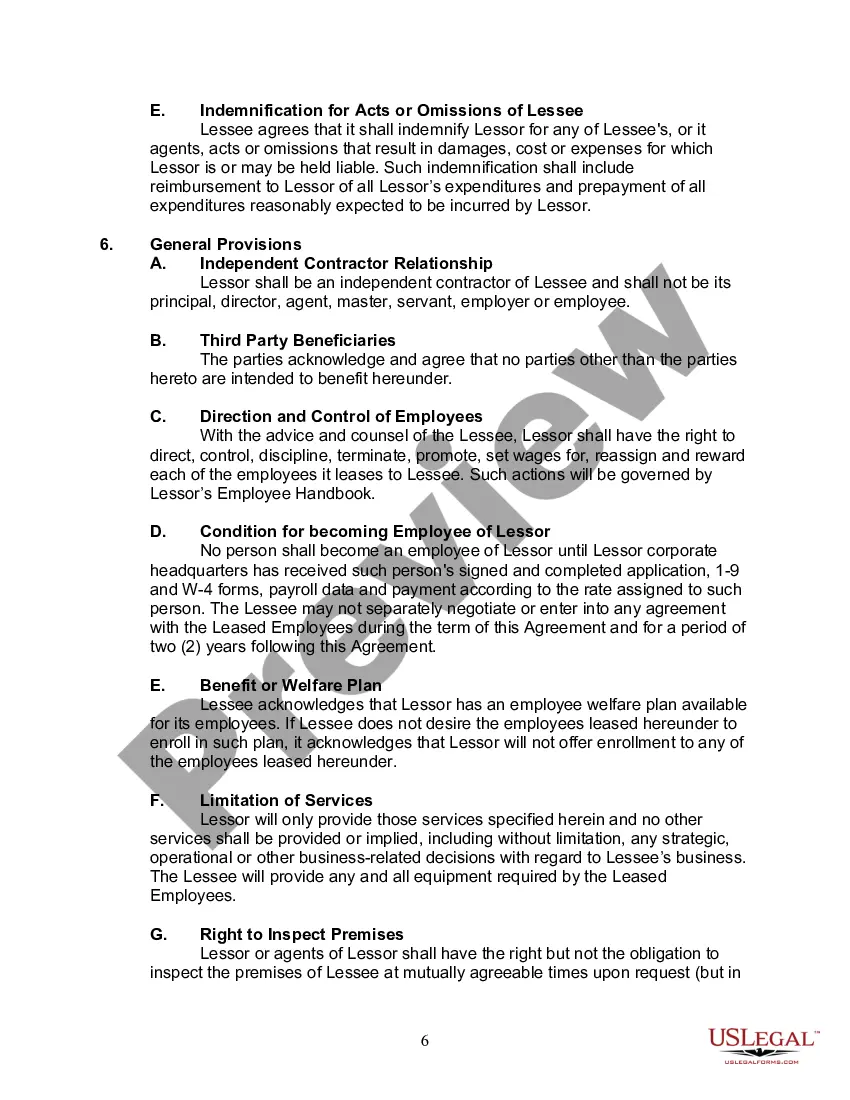
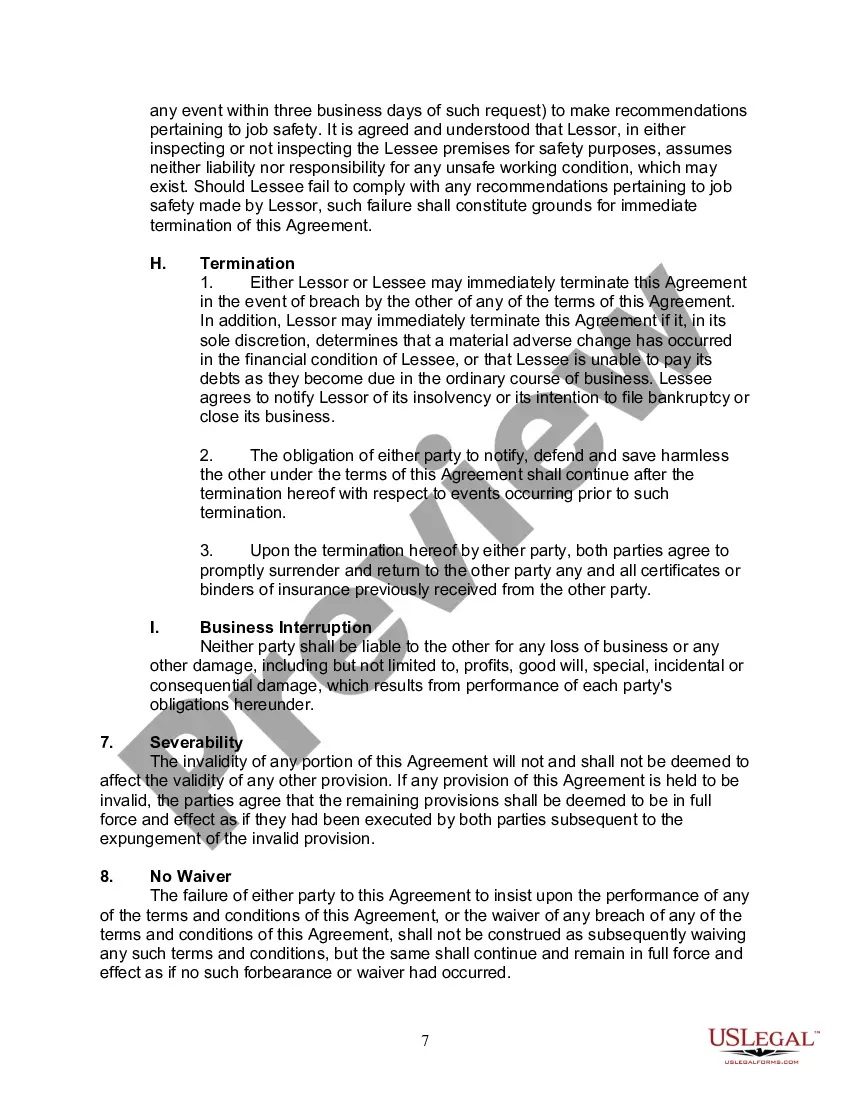
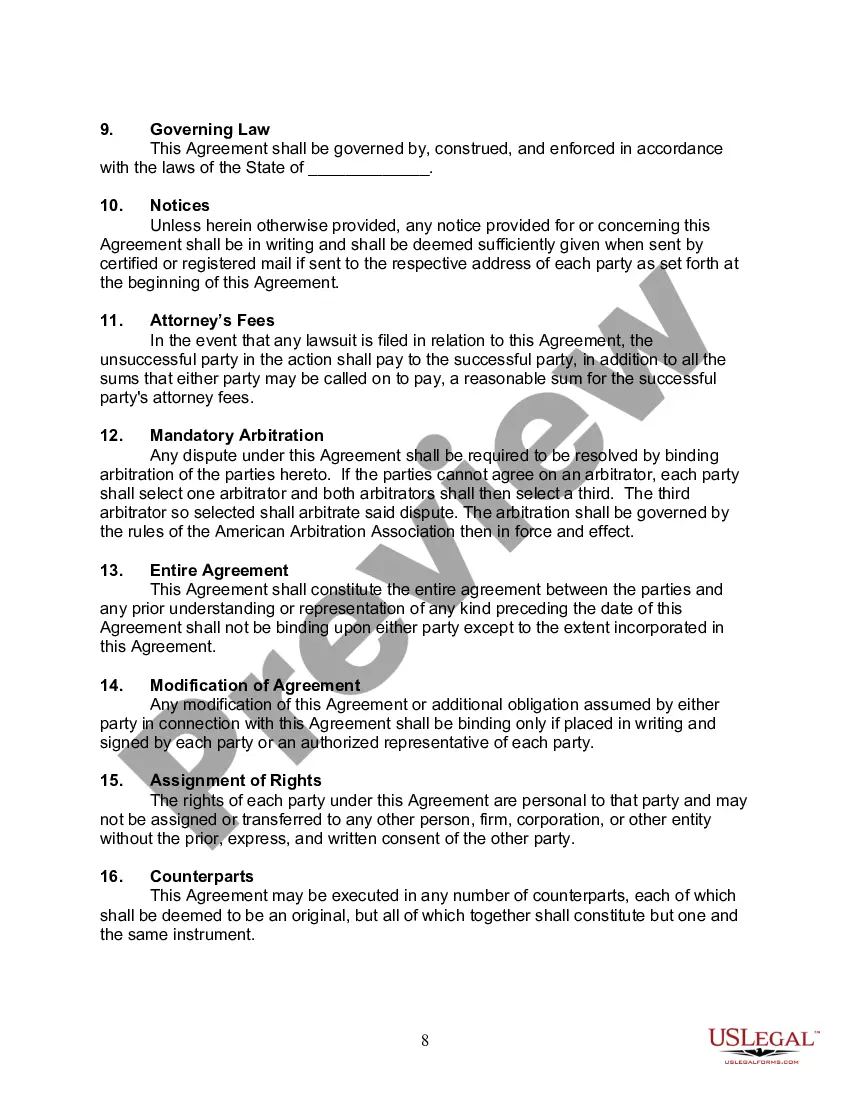
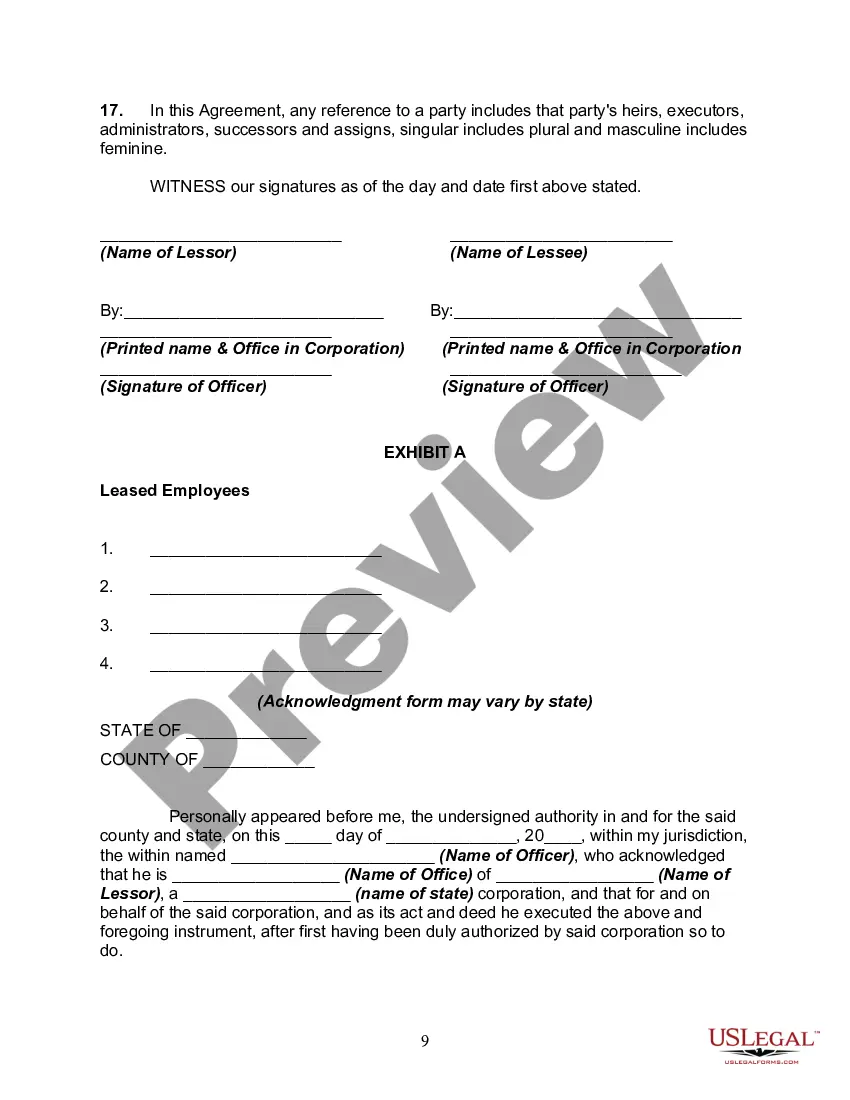
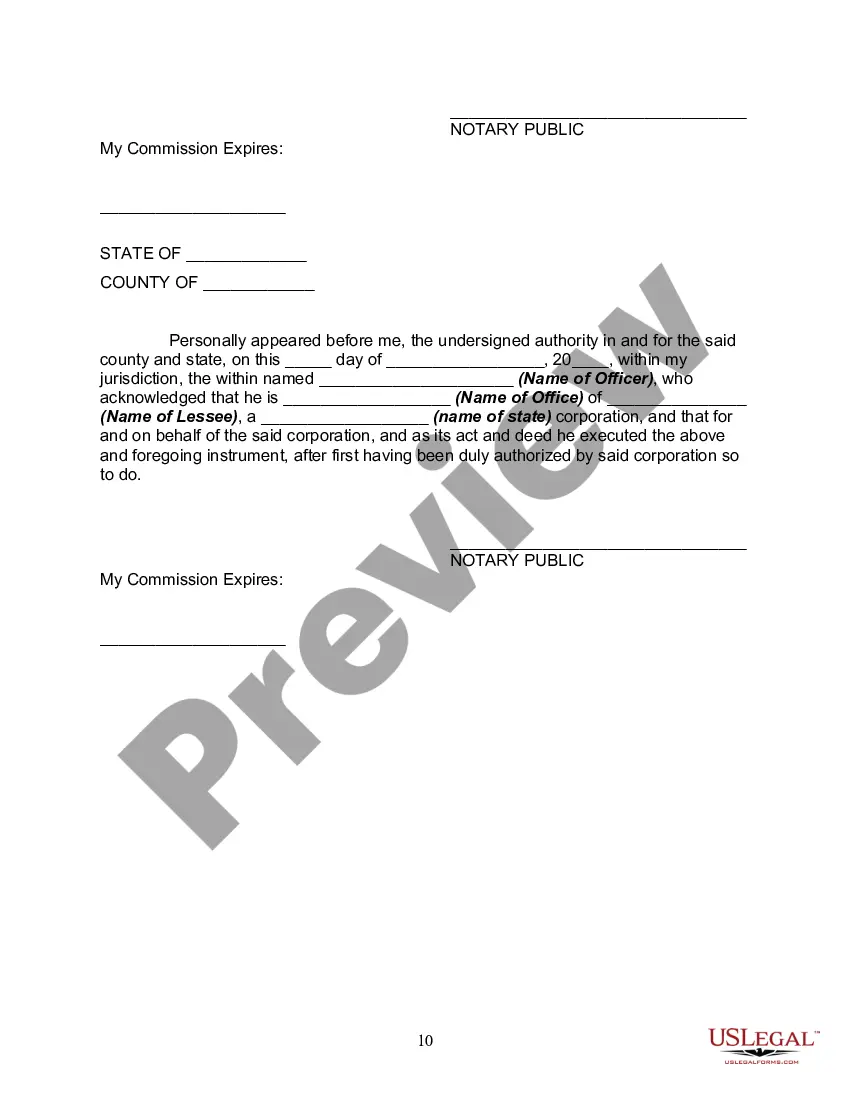
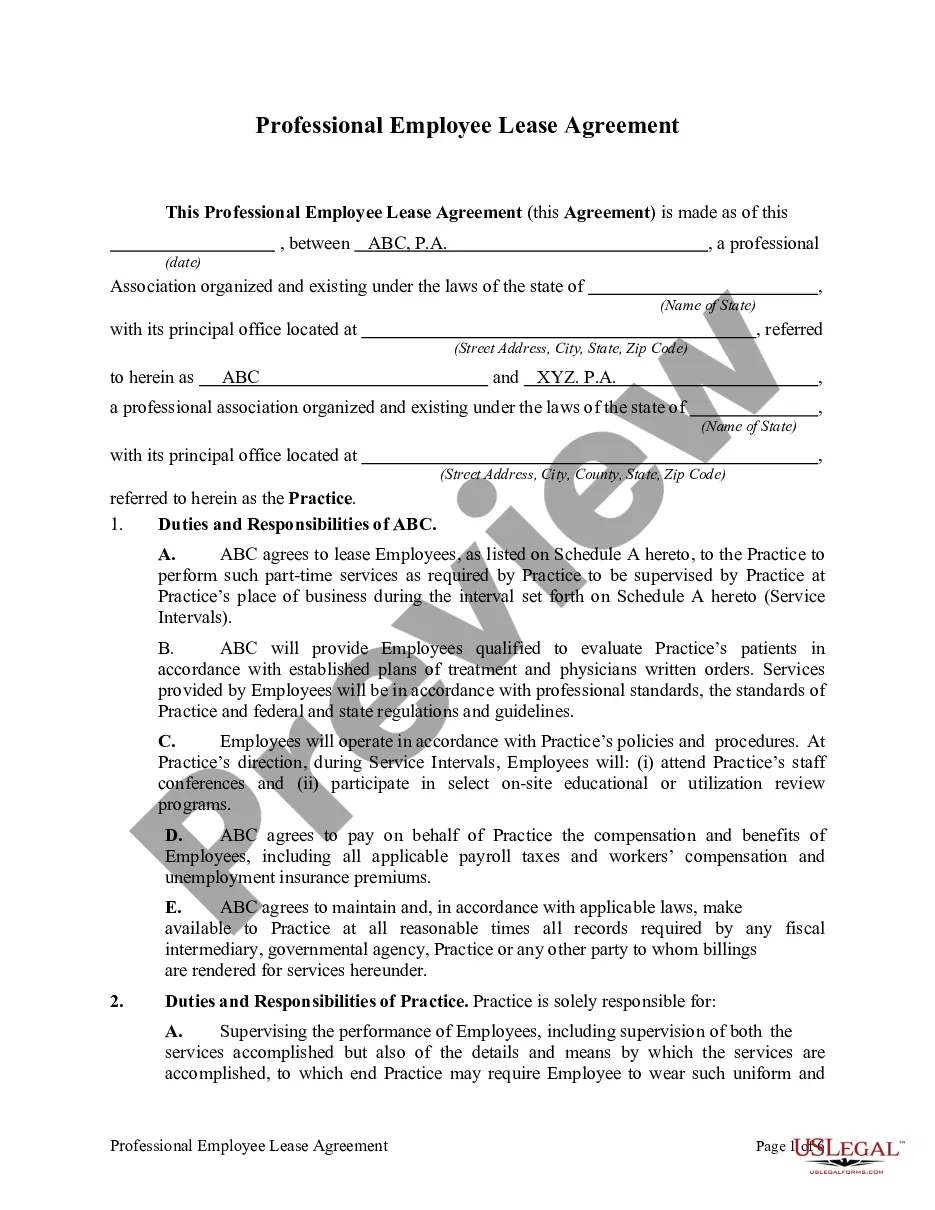
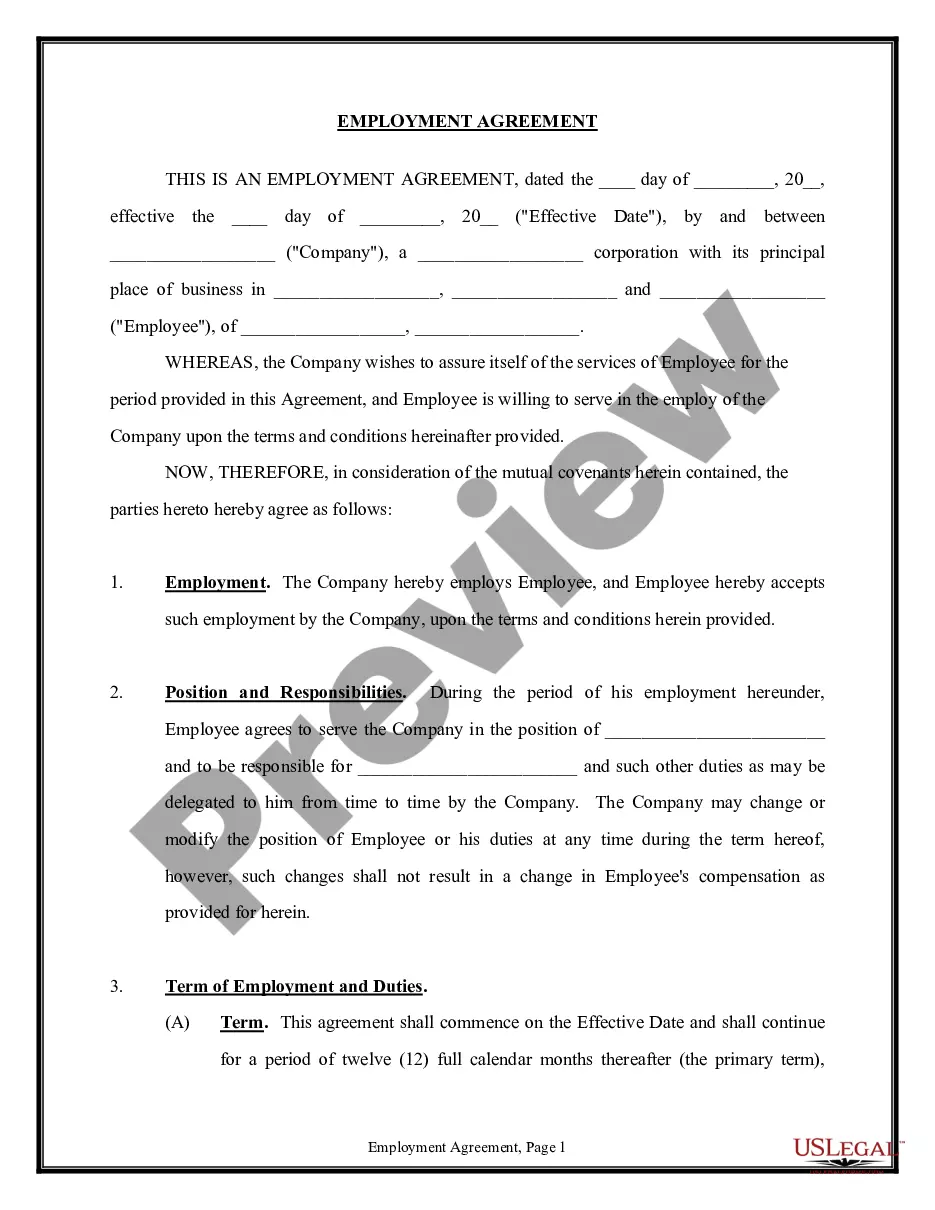
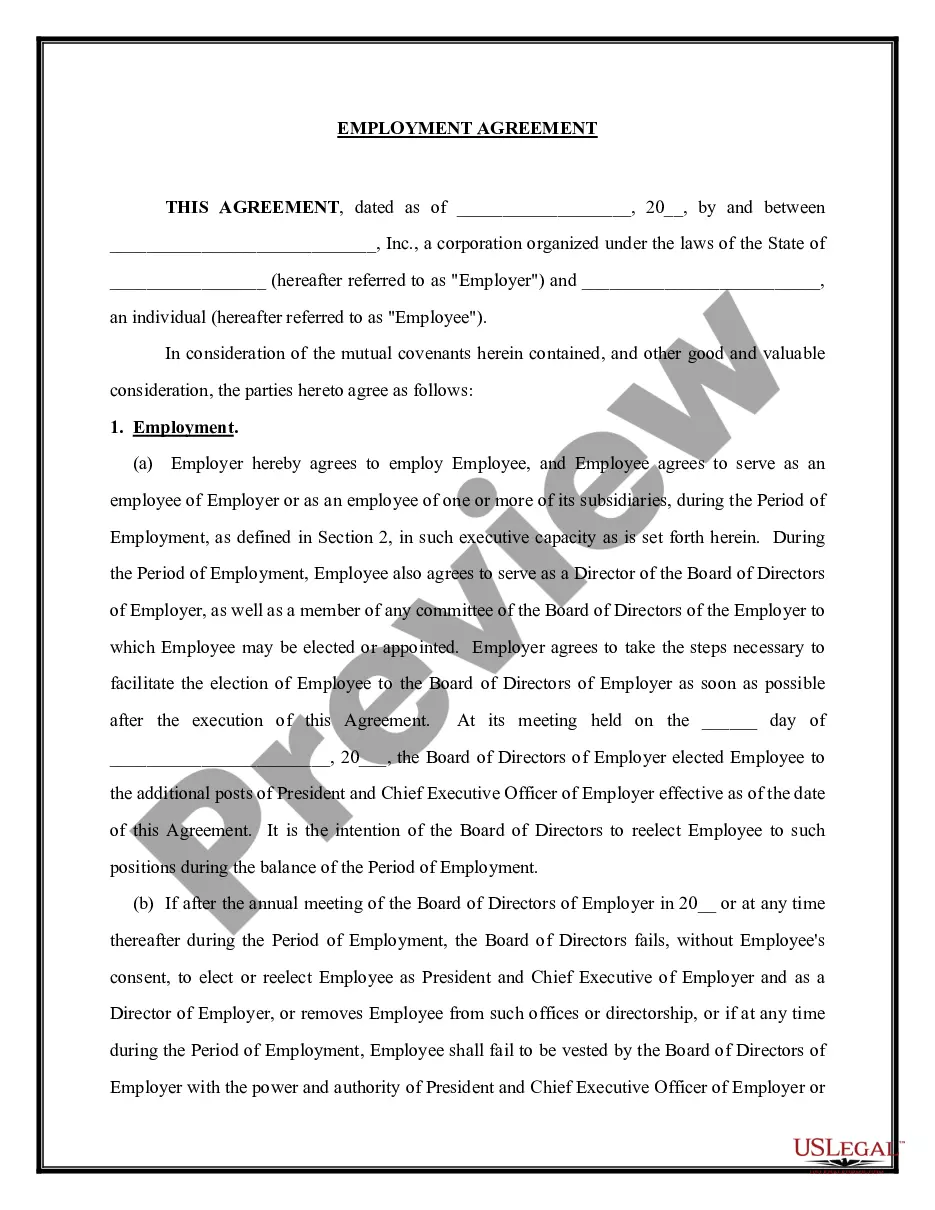
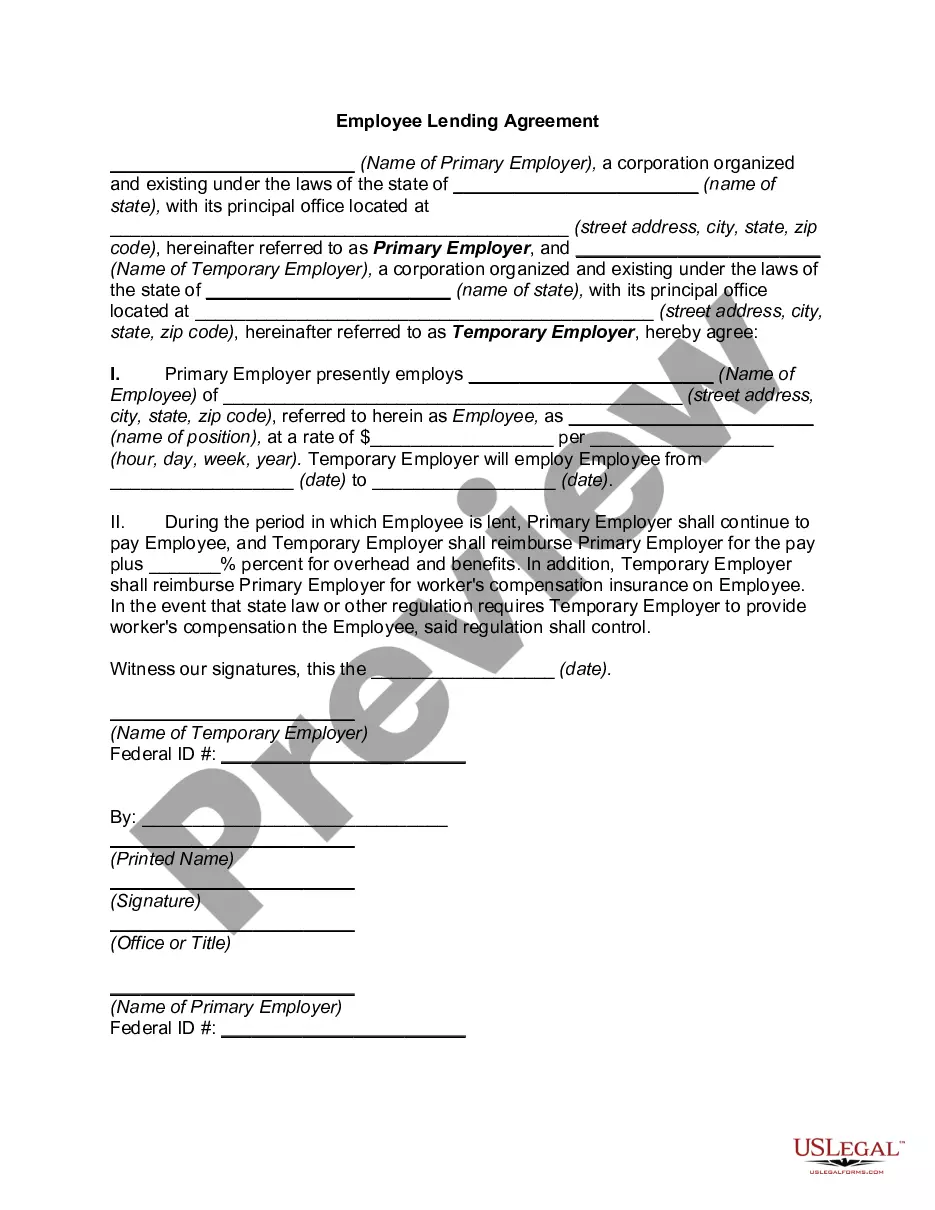
Get your form ready online
Our built-in tools help you complete, sign, share, and store your documents in one place.
Make edits, fill in missing information, and update formatting in US Legal Forms—just like you would in MS Word.
Download a copy, print it, send it by email, or mail it via USPS—whatever works best for your next step.
Sign and collect signatures with our SignNow integration. Send to multiple recipients, set reminders, and more. Go Premium to unlock E-Sign.
If this form requires notarization, complete it online through a secure video call—no need to meet a notary in person or wait for an appointment.
We protect your documents and personal data by following strict security and privacy standards.

Make edits, fill in missing information, and update formatting in US Legal Forms—just like you would in MS Word.

Download a copy, print it, send it by email, or mail it via USPS—whatever works best for your next step.

Sign and collect signatures with our SignNow integration. Send to multiple recipients, set reminders, and more. Go Premium to unlock E-Sign.

If this form requires notarization, complete it online through a secure video call—no need to meet a notary in person or wait for an appointment.

We protect your documents and personal data by following strict security and privacy standards.
Looking for another form?





Form popularity
FAQ
A sublease agreement is a legal document where a tenant (the original lessee) rents out the leased property to a third party, known as the subtenant, for a specified period. In this case, the tenant becomes the "landlord" for the subtenant, but the original lease with the property owner still stands.
Cons of Subleasing Not all subleasers are dependable; sometimes, they sublet because they can't make ends meet, which can be an issue. Although the original tenant is financially responsible, that doesn't remove all risk for landlords.
The reason Landlords will not allow their tenants to sublet is because, by subletting you are altering the terms of the insurance policy the insurer accepted when they offered the landlord an insurance premium for coverage.
Commercial tenants should speak with an attorney to draft a sublease agreement due to the high value of the property. A residential tenant can draft a sublease for all involved parties to agree to and sign.
Landlords can sign a Consent to Sublease form to give tenants official permission to sublease their rental unit. When subleasing, a tenant transfers some of their rights under a lease to a third party. In most cases, a tenant must have their landlord's approval before entering into a sublease agreement.
Landlords restrict subletting because they want control of who's in their properties. You wanna sublet so you can get out of a lease, so your standards are somewhat reduced. You might not care about security of the place, you might not care about the subletters background, he has a lease with you not the landlord.
Like any other tenant, subtenants must be evicted properly through the courts, or a master tenant or landlord could face severe legal consequences. Generally, a master tenant, landlord or property manager may evict a subletter for the same reasons as they would a tenant.
A potentially devastating detriment to a sublease is its subject to the original tenant not defaulting. You could be compliant with your sublease and receive notice your lease is terminated because the original tenant defaulted. You could be subject to the landlord's new terms or be forced to vacate.
Subleasing is when you rent out your leased apartment to someone else for a determined period of time. While you're still responsible for the lease, the new person (your subtenant) pays rent to you. There are many ways a sublease can benefit both parties, but overall, it has to do with flexibility.
