Employee Lease Addendum For Rent Increase In Texas
Description

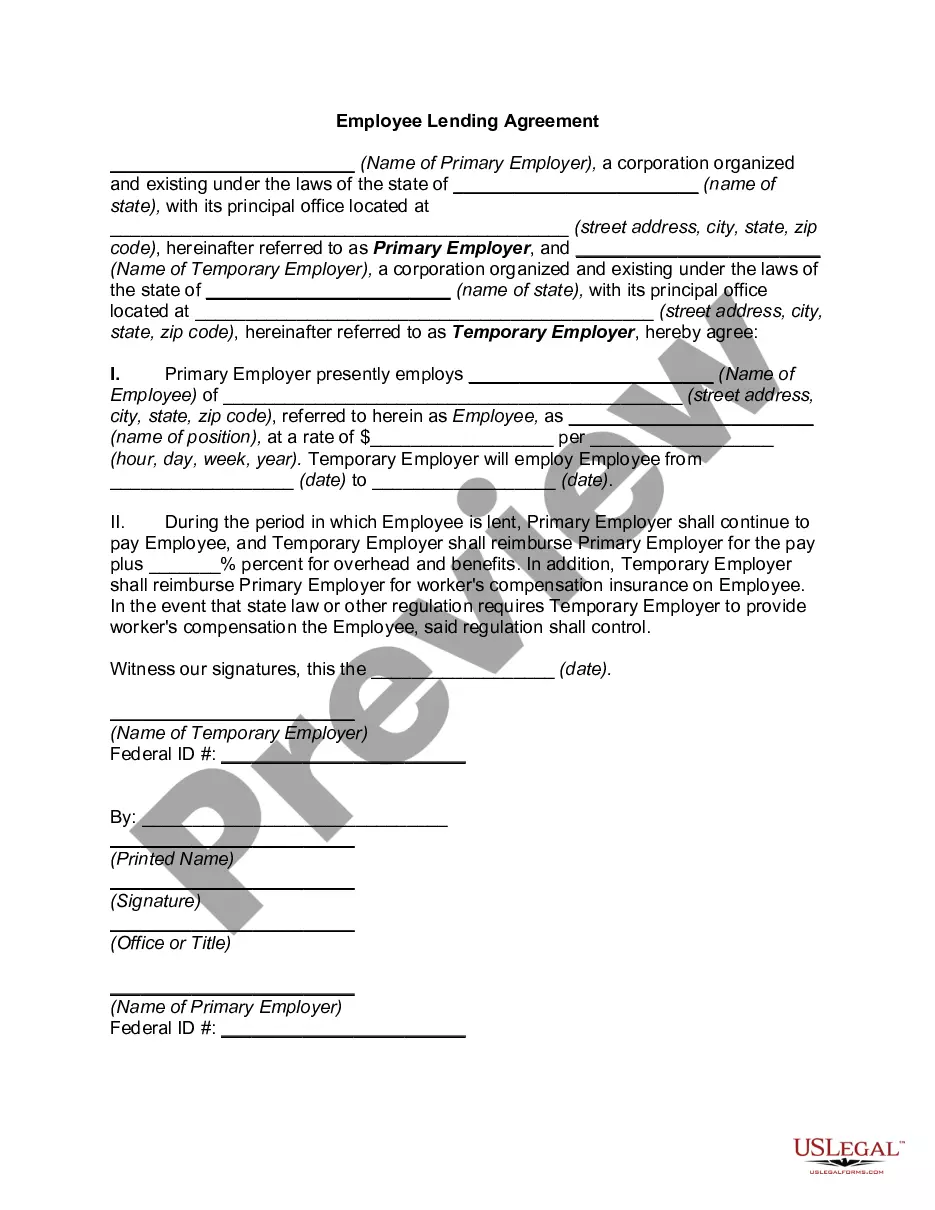
Get your form ready online
Our built-in tools help you complete, sign, share, and store your documents in one place.
Make edits, fill in missing information, and update formatting in US Legal Forms—just like you would in MS Word.
Download a copy, print it, send it by email, or mail it via USPS—whatever works best for your next step.
Sign and collect signatures with our SignNow integration. Send to multiple recipients, set reminders, and more. Go Premium to unlock E-Sign.
If this form requires notarization, complete it online through a secure video call—no need to meet a notary in person or wait for an appointment.
We protect your documents and personal data by following strict security and privacy standards.

Make edits, fill in missing information, and update formatting in US Legal Forms—just like you would in MS Word.

Download a copy, print it, send it by email, or mail it via USPS—whatever works best for your next step.

Sign and collect signatures with our SignNow integration. Send to multiple recipients, set reminders, and more. Go Premium to unlock E-Sign.

If this form requires notarization, complete it online through a secure video call—no need to meet a notary in person or wait for an appointment.

We protect your documents and personal data by following strict security and privacy standards.
Looking for another form?





Form popularity
FAQ
Texas is unique in that landlords do not need to provide notice before raising the rent. However, it is typical in the state to give at least 30 days before increasing the rental rate on month-to-month or yearly leases.
Lease modifications are permitted by Texas State Law before signing it, as the landlord agrees to making changes. It is recommended for changes to be written out in ink on the lease agreement with initials by the tenant and the landlord. Thereafter, the tenant must get a copy of the final lease before leaving.
How to add a new tenant to an existing lease Get it in writing. Changes to existing lease agreements should be documented in writing. Verify the property's occupancy limit. Ask for a completed rental application. Approve or deny the rental application based on established criteria. Review lease details with all tenants.
To increase the rent, all you would need to do is provide your renter 30 days' notice in writing.
Ask why they're putting the rent up. Implore them not to. List all of the reasons why you've been a great tenant, explain how much you love living in the flat, that you're in it for the long haul. If they won't agree to keep your rent the same, try to negotiate a less substantial increase.
What to include in a rent increase letter Date of the rent increase letter. Name and information of the tenant and landlord. Property address and unit number (if applicable). Reference to the expiration date of the existing lease. Current rent amount. Amount of rent increase. Date the rent increase will go into effect.
Rent Increases There is not a statewide law that places limits on how much a landlord can increase the rent when a lease is renewed. In fact, Texas law only allows cities to establish local rent control ordinances in certain cases.
Under Texas law, it is illegal for a landlord to retaliate against you for complaining in good faith about necessary repairs for a period of six months from the date you made such a complaint.
What is prohibited? Under this law, a landlord may not retaliate by: filing eviction proceedings (unless in certain circumstances listed in Section 92.332, like when a tenant is behind in rent, has intentionally damaged the property, or remains in the property after their lease has ended);
