Employee Leasing Agreements In Tarrant
Description

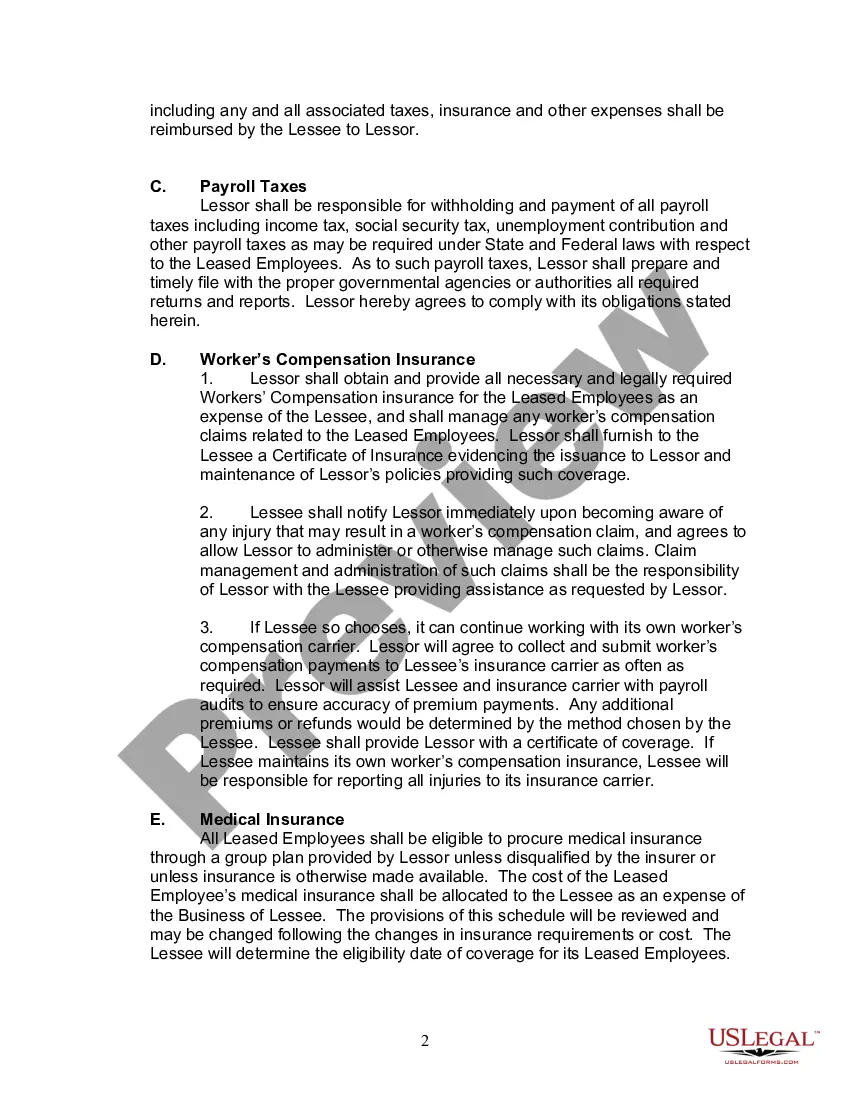
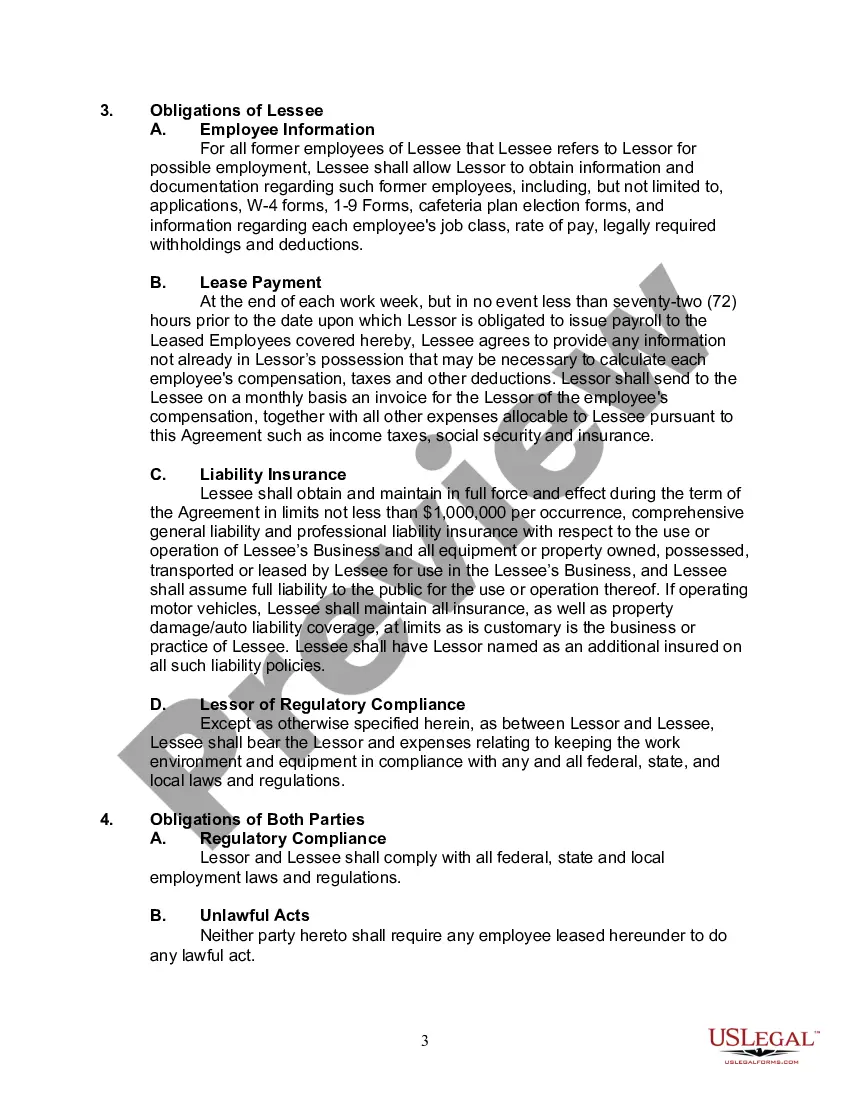
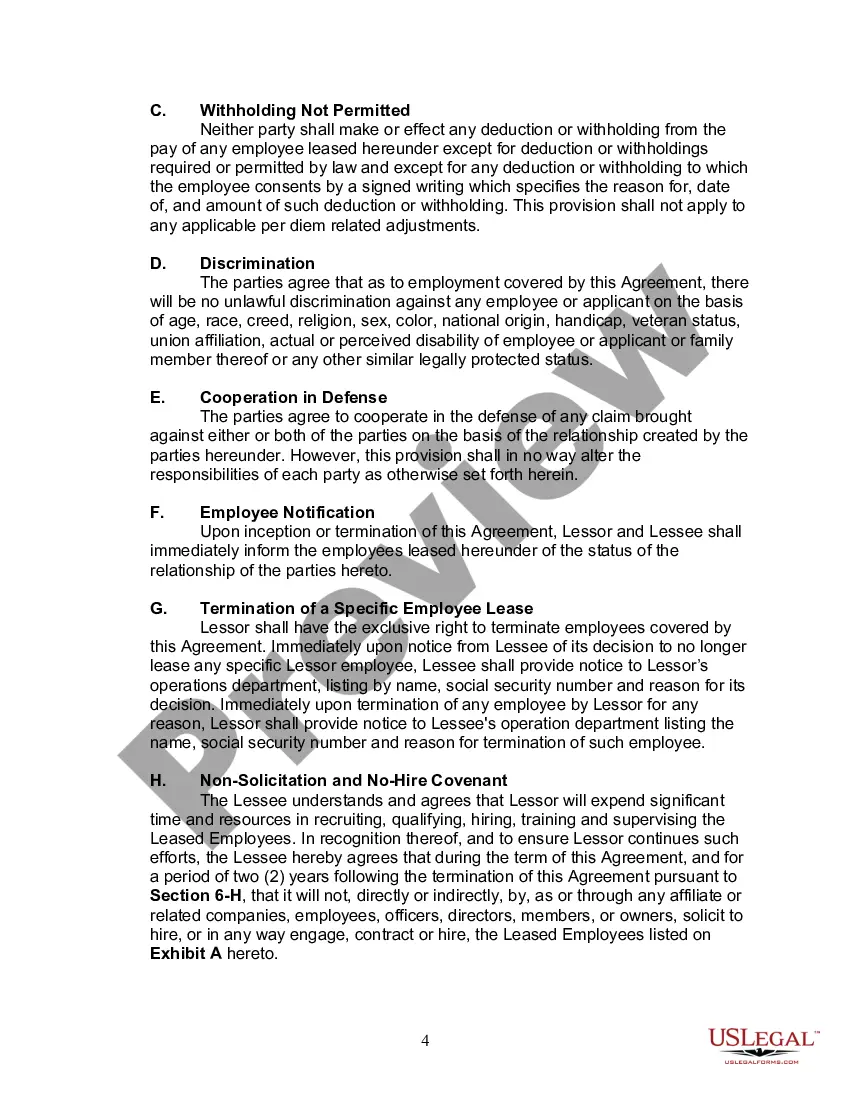
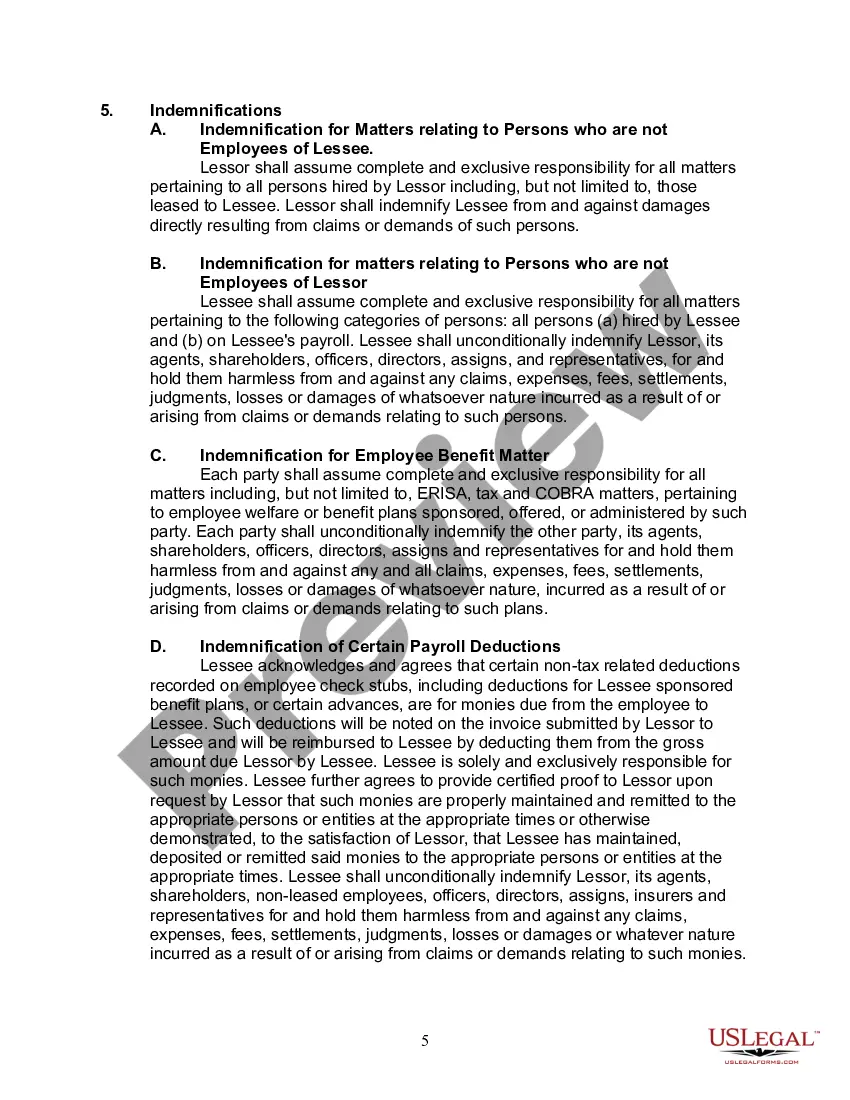
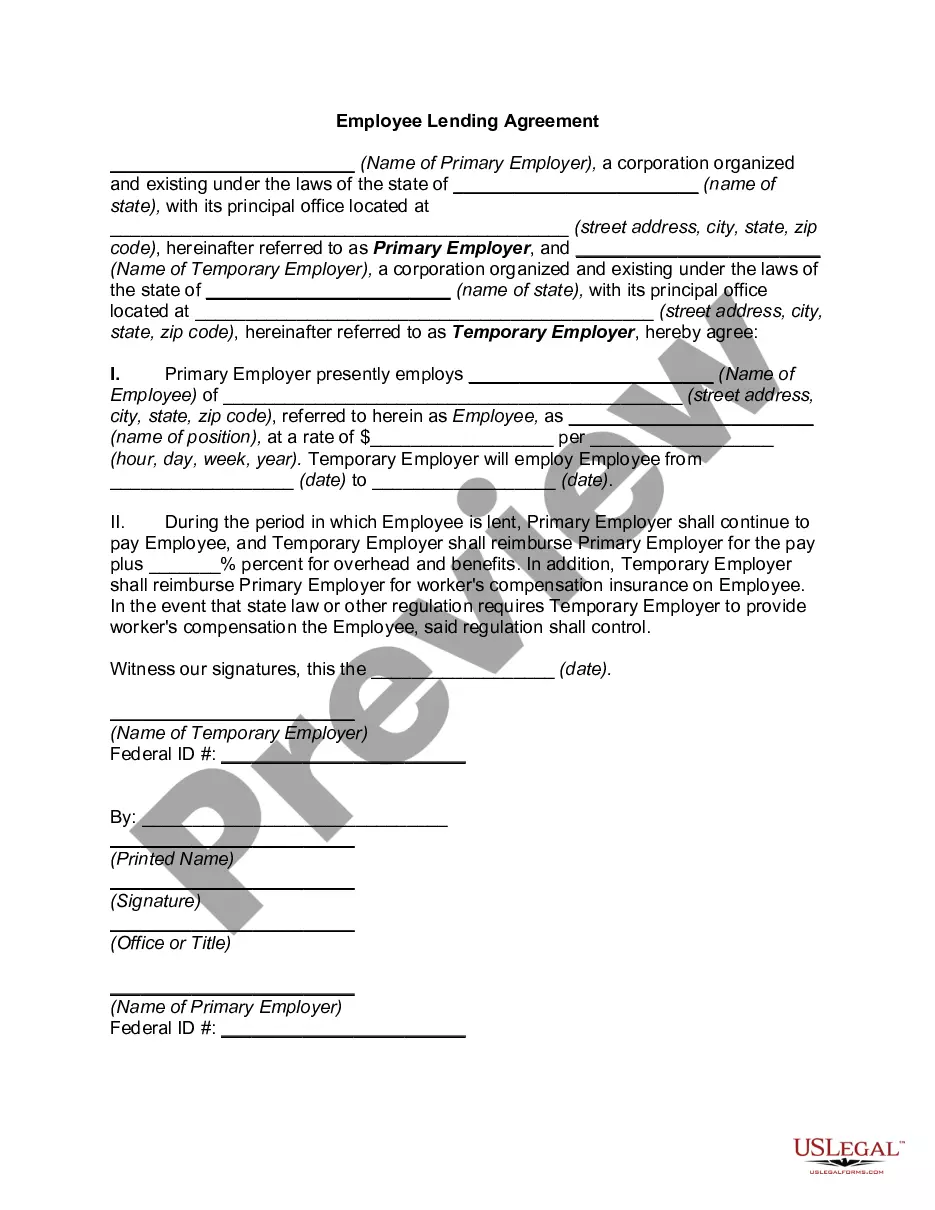
Get your form ready online
Our built-in tools help you complete, sign, share, and store your documents in one place.
Make edits, fill in missing information, and update formatting in US Legal Forms—just like you would in MS Word.
Download a copy, print it, send it by email, or mail it via USPS—whatever works best for your next step.
Sign and collect signatures with our SignNow integration. Send to multiple recipients, set reminders, and more. Go Premium to unlock E-Sign.
If this form requires notarization, complete it online through a secure video call—no need to meet a notary in person or wait for an appointment.
We protect your documents and personal data by following strict security and privacy standards.

Make edits, fill in missing information, and update formatting in US Legal Forms—just like you would in MS Word.

Download a copy, print it, send it by email, or mail it via USPS—whatever works best for your next step.

Sign and collect signatures with our SignNow integration. Send to multiple recipients, set reminders, and more. Go Premium to unlock E-Sign.

If this form requires notarization, complete it online through a secure video call—no need to meet a notary in person or wait for an appointment.

We protect your documents and personal data by following strict security and privacy standards.
Looking for another form?










Form popularity
FAQ
Outsourcing – Any function or task performed by a non-company employee. It is what GCS typically does. Insourcing – Choosing to do the work with company employees. Typically work that would have been outsourced.
The bottom line: Full-time hires are best for long-term, core roles; contract workers are perfect for short-term, specialized projects; and outsourcing helps you offload repetitive tasks that you don't need to handle internally.
What is the difference between employee leasing and outsourcing? Employee leasing is the procurement of employees for a project in your company. HR Outsourcing involves, in addition to employee leasing, hiring for permanent roles as well.
Employee leasing and PEO are two terms that are often used interchangeably, but there are some differences between them: PEO is typically a long-term solution for businesses; employee leasing is usually a short-term solution. In PEO arrangements, the staff is employed by the client firm directly.
Employee leasing is an arrangement between a business and a staffing firm, who supplies workers on a project-specific or temporary basis. These employees work for the client business, but the leasing agency pays their salaries and handles all of the HR administration associated with their employment.
Examples of work provided by Employee Leasing Companies are Payroll Services, Insurance, Tax Services, and various Personnel Services.
This form of Housing Assistance Payments Contract (HAP contract) is used to provide Section 8 tenant-based assistance under the housing choice voucher program (voucher program) of the U.S. Department of Housing and Urban Development (HUD).
Introduction. A lease refers to a contract where one party grants a right to use a property or land to another party in return for consideration and for a specific period of time. Both the parties enter into a lease agreement specifying the terms and conditions of the agreement.
