Staff Rental Agreement With Parents In Riverside
Description

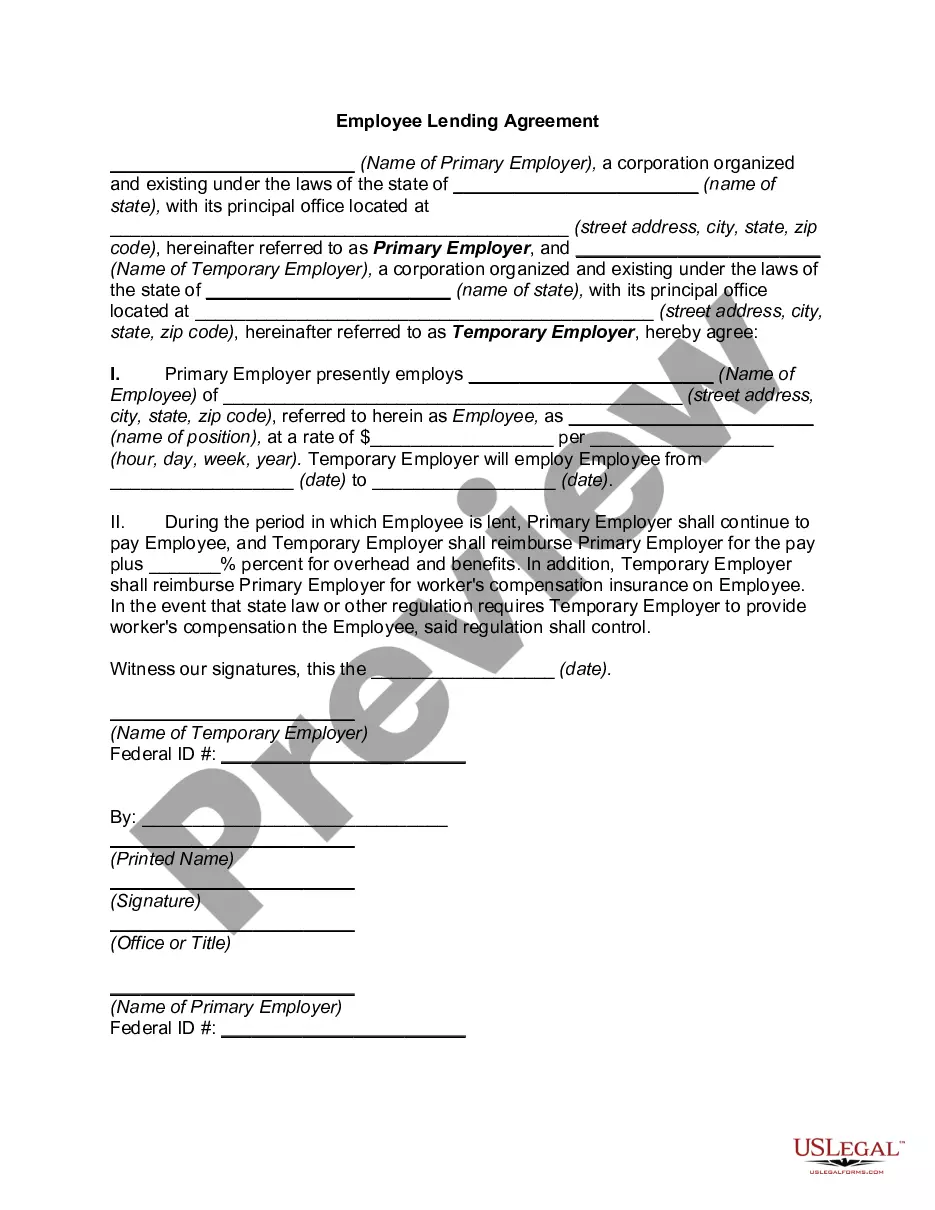
Get your form ready online
Our built-in tools help you complete, sign, share, and store your documents in one place.
Make edits, fill in missing information, and update formatting in US Legal Forms—just like you would in MS Word.
Download a copy, print it, send it by email, or mail it via USPS—whatever works best for your next step.
Sign and collect signatures with our SignNow integration. Send to multiple recipients, set reminders, and more. Go Premium to unlock E-Sign.
If this form requires notarization, complete it online through a secure video call—no need to meet a notary in person or wait for an appointment.
We protect your documents and personal data by following strict security and privacy standards.

Make edits, fill in missing information, and update formatting in US Legal Forms—just like you would in MS Word.

Download a copy, print it, send it by email, or mail it via USPS—whatever works best for your next step.

Sign and collect signatures with our SignNow integration. Send to multiple recipients, set reminders, and more. Go Premium to unlock E-Sign.

If this form requires notarization, complete it online through a secure video call—no need to meet a notary in person or wait for an appointment.

We protect your documents and personal data by following strict security and privacy standards.
Looking for another form?
Form popularity
FAQ
Best practices of renting to friends and family Have them sign a lease like you would with any other tenant. Keep the landlord-tenant relationship separate from your personal relationship. Treat overdue payments or breaches of contract like you would any tenant. Consider why they would be renting your property.
Here's a list of standard fields that you should include in your lease agreement: Tenant information. Include each tenant's full name and contact information. Rental property description. Security deposit. Monthly rent amount. Utilities. Lease term. Policies. Late fees.
How to write a roommate agreement Names of both tenants. The property address. The dates the lease begins and ends. The amount of rent each person pays. Who pays for utilities. Who pays the security deposit. Which bedroom each person occupies. Who buys food, or if you're each buying your own food.
Legally, it would be no different than renting from anyone else. The most important factor to consider is your relationship with your parents, which you know better than anyone here. Probably not a good idea to rent from them if your relationship is poor, as it has the potential to make things much worse.
Thus, you would have to report all of the rent you receive in income, but none of your expenses for the home would be deductible. (Actually, you would still be able to deduct the mortgage interest, assuming it otherwise qualifies as deductible, and property taxes. These items are deductible even for non-rental homes.)
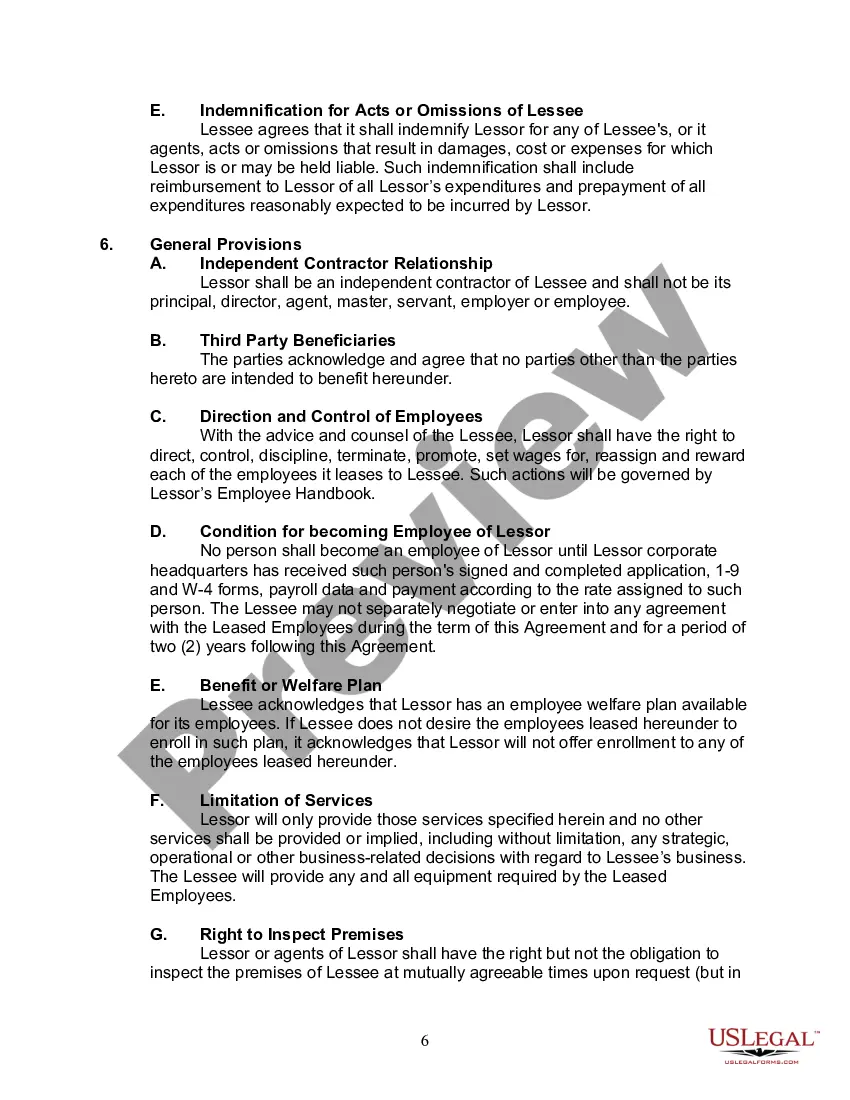
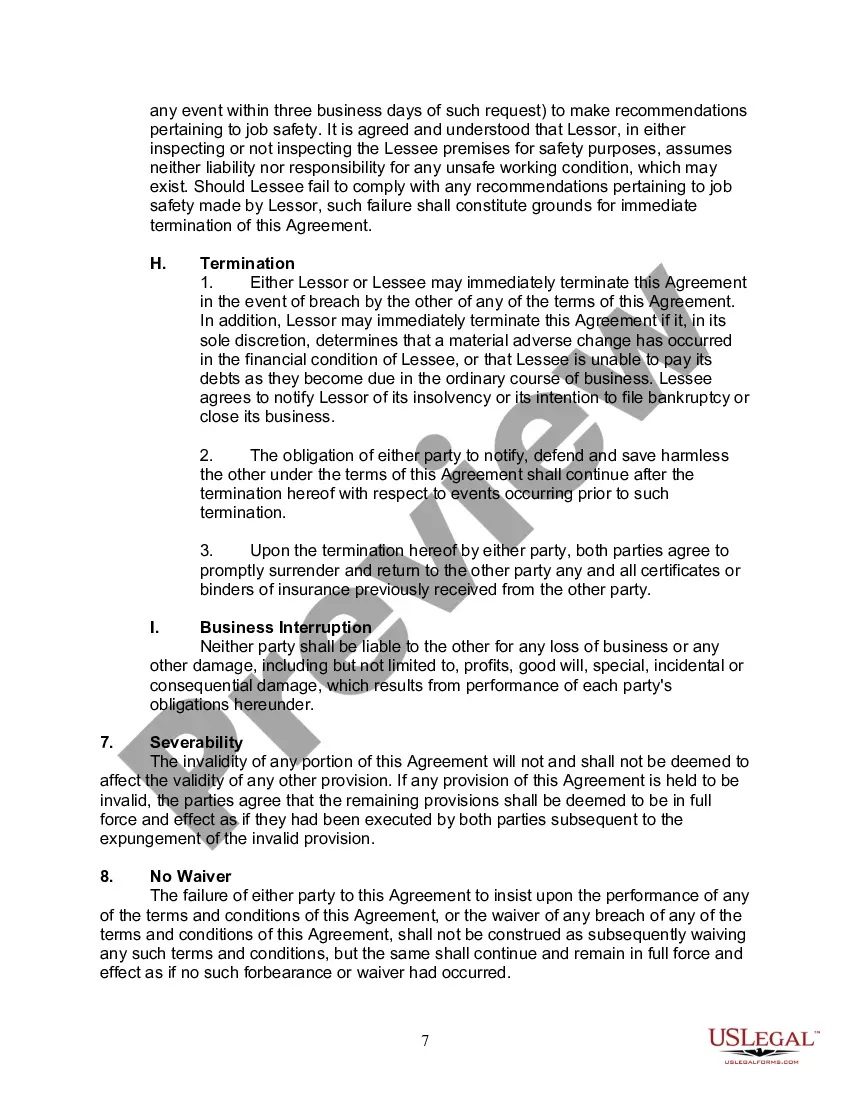
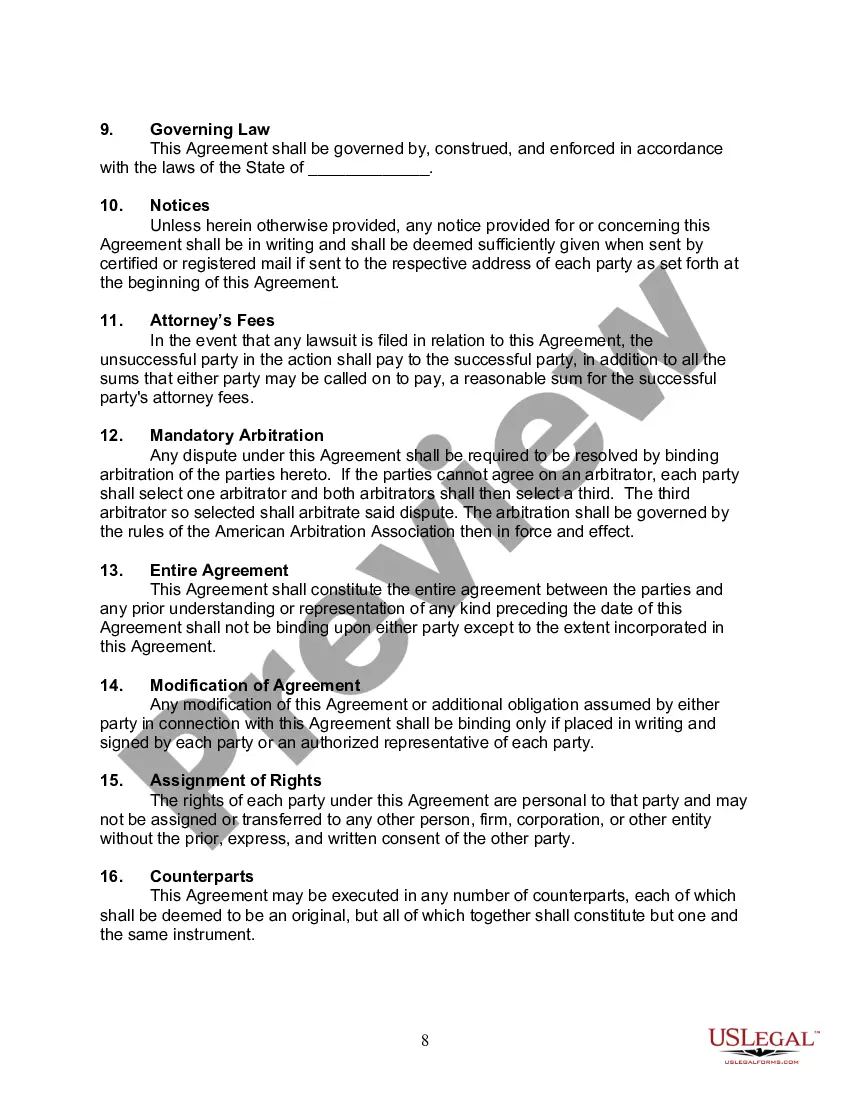
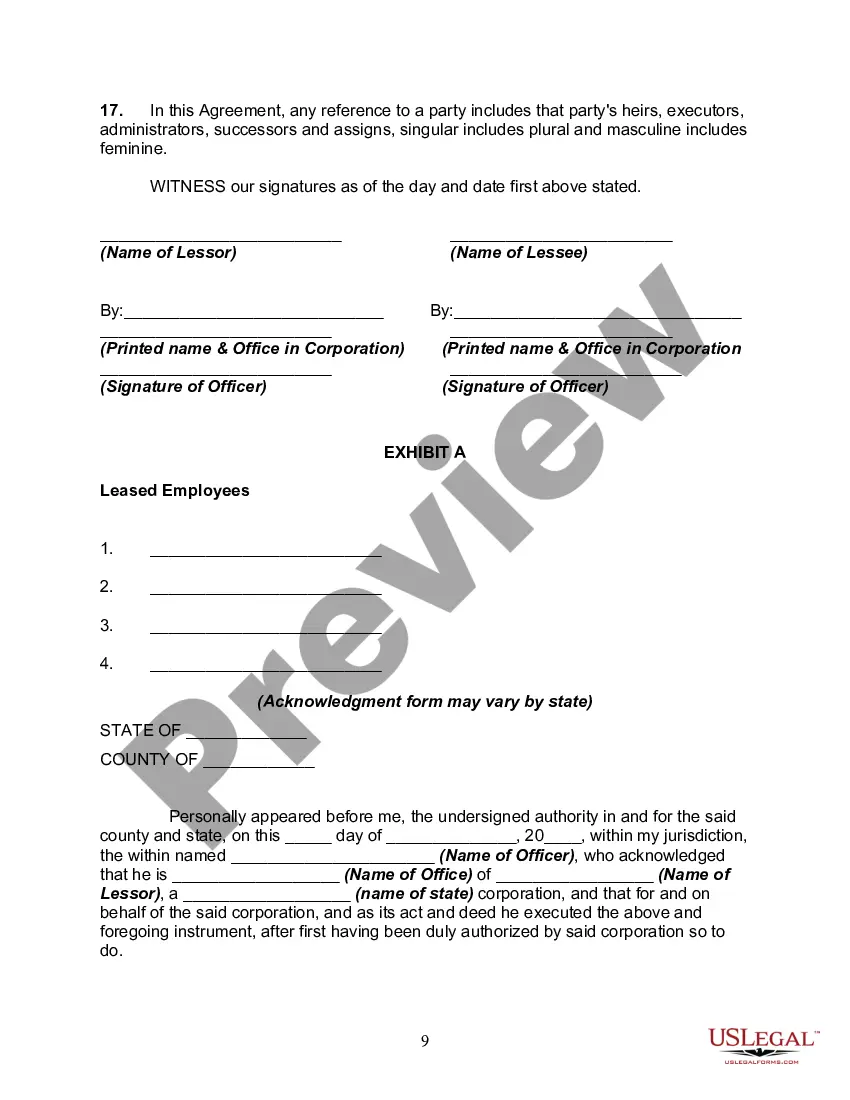
A legally binding agreement with your roommate, which is carefully drawn out to eliminate problems in the future, is signed between the tenants and has nothing to do with the property owner. An agreement should include your basic details. For example, your name, permanent address, and workplace details.
Yes. You can. But be aware of the tax implications if you go this route.
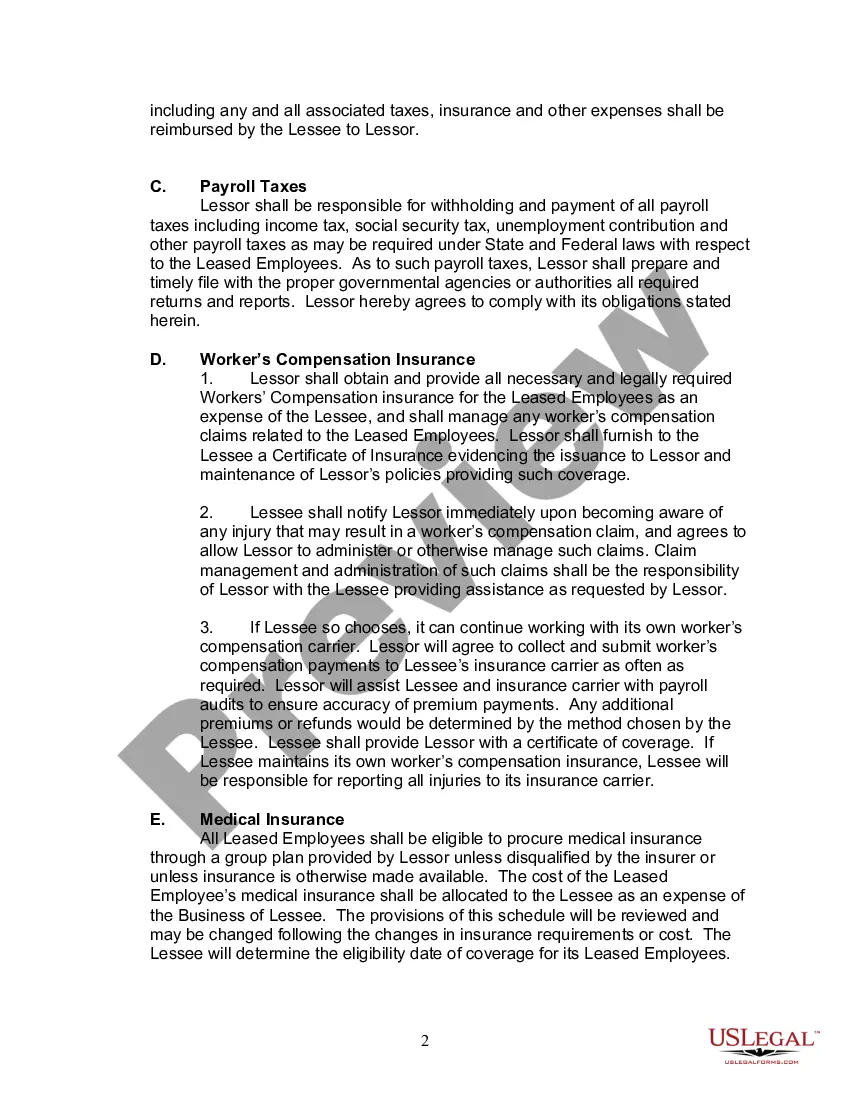
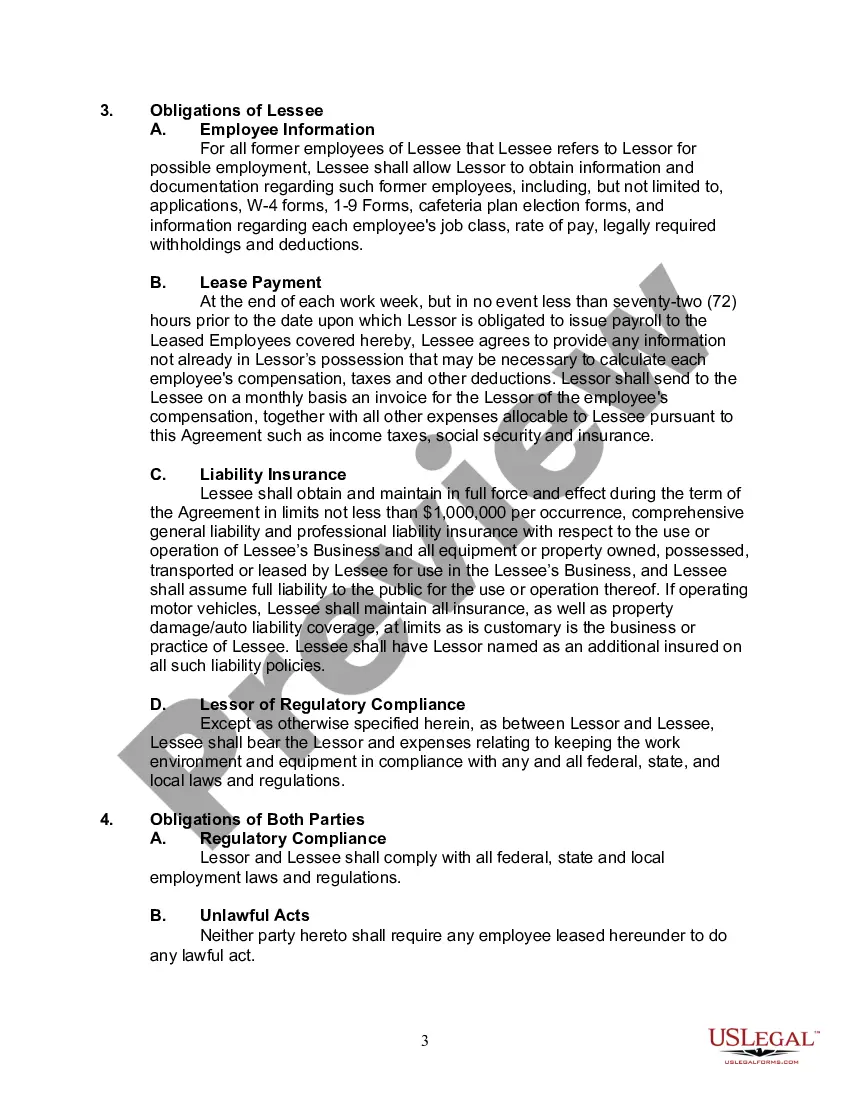
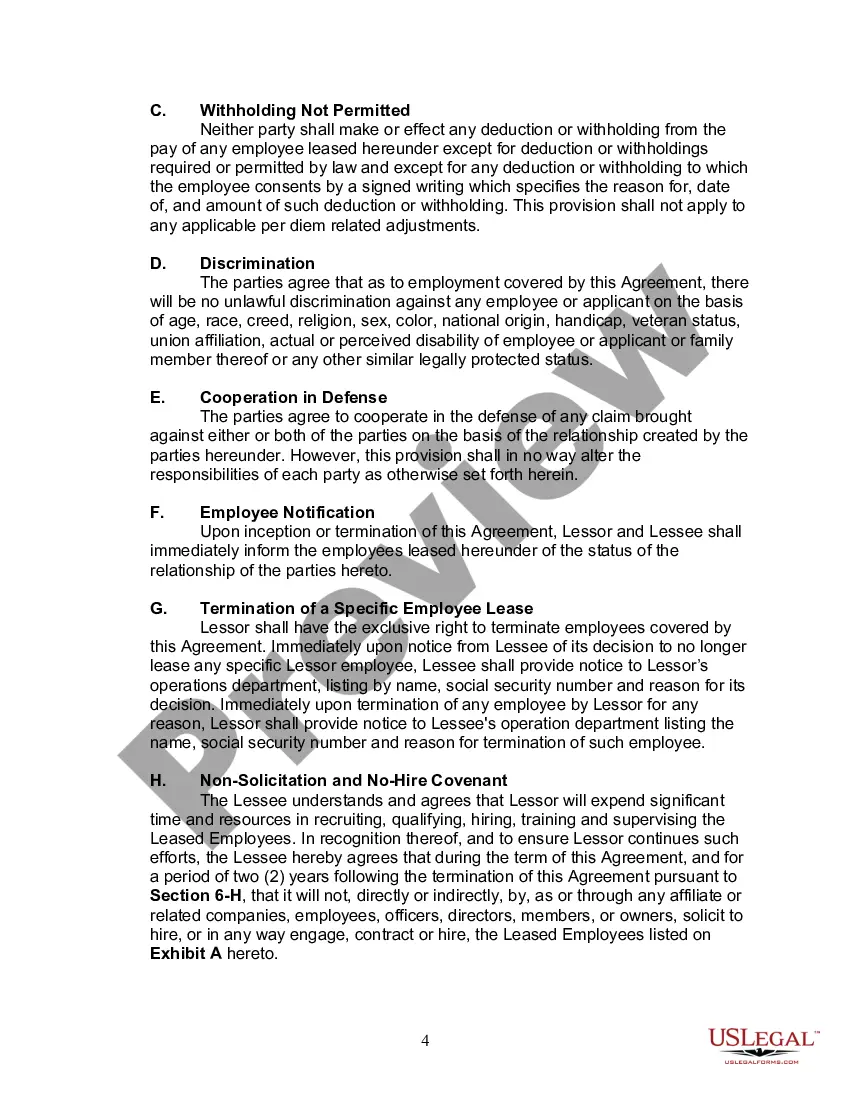
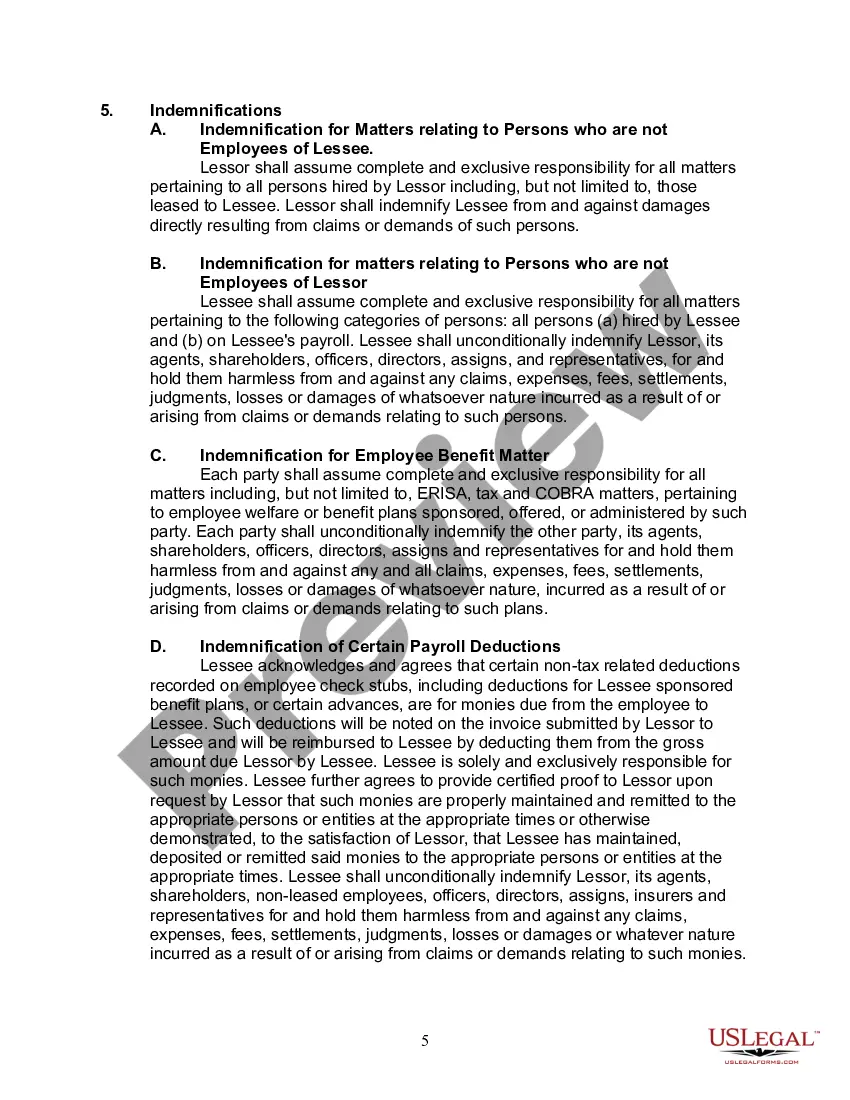
Once you've written out all the terms of your contract you can put it into a contract form by either using an online template or contacting a real estate attorney to help you draft the contract. A real estate attorney is the safe choice to make sure your contract follows local laws and will be legally binding.
