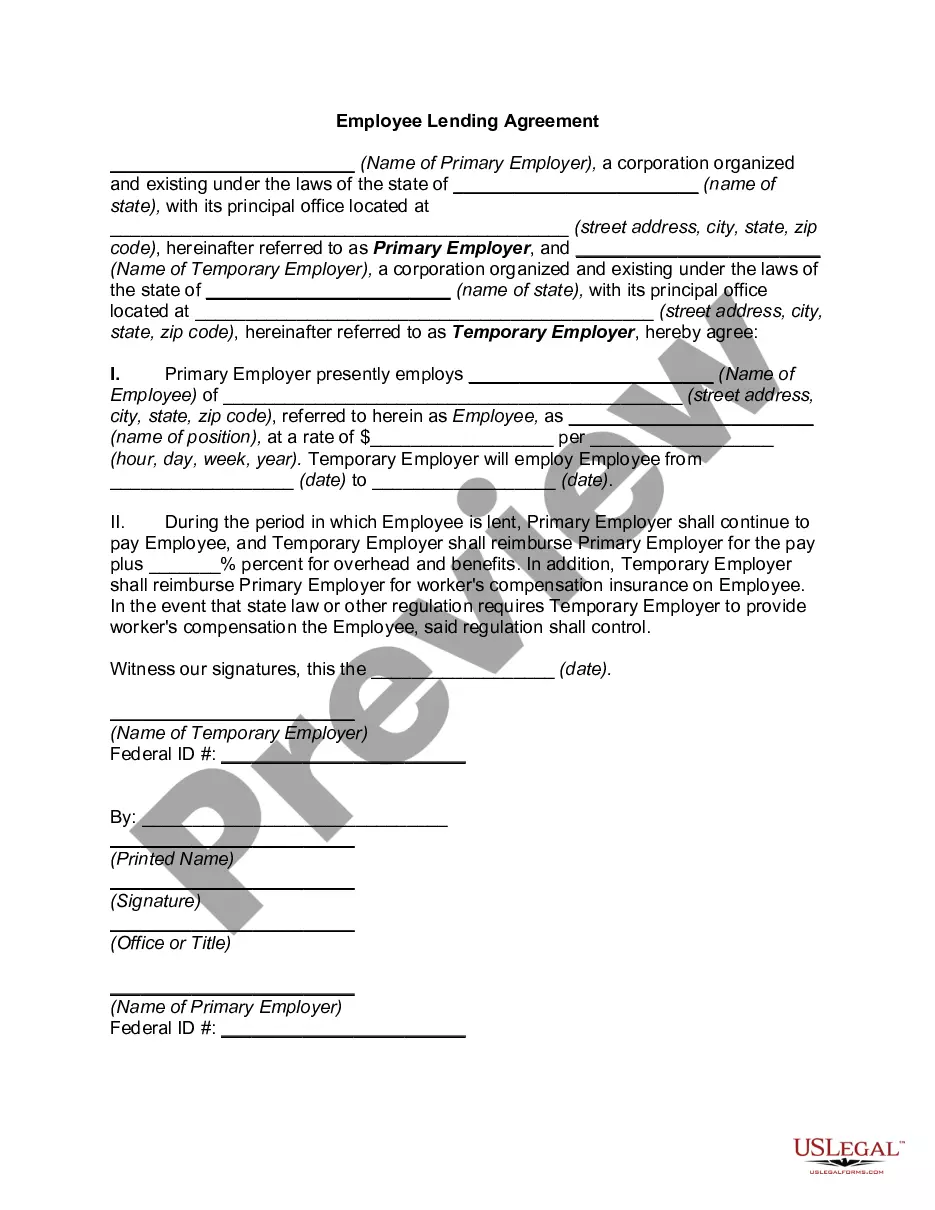
Employee Leasing Agreement Template Format In Riverside
Description

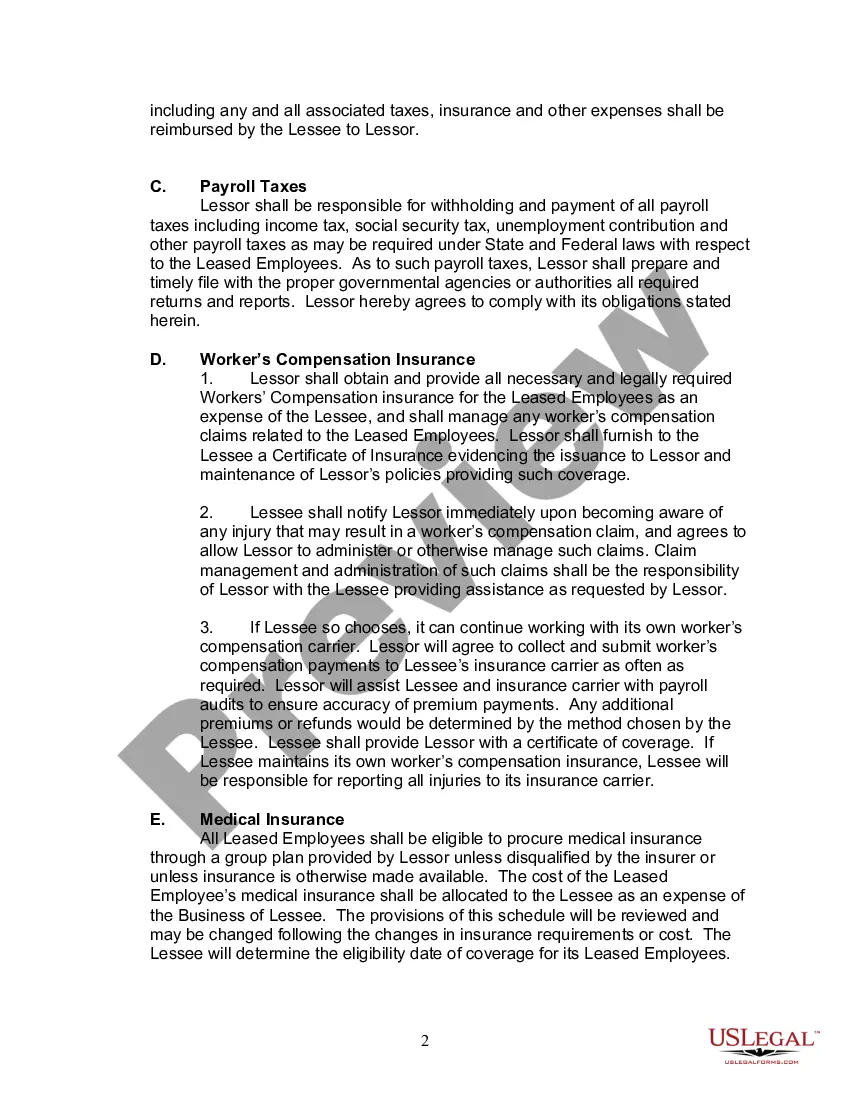
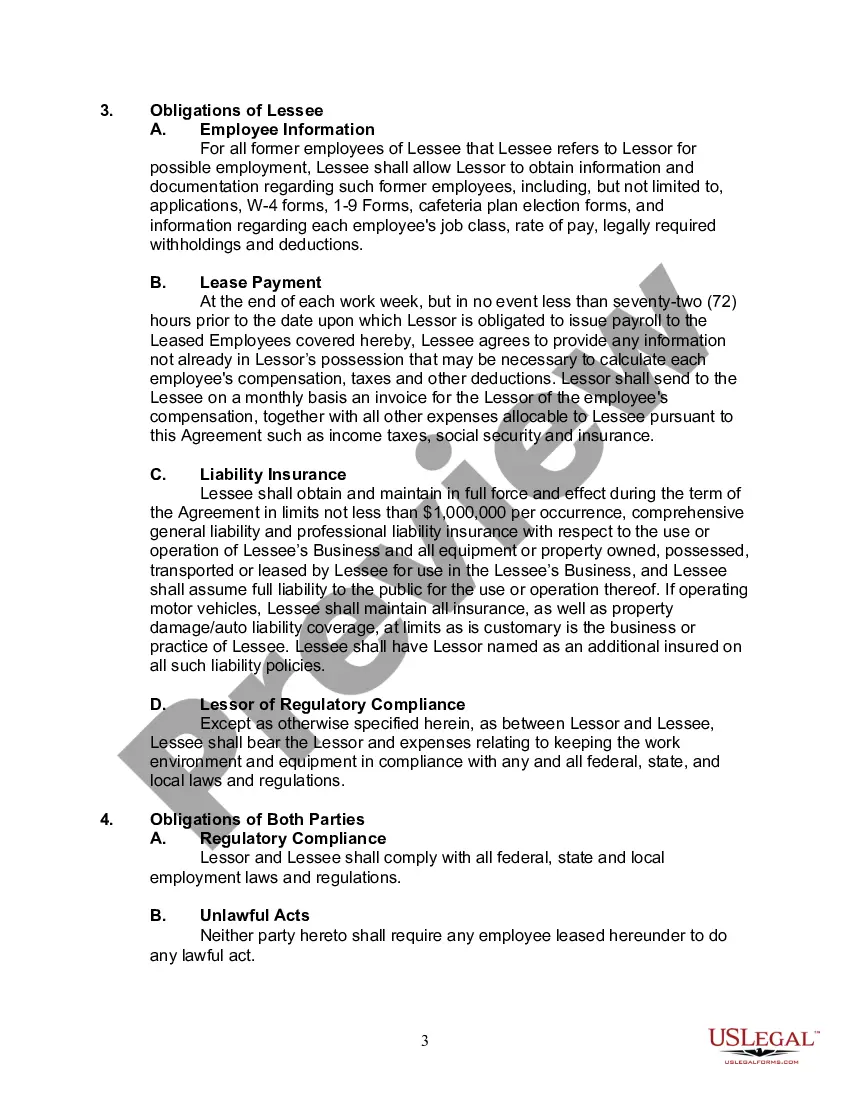
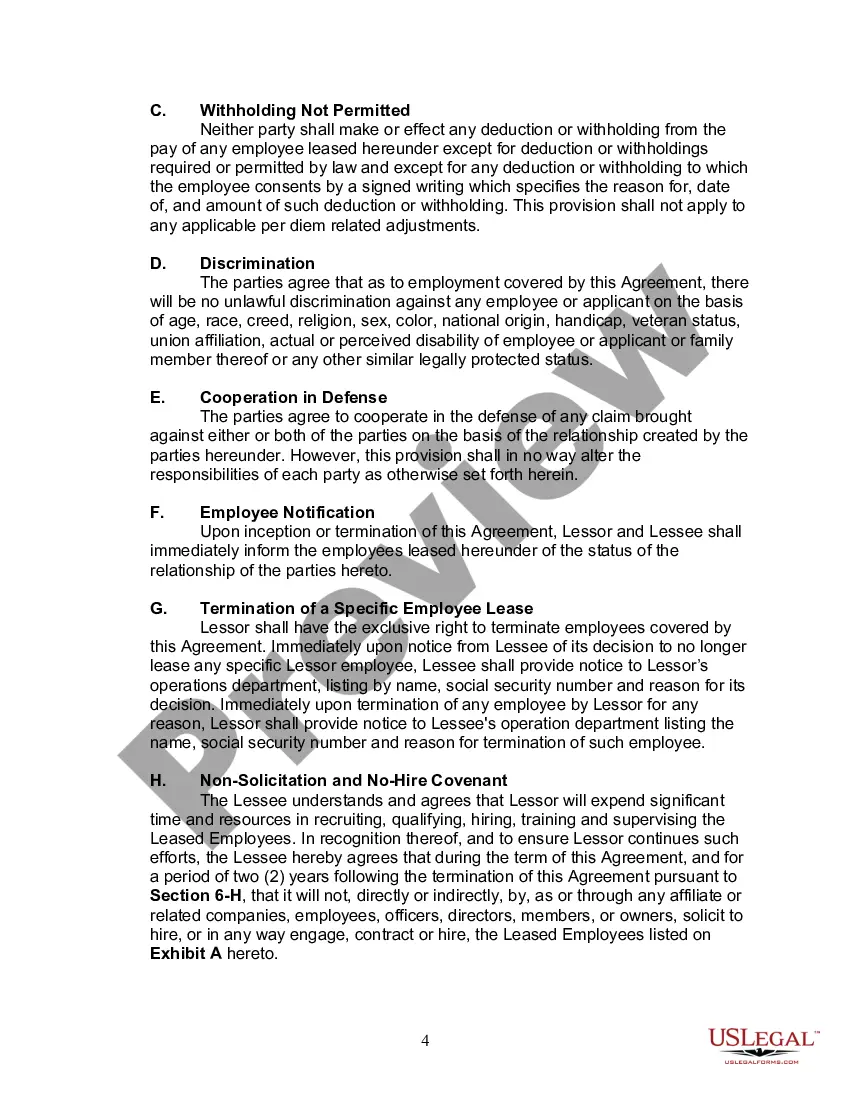
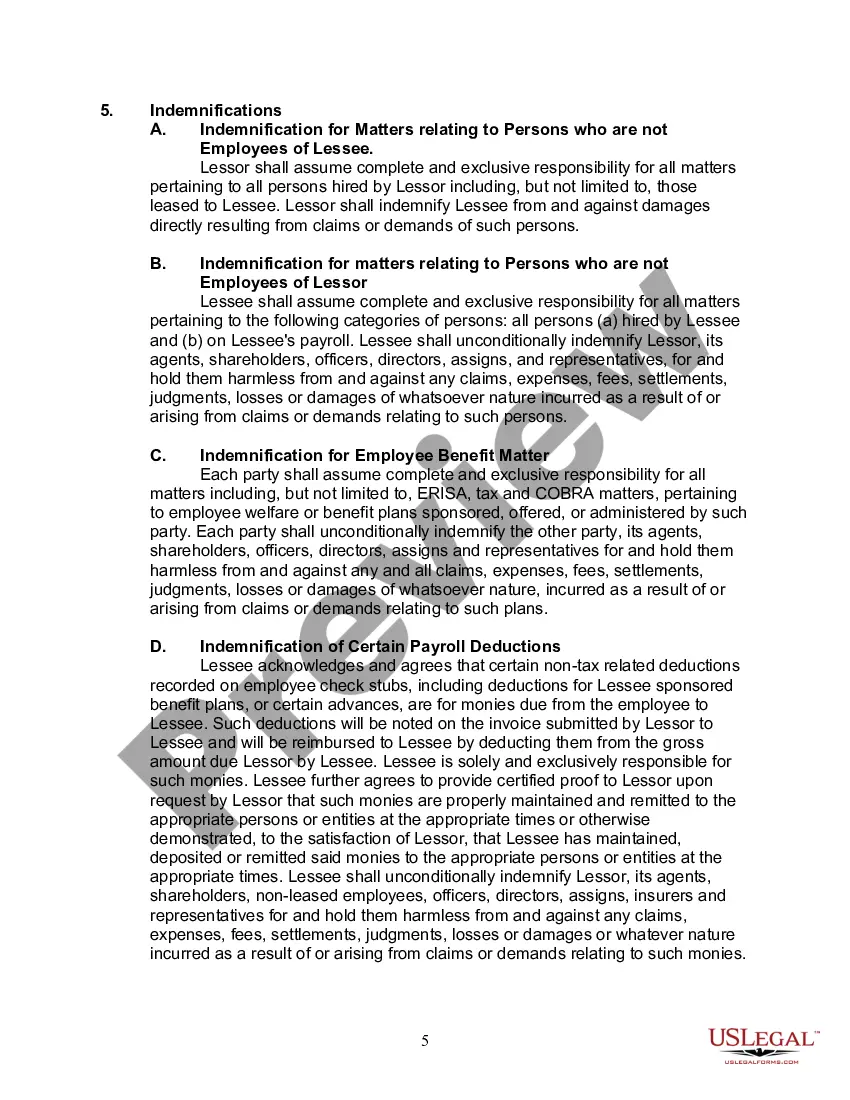
Get your form ready online
Our built-in tools help you complete, sign, share, and store your documents in one place.
Make edits, fill in missing information, and update formatting in US Legal Forms—just like you would in MS Word.
Download a copy, print it, send it by email, or mail it via USPS—whatever works best for your next step.
Sign and collect signatures with our SignNow integration. Send to multiple recipients, set reminders, and more. Go Premium to unlock E-Sign.
If this form requires notarization, complete it online through a secure video call—no need to meet a notary in person or wait for an appointment.
We protect your documents and personal data by following strict security and privacy standards.

Make edits, fill in missing information, and update formatting in US Legal Forms—just like you would in MS Word.

Download a copy, print it, send it by email, or mail it via USPS—whatever works best for your next step.

Sign and collect signatures with our SignNow integration. Send to multiple recipients, set reminders, and more. Go Premium to unlock E-Sign.

If this form requires notarization, complete it online through a secure video call—no need to meet a notary in person or wait for an appointment.

We protect your documents and personal data by following strict security and privacy standards.
Looking for another form?






Form popularity
FAQ
How to write a California lease agreement Identify the parties involved. Clearly state the names and contact information of both the landlord and the prospective tenant. Define the rental property. Specify the lease term. Outline rent and payment terms. Include important provisions. Comply with legal requirements.
Click on the “Pages” icon. Choose from the list of templates that you want to use in order to make your contract.
The standard lease agreement in California, whether for residential or commercial property, is a legal contract between the property owner and the prospective tenant. It outlines the terms under which the tenant can occupy and use the rental property.
Start by downloading the Commercial Lease Agreement Template from Microsoft Word or any other platform you prefer. This template is designed to help you create a comprehensive and legally binding lease agreement for your commercial property.
A typical residential lease agreement is 2-10 pages long, whereas commercial lease agreements are much longer, often spanning 20-50 pages or more. However, it is essential to note that the lease length does not always indicate its quality or comprehensiveness.
The Commercial Lease Agreement Template for Google Docs, ClickUp, & More offers numerous benefits, such as: Simplifying the process of creating legally binding lease agreements. Providing a clear outline of terms and conditions for both parties. Ensuring clarity on rental payments and maintenance responsibilities.
Rent increase caps: Landlords can only raise rent by a maximum of 5% plus the local CPI or 10%, whichever is lower, in a 12-month period. Proper notice: Landlords must provide a 30-day written notice for rent increases of 10% or less and a 60-day notice for increases above 10%.
Here are 16 steps on how to make a lease agreement: Include the contact information of both parties. Include property details. Outline property utilities and services. Define the lease term. Disclose the monthly rent amount and due date. Detail the penalties and late fees. Describe any additional or services fees.
A landlord must provide at least 30 days' prior notice to terminate a month-to-month tenancy without fault if the qualified commercial tenant has occupied the premises for less than one year.
