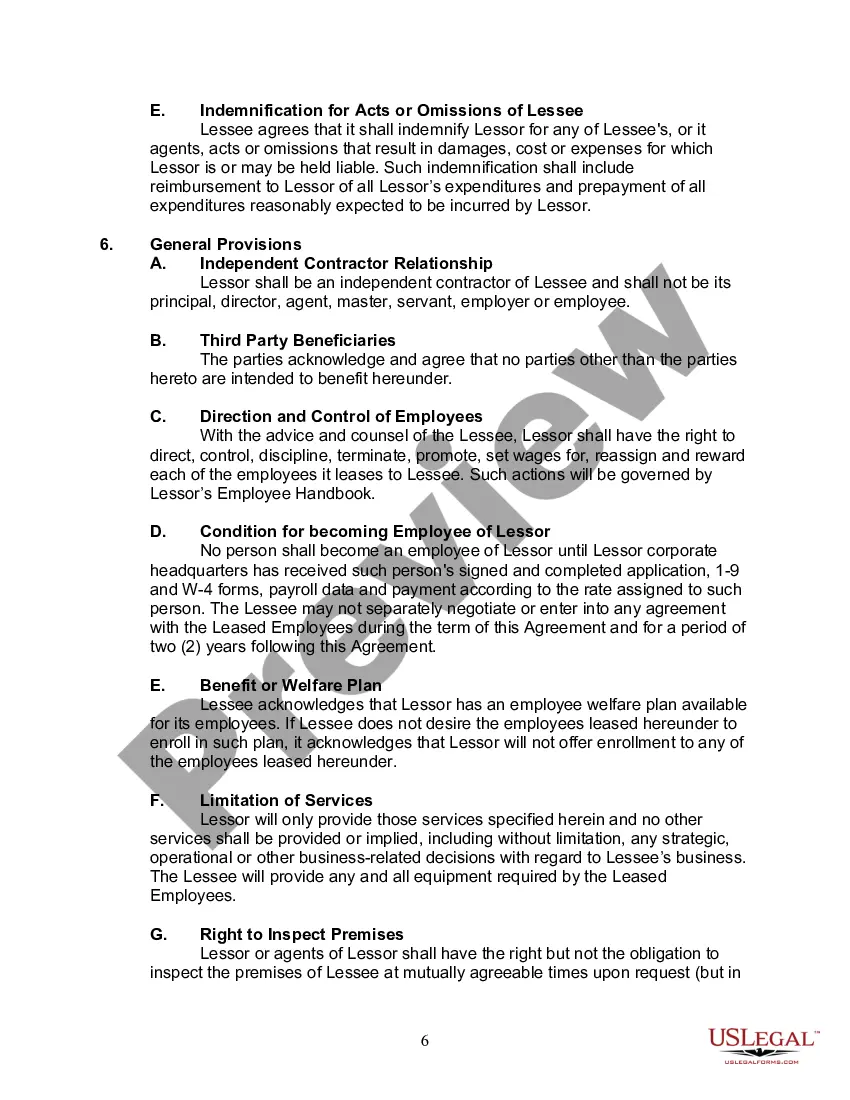
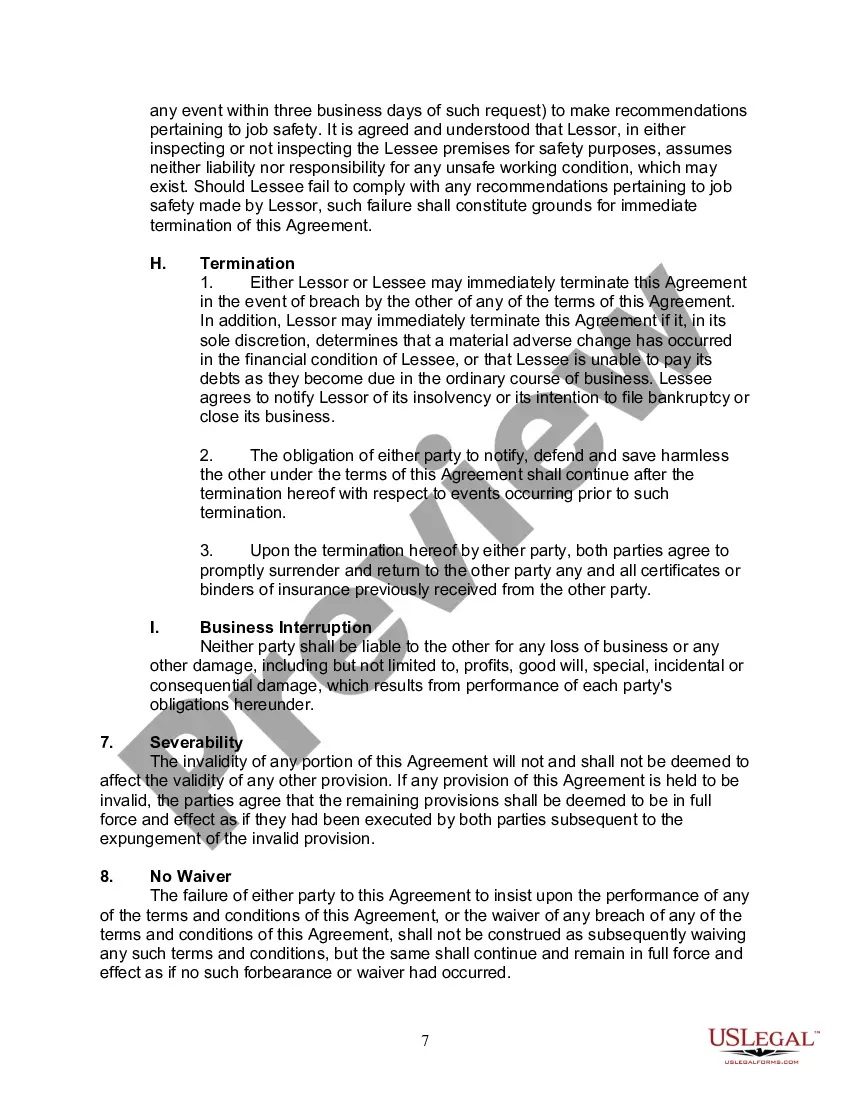
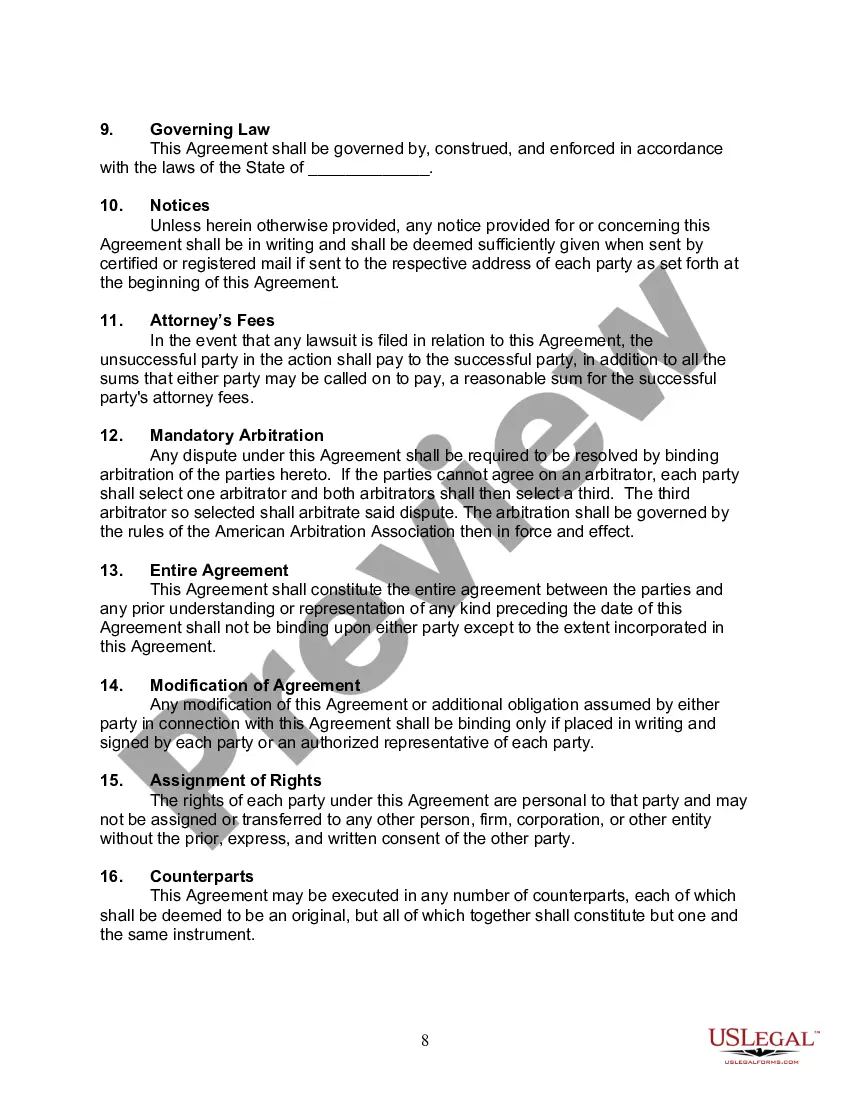
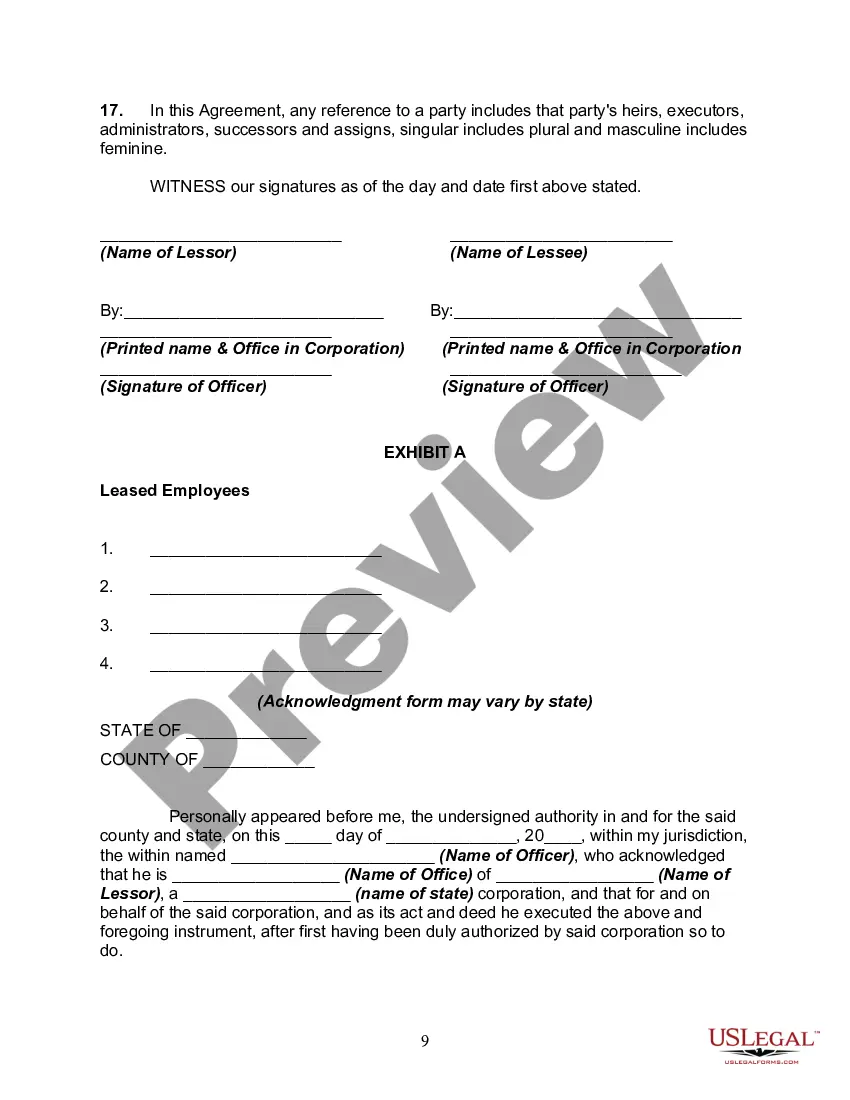
Employee Lease Addendum For Pets In Queens
Description

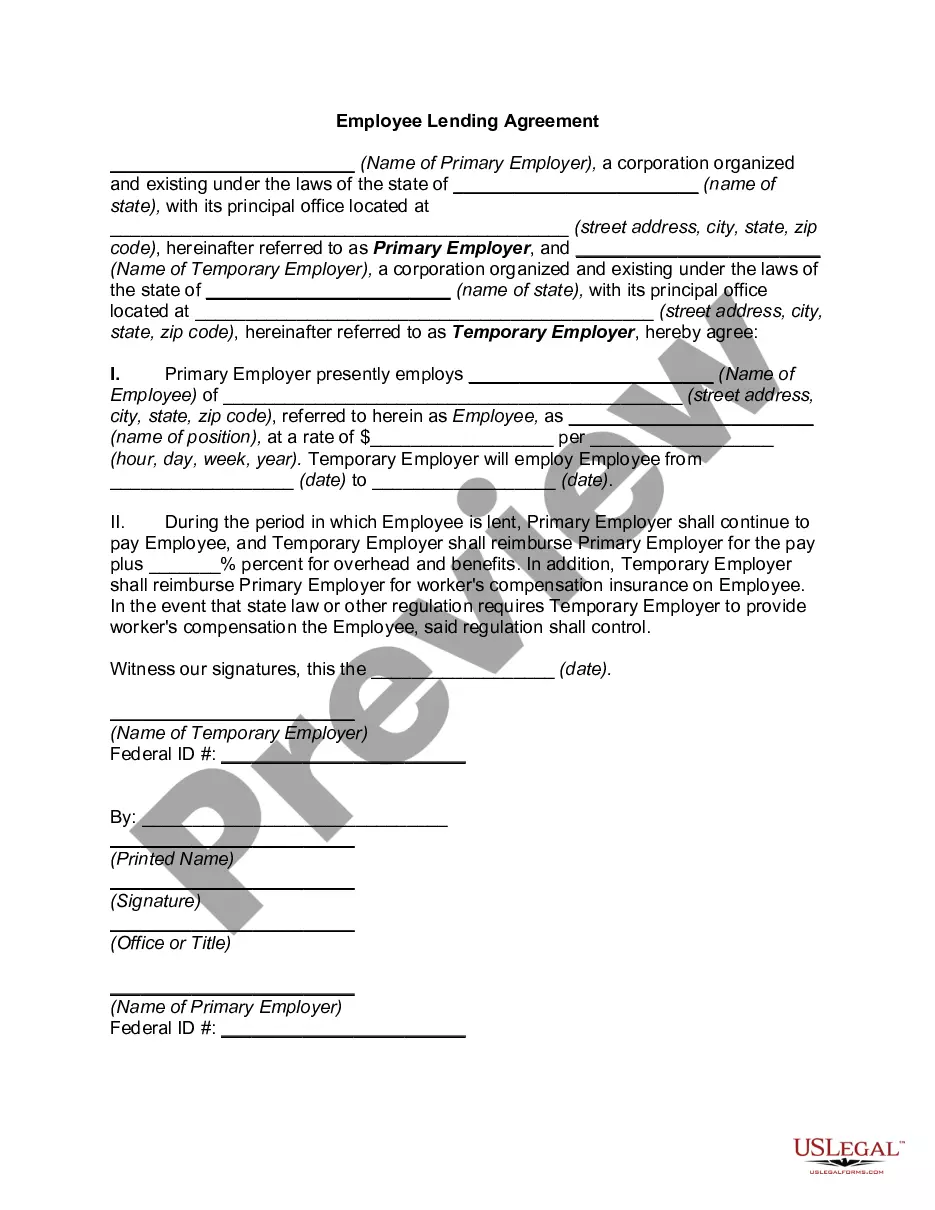
Get your form ready online
Our built-in tools help you complete, sign, share, and store your documents in one place.
Make edits, fill in missing information, and update formatting in US Legal Forms—just like you would in MS Word.
Download a copy, print it, send it by email, or mail it via USPS—whatever works best for your next step.
Sign and collect signatures with our SignNow integration. Send to multiple recipients, set reminders, and more. Go Premium to unlock E-Sign.
If this form requires notarization, complete it online through a secure video call—no need to meet a notary in person or wait for an appointment.
We protect your documents and personal data by following strict security and privacy standards.

Make edits, fill in missing information, and update formatting in US Legal Forms—just like you would in MS Word.

Download a copy, print it, send it by email, or mail it via USPS—whatever works best for your next step.

Sign and collect signatures with our SignNow integration. Send to multiple recipients, set reminders, and more. Go Premium to unlock E-Sign.

If this form requires notarization, complete it online through a secure video call—no need to meet a notary in person or wait for an appointment.

We protect your documents and personal data by following strict security and privacy standards.
Looking for another form?
Form popularity
FAQ
A pet addendum, sometimes called a pet agreement or pet addendum to a lease agreement, is a legally binding document that serves as an extension or supplement to a standard lease or rental agreement. This document outlines the terms and conditions for a tenant to keep pets on a rented property.
A pet agreement should include the landlord's and tenant's information, the place where the tenant will live with their pet, the inclusive dates of the contract (start date and end date), as well as how many pets are allowed within the property, and specify the amenities where the pet(s) are allowed.
If the landlord and tenant sign a pet addendum, the landlord allows pets in their unit as long as the tenant is fully responsible for the pet and any damages that it may cause during the tenancy.
How to Add a Pet to Your Lease STEP 1 – Determine if you live in a pet friendly property. STEP 2 – Review pet approval criteria. STEP 3 – Make a formal written request for approval of pet. STEP 4 – Finalizing paperwork and fees. STEP 5 – Pet Comes Home.
Size age and behavior. History. This can involve meeting the pet in person observing its behavior.MoreSize age and behavior. History. This can involve meeting the pet in person observing its behavior. And asking the owner detailed.
I agree to control my pet at all times and be 100% responsible for my pet's actions. I agree to keep my pet from making unnecessary noise or being a nuisance to other tenants, and will address any complaints immediately.
Include the pet's breed, age, and required vaccinations. Clearly outline the rules and responsibilities of both the tenant and landlord regarding pet ownership. This should cover pet waste cleanup, noise control, and property maintenance. Clearly state the consequences of violating the pet addendum.
Some landlords or property managers may require pet liability insurance, which covers damages or injuries caused by your pet to other tenants or the property itself. Renters insurance usually has personal liability coverage to help protect you if your pet causes bodily injury or property damage.
