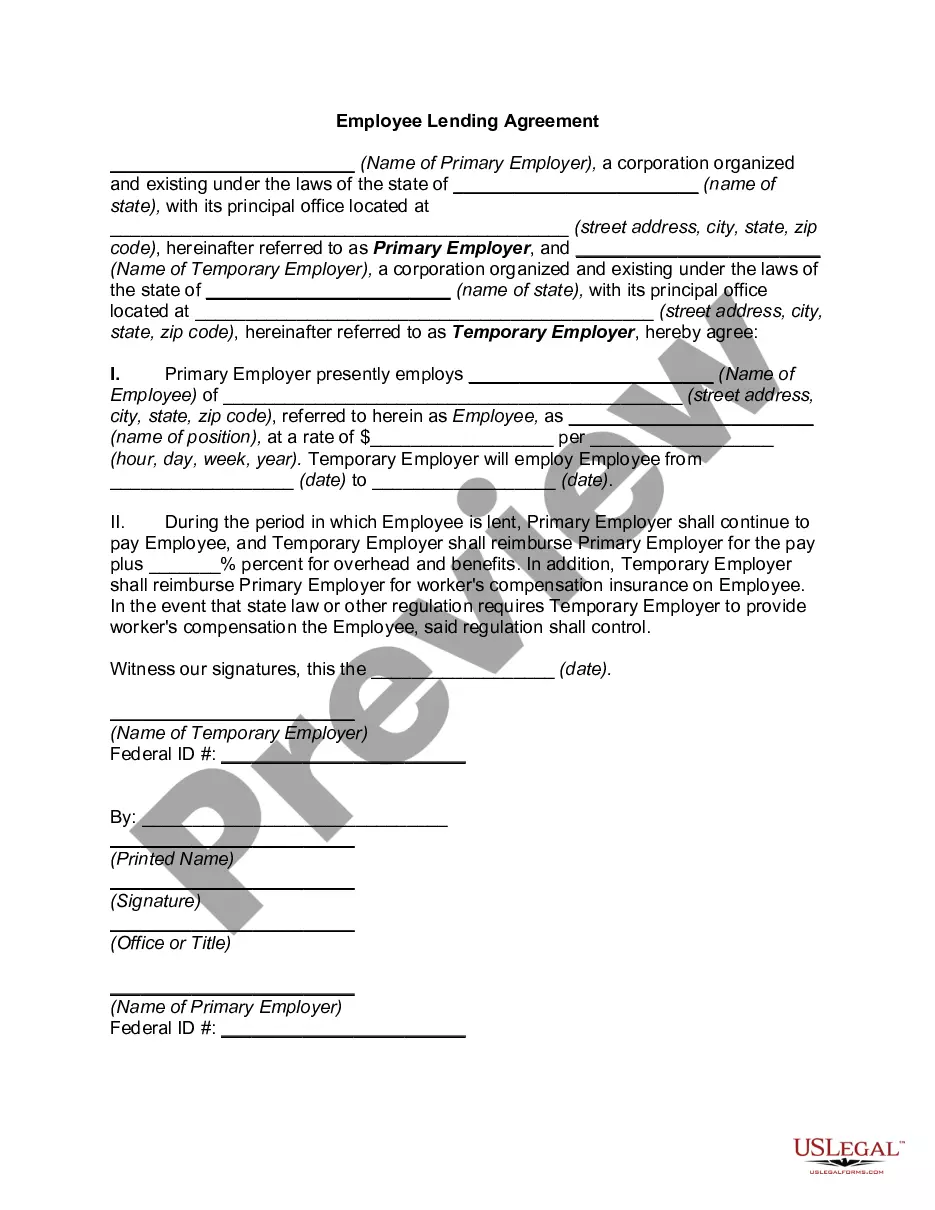
Lease Employee Agreement With Canada In Pima
Description

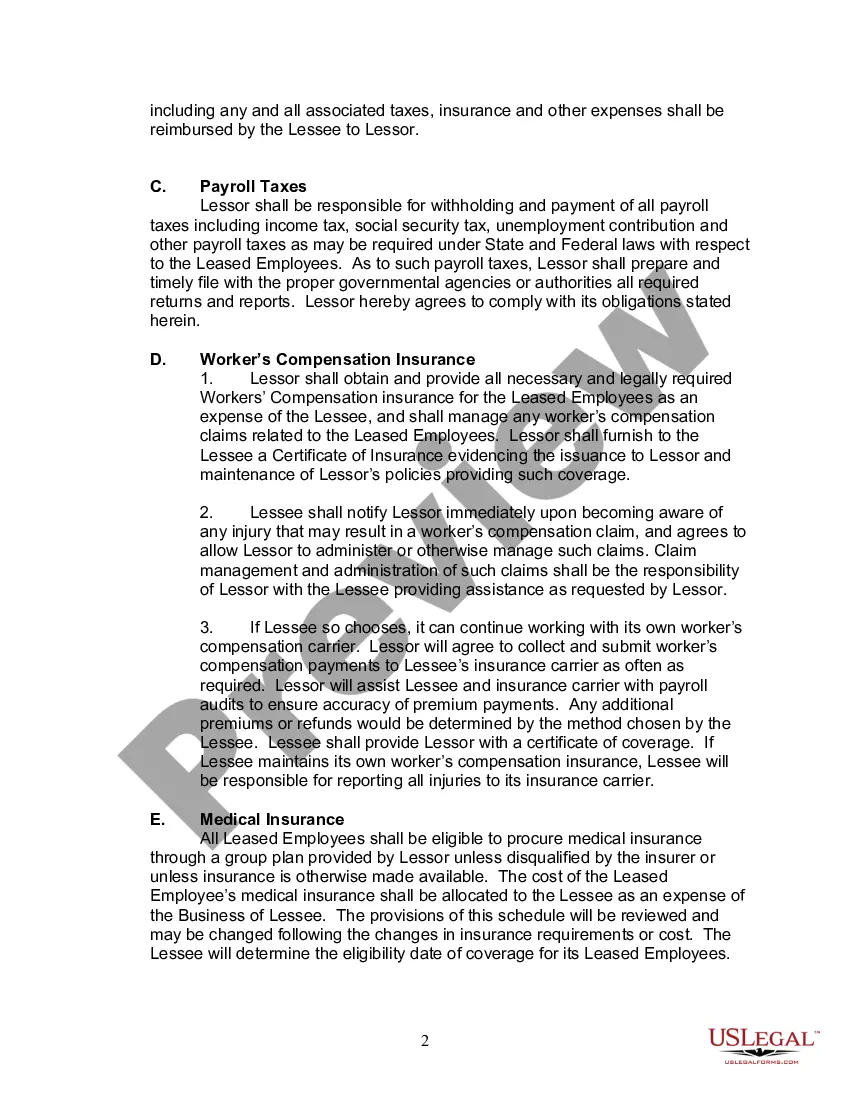
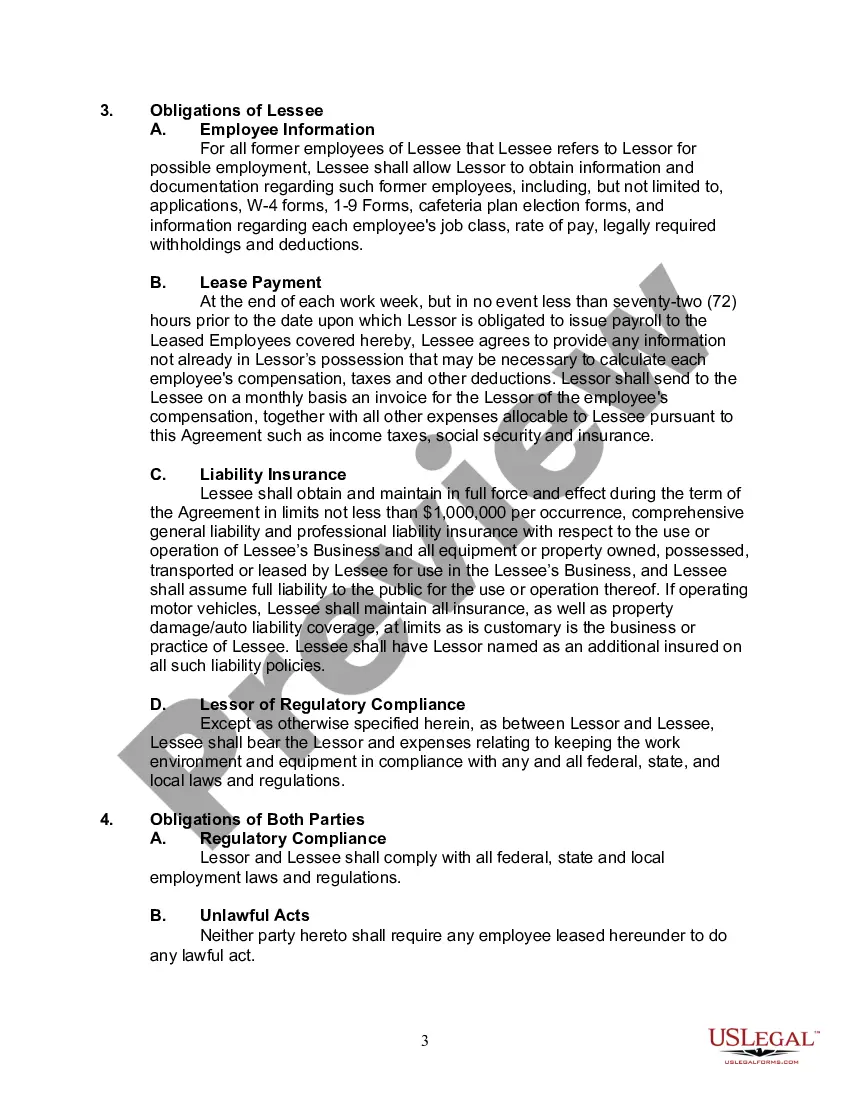
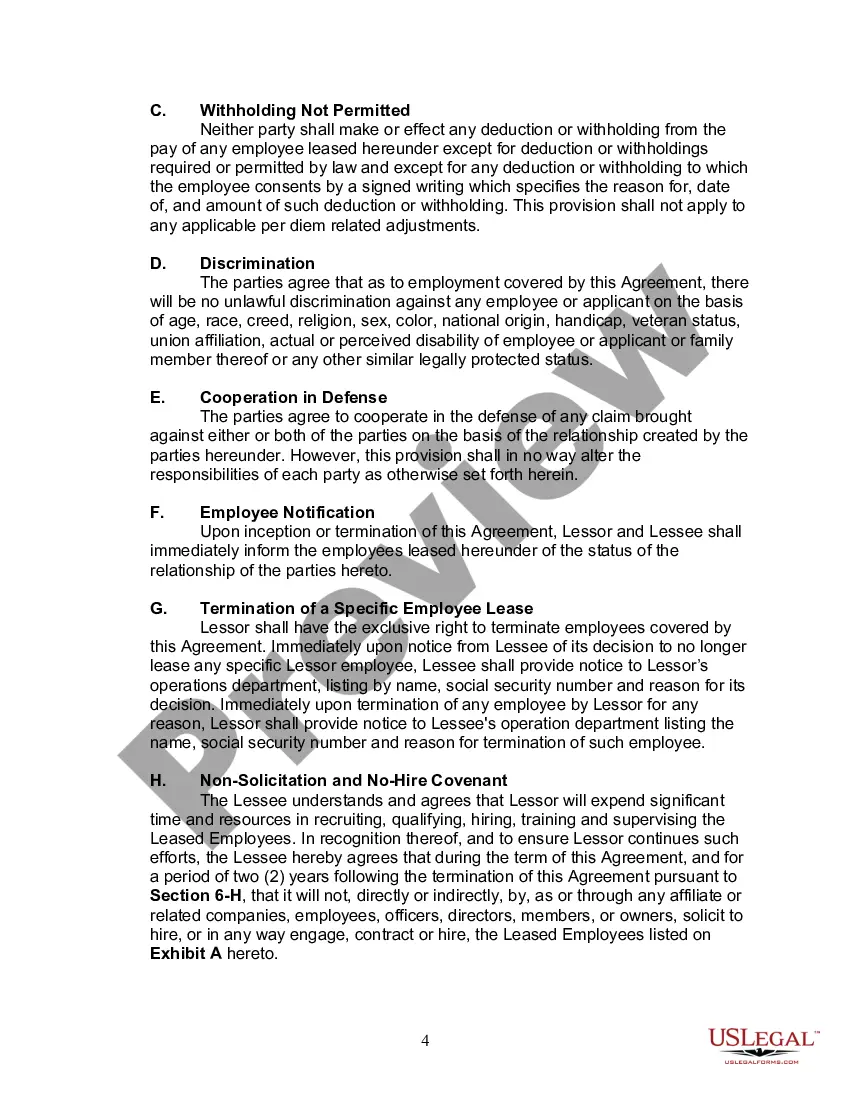
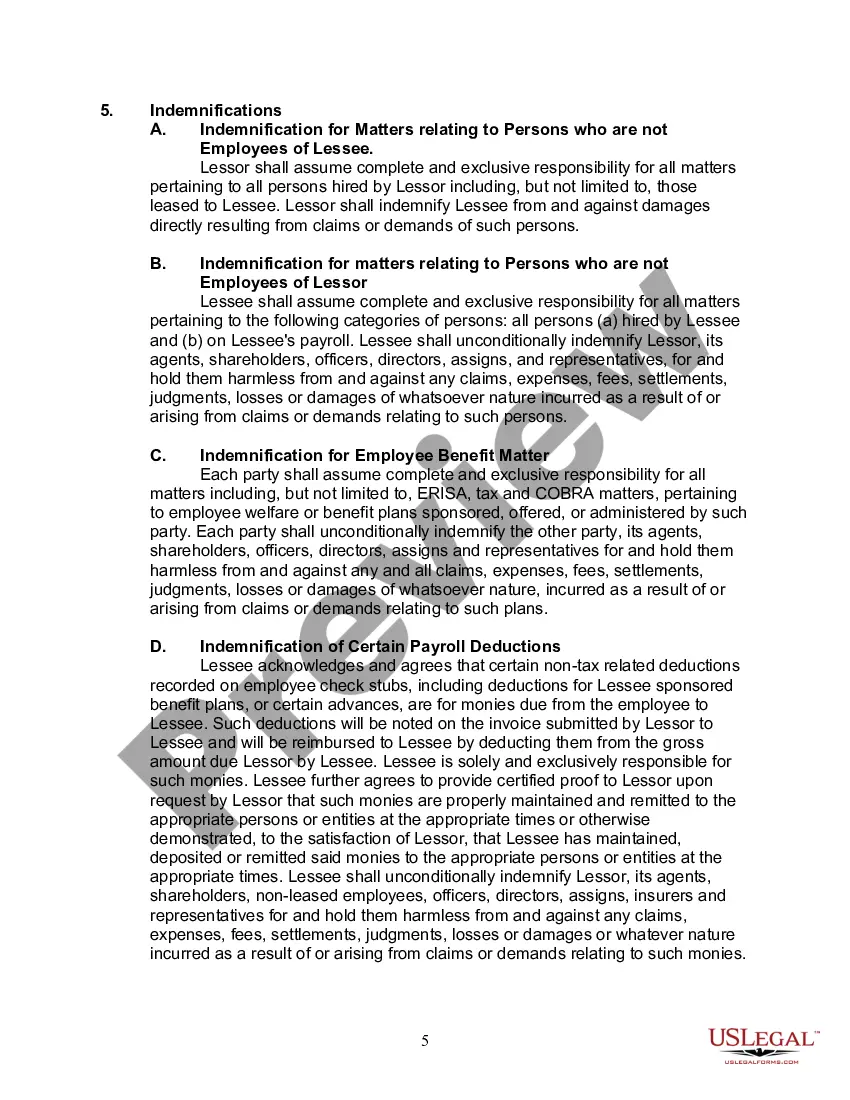
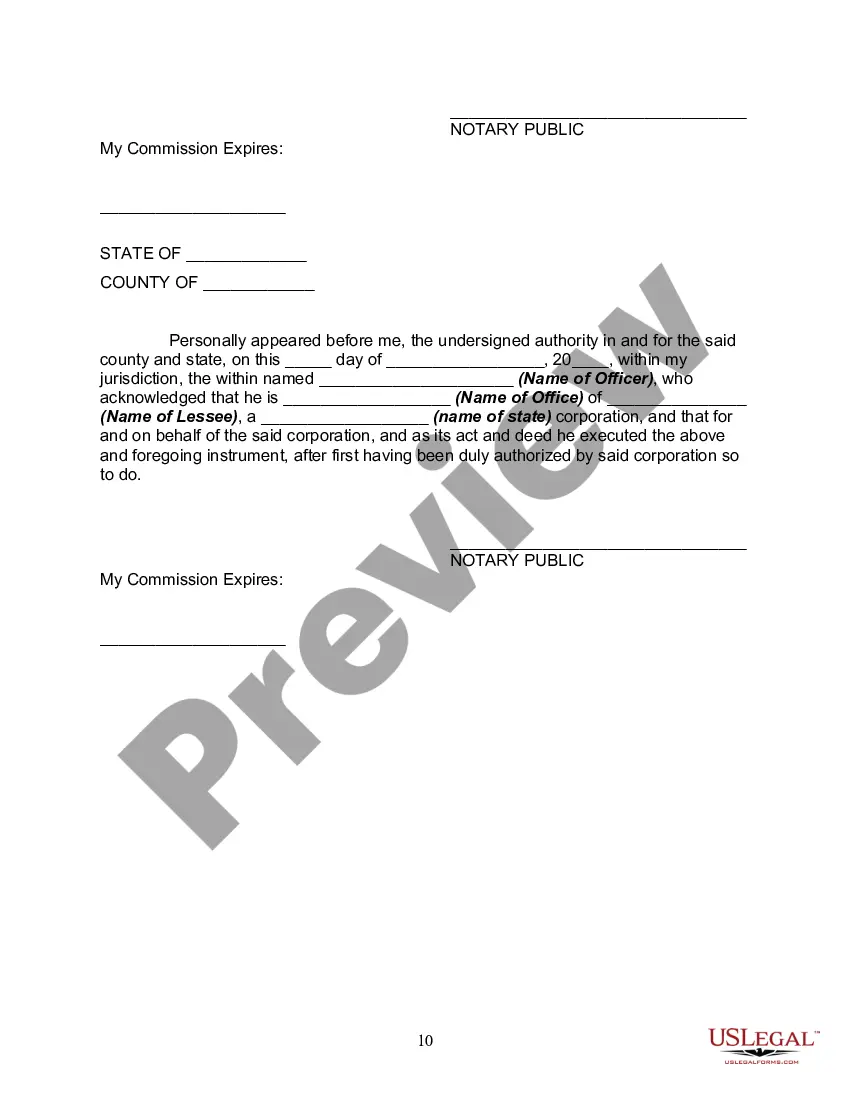
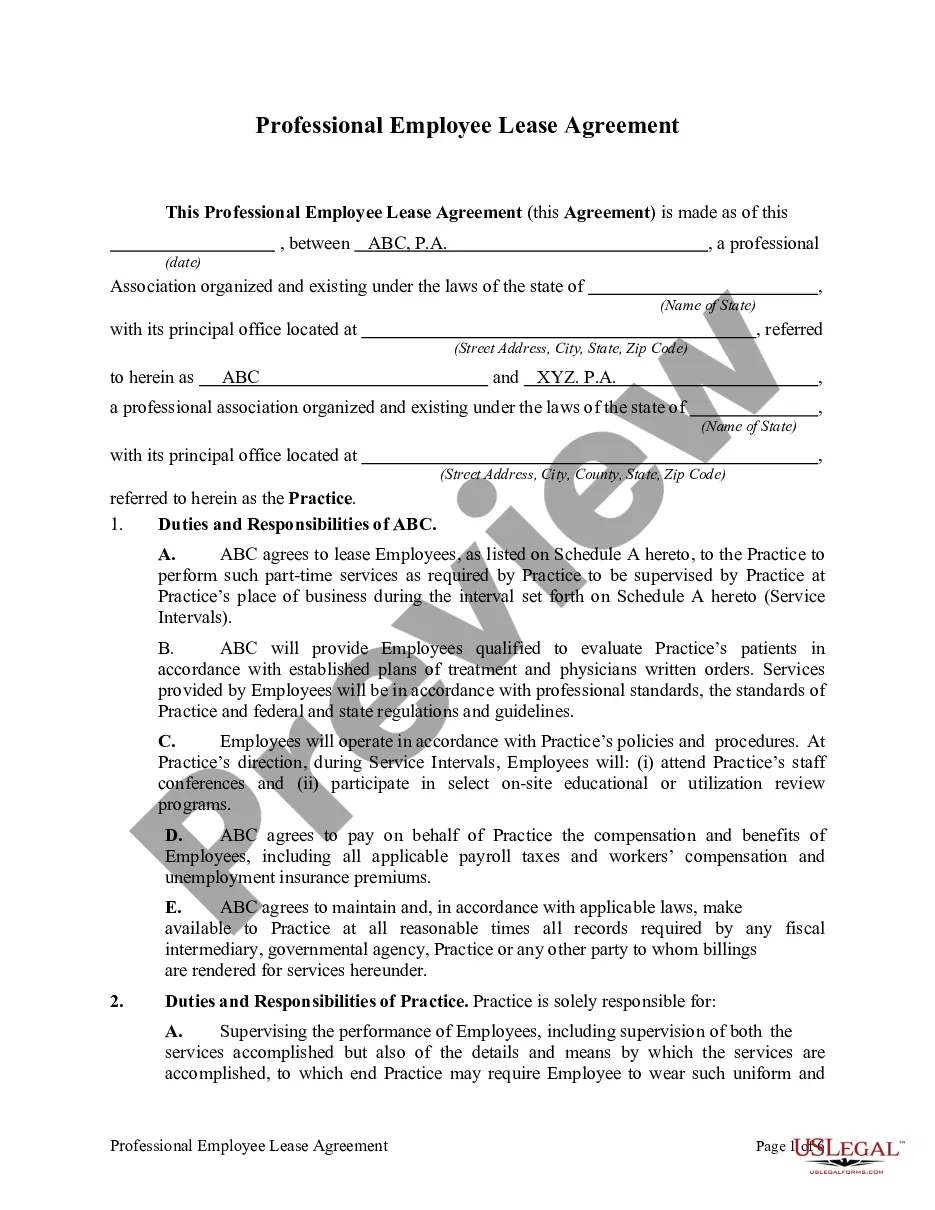
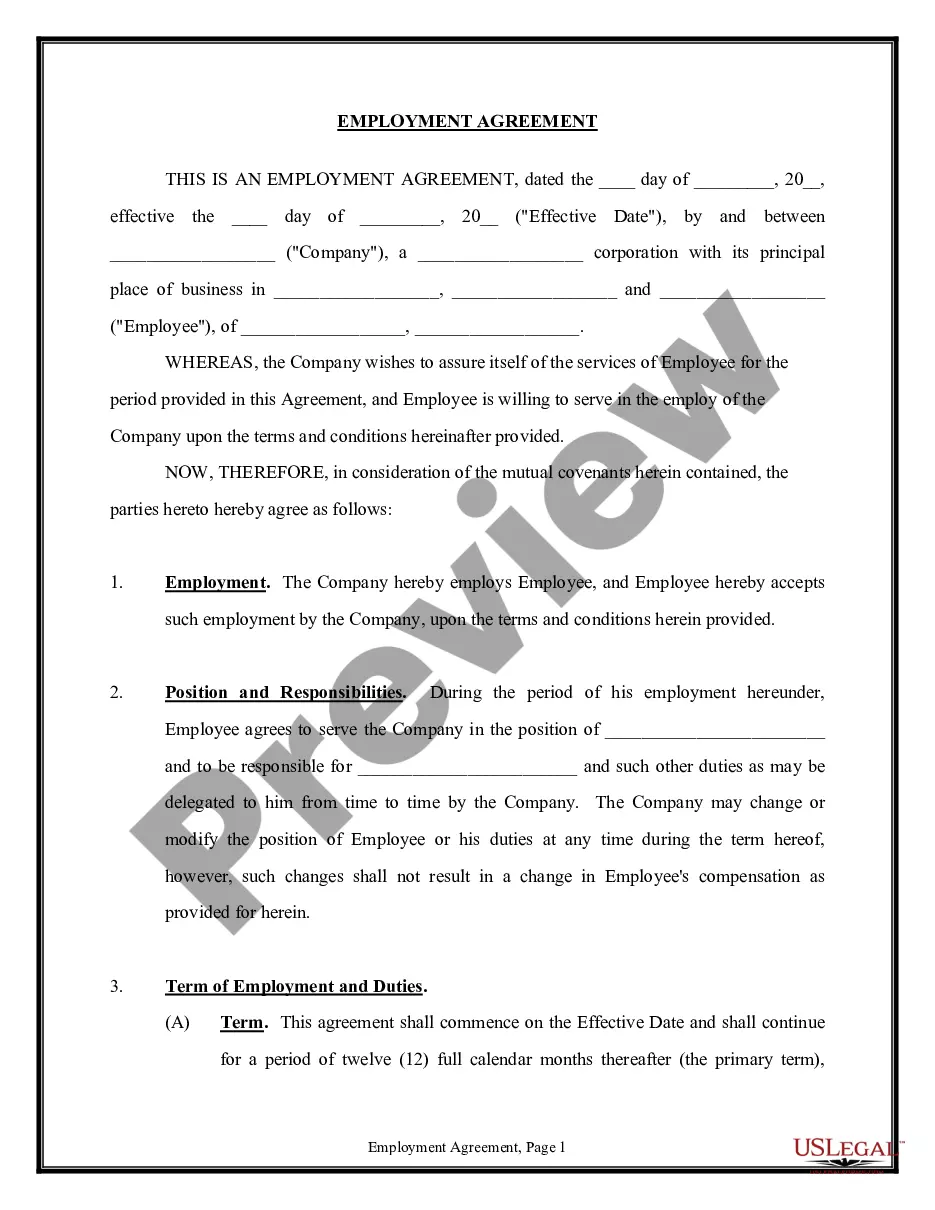
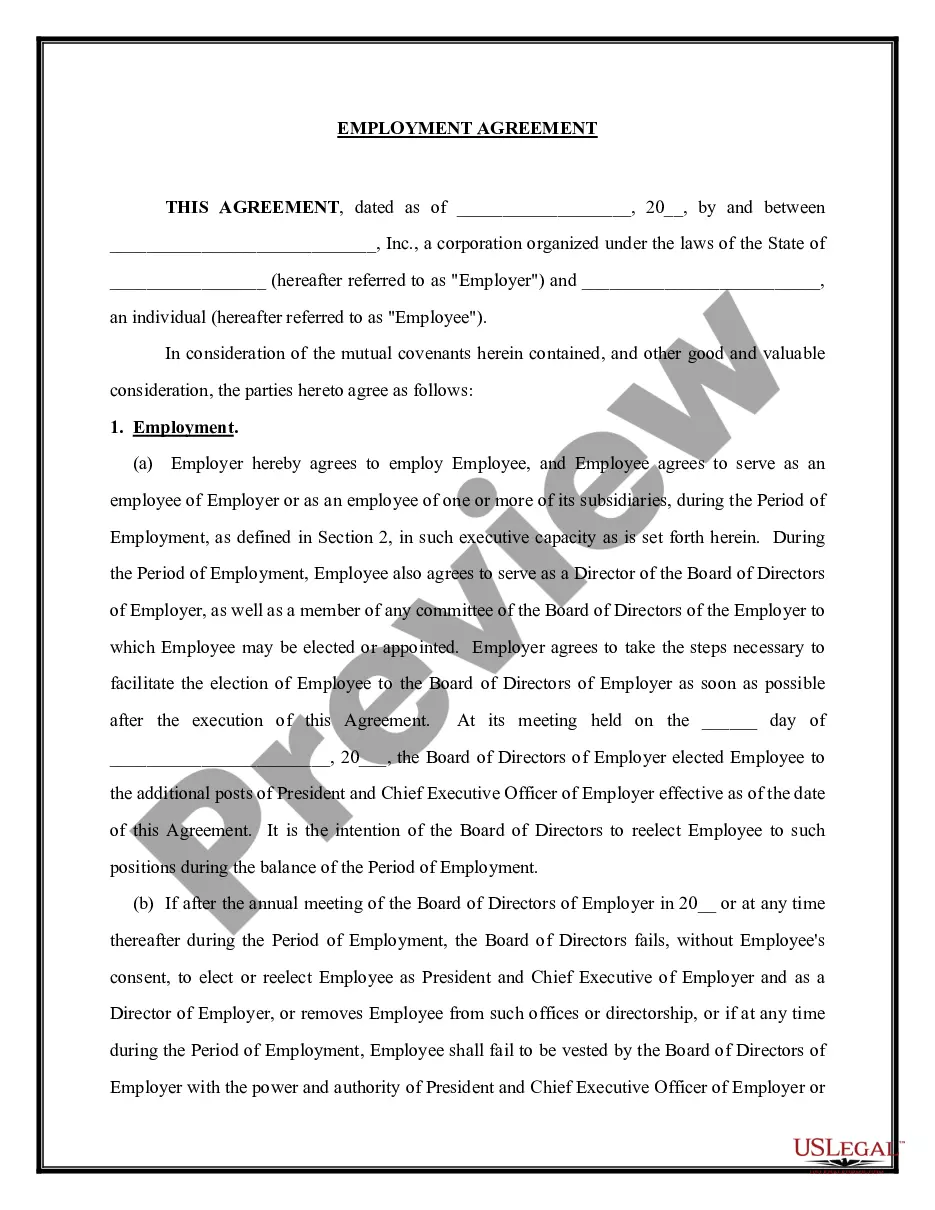
Get your form ready online
Our built-in tools help you complete, sign, share, and store your documents in one place.
Make edits, fill in missing information, and update formatting in US Legal Forms—just like you would in MS Word.
Download a copy, print it, send it by email, or mail it via USPS—whatever works best for your next step.
Sign and collect signatures with our SignNow integration. Send to multiple recipients, set reminders, and more. Go Premium to unlock E-Sign.
If this form requires notarization, complete it online through a secure video call—no need to meet a notary in person or wait for an appointment.
We protect your documents and personal data by following strict security and privacy standards.

Make edits, fill in missing information, and update formatting in US Legal Forms—just like you would in MS Word.

Download a copy, print it, send it by email, or mail it via USPS—whatever works best for your next step.

Sign and collect signatures with our SignNow integration. Send to multiple recipients, set reminders, and more. Go Premium to unlock E-Sign.

If this form requires notarization, complete it online through a secure video call—no need to meet a notary in person or wait for an appointment.

We protect your documents and personal data by following strict security and privacy standards.
Looking for another form?









Form popularity
FAQ
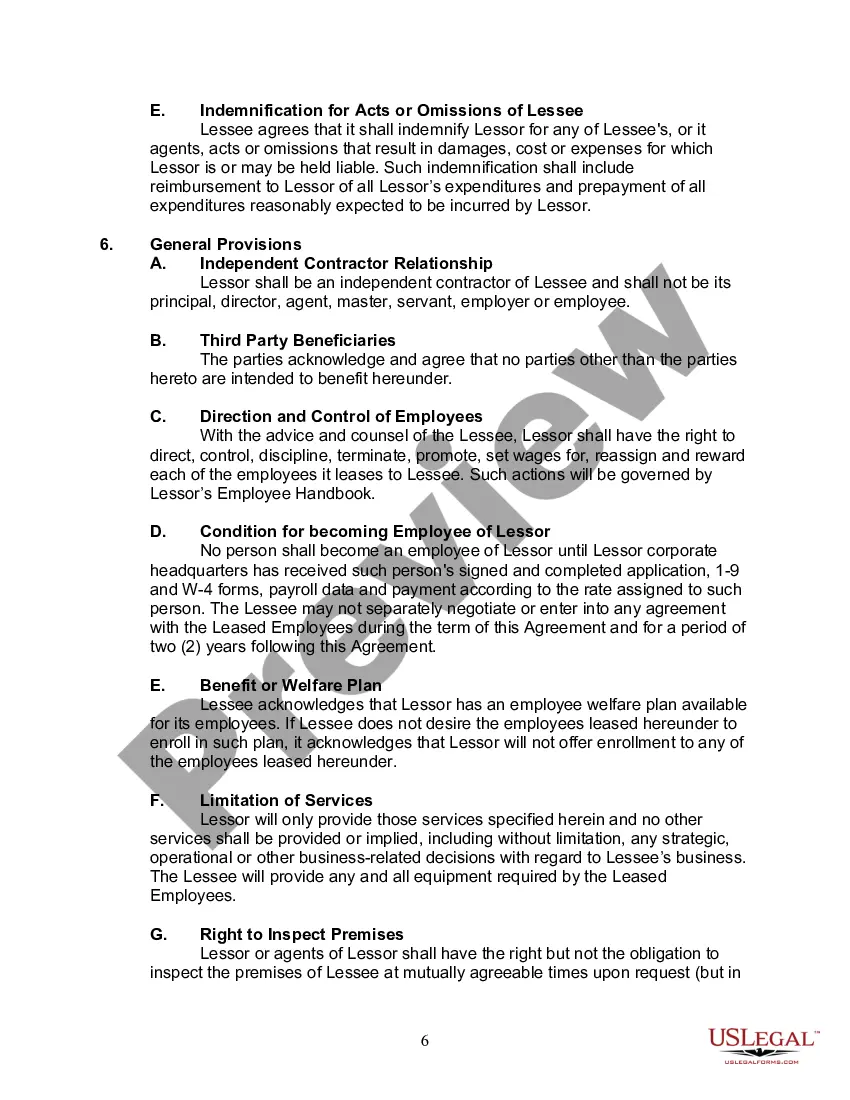
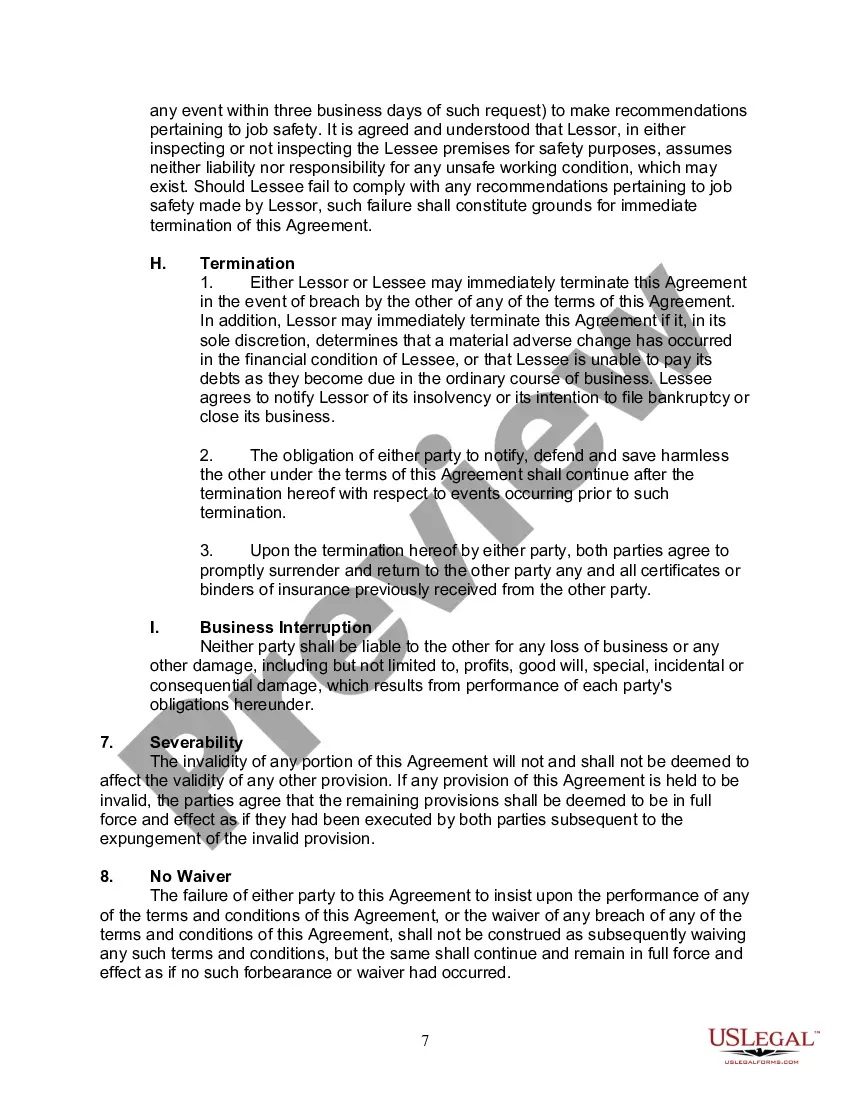
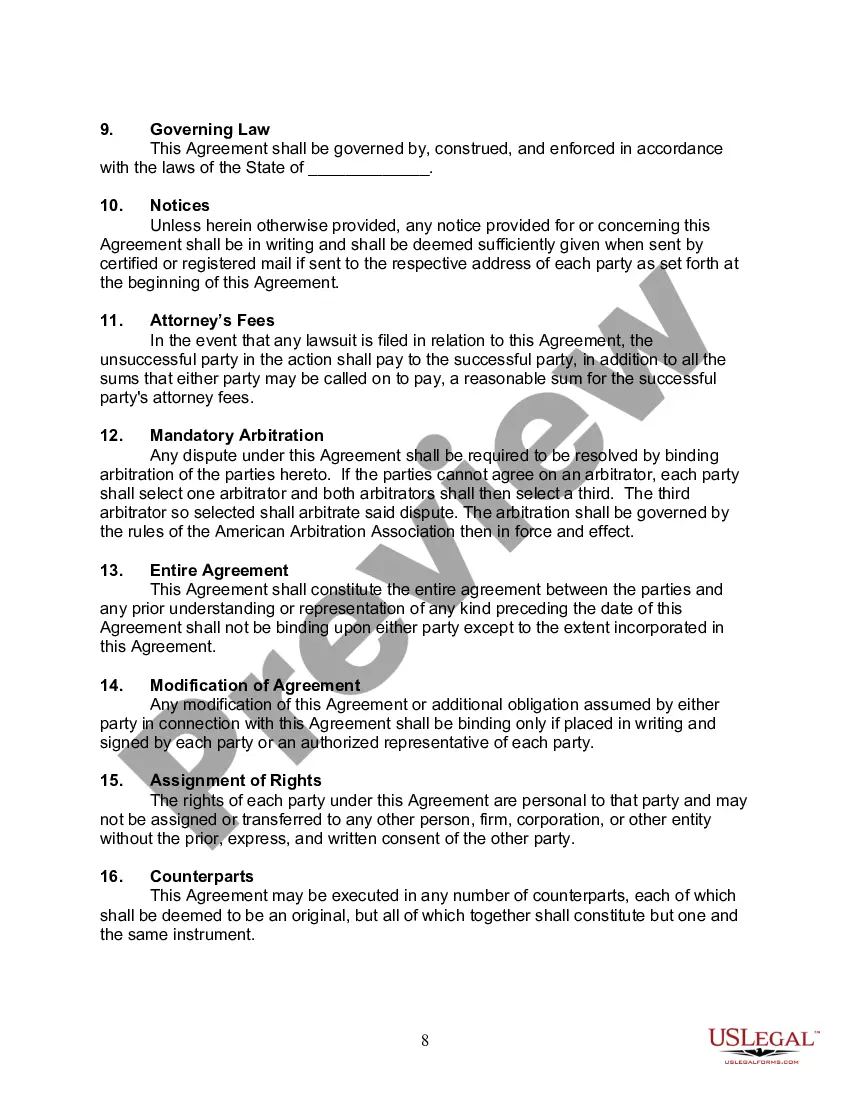
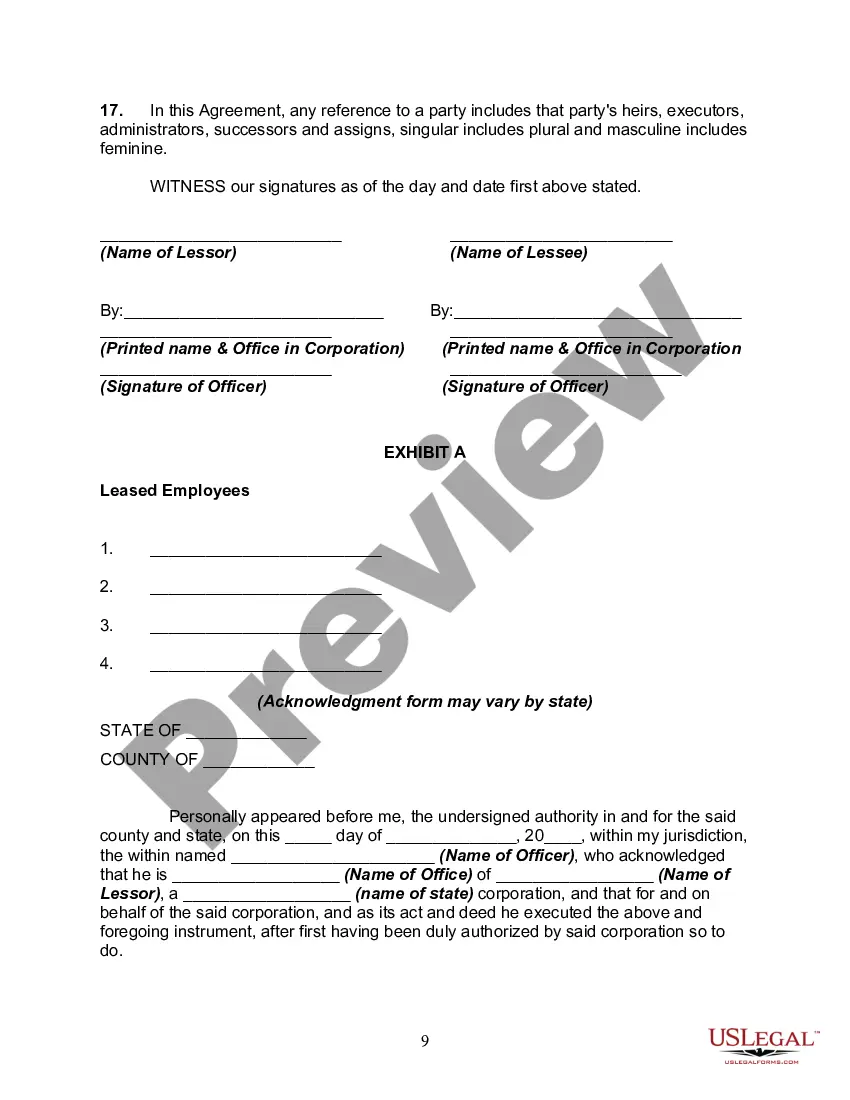
An agreement can be informal or it may be written; a contract may be verbal or written, but a contract will always be enforceable if it contains certain requirements. Modern contract management software takes an agreement and puts in the legal requirements that formally turn an agreement into a contract.
Subscribe now. Employee leasing is an arrangement between a business and a staffing firm, who supplies workers on a project-specific or temporary basis. These employees work for the client business, but the leasing agency pays their salaries and handles all of the HR administration associated with their employment.
Here are some steps you may use to guide you when you write an employment contract: Title the employment contract. Identify the parties. List the term and conditions. Outline the job responsibilities. Include compensation details. Use specific contract terms. Consult with an employment lawyer.
An employment contract, more commonly referred to as an offer letter is a legally binding agreement which can be created verbally or in writing. During all stages of interaction with a candidate or employee, you may be verbally implying pieces of an employment contract.
Employment contracts and employment agreements are essentially the same thing. Both terms refer to a formal arrangement specifying the obligations and rights of both the employer and the employee. Morgan's Take: Same concept, different name. Call it what you want—either way, it's the paperwork that defines the job.
Both involve the meeting of minds and exchange of promises, but a contract typically entails a more formalized arrangement, often documented in writing, and carries legal enforceability. Conversely, an agreement can be informal and may not always be legally binding.
term tenancy, also called a lease, has a date the tenancy agreement ends. Fixedterm tenancies are usually for one year. The tenant and landlord can decide to renew it for another year when it ends or let it go monthtomonth.
How to write a letter of employment: Include employer and requesting organisation details. Provide employee information (name, job title, employment dates). Follow a formal business letter format. Clearly state the letter's purpose. Include any additional requested details. Provide contact information and sign off.
In order to be enforceable, an employment contract must fulfil the essential elements of a binding contract at common law, and must not contravene any applicable legislation.
Do I Need an Employment Contract When Hiring in Canada? Just like many countries, Canadian recognizes offer letters, verbal offers, and fully drafted and vetted contracts as binding employment contracts. However, while employment contracts are not mandatory in Canada, they are an extremely useful tool for employers.
