Employee Rental Agreement With Multiple Tenants India In Pima
Description

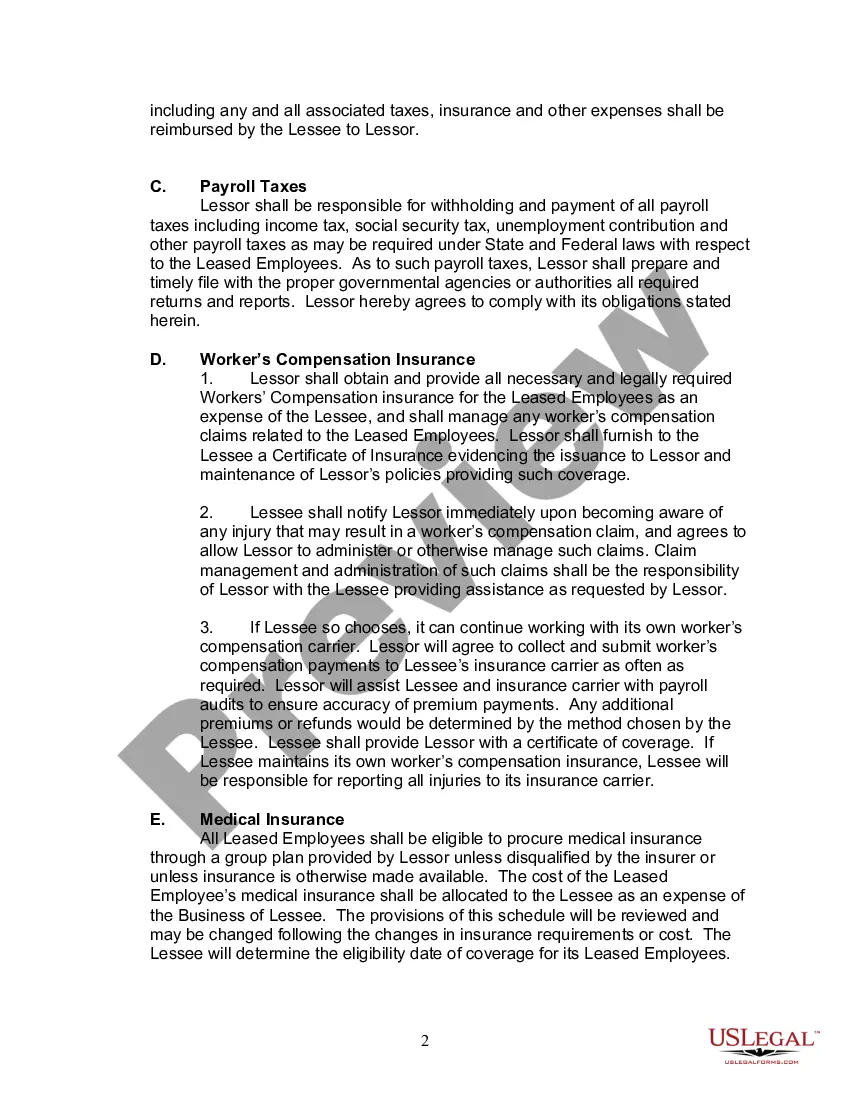
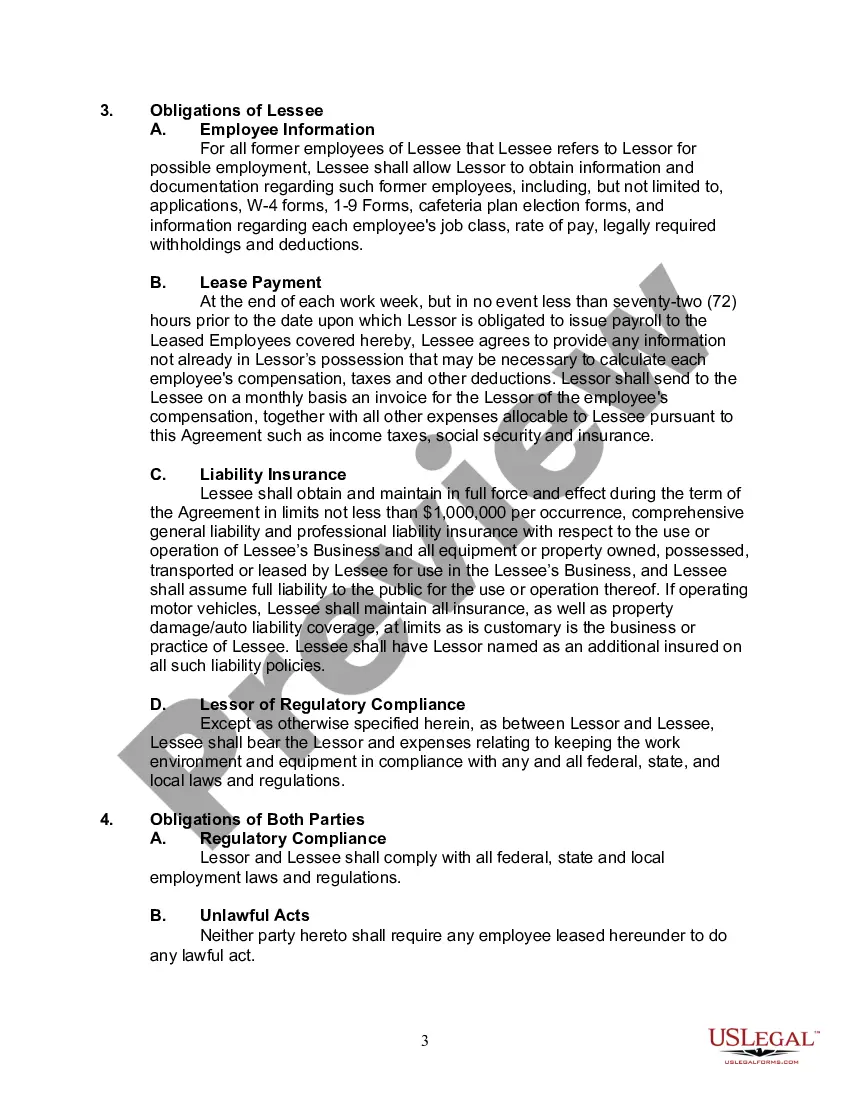
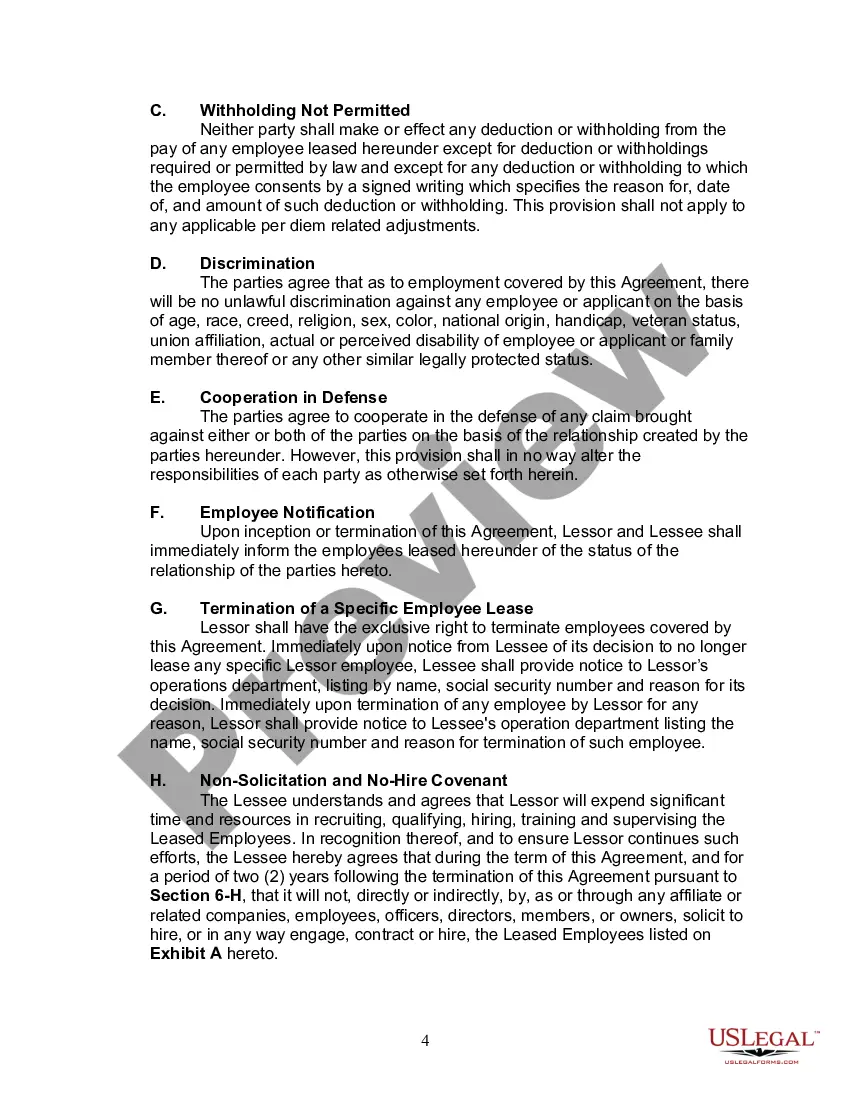
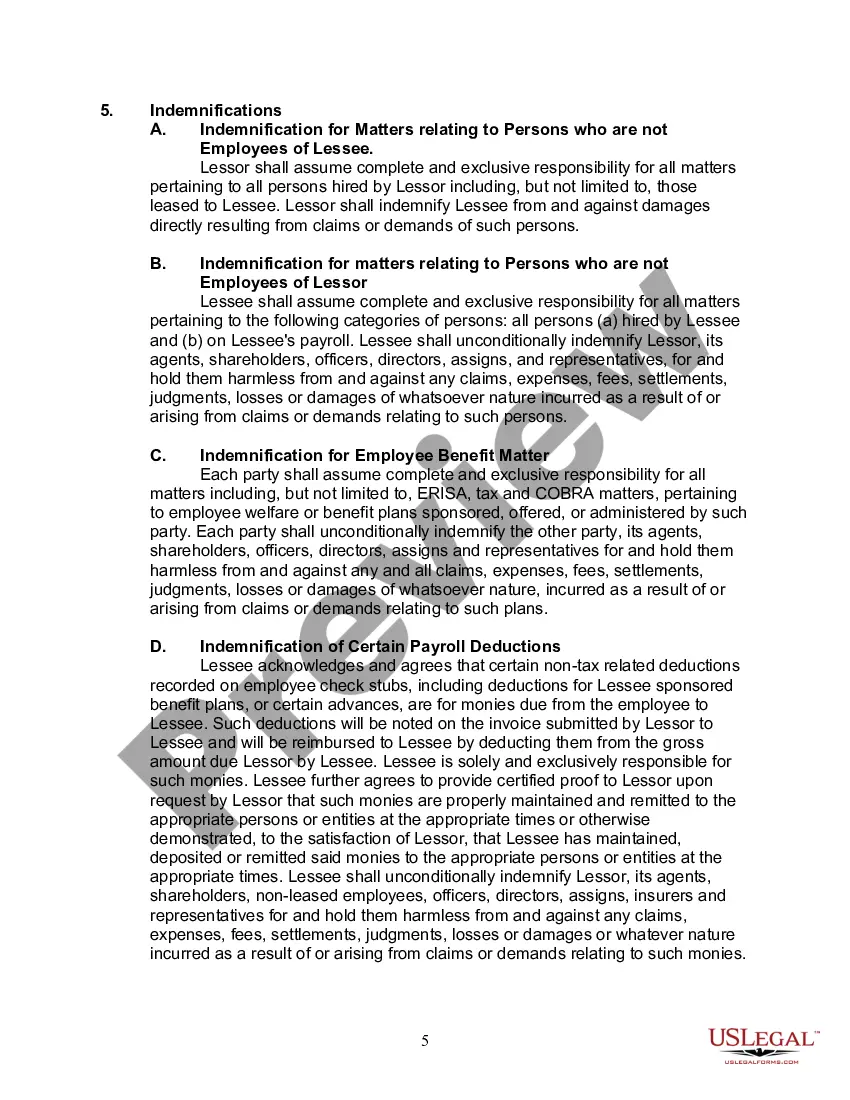
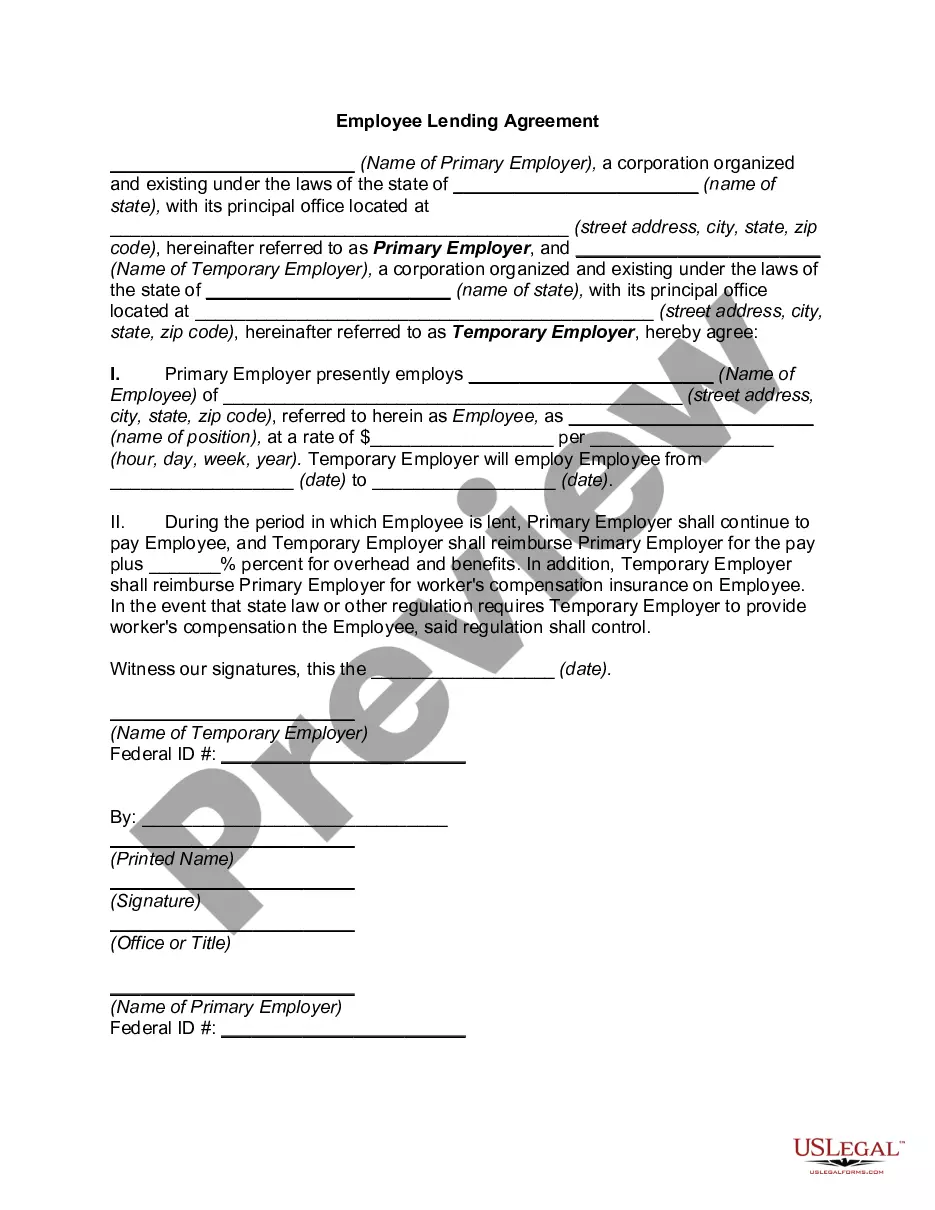
Get your form ready online
Our built-in tools help you complete, sign, share, and store your documents in one place.
Make edits, fill in missing information, and update formatting in US Legal Forms—just like you would in MS Word.
Download a copy, print it, send it by email, or mail it via USPS—whatever works best for your next step.
Sign and collect signatures with our SignNow integration. Send to multiple recipients, set reminders, and more. Go Premium to unlock E-Sign.
If this form requires notarization, complete it online through a secure video call—no need to meet a notary in person or wait for an appointment.
We protect your documents and personal data by following strict security and privacy standards.

Make edits, fill in missing information, and update formatting in US Legal Forms—just like you would in MS Word.

Download a copy, print it, send it by email, or mail it via USPS—whatever works best for your next step.

Sign and collect signatures with our SignNow integration. Send to multiple recipients, set reminders, and more. Go Premium to unlock E-Sign.

If this form requires notarization, complete it online through a secure video call—no need to meet a notary in person or wait for an appointment.

We protect your documents and personal data by following strict security and privacy standards.
Looking for another form?

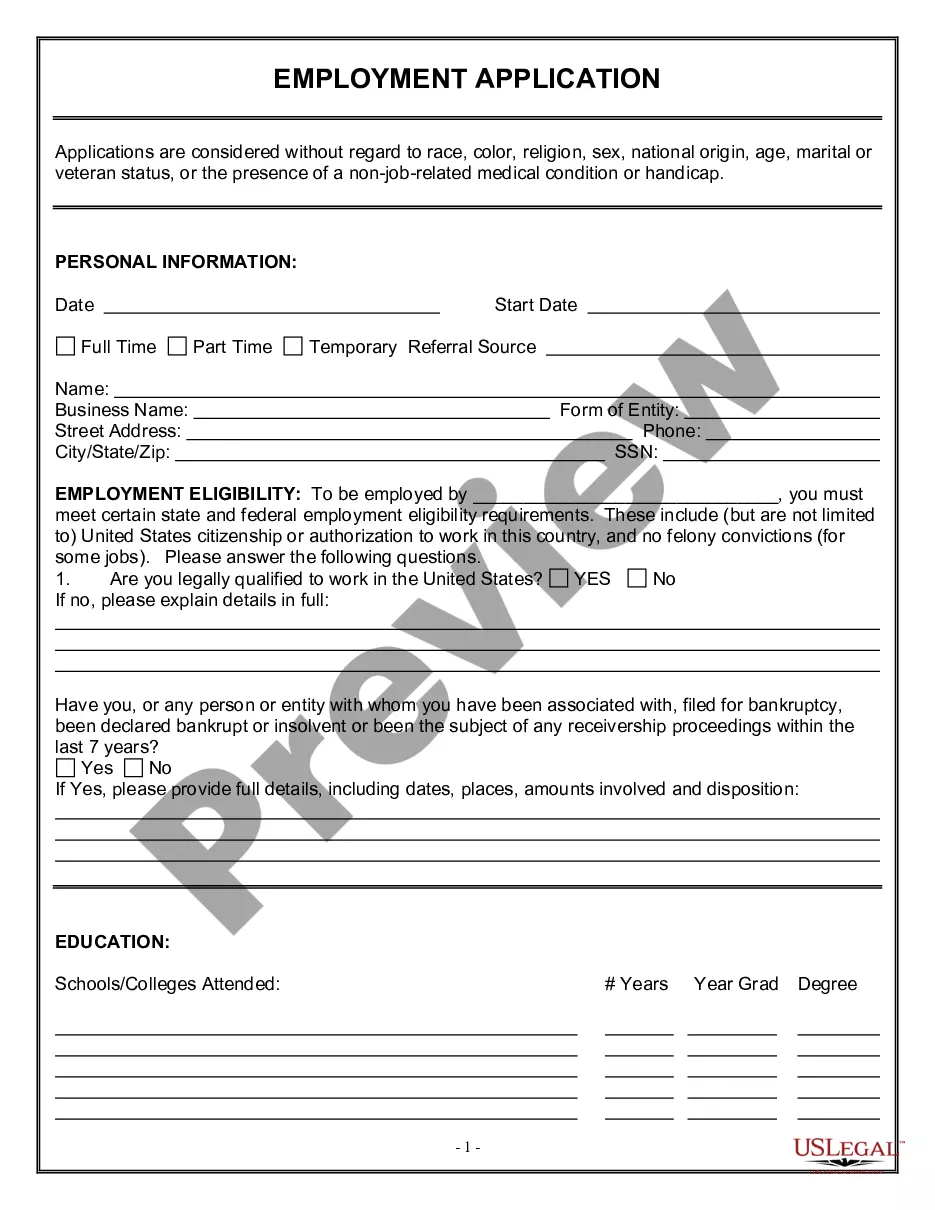


Form popularity
FAQ
For example, California law enforces a “two plus one” formula for its occupancy limits, meaning two people can occupy each bedroom, with one additional person in a living space. This means that up to five tenants could legally reside in a two-bedroom unit.
Steps to Add a Tenant to an Existing Lease Acquire a Written Request to Add a Tenant. Check the Unit's Occupancy Limit. Require a Completed Rental Application. Screen and Approve/Deny the New Tenant. Review the Details With Each Tenant.
Steps to Add a Tenant to an Existing Lease Acquire a Written Request to Add a Tenant. Check the Unit's Occupancy Limit. Require a Completed Rental Application. Screen and Approve/Deny the New Tenant. Review the Details With Each Tenant.
You should understand your rights and obligations in each of the situations that may arise. When two or more tenants sign a lease or rental agreement, each of them is a co-tenant with identical rights and obligations. All of the tenants do not need to sign the lease at the same time.
In India, rent agreements for 11 months or less are typically not mandatory to register, allowing parties to opt for notarization as an alternative. This duration is chosen to avoid the requirements of rent control laws in many states, which apply to longer leases.
1. Assured Shorthold Tenancy (AST) Assured Shorthold Tenancies, or ASTs, are the most common agreement for private rentals, typically lasting six to twelve months. With an AST, your landlord is required to protect your deposit in a government-approved scheme.
Categories of rent In general one can distinguish three different kinds of rent, which can also occur together: differential, scarcity, and entrepreneurial rent. Differential rent (also called quality or Ricardian rent) arises because of differences in the quality of similar goods or inputs (e.g. production sites).
In India, rent agreements are not legally required to be registered unless the term of the agreement is more than 12 months. Unregistered rent agreements are still popular but may not be admissible as evidence in court in case of disputes. It is advisable to register agreements for added legal validity.
In India, rent agreements are not legally required to be registered unless the term of the agreement is more than 12 months. Unregistered rent agreements are still popular but may not be admissible as evidence in court in case of disputes. It is advisable to register agreements for added legal validity.
There are 3 types of rental agreements in India: Rent Agreement. Tenancy or rent agreement is a basic contract between landlord and tenant for temporary possession of a property. Lease Agreement. Lease agreement is a more formal contract for longer occupancy (usually over 12 months). Leave and License Agreement.
