Lease Employee Agreement For Land In Orange
Description

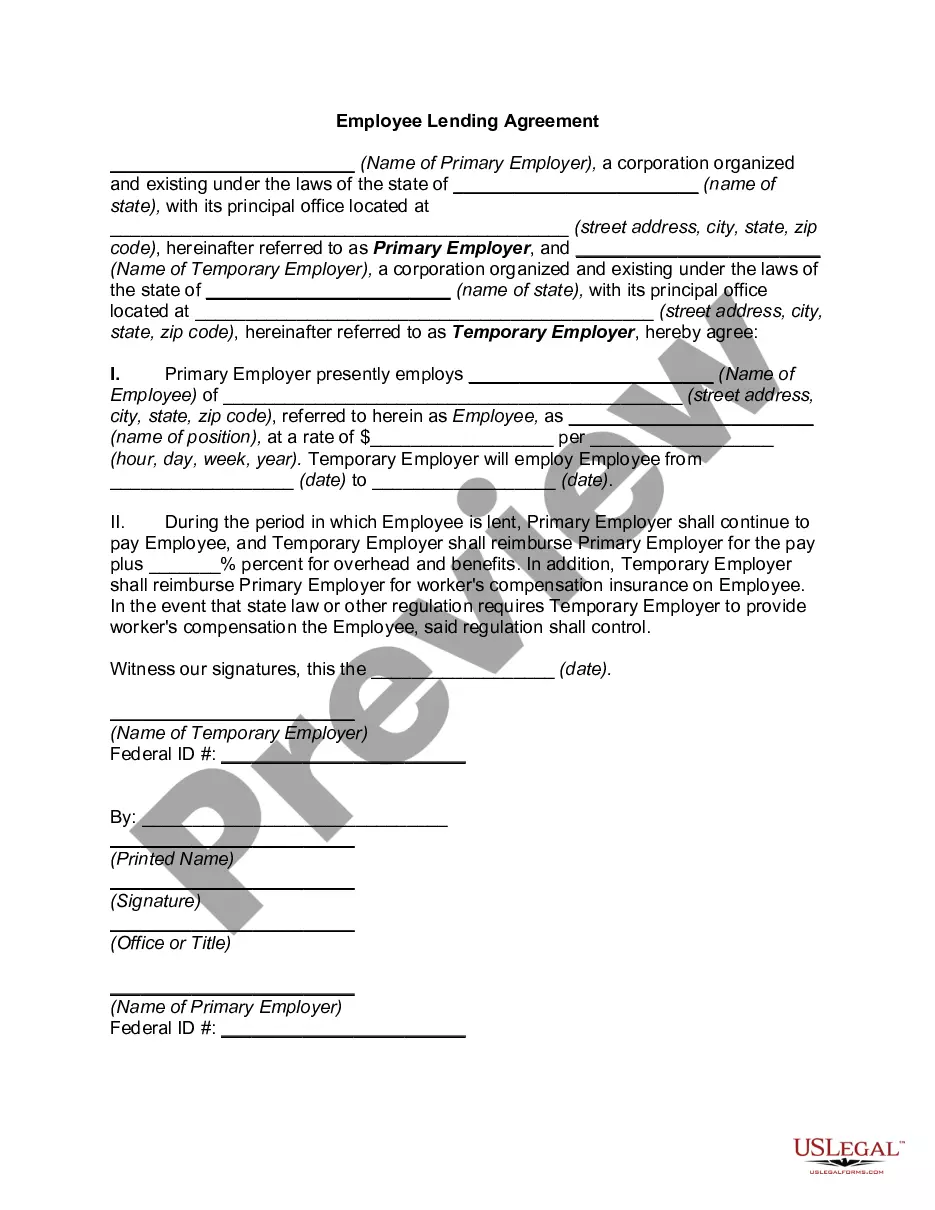
Get your form ready online
Our built-in tools help you complete, sign, share, and store your documents in one place.
Make edits, fill in missing information, and update formatting in US Legal Forms—just like you would in MS Word.
Download a copy, print it, send it by email, or mail it via USPS—whatever works best for your next step.
Sign and collect signatures with our SignNow integration. Send to multiple recipients, set reminders, and more. Go Premium to unlock E-Sign.
If this form requires notarization, complete it online through a secure video call—no need to meet a notary in person or wait for an appointment.
We protect your documents and personal data by following strict security and privacy standards.

Make edits, fill in missing information, and update formatting in US Legal Forms—just like you would in MS Word.

Download a copy, print it, send it by email, or mail it via USPS—whatever works best for your next step.

Sign and collect signatures with our SignNow integration. Send to multiple recipients, set reminders, and more. Go Premium to unlock E-Sign.

If this form requires notarization, complete it online through a secure video call—no need to meet a notary in person or wait for an appointment.

We protect your documents and personal data by following strict security and privacy standards.
Looking for another form?
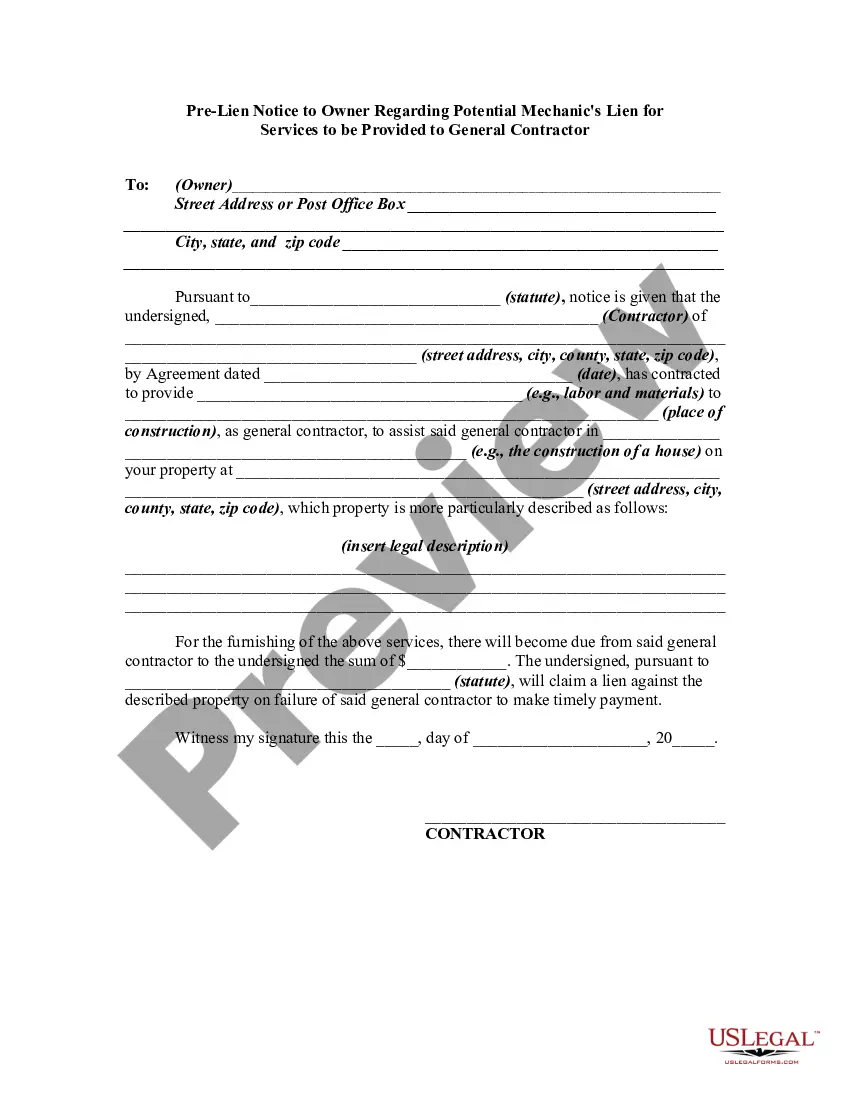
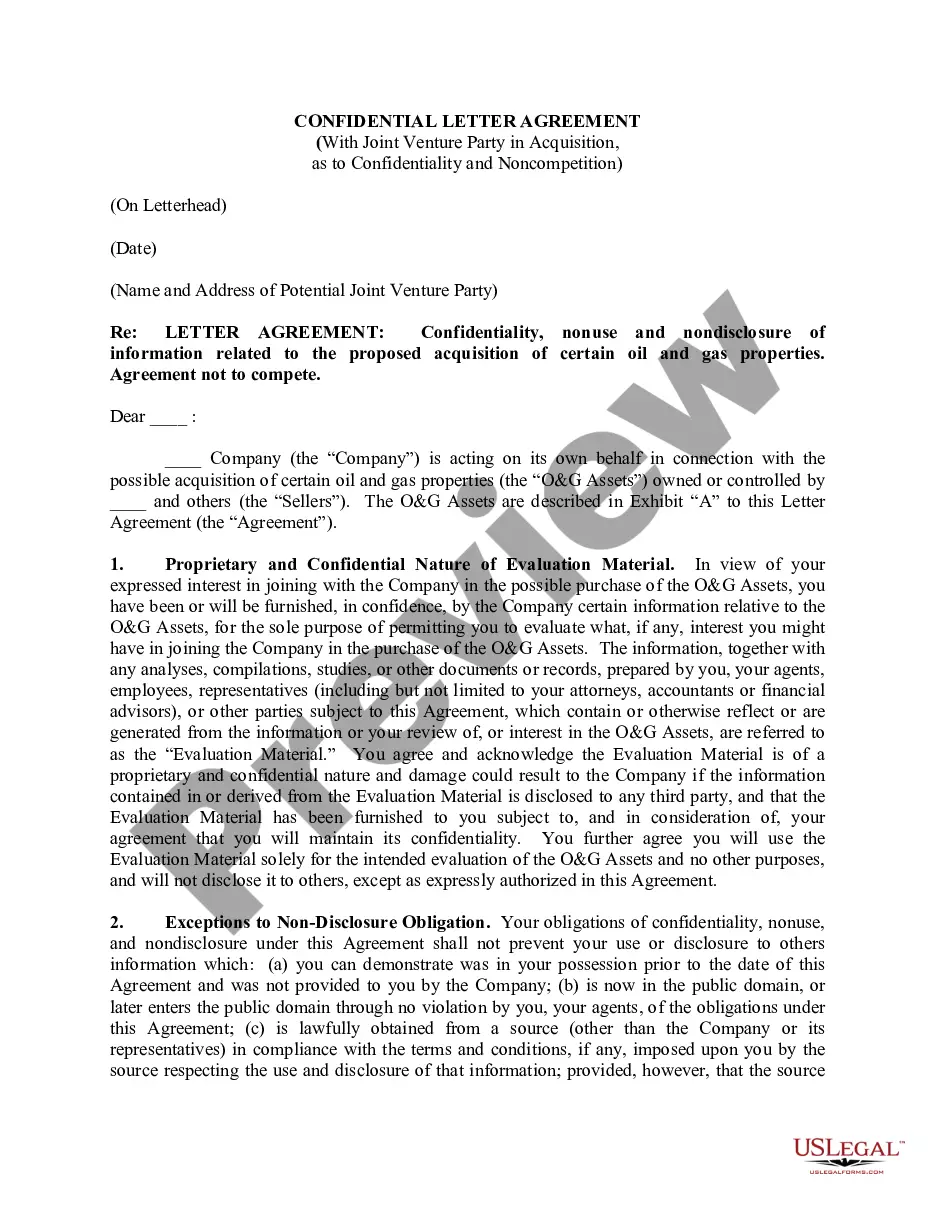
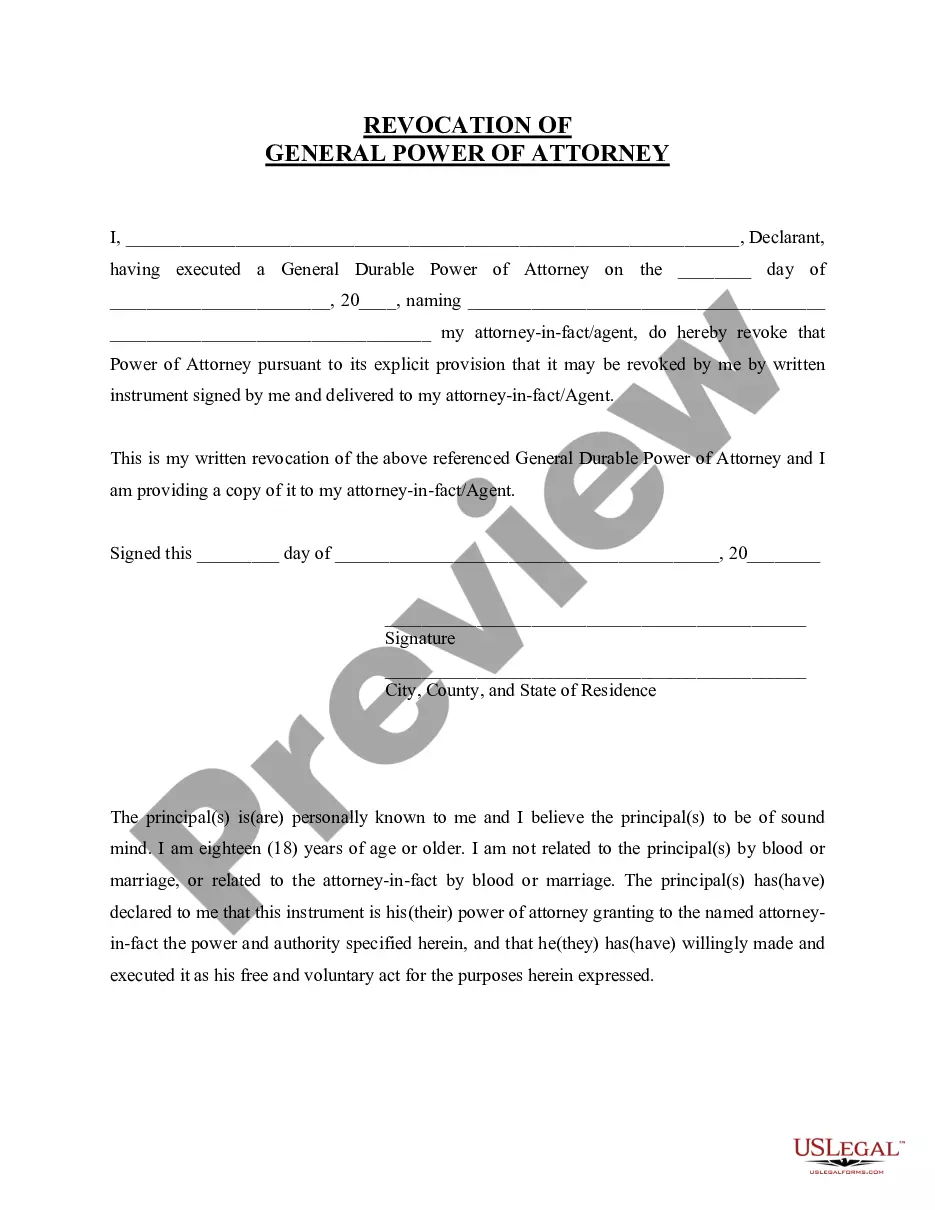

Form popularity
FAQ
At $155 per acre, the average rate to rent cropland in the United States in 2023 was $7 higher than in 2022. The average rate per acre for irrigated cropland was $237 (up from $227 in 2022) and non-irrigated cropland was $142 (up from $135 in 2022).
Steps to leasing land Determine your goals. If you're a landowner, think about your objectives for the land. Seek professional advice. Negotiate the terms. Sign the lease agreement.
With a leased-land property, you risk losing all of your equity at lease expiration, depending on the terms of the surrender clause. The resale of the home is likely to be more difficult than the resale of a traditional home, especially because with each passing year, the remaining term on the lease shortens.
A land lease, or ground lease, is a agreement in which a lessee owns entities or improvements in a designated area, but doesn't own the actual land.
Here's a list of standard fields that you should include in your lease agreement: Tenant information. Include each tenant's full name and contact information. Rental property description. Security deposit. Monthly rent amount. Utilities. Lease term. Policies. Late fees.
Lease-to-own allows farmers to transfer land with flexible options, a test period, and less debt for the incoming (tenant) farmer. Leasing for the purpose of permanently transferring ownership over the long term requires strong communication and a good working relationship between the parties bound by the lease.
Lease agreements are a contract. But you don't necessarily need to hire a lawyer to write good lease agreements, you can do it yourself. But you're a first-time landlord or simply don't have the time to write a lease, you can hire a property management company to do it for you.
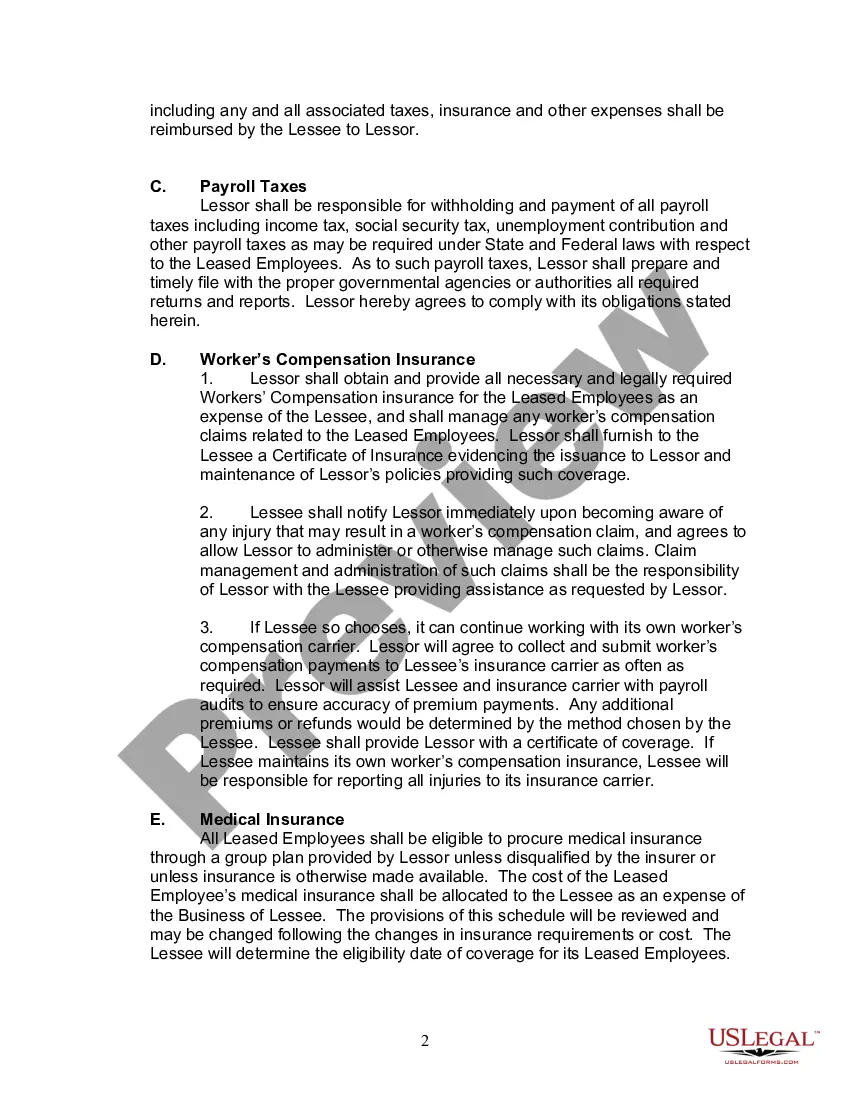
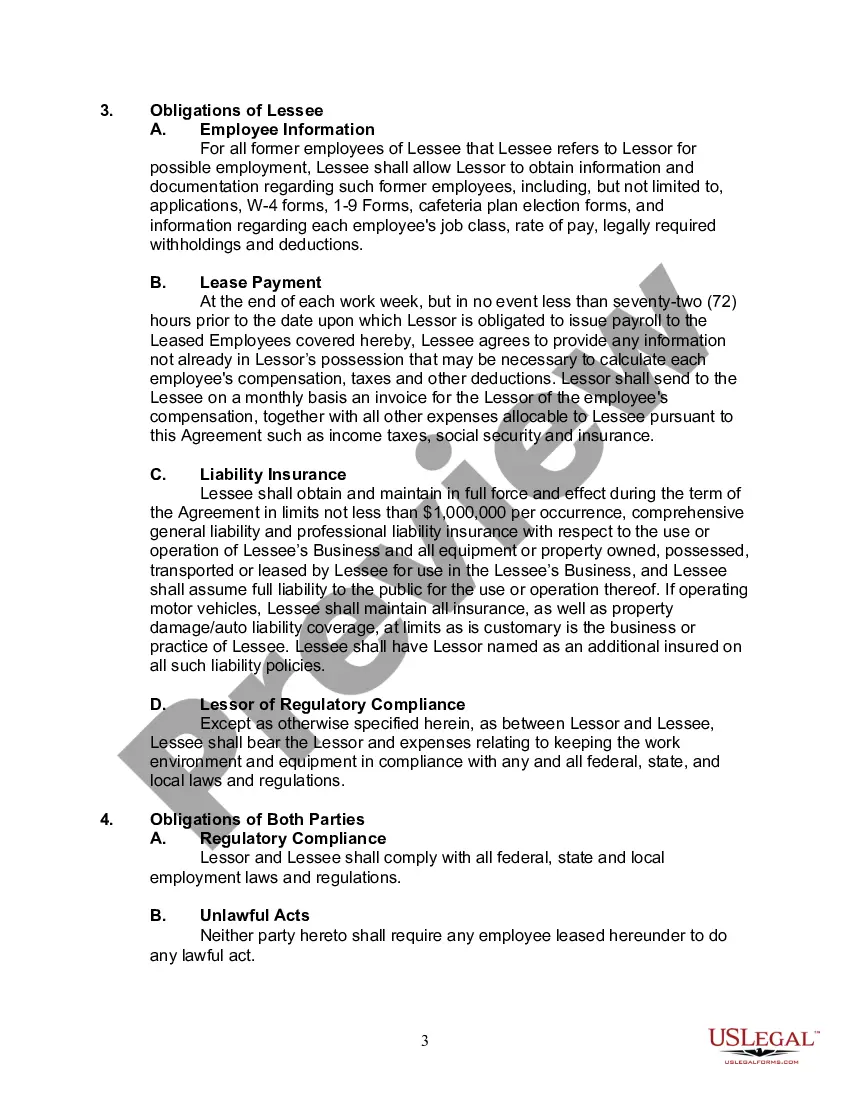
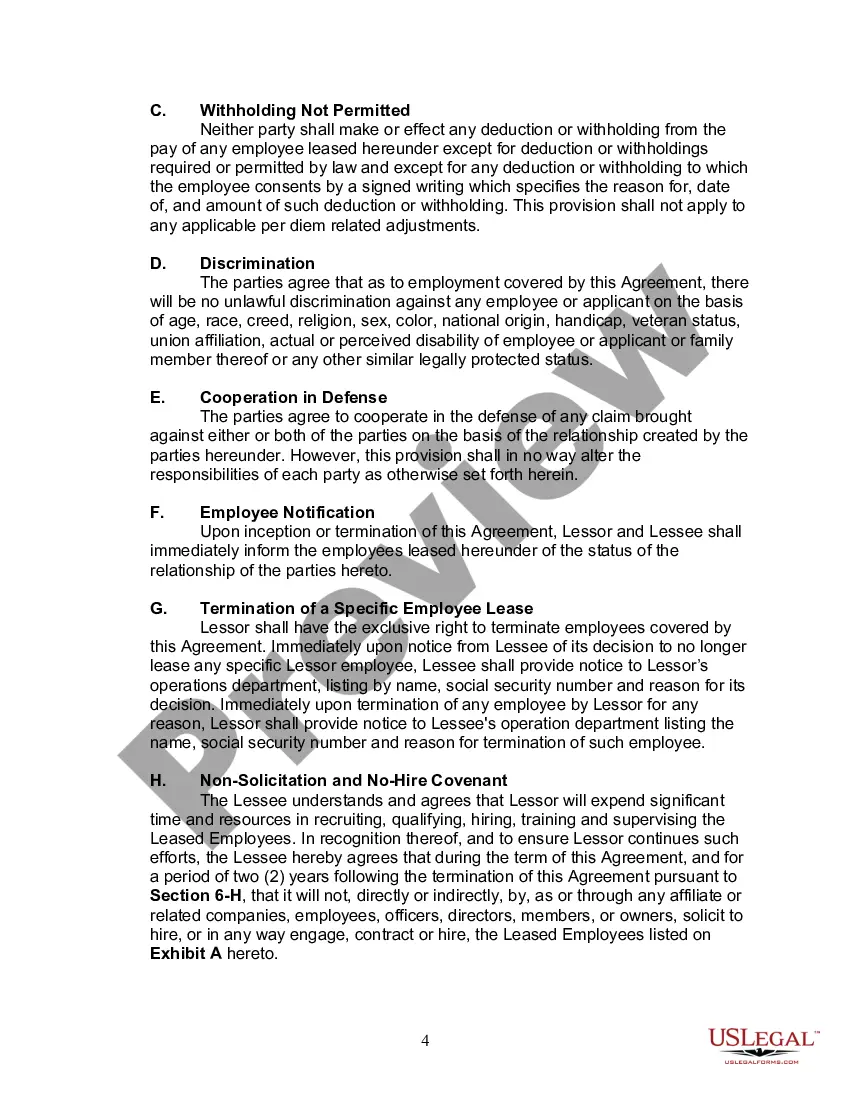
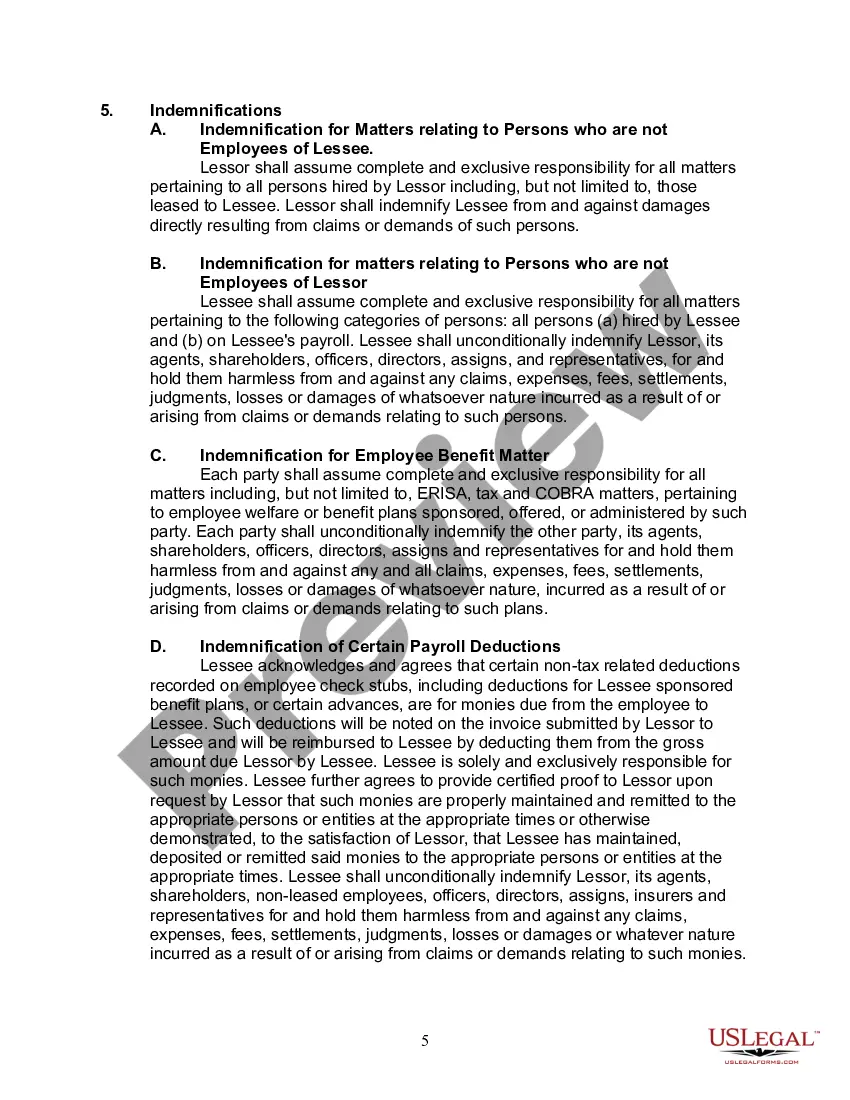
While leased employees are legally employed by a PEO, they work under the day-to-day management and supervision of the leasing business — much like any other employee.
A PEO, or professional employer organization, has a different relationship with client companies. Instead of being a firm that leases employees to their clients, a PEO becomes an employer of record for the client's employees. This is known as a co-employment agreement.
Drawbacks of employee leasing Less control: One of the greatest risks of employee leasing is that you're delegating an important part of your business to an outside company that doesn't know your business as well as you do. You lose control of your processes, systems and benefits.
