Staff Rental Agreement Form Bc In Maryland
Description

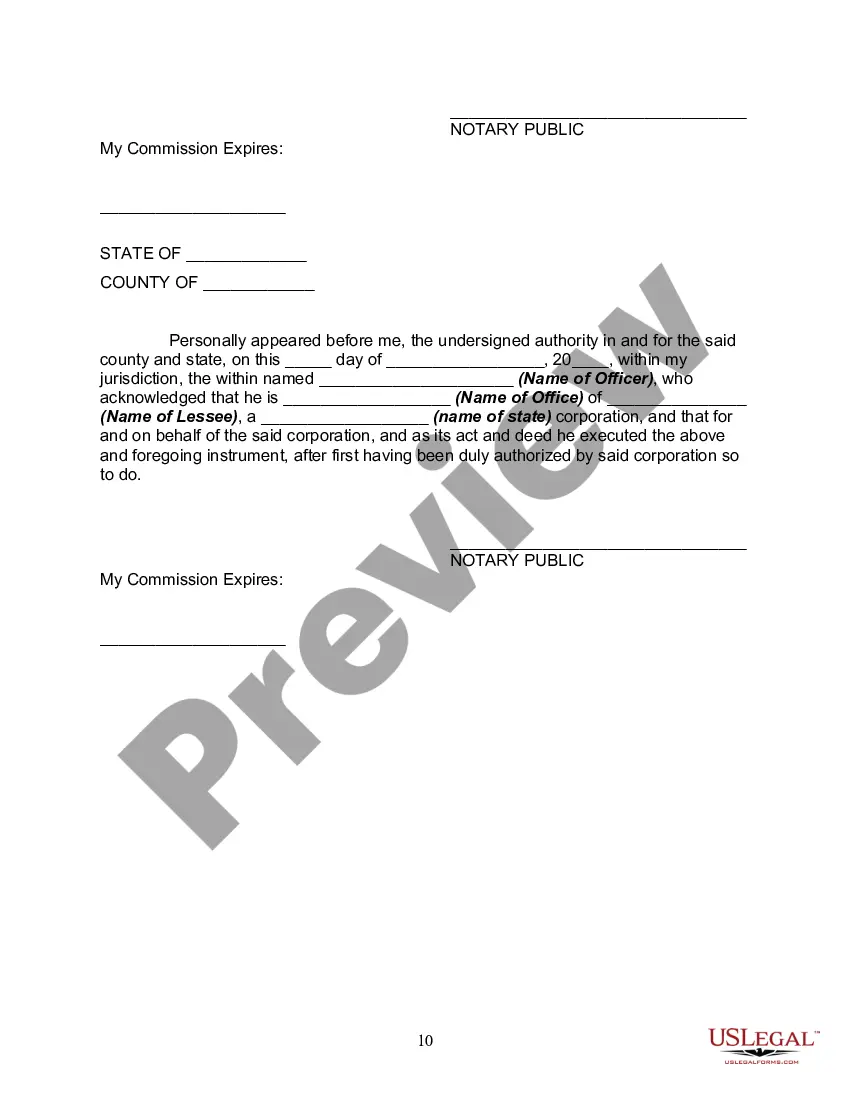
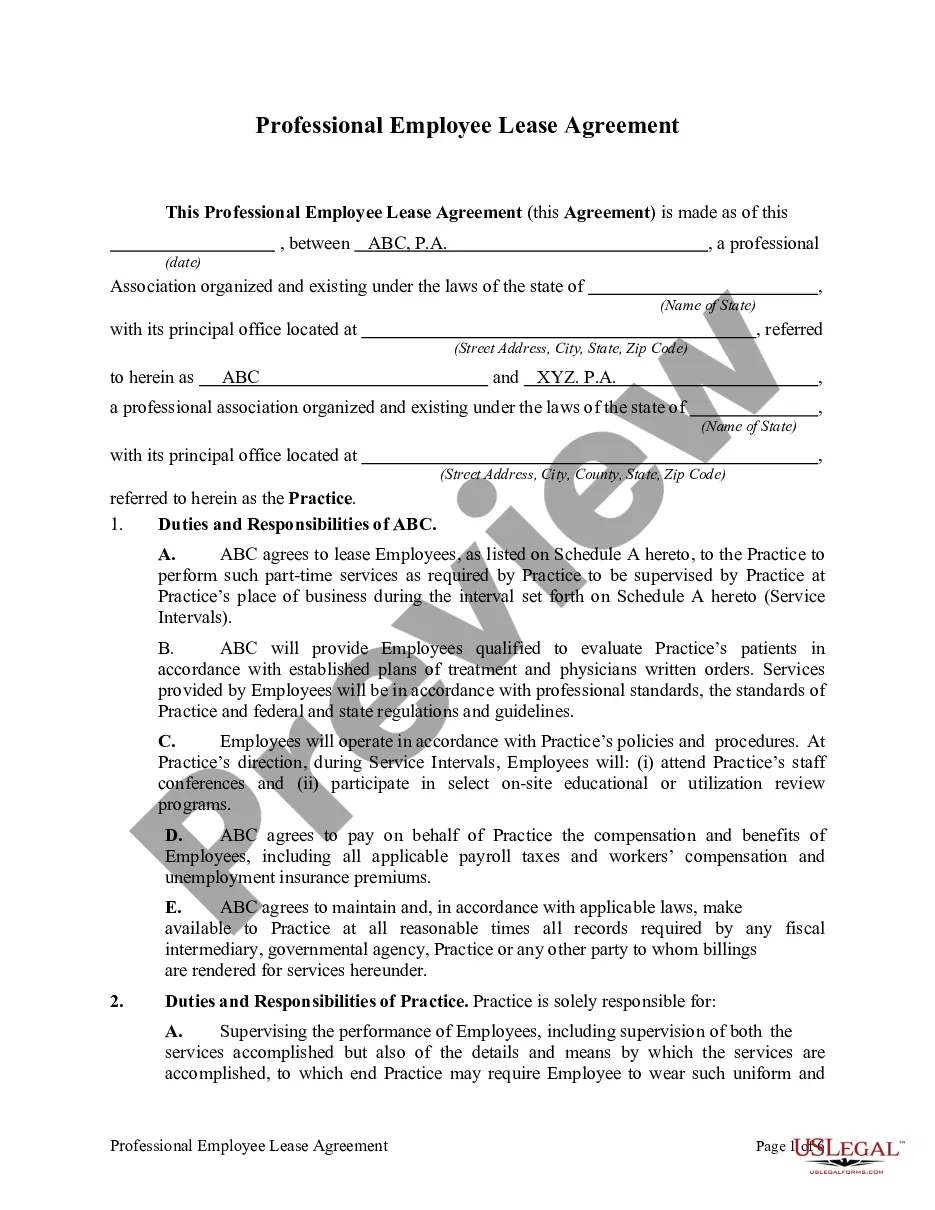
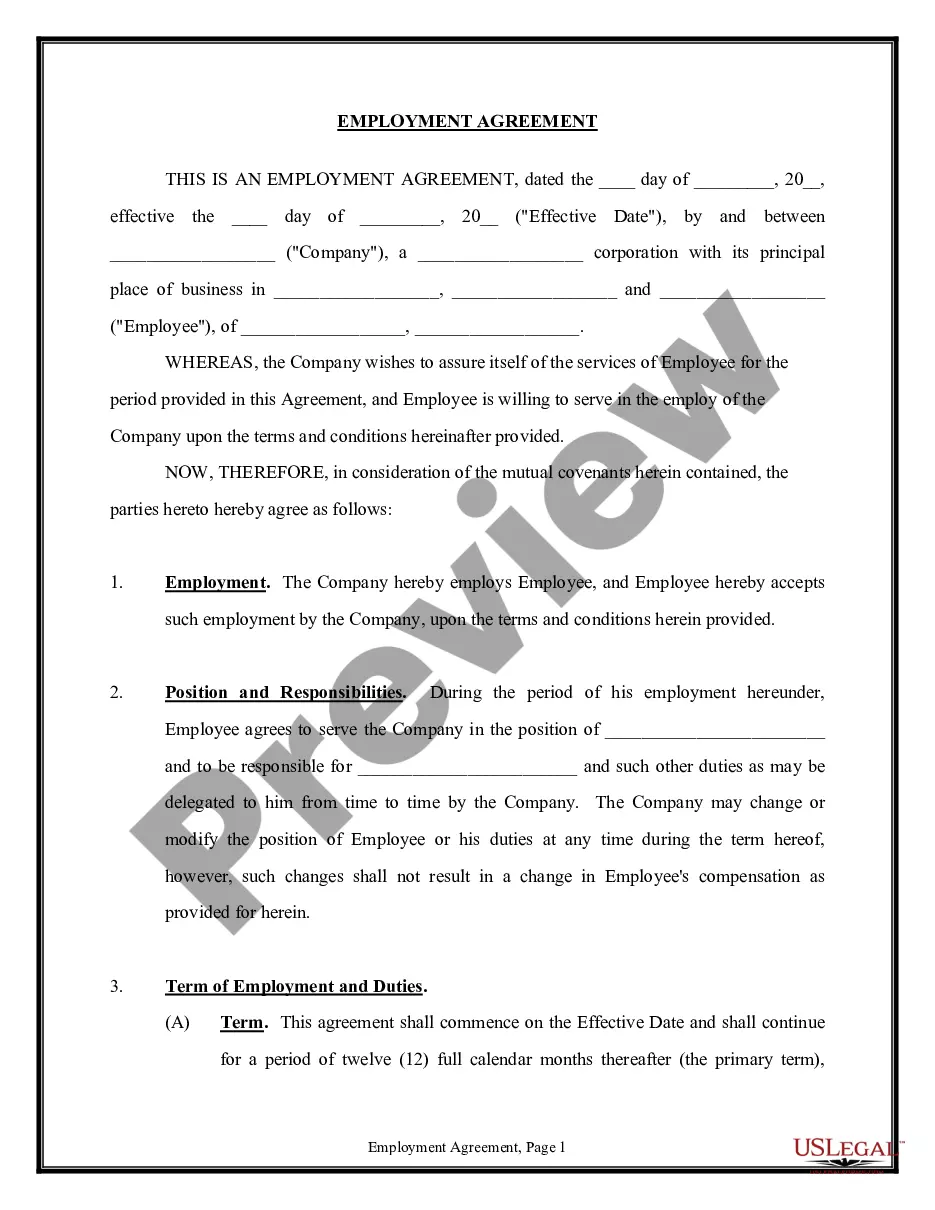
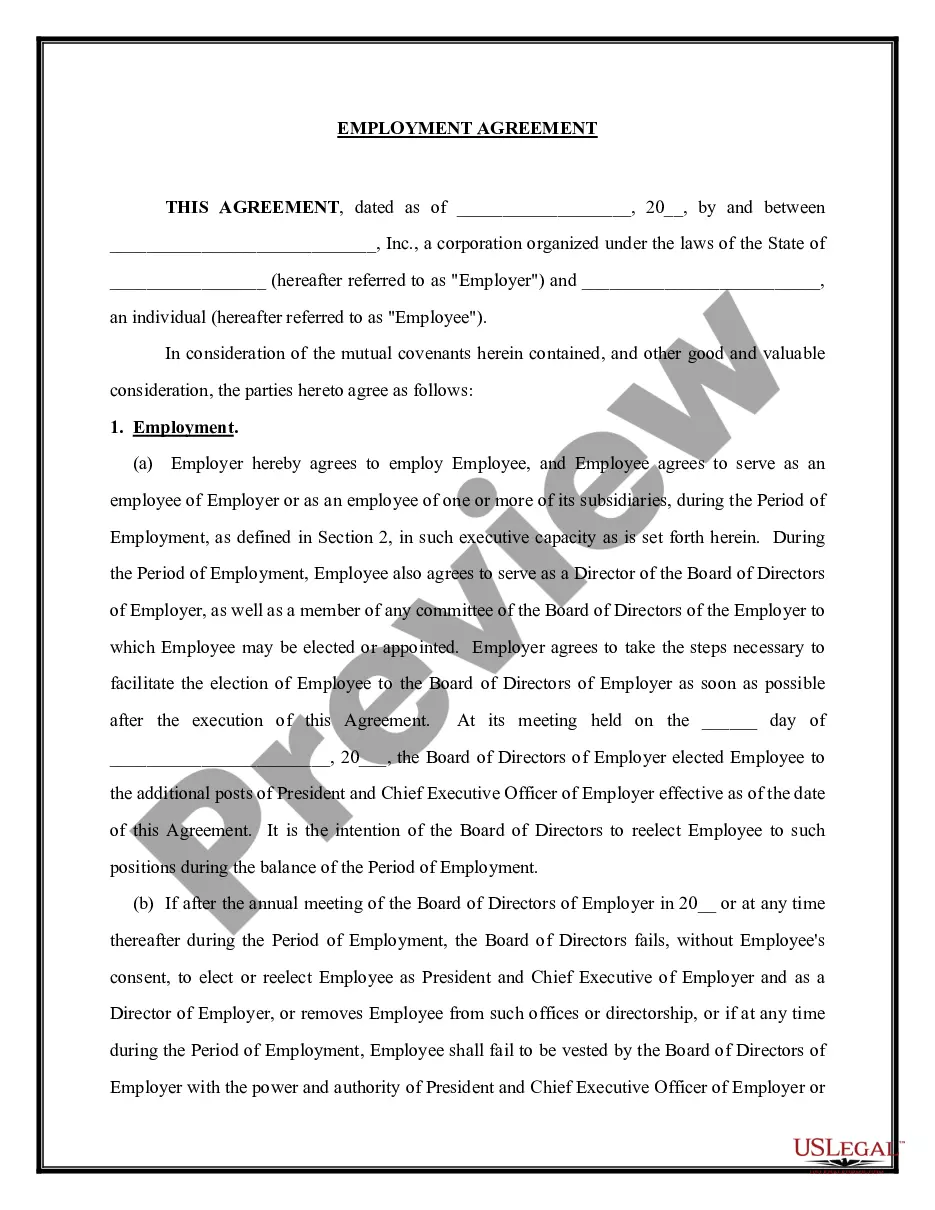
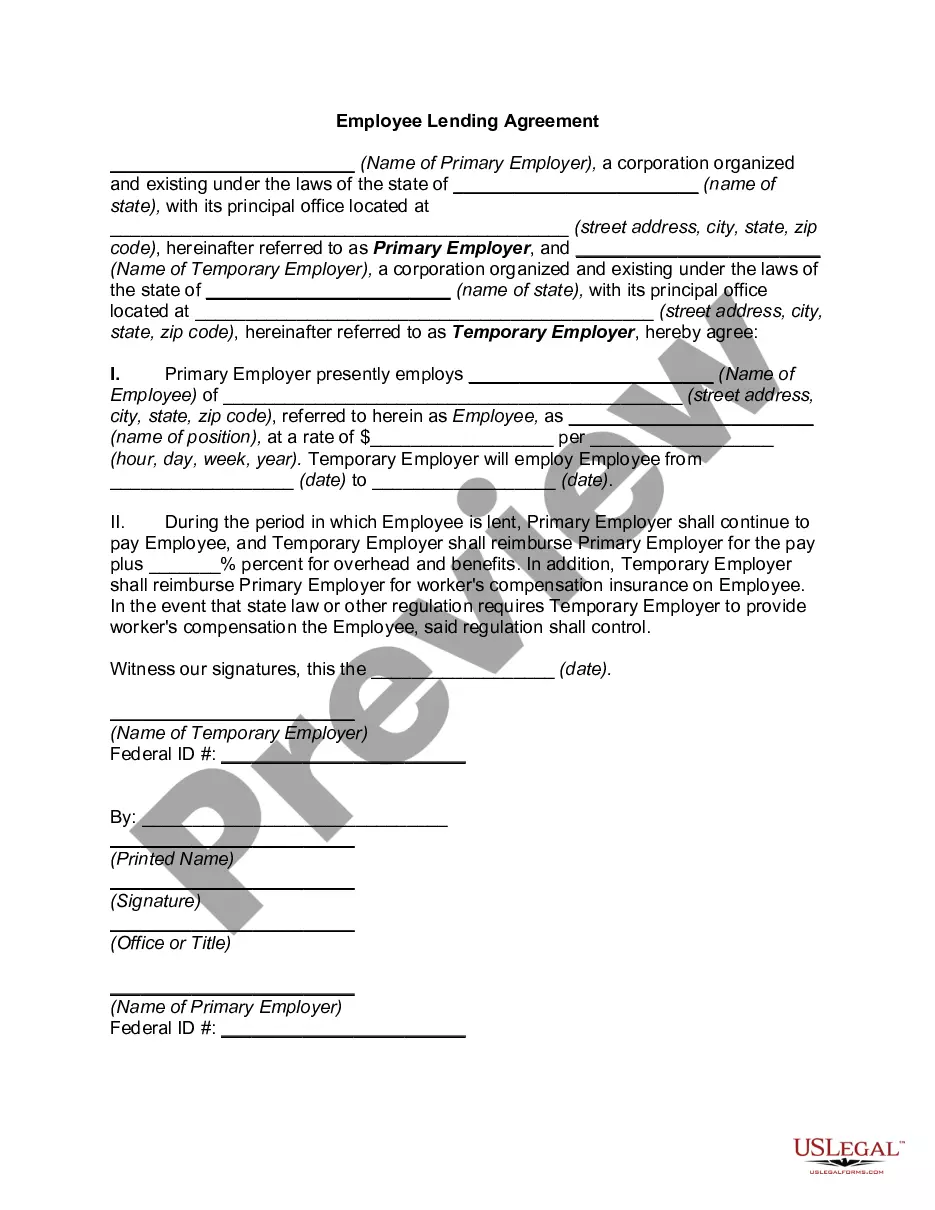
Get your form ready online
Our built-in tools help you complete, sign, share, and store your documents in one place.
Make edits, fill in missing information, and update formatting in US Legal Forms—just like you would in MS Word.
Download a copy, print it, send it by email, or mail it via USPS—whatever works best for your next step.
Sign and collect signatures with our SignNow integration. Send to multiple recipients, set reminders, and more. Go Premium to unlock E-Sign.
If this form requires notarization, complete it online through a secure video call—no need to meet a notary in person or wait for an appointment.
We protect your documents and personal data by following strict security and privacy standards.

Make edits, fill in missing information, and update formatting in US Legal Forms—just like you would in MS Word.

Download a copy, print it, send it by email, or mail it via USPS—whatever works best for your next step.

Sign and collect signatures with our SignNow integration. Send to multiple recipients, set reminders, and more. Go Premium to unlock E-Sign.

If this form requires notarization, complete it online through a secure video call—no need to meet a notary in person or wait for an appointment.

We protect your documents and personal data by following strict security and privacy standards.
Looking for another form?

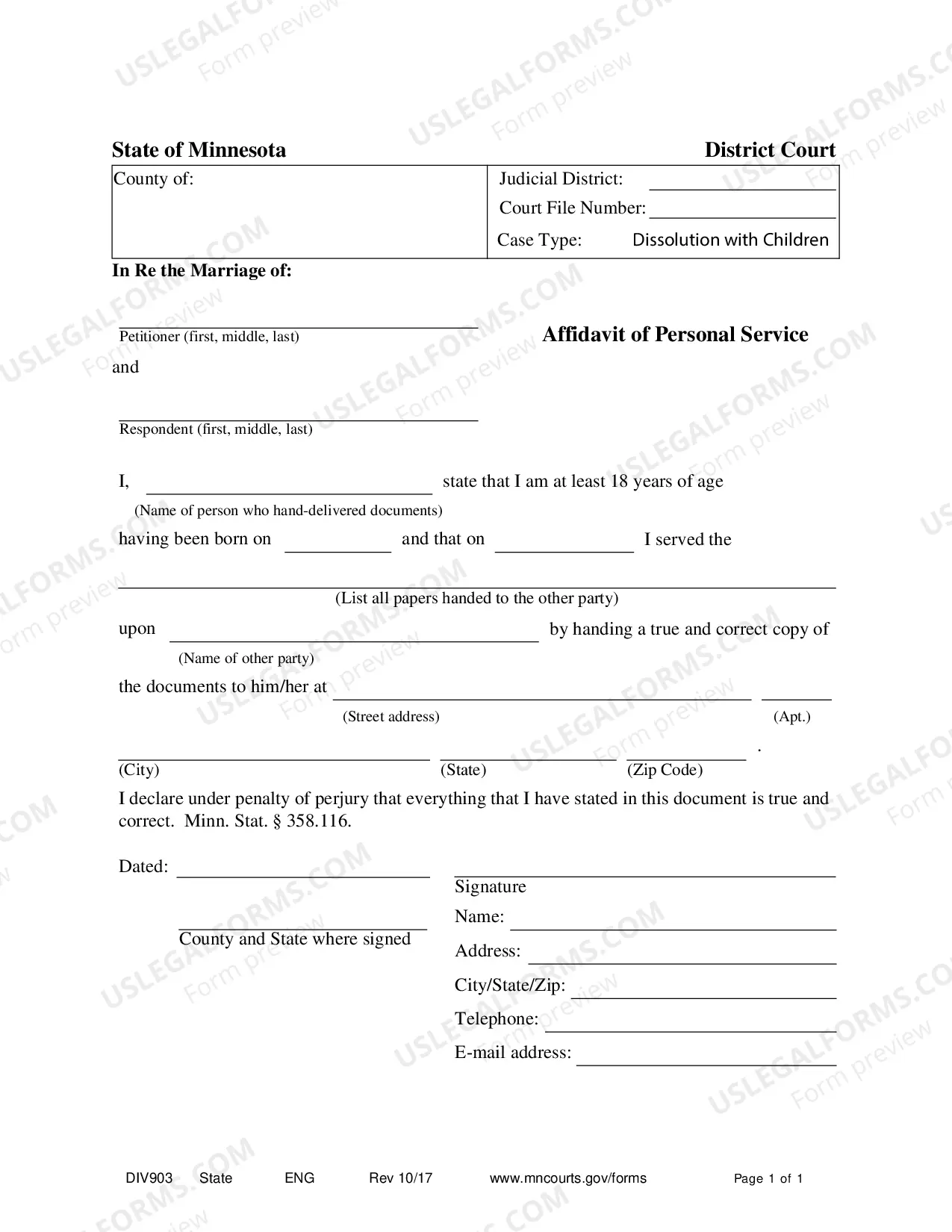
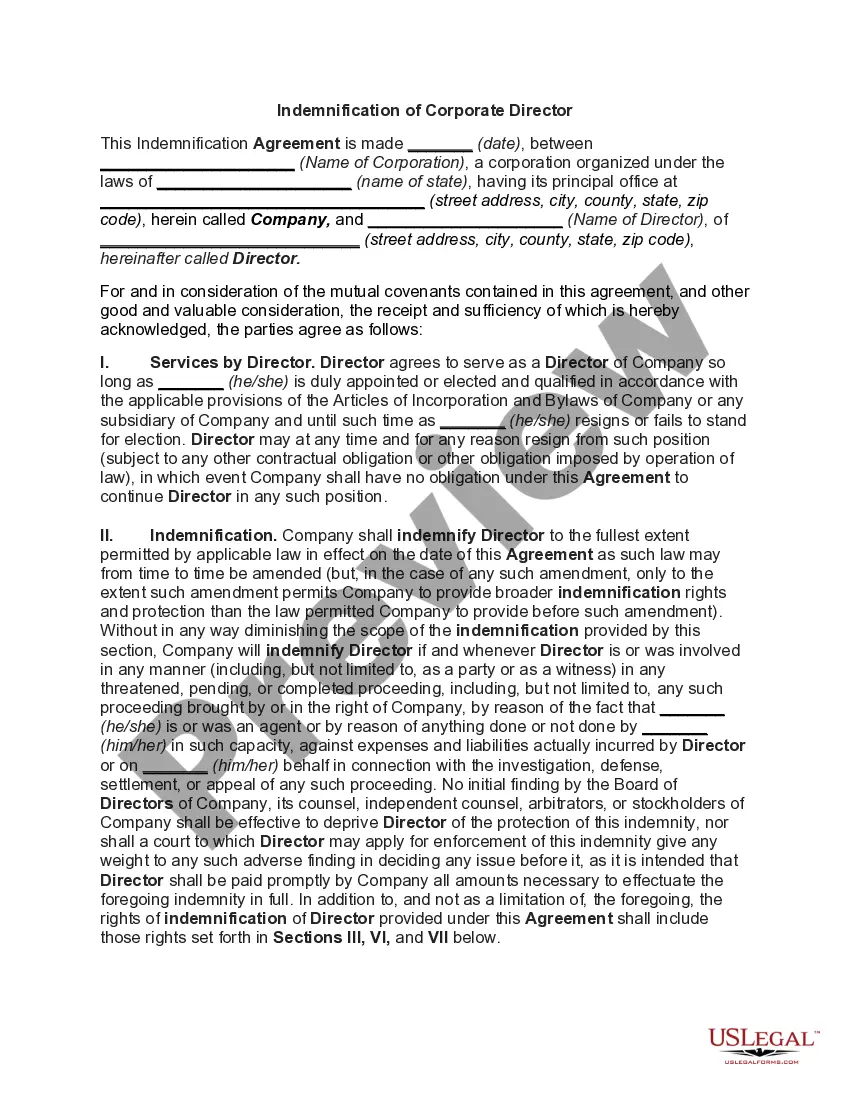
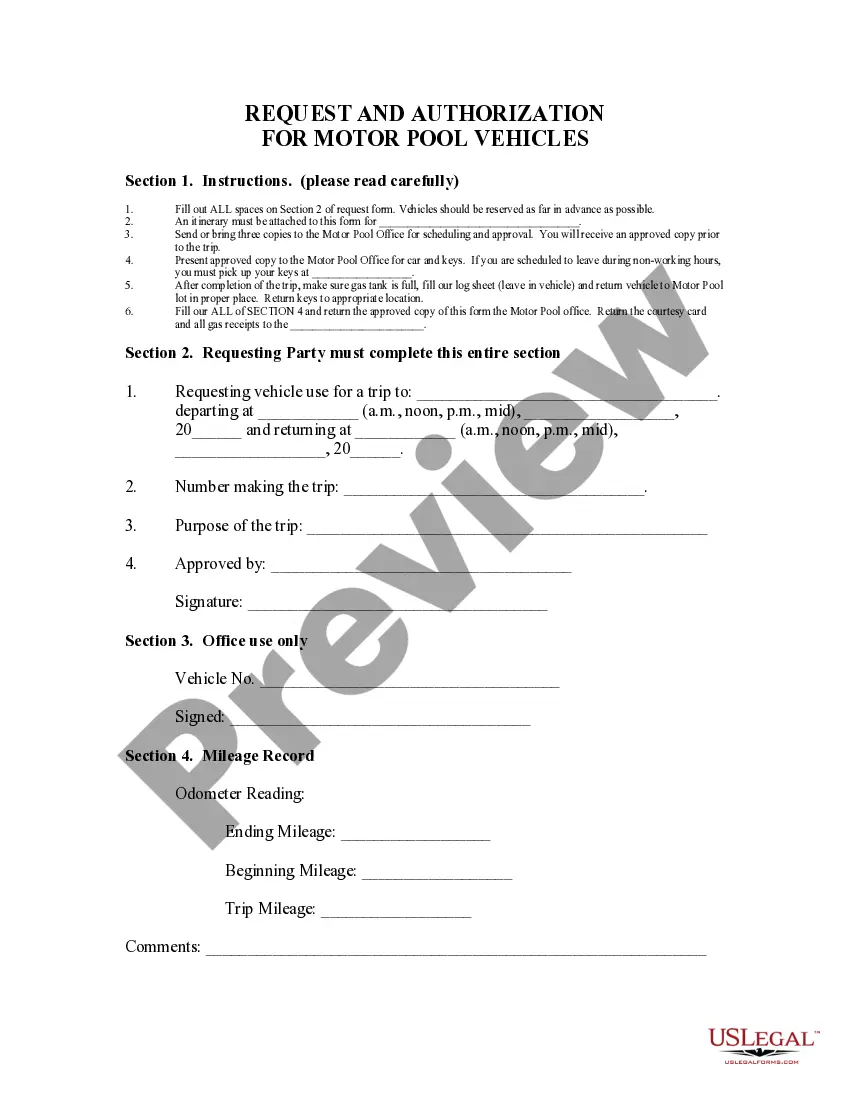
Form popularity
FAQ
Here's a list of standard fields that you should include in your lease agreement: Tenant information. Include each tenant's full name and contact information. Rental property description. Security deposit. Monthly rent amount. Utilities. Lease term. Policies. Late fees.
Maryland requires a tenant to give 1 rental period advance notice to terminate a tenancy, but requires a landlord to give 60 days notice. A written agreement can make the tenant's obligation longer than 1 rental period, but not longer than the landlord's obligation.
The Maryland lease termination letter is used to terminate a rental agreement that renews on a monthly basis. Landlords are required to give tenants 60 days' notice before the lease officially ends, while tenants are only obligated to give 30 days' notice.
The landlord must give the tenant 28 days' notice that the tenancy is terminating plus the period of notice in the original notice of termination that remains unexpired on the date of service of the remedial notice.
In Maryland, rental contracts do not have to be notarized. A lease is a legal contract as long as it has been signed and agreed upon by the tenant and landlord. If your tenant breaches the agreement, you could enlist the help of licensed attorneys.
If you do not move out when your lease has ended, your landlord may evict you for “holding over.” The landlord must prove that they gave you proper notice (at least one month's ad- vance written notice) of the ending of your lease. and imminent danger,” 14 days' notice.
There is no rent control in Maryland at the state level, meaning there is no cap on the amount of rent that can be raised.
When creating a one-page lease agreement, include sections covering the following: Involved parties. Property details. Lease terms, such as length, type, monthly rent, deposit. Conditions of property use. Details about utilities. Included furnishings. Repair and damages policy. Termination conditions.
Here are 16 steps on how to make a lease agreement: Include the contact information of both parties. Include property details. Outline property utilities and services. Define the lease term. Disclose the monthly rent amount and due date. Detail the penalties and late fees. Describe any additional or services fees.
Of course you can make up your own lease agreement and I would advise you to think of every conceivable eventuality and make sure that anyone signing it reads it so they know what it says and agrees before they sign it.
