Employment Lease Agreement Format In Maryland
Description

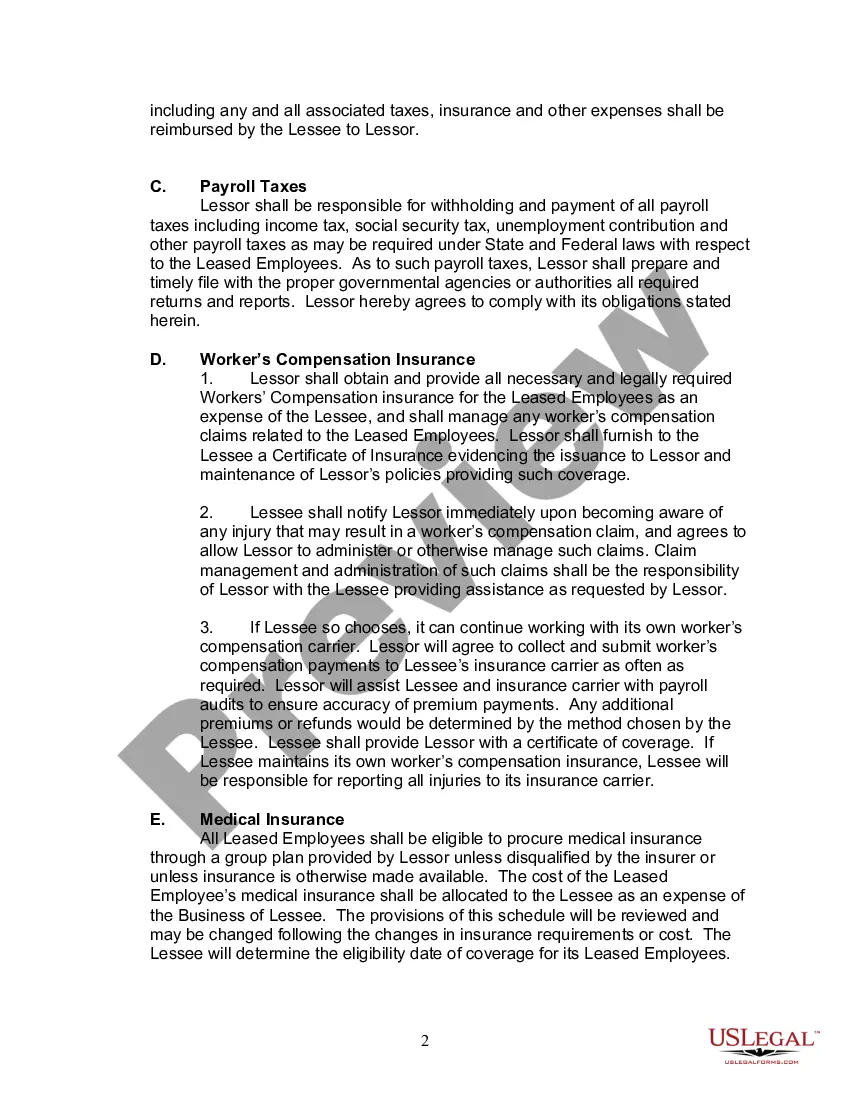
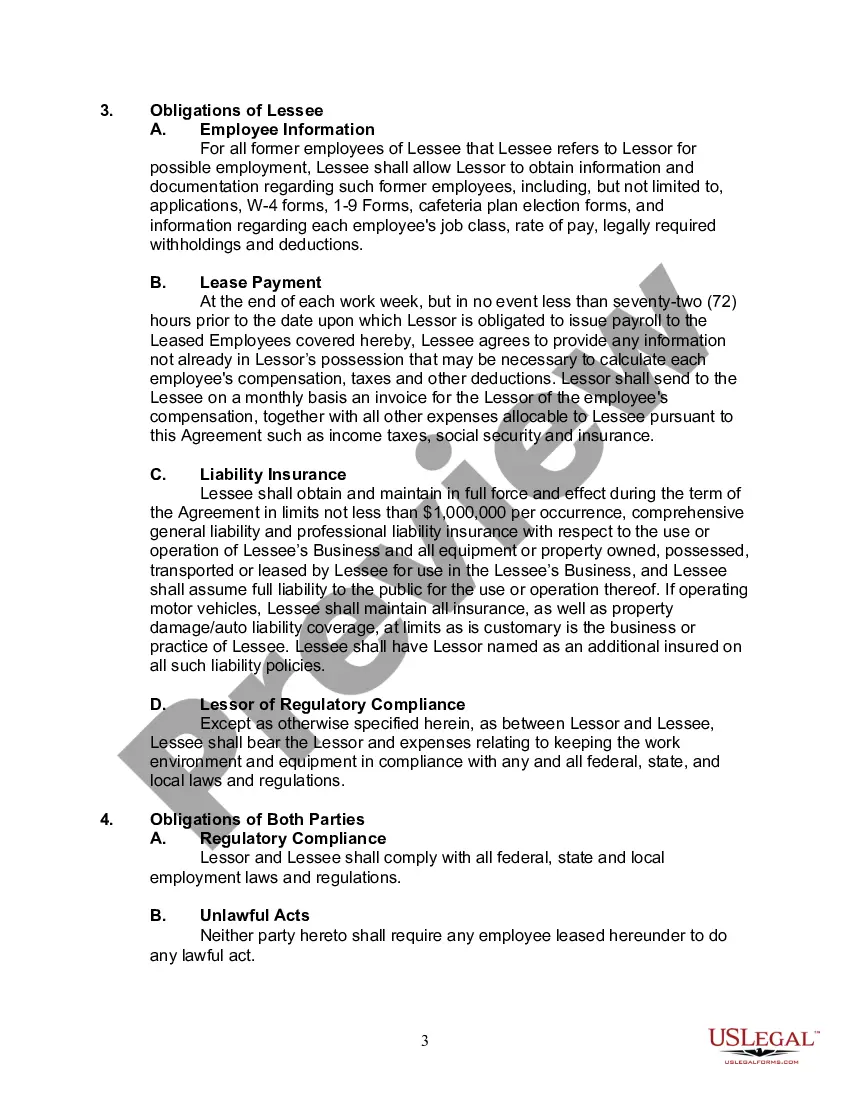
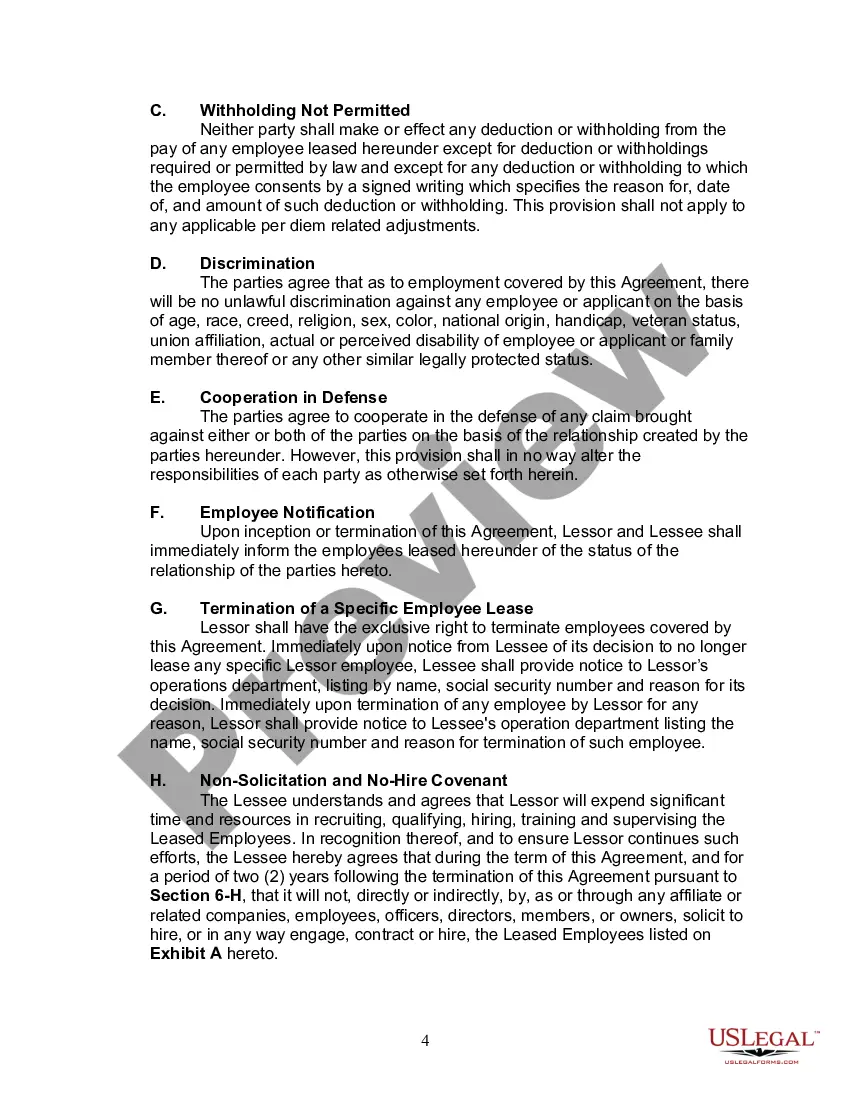
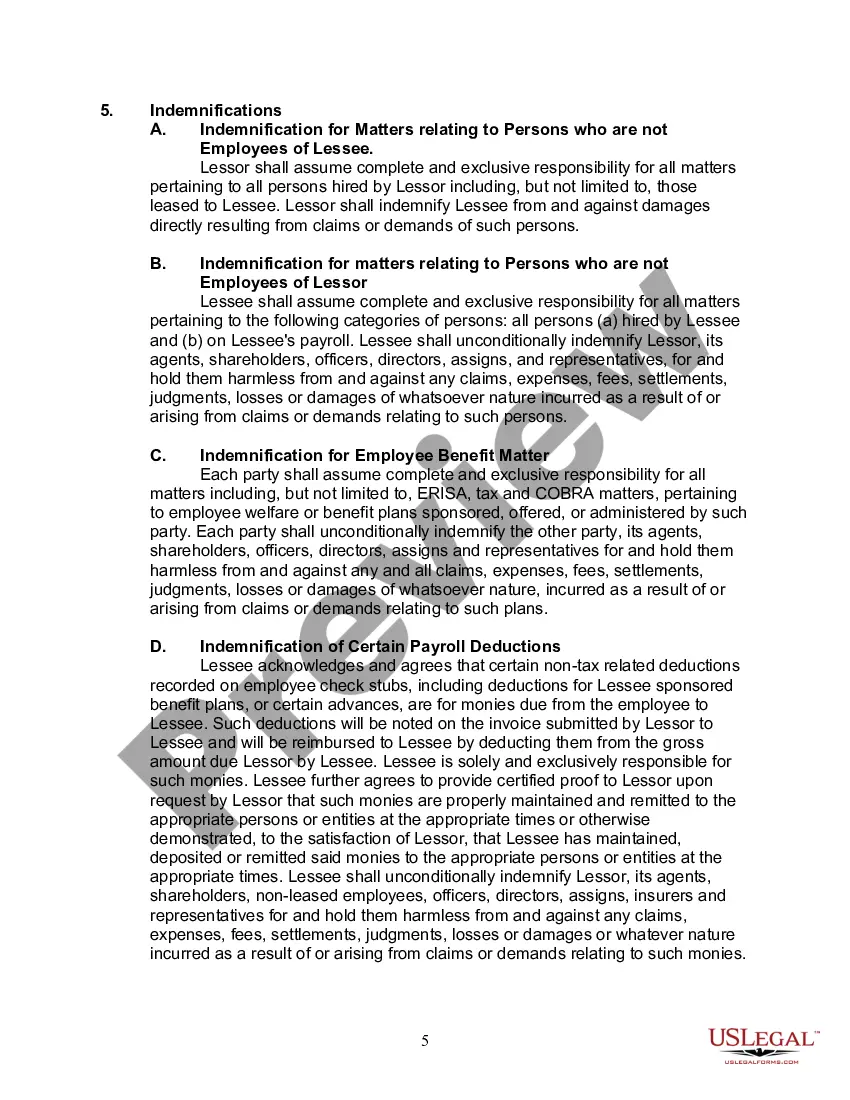
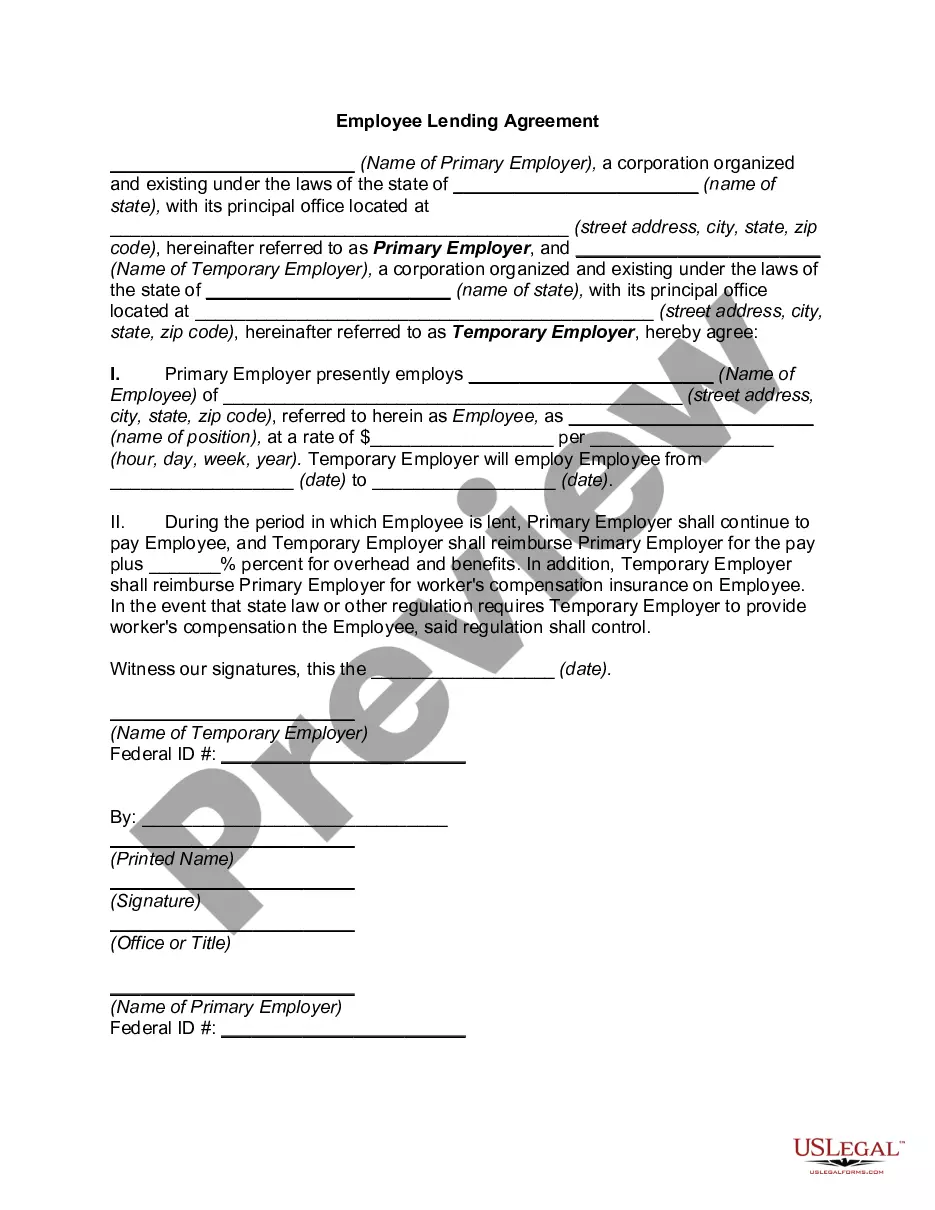
Get your form ready online
Our built-in tools help you complete, sign, share, and store your documents in one place.
Make edits, fill in missing information, and update formatting in US Legal Forms—just like you would in MS Word.
Download a copy, print it, send it by email, or mail it via USPS—whatever works best for your next step.
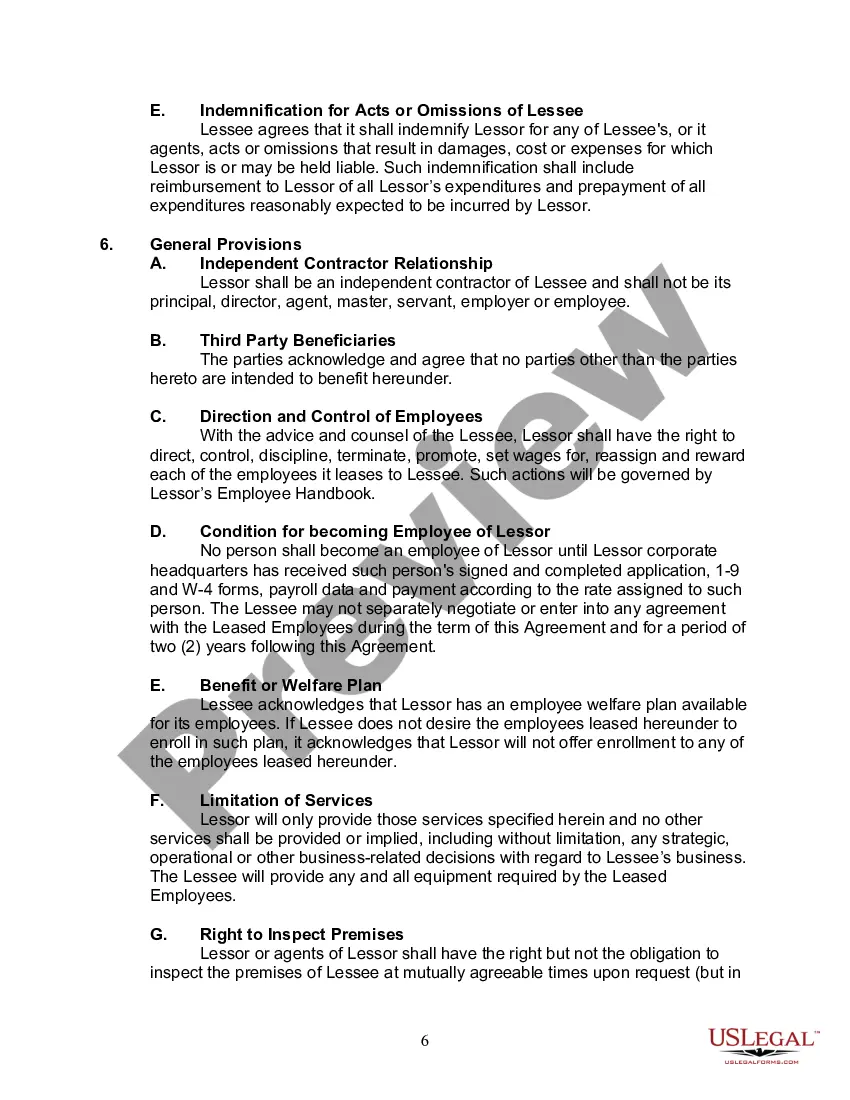
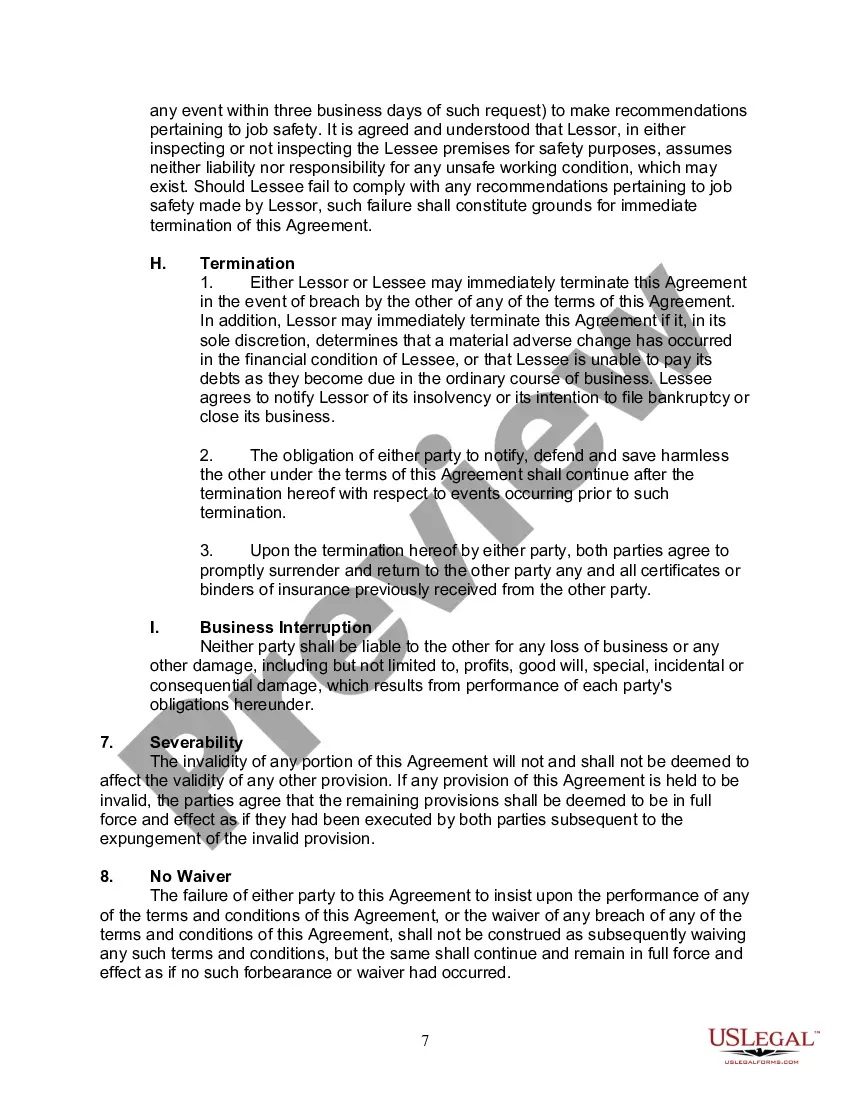
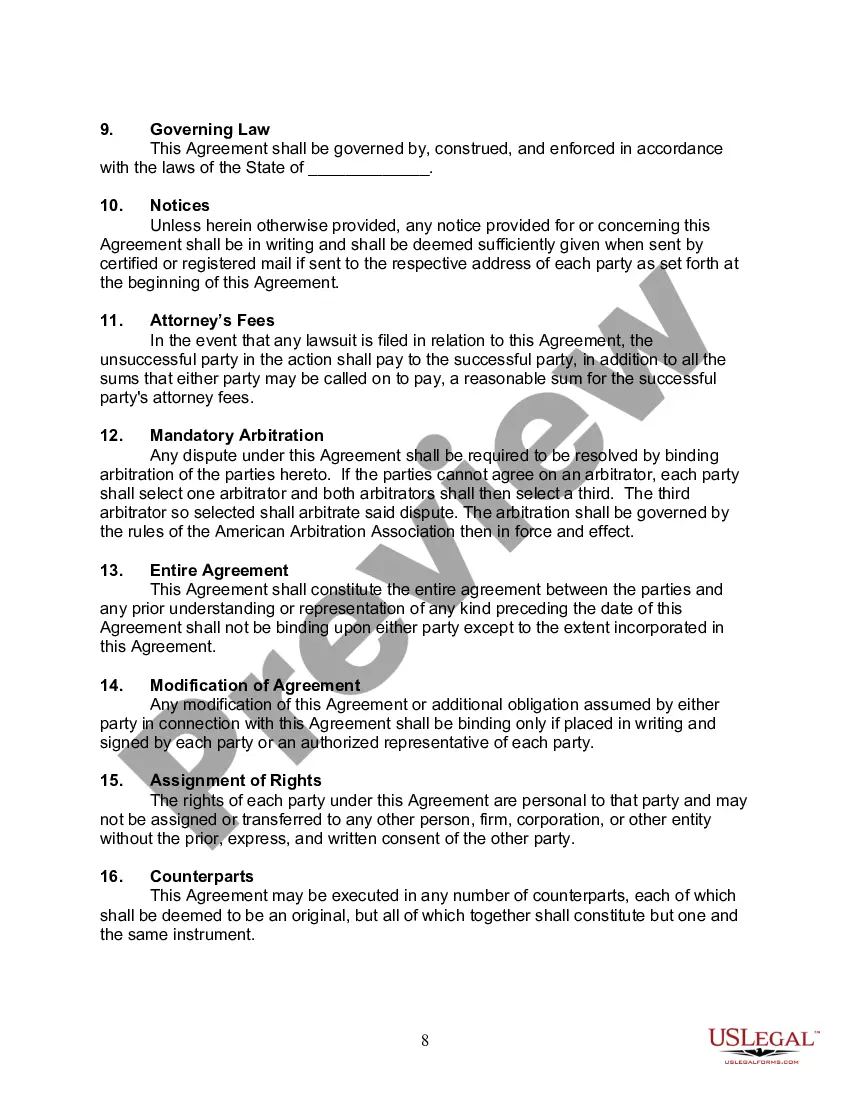
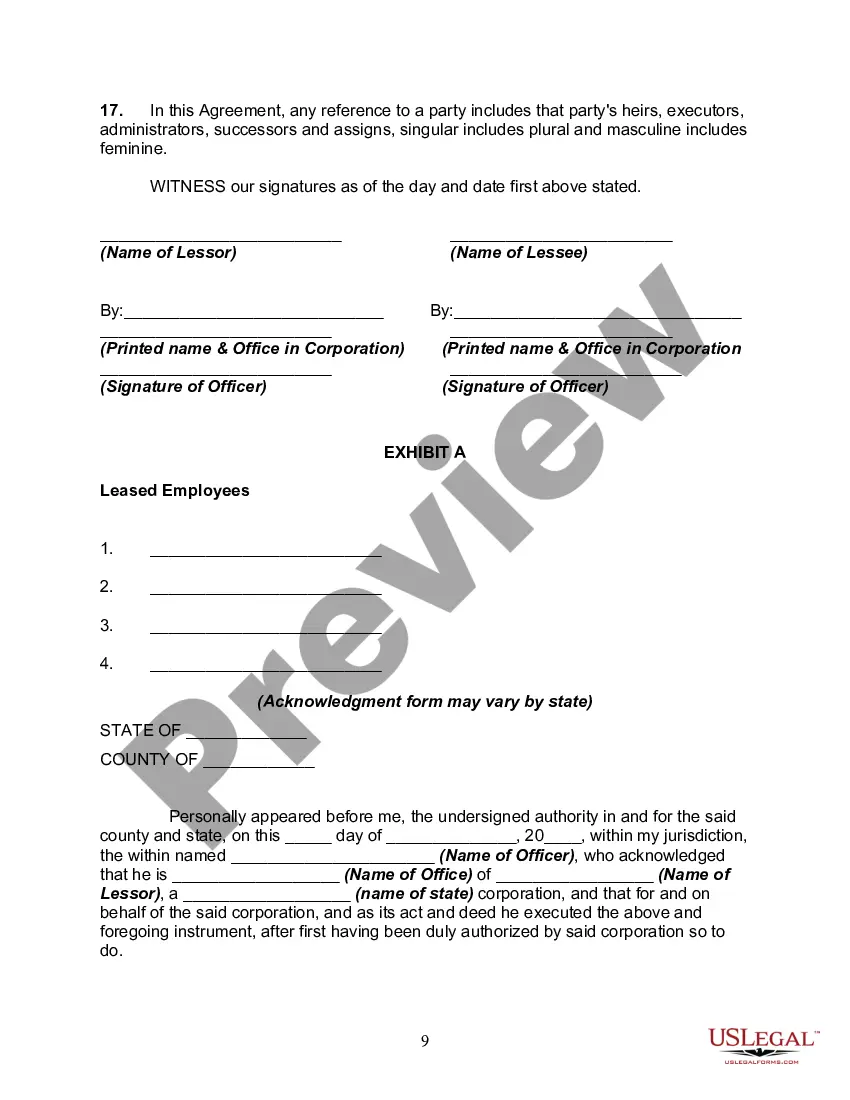
Sign and collect signatures with our SignNow integration. Send to multiple recipients, set reminders, and more. Go Premium to unlock E-Sign.
If this form requires notarization, complete it online through a secure video call—no need to meet a notary in person or wait for an appointment.
We protect your documents and personal data by following strict security and privacy standards.

Make edits, fill in missing information, and update formatting in US Legal Forms—just like you would in MS Word.

Download a copy, print it, send it by email, or mail it via USPS—whatever works best for your next step.

Sign and collect signatures with our SignNow integration. Send to multiple recipients, set reminders, and more. Go Premium to unlock E-Sign.

If this form requires notarization, complete it online through a secure video call—no need to meet a notary in person or wait for an appointment.

We protect your documents and personal data by following strict security and privacy standards.
Looking for another form?
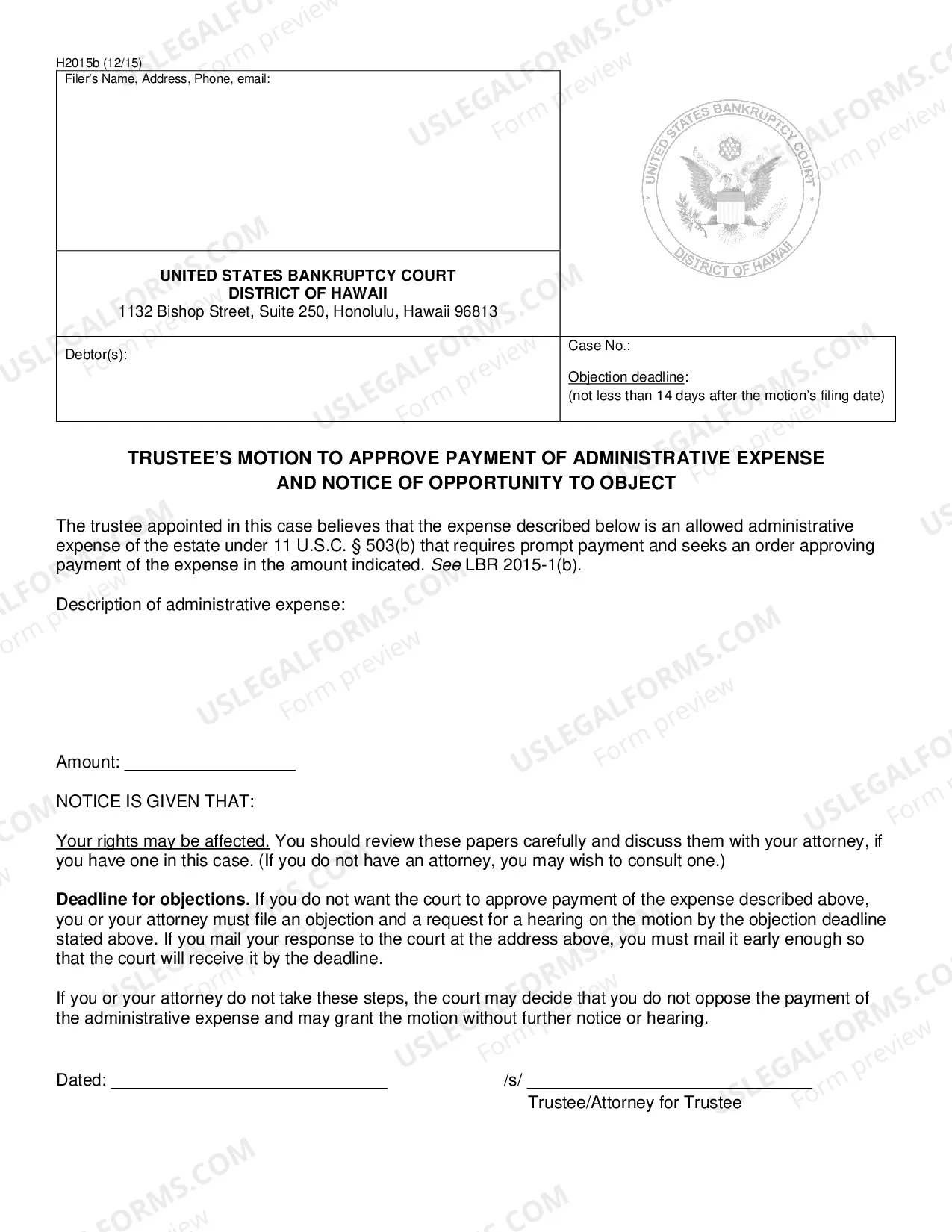
Form popularity
FAQ
In Maryland, rental contracts do not have to be notarized. A lease is a legal contract as long as it has been signed and agreed upon by the tenant and landlord. If your tenant breaches the agreement, you could enlist the help of licensed attorneys.
When creating a one-page lease agreement, include sections covering the following: Involved parties. Property details. Lease terms, such as length, type, monthly rent, deposit. Conditions of property use. Details about utilities. Included furnishings. Repair and damages policy. Termination conditions.
Here's a list of standard fields that you should include in your lease agreement: Tenant information. Include each tenant's full name and contact information. Rental property description. Security deposit. Monthly rent amount. Utilities. Lease term. Policies. Late fees.
The employment agreement should define the employee's role, job duties, and goals so the employee knows what to expect and deliver. Employment duration. The agreement should include employment start and end dates, as well as the probationary period timeline, if applicable.
How to write an employment contract Title the employment contract. Identify the parties. List the term and conditions. Outline the job responsibilities. Include compensation details. Use specific contract terms. Consult with an employment lawyer.
Write the contract in six steps Start with a contract template. Open with the basic information. Describe in detail what you have agreed to. Include a description of how the contract will be ended. Write into the contract which laws apply and how disputes will be resolved. Include space for signatures.
How to write an employment contract Title the employment contract. Identify the parties. List the term and conditions. Outline the job responsibilities. Include compensation details. Use specific contract terms. Consult with an employment lawyer.
State laws on leases and rental agreements can vary, but a landlord or property management company should provide you with a copy of your signed lease upon request. You should make your request in writing, so you have proof if there is a dispute later.
However, in many cases individuals who are hiring the employee can also choose to write their own contracts. In some cases, independent contractors or freelancers can provide their own contracts and terms of employment. In all scenarios both parties would need to agree and sign the contract for it to be effective.
