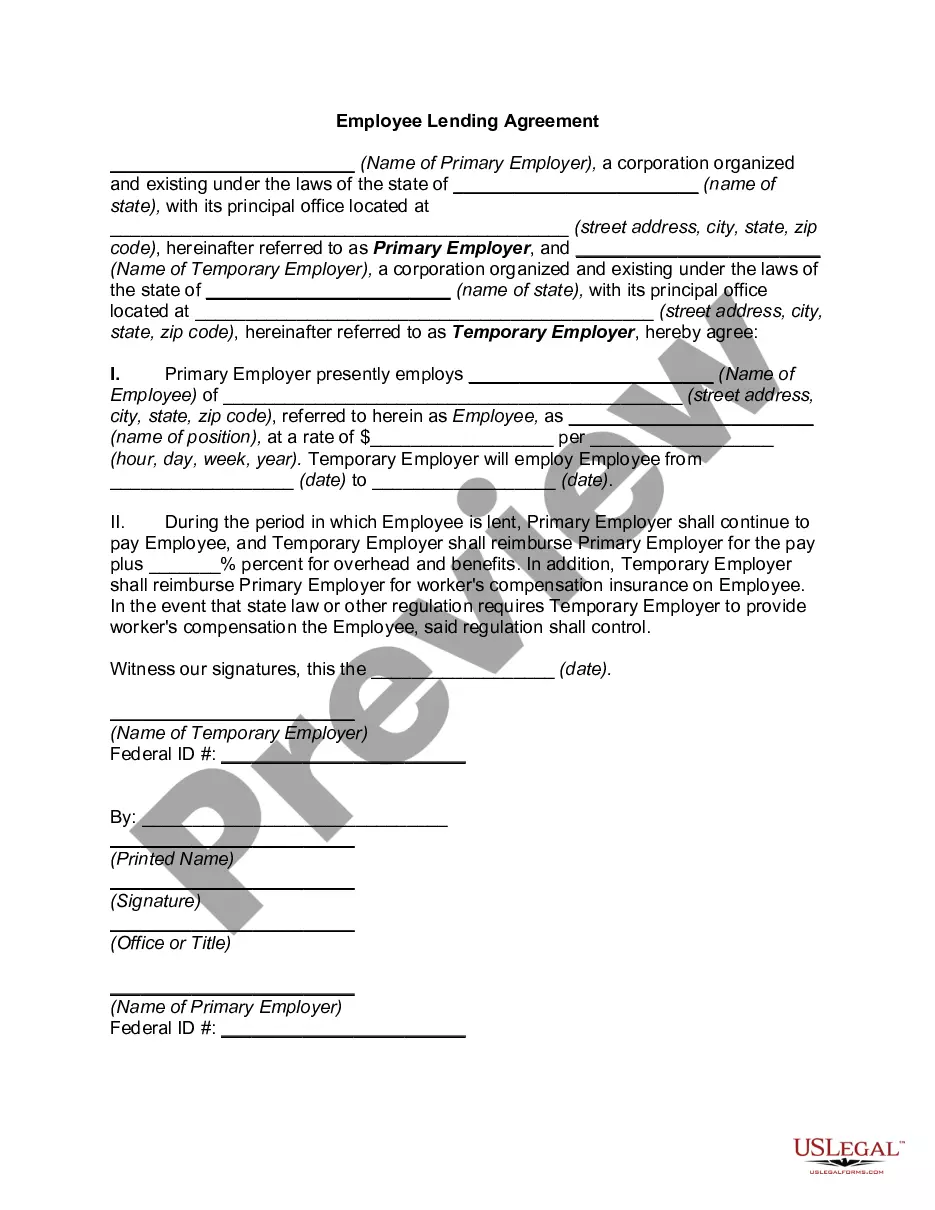
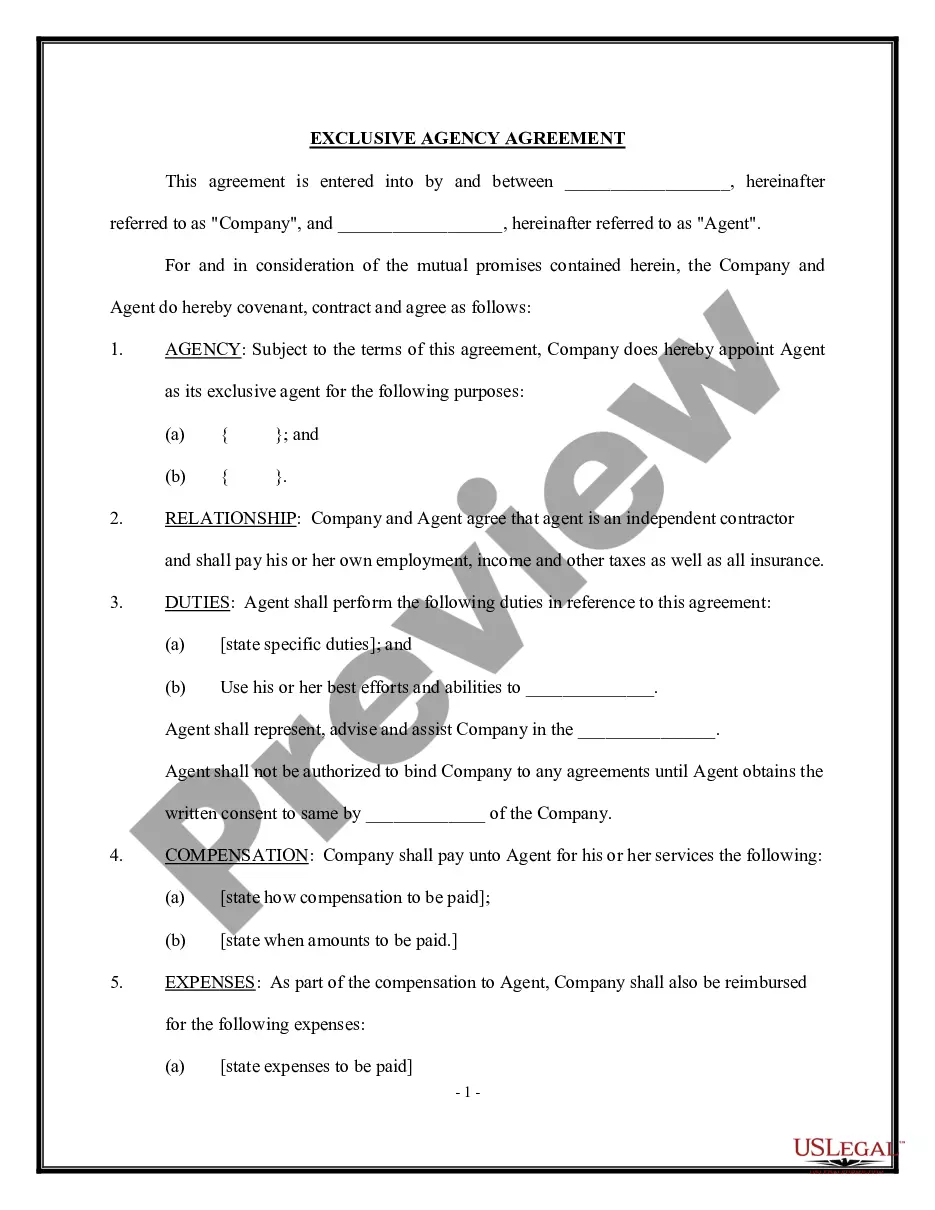
Employee Form Document With Attachment In Los Angeles
Description

Get your form ready online
Our built-in tools help you complete, sign, share, and store your documents in one place.
Make edits, fill in missing information, and update formatting in US Legal Forms—just like you would in MS Word.
Download a copy, print it, send it by email, or mail it via USPS—whatever works best for your next step.
Sign and collect signatures with our SignNow integration. Send to multiple recipients, set reminders, and more. Go Premium to unlock E-Sign.
If this form requires notarization, complete it online through a secure video call—no need to meet a notary in person or wait for an appointment.
We protect your documents and personal data by following strict security and privacy standards.

Make edits, fill in missing information, and update formatting in US Legal Forms—just like you would in MS Word.

Download a copy, print it, send it by email, or mail it via USPS—whatever works best for your next step.

Sign and collect signatures with our SignNow integration. Send to multiple recipients, set reminders, and more. Go Premium to unlock E-Sign.

If this form requires notarization, complete it online through a secure video call—no need to meet a notary in person or wait for an appointment.

We protect your documents and personal data by following strict security and privacy standards.
Looking for another form?









Form popularity
FAQ
Examples of items that should not be included in the personnel file are: Pre-employment records (with the exception of the application and resume) Monthly attendance transaction documents. Whistleblower complaints, notes generated from informal discrimination complaint investigations, Ombuds, or Campus Climate.
It represents the person's employment history with your organization and includes all relevant records about their job and employment status. Some employee documents are standard and go into all personnel files. Others relate specifically to an individual and what they've done at the company.
Other records that are generally kept in personnel files are those used to determine an employee's qualifications for promotion, additional compensation, or disciplinary action. This could include the following: Notices of commendation, warning, or discipline. Notices of layoff, leave of absence, and vacation.
Personnel files should only include items that are related to an employee's job or employment status. Examples of items that should not be included in the personnel file are: Pre-employment records (with the exception of the application and resume) Monthly attendance transaction documents.
Items to keep in a personnel file include: Application Materials (application, resume, certificates) Offer of Employment Letter and Other Beginning of Employment Documents (tax forms, background checks, etc.)
The following are some examples of "personnel records" (this list is not all inclusive): Application for employment. Payroll authorization form. Notices of commendation, warning, discipline, and/or termination. Notices of layoff, leave of absence, and vacation.
Social Security Numbers, Taxpayer identification numbers, names of minors, dates of birth, financial account numbers, home addresses, passport numbers, and driver license numbers.
To establish employment eligibility only, a person must present a document from List C, such as a Social Security Card, a United States birth certificate, or one of the other documents listed.
To prove employment authorization, USCIS will accept: a U.S. citizen ID card. a resident citizen ID card, or. unexpired employment authorization documents issued by the Department of Homeland Security.
Your Green Card (Form I-551, Permanent Resident Card) is evidence of your employment authorization. You also do not need to apply for an EAD if you have a nonimmigrant status MJM1 that authorizes you to work for a specific employer incident to your status (for example, you are an H-1B, L-1B, O, or P nonimmigrant).
