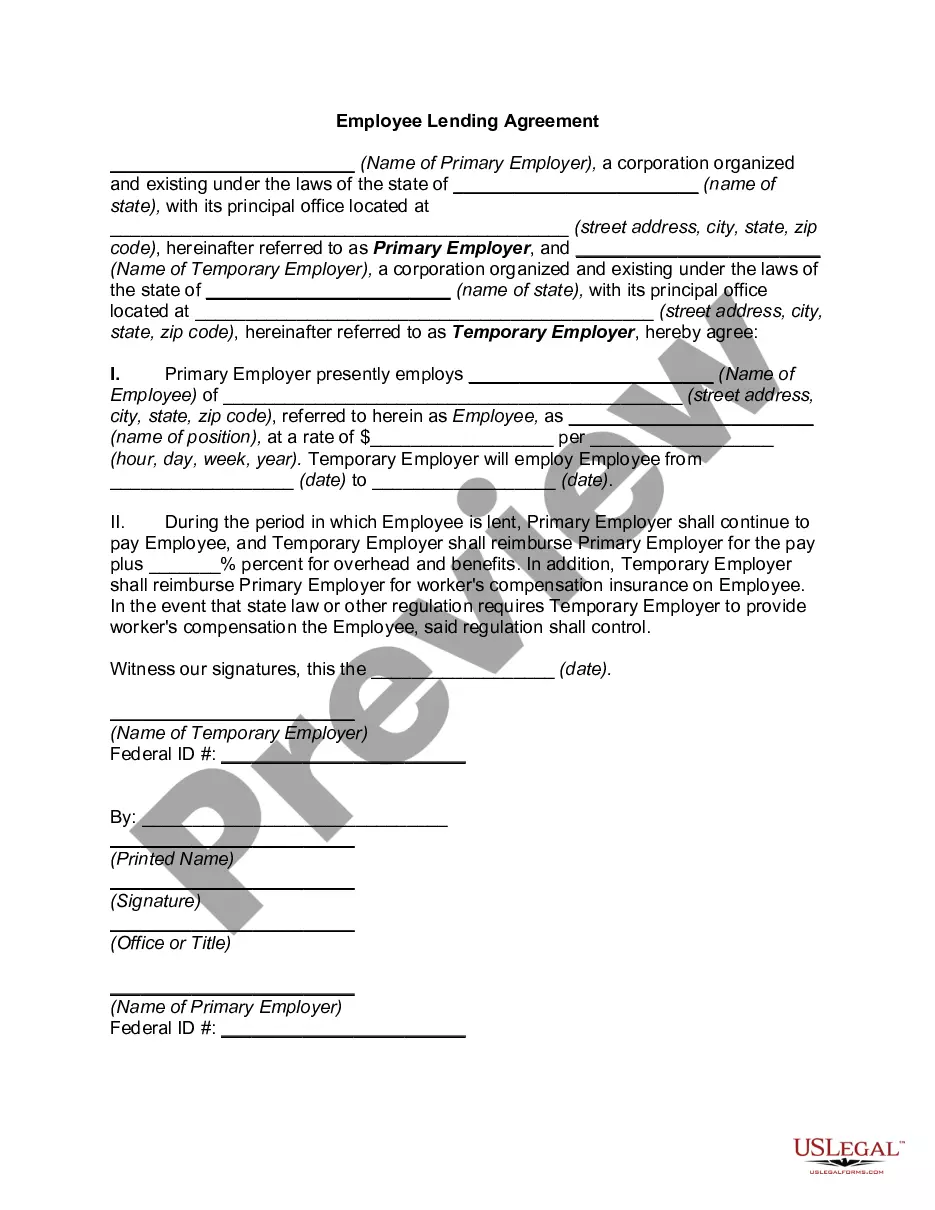
Employee Rental Agreement With Multiple Tenants India In King
Description

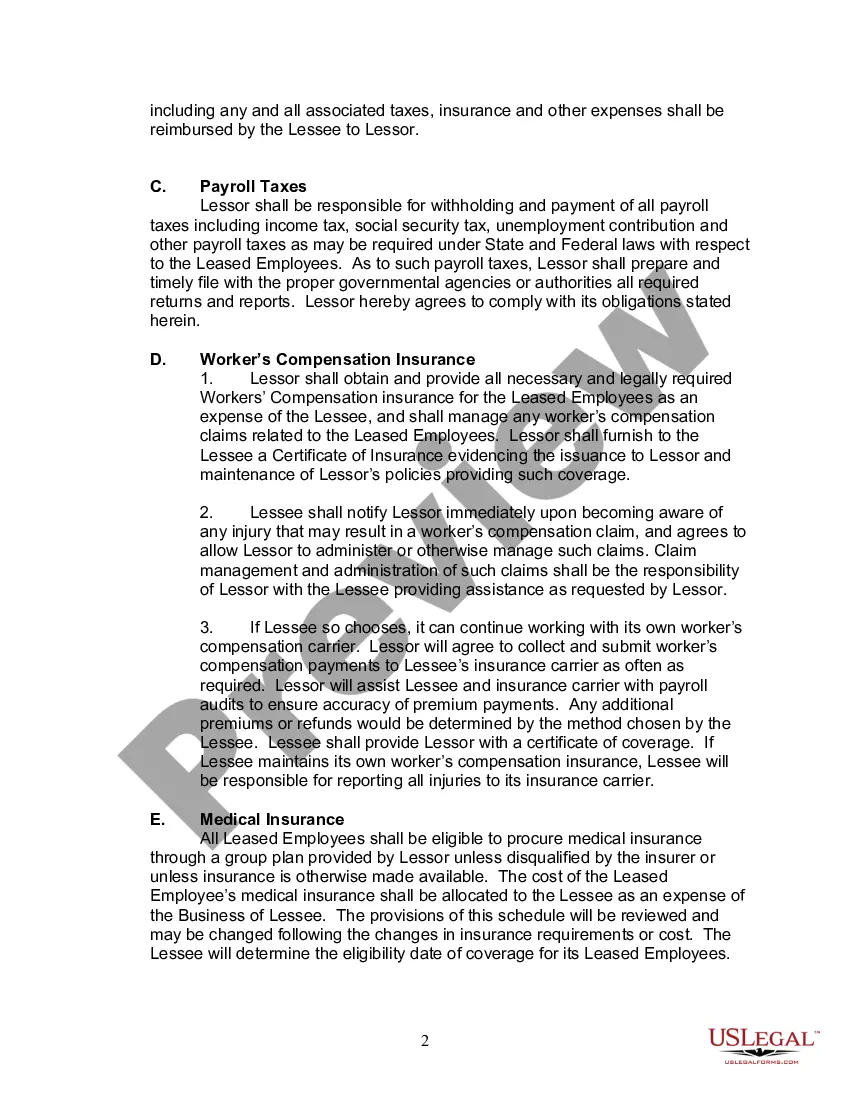
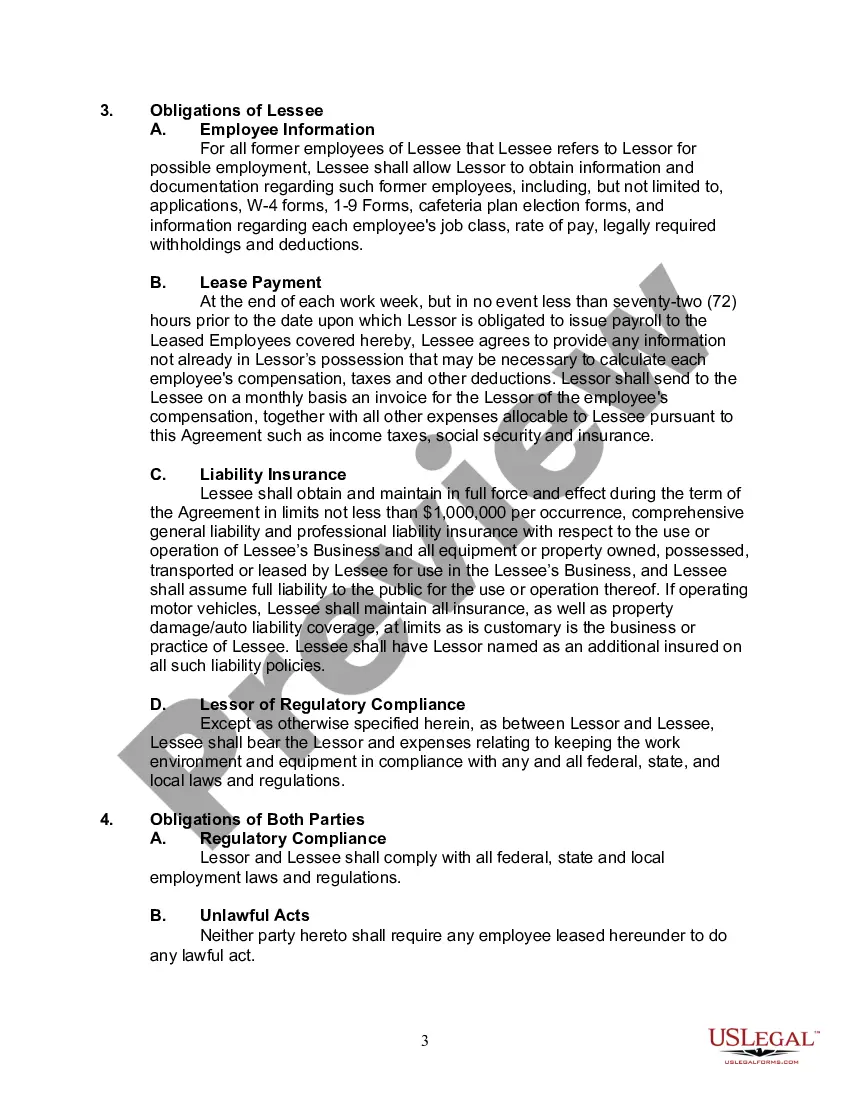
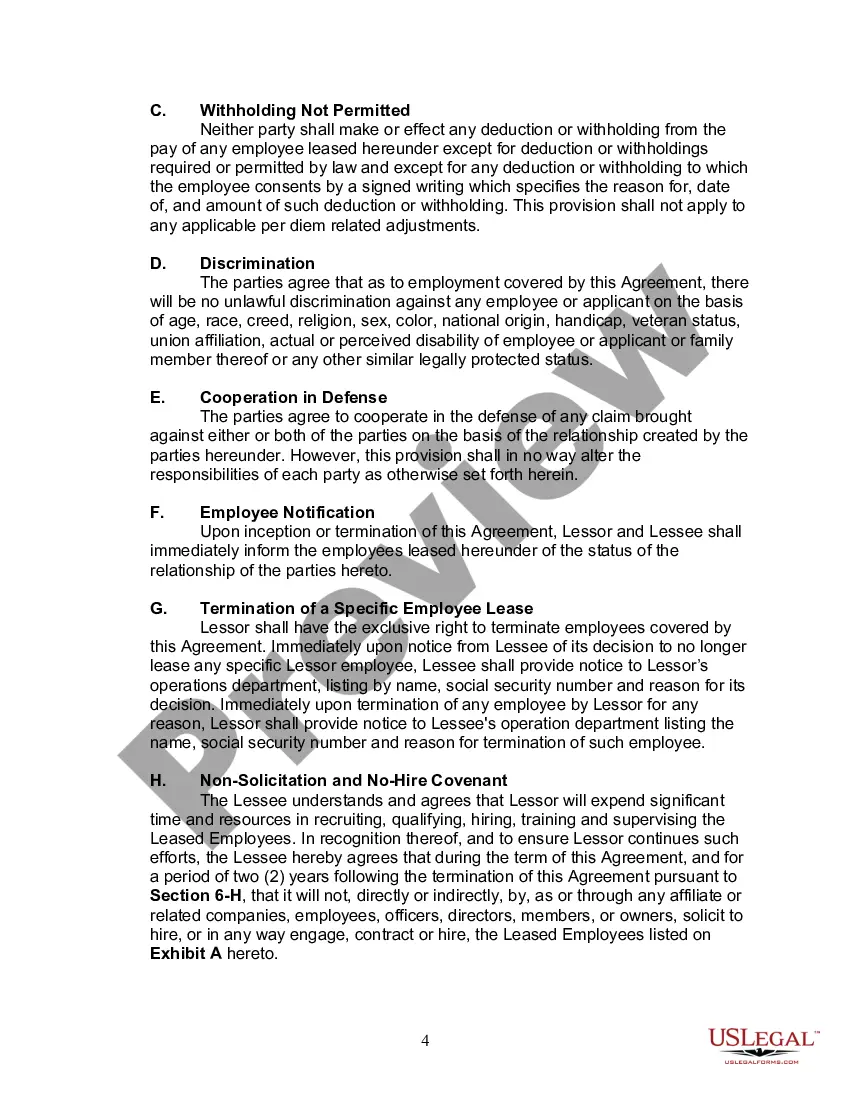
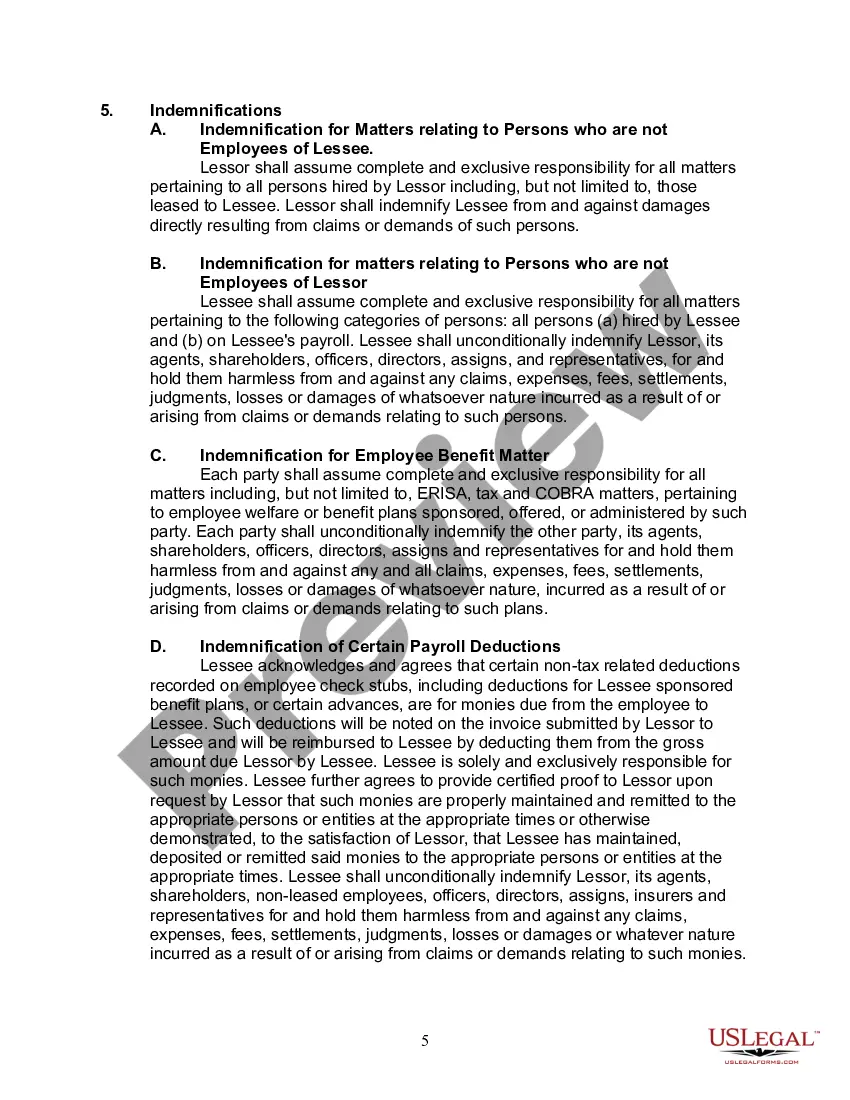
Get your form ready online
Our built-in tools help you complete, sign, share, and store your documents in one place.
Make edits, fill in missing information, and update formatting in US Legal Forms—just like you would in MS Word.
Download a copy, print it, send it by email, or mail it via USPS—whatever works best for your next step.
Sign and collect signatures with our SignNow integration. Send to multiple recipients, set reminders, and more. Go Premium to unlock E-Sign.
If this form requires notarization, complete it online through a secure video call—no need to meet a notary in person or wait for an appointment.
We protect your documents and personal data by following strict security and privacy standards.

Make edits, fill in missing information, and update formatting in US Legal Forms—just like you would in MS Word.

Download a copy, print it, send it by email, or mail it via USPS—whatever works best for your next step.

Sign and collect signatures with our SignNow integration. Send to multiple recipients, set reminders, and more. Go Premium to unlock E-Sign.

If this form requires notarization, complete it online through a secure video call—no need to meet a notary in person or wait for an appointment.

We protect your documents and personal data by following strict security and privacy standards.
Looking for another form?






Form popularity
FAQ
Three Innovative Ways NRIs Can Execute Rental Agreements Embracing Digital Solutions: Online Agreements. The Indian government has revolutionized the rental agreement process for NRIs by. Leveraging Power of Attorney. Utilizing Local Property Management Services.
A typical rent agreement in India includes essential terms and conditions such as the duration of the lease, monthly rental amount, security deposit details, maintenance responsibilities, and rules regarding subletting, pet ownership, and property alterations.
Tenants' legal rights include the right to privacy. Landlords are only permitted to evict tenants under the Rent Control Act for certain reasons, such as deliberate nonpayment of rent, subletting without permission, creating a nuisance, or when the landlord needs the space for personal occupation.
In India, rent agreements are not legally required to be registered unless the term of the agreement is more than 12 months. Unregistered rent agreements are still popular but may not be admissible as evidence in court in case of disputes. It is advisable to register agreements for added legal validity.
In most cases, it is the landlord that keeps the original rental agreement. The tenant can always ask for a copy from the landlord. Both the parties involved ie the tenant and the landlord can sign the photocopy of the rental agreement.
Adverse Possession is a legal principle that states if a tenant has occupied the property for 12 years and the owner fails to take any action against that, the tenant is granted ownership rights towards the property.
The Model Act requires the landlord and tenant to sign a written agreement which specifies the rent, period of tenancy and other related terms. Security deposit is capped at two months' rent for residential premises, and six months' rent for non-residential premises.
There are 3 types of rental agreements in India: Rent Agreement. Tenancy or rent agreement is a basic contract between landlord and tenant for temporary possession of a property. Lease Agreement. Lease agreement is a more formal contract for longer occupancy (usually over 12 months). Leave and License Agreement.
There are 2 types of rental agreements in India. The first one is a rent agreement that lasts for a minimum of 12 months. This comes under Rent Control Laws put up by the State government. The second one is a rent and license agreement of up to 11 months which doesn't fall under the Rent Control Laws.
First make sure both people are listed on the lease as liable. If that's the case, the one who wants out of the lease should OK it with his/her partner before contacting the rental office or landlord. Have a short letter drafter (no more than 2 or 3 sentences) asking for the change, and have both parties sign it.
