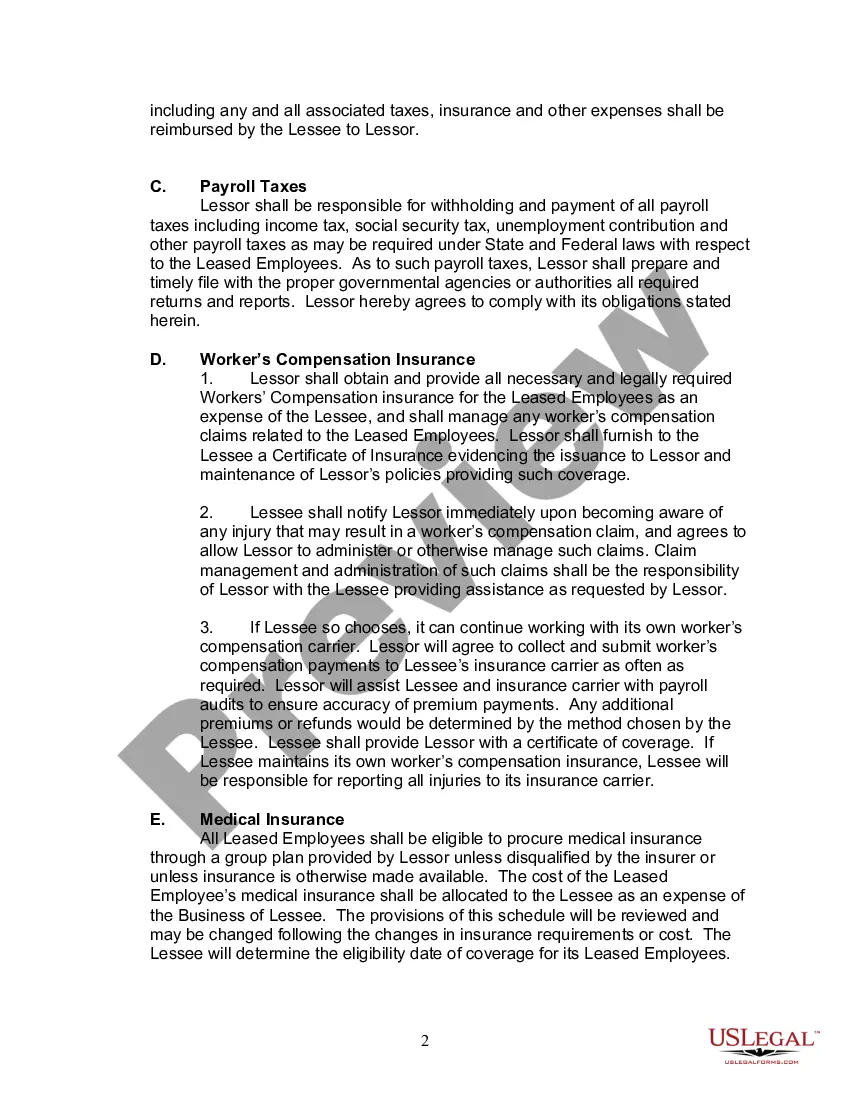
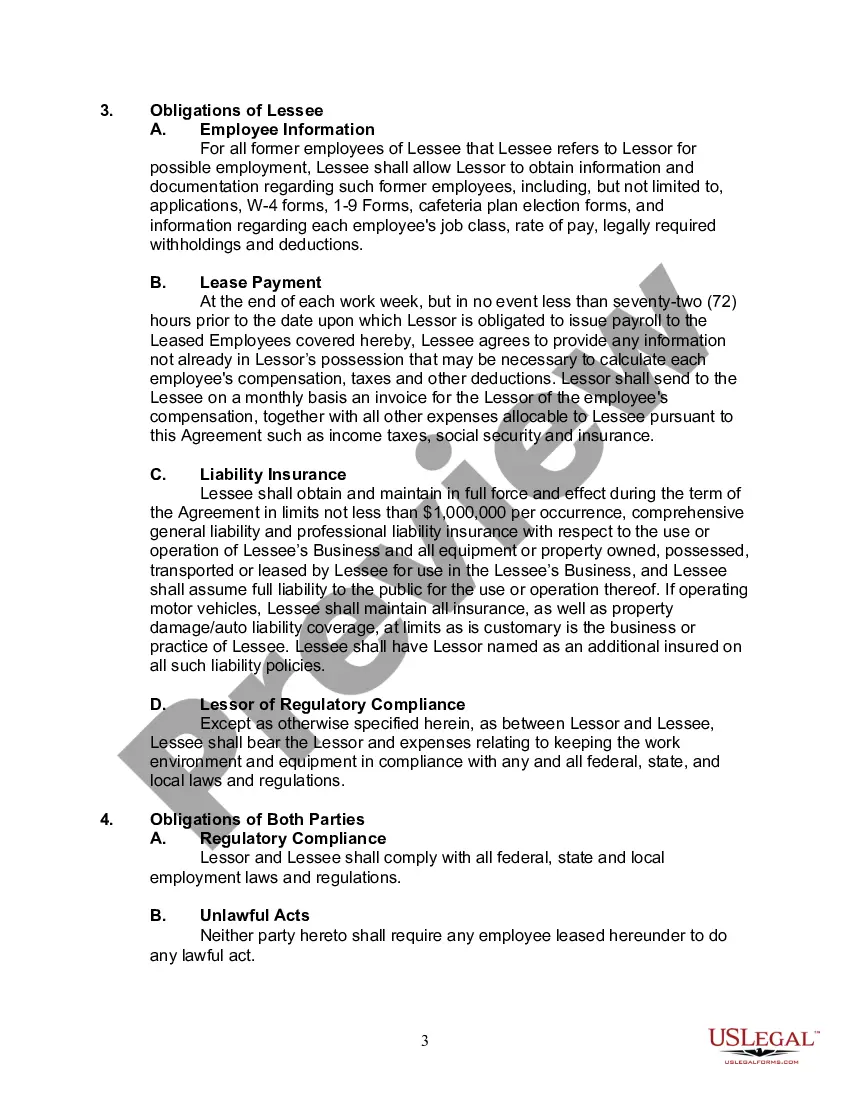
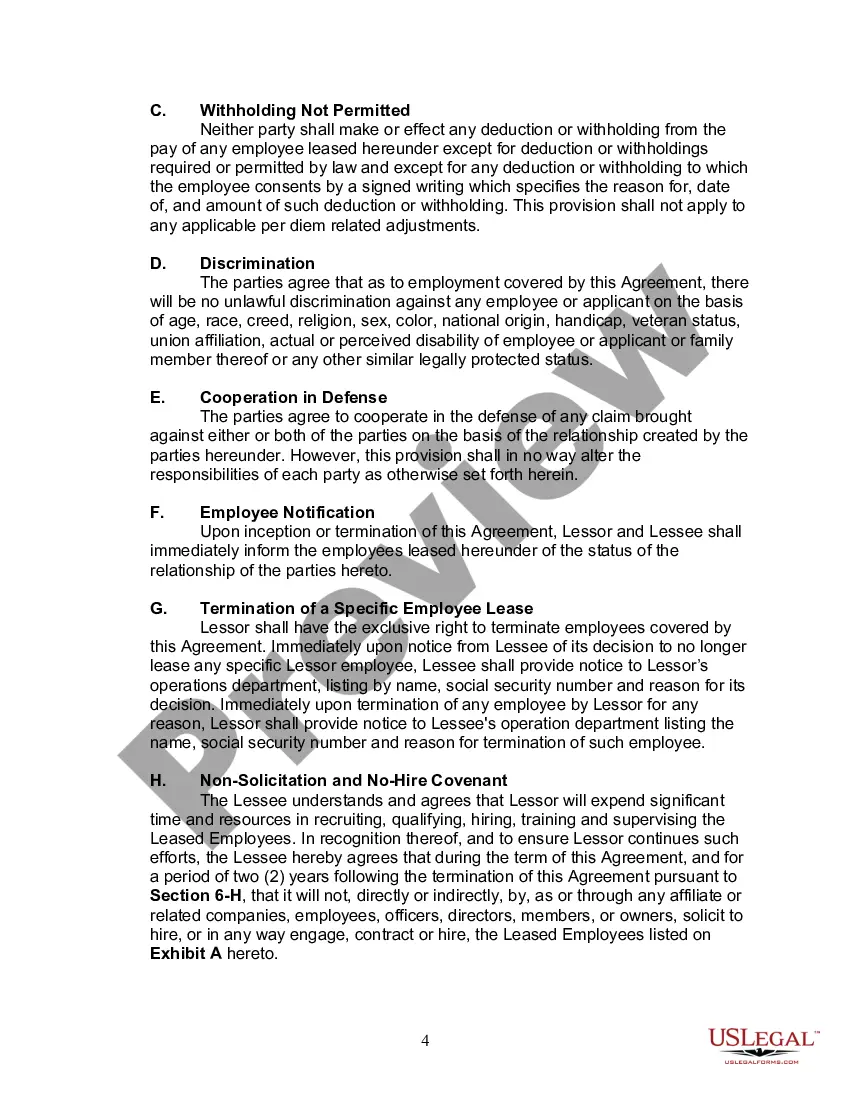
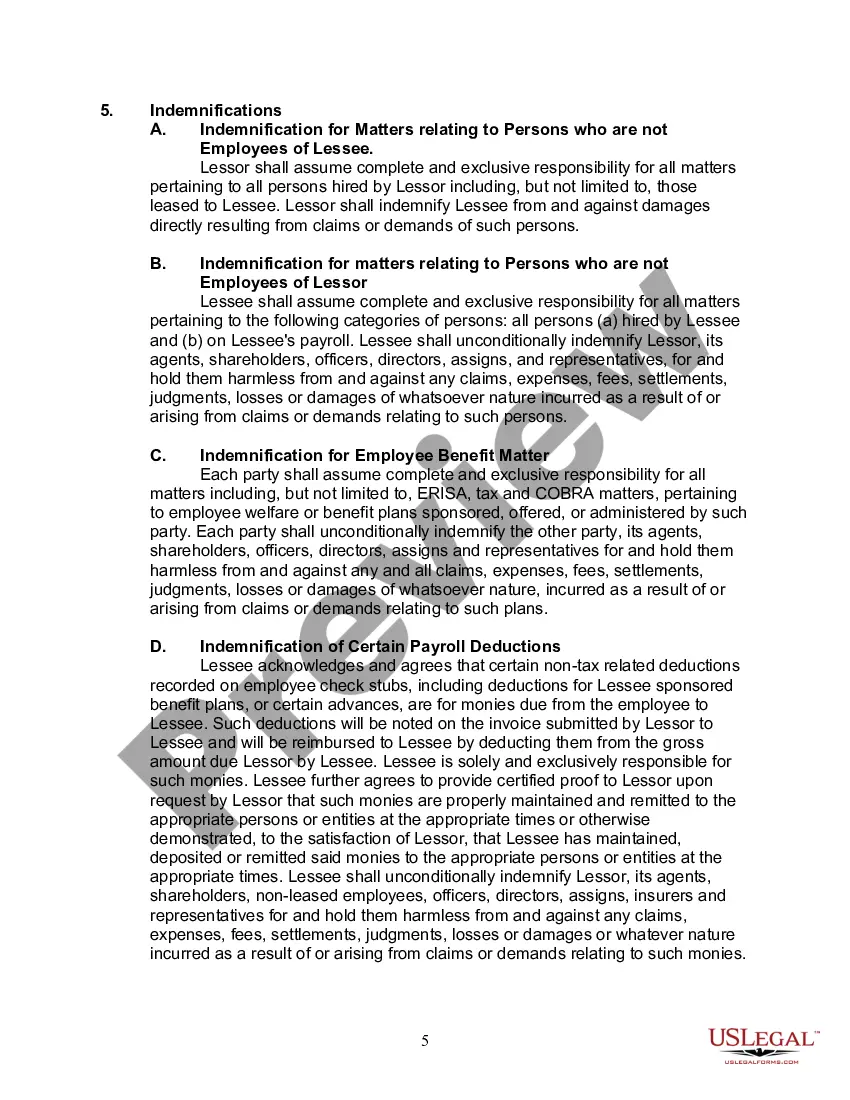
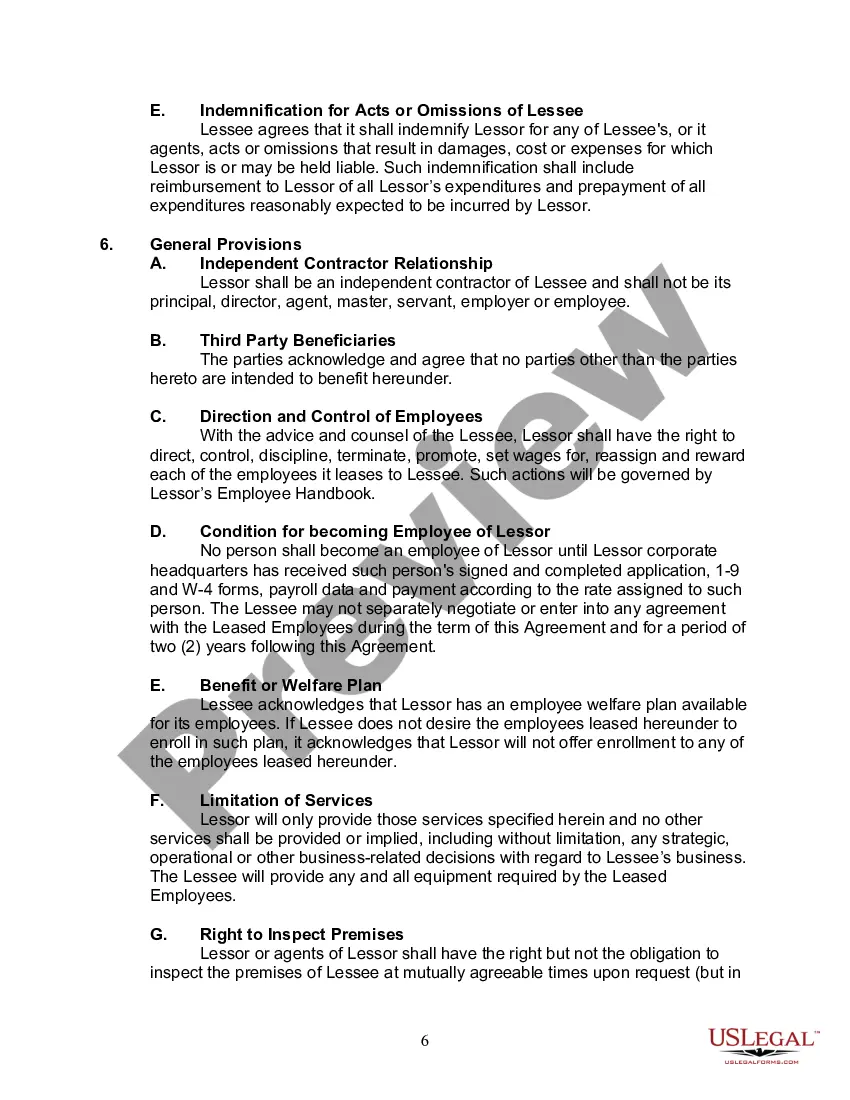
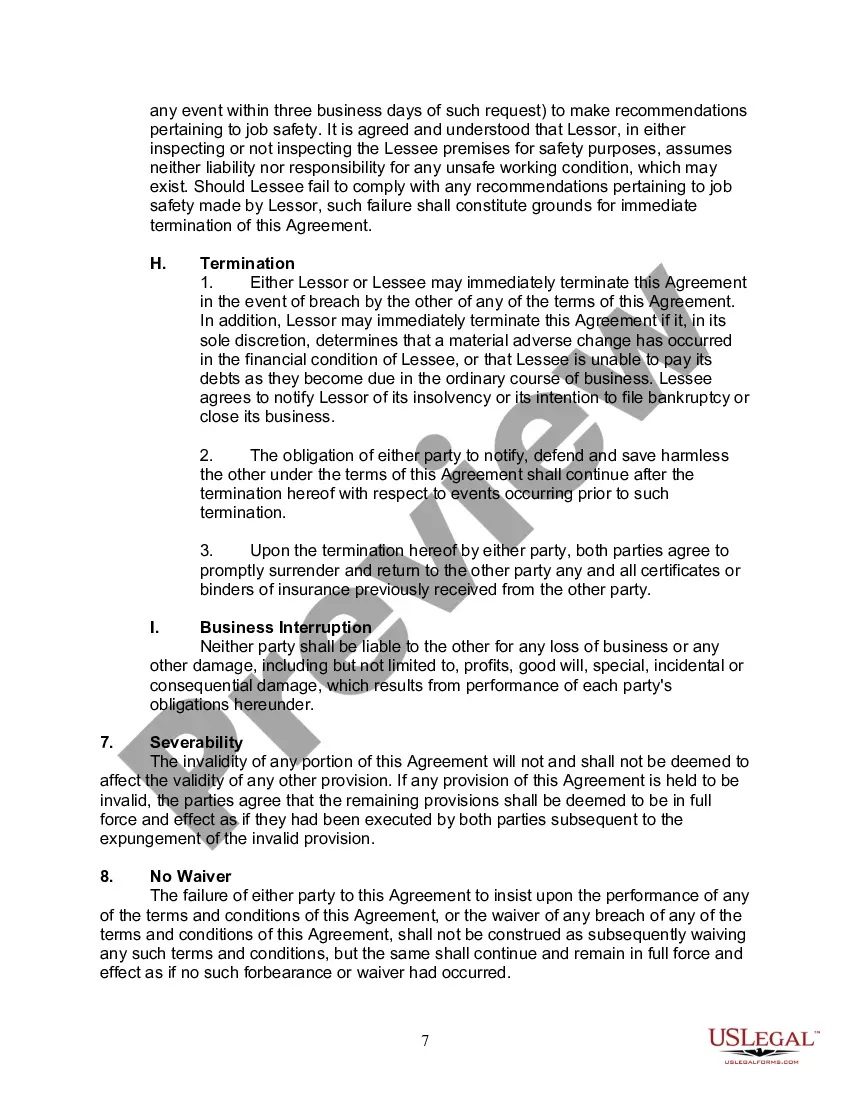
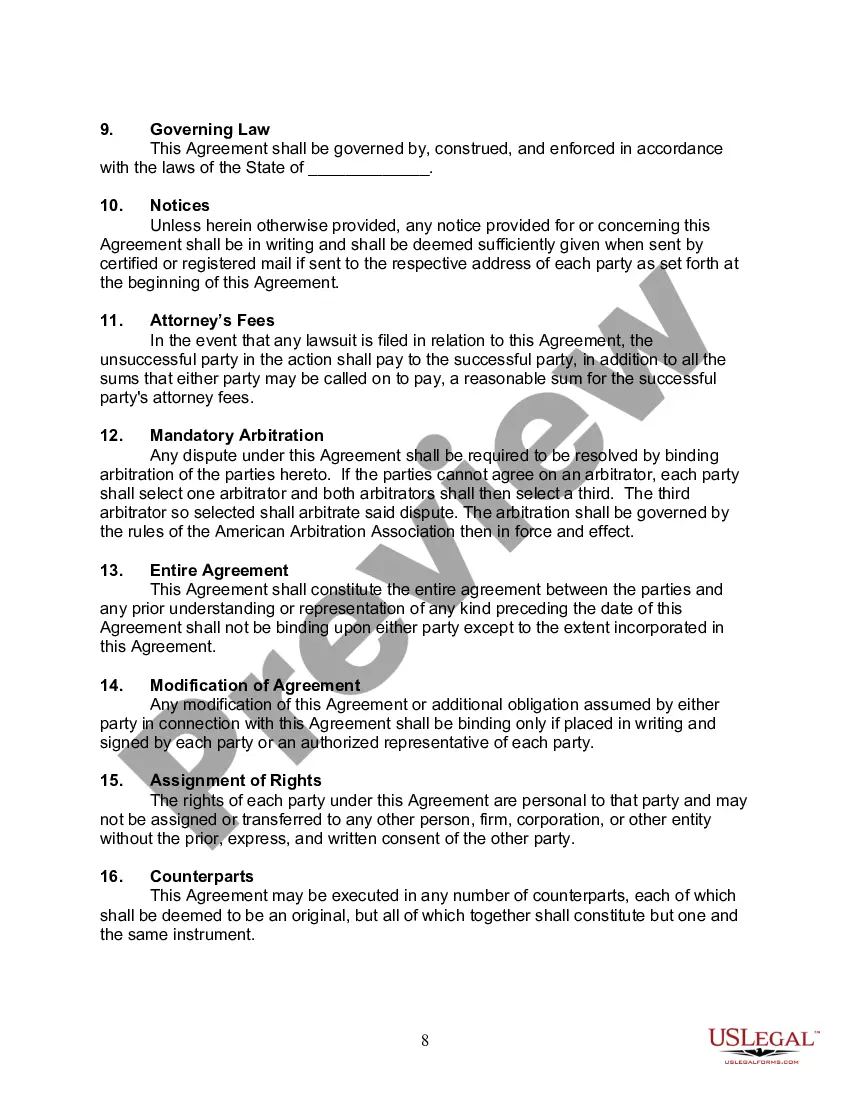
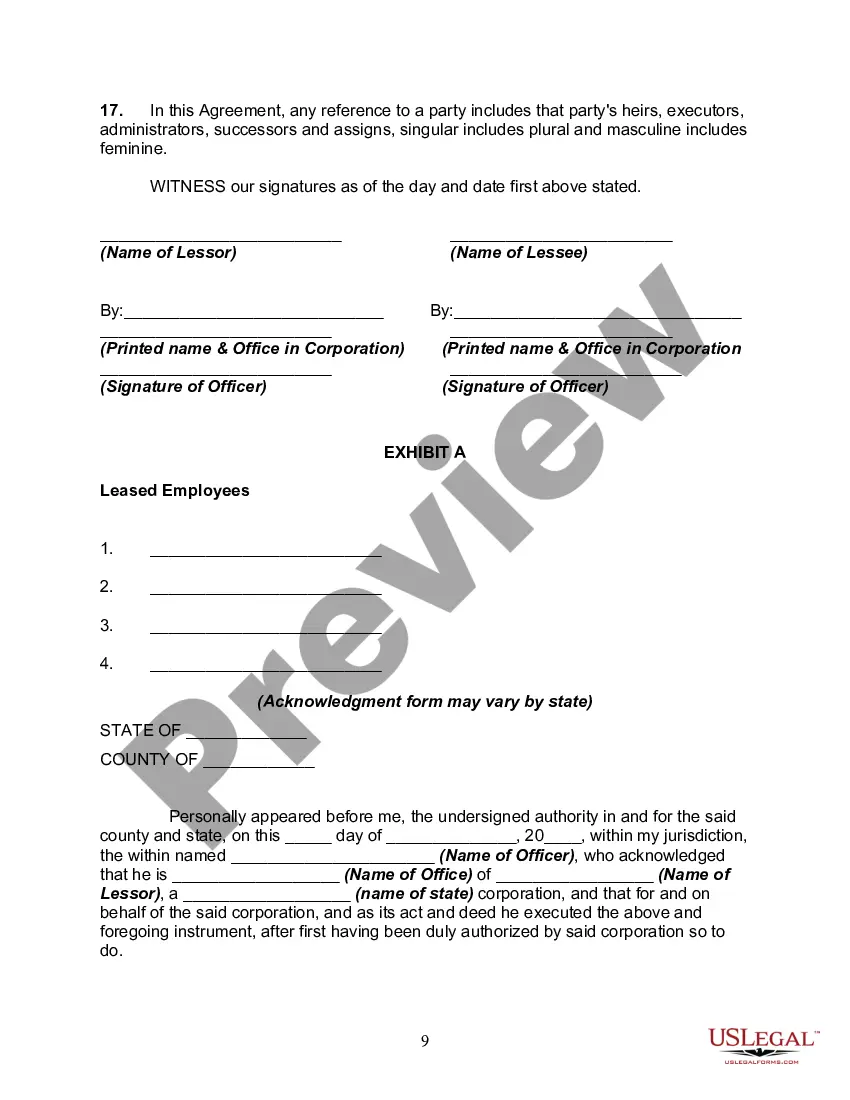
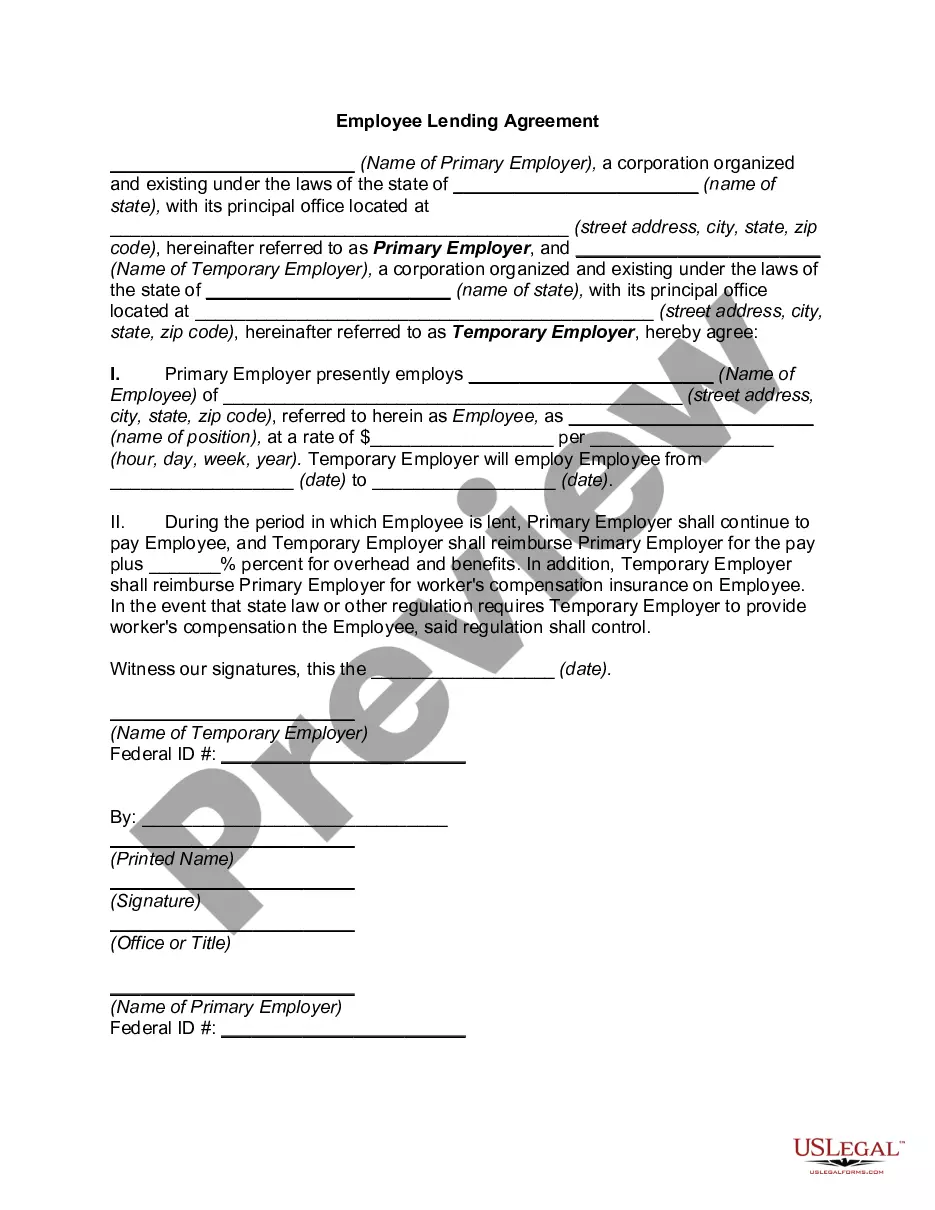
Employee Lease Addendum Ford In Houston
Description

Get your form ready online
Our built-in tools help you complete, sign, share, and store your documents in one place.
Make edits, fill in missing information, and update formatting in US Legal Forms—just like you would in MS Word.
Download a copy, print it, send it by email, or mail it via USPS—whatever works best for your next step.
Sign and collect signatures with our SignNow integration. Send to multiple recipients, set reminders, and more. Go Premium to unlock E-Sign.
If this form requires notarization, complete it online through a secure video call—no need to meet a notary in person or wait for an appointment.
We protect your documents and personal data by following strict security and privacy standards.

Make edits, fill in missing information, and update formatting in US Legal Forms—just like you would in MS Word.

Download a copy, print it, send it by email, or mail it via USPS—whatever works best for your next step.

Sign and collect signatures with our SignNow integration. Send to multiple recipients, set reminders, and more. Go Premium to unlock E-Sign.

If this form requires notarization, complete it online through a secure video call—no need to meet a notary in person or wait for an appointment.

We protect your documents and personal data by following strict security and privacy standards.
Looking for another form?





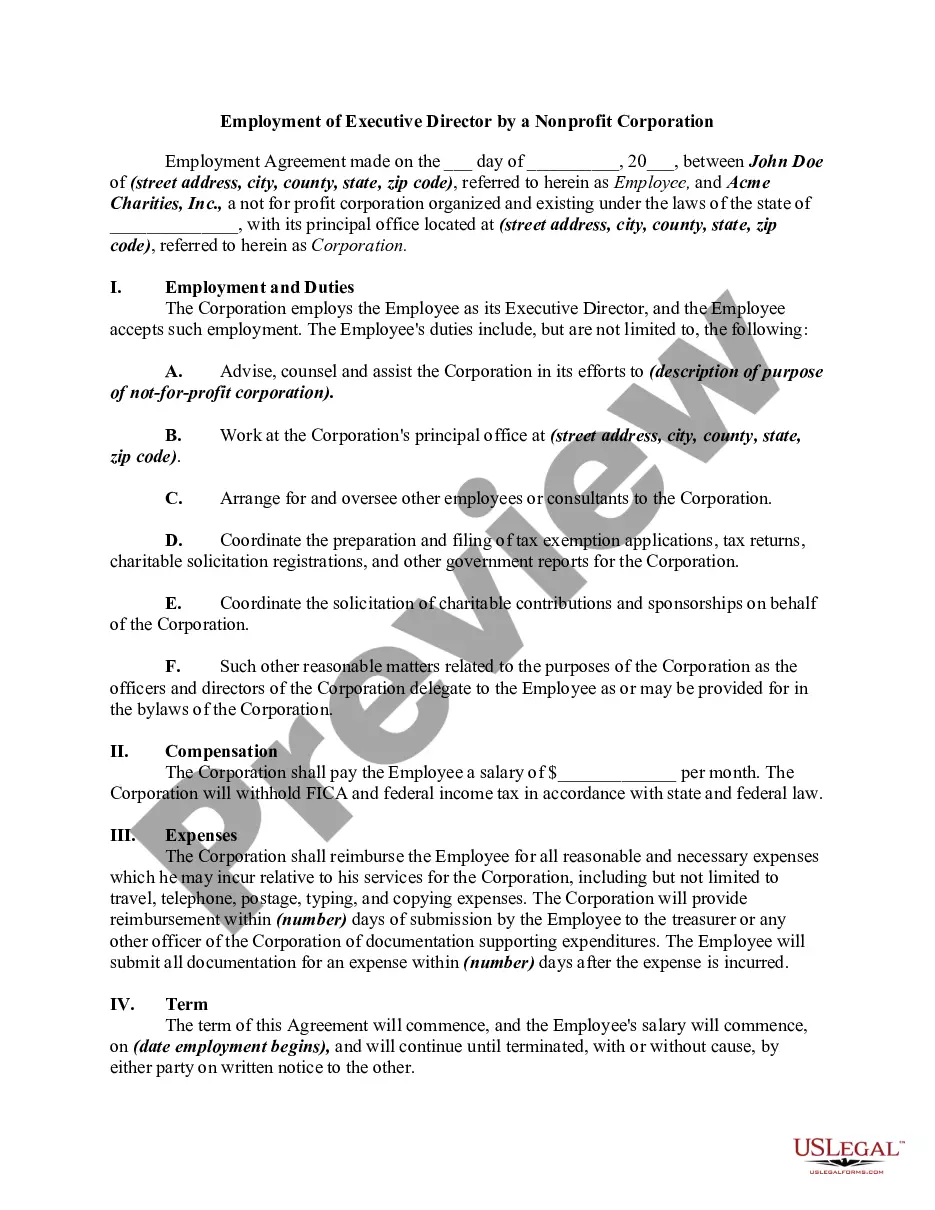



Form popularity
FAQ
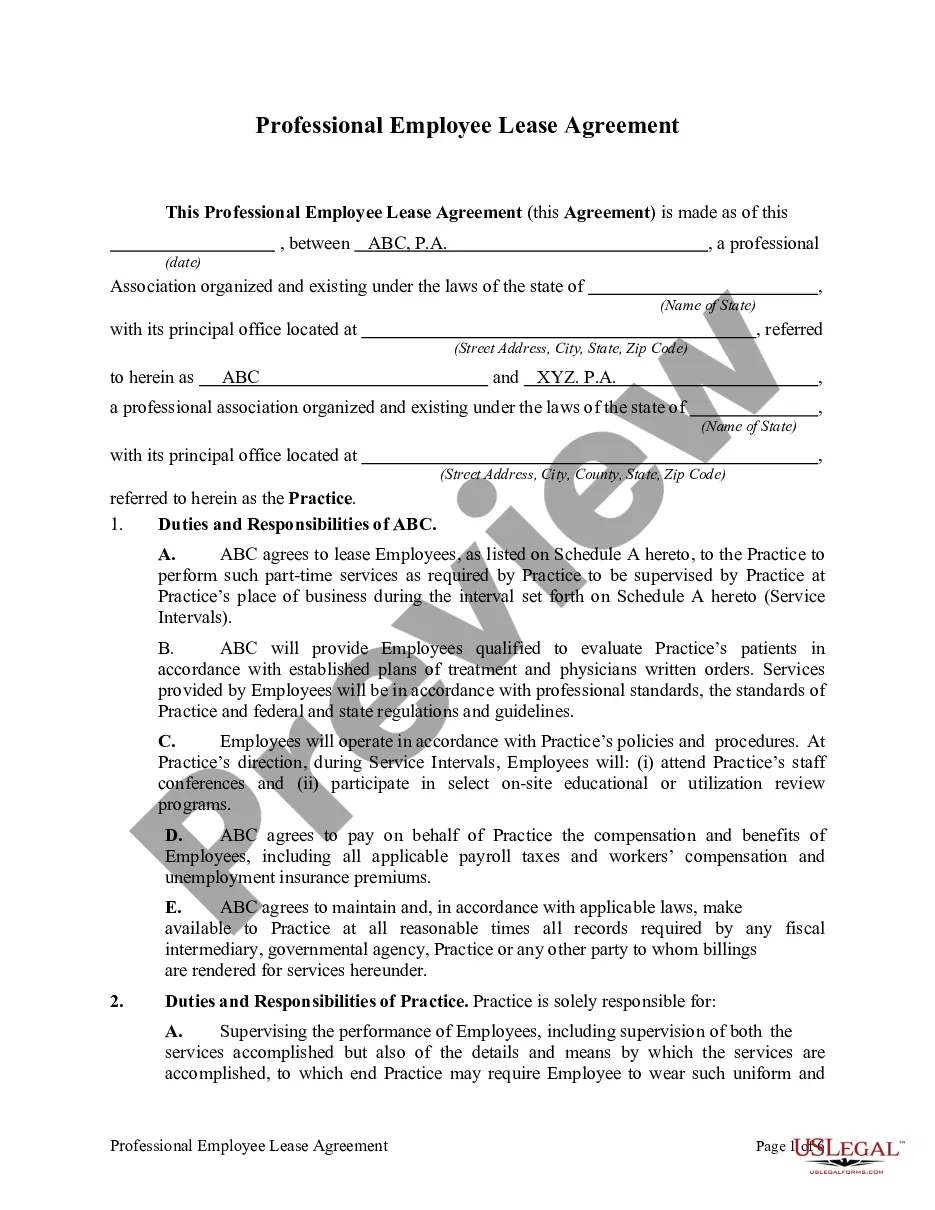
Employee leasing is an arrangement between a business and a staffing firm, who supplies workers on a project-specific or temporary basis. These employees work for the client business, but the leasing agency pays their salaries and handles all of the HR administration associated with their employment.
Drawbacks of employee leasing Less control: One of the greatest risks of employee leasing is that you're delegating an important part of your business to an outside company that doesn't know your business as well as you do. You lose control of your processes, systems and benefits.
While leased employees are legally employed by a PEO, they work under the day-to-day management and supervision of the leasing business — much like any other employee.
A PEO, or professional employer organization, has a different relationship with client companies. Instead of being a firm that leases employees to their clients, a PEO becomes an employer of record for the client's employees. This is known as a co-employment agreement.
Subscribe now. Employee leasing is an arrangement between a business and a staffing firm, who supplies workers on a project-specific or temporary basis. These employees work for the client business, but the leasing agency pays their salaries and handles all of the HR administration associated with their employment.
The addendum is a formal document that contains the newly agreed-upon terms while retaining the rest of the original lease agreement in full force. Both parties, the landlord and tenant who initially signed the lease, must sign the addendum for it to be legally binding.
Here are 16 steps on how to make a lease agreement: Include the contact information of both parties. Include property details. Outline property utilities and services. Define the lease term. Disclose the monthly rent amount and due date. Detail the penalties and late fees. Describe any additional or services fees.
Does an addendum supersede a lease? The addendum is a part of the lease agreement. Therefore, it does not stand on its own. However, the addendum should make references to the lease, contain the same date and name of parties as in the original lease agreement.
For example, “This Addendum amends the Agreement dated DATE between PARTY 1 NAME and PARTY 2 NAME.” Clear and specific language outlining the changes, clarifications, or additions being made. This should leave no ambiguity regarding how the original contract is being modified.
What are the most important steps for drafting a commercial lease agreement? Identify the parties and the property. Determine the rent and the term. Negotiate the improvements and the maintenance. Allocate the taxes and the insurance. Include the clauses and the contingencies. Review and sign the agreement.
