Employee Rental Agreement With Utilities Included In Fulton
Description

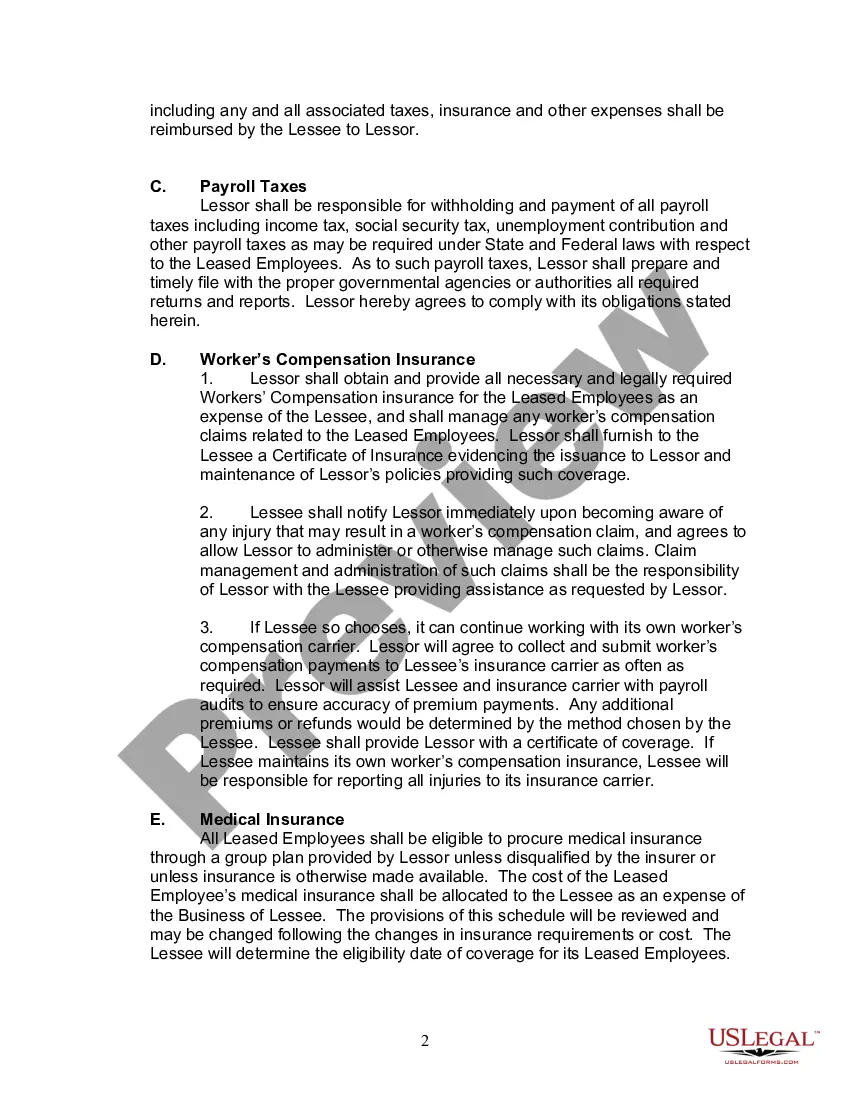
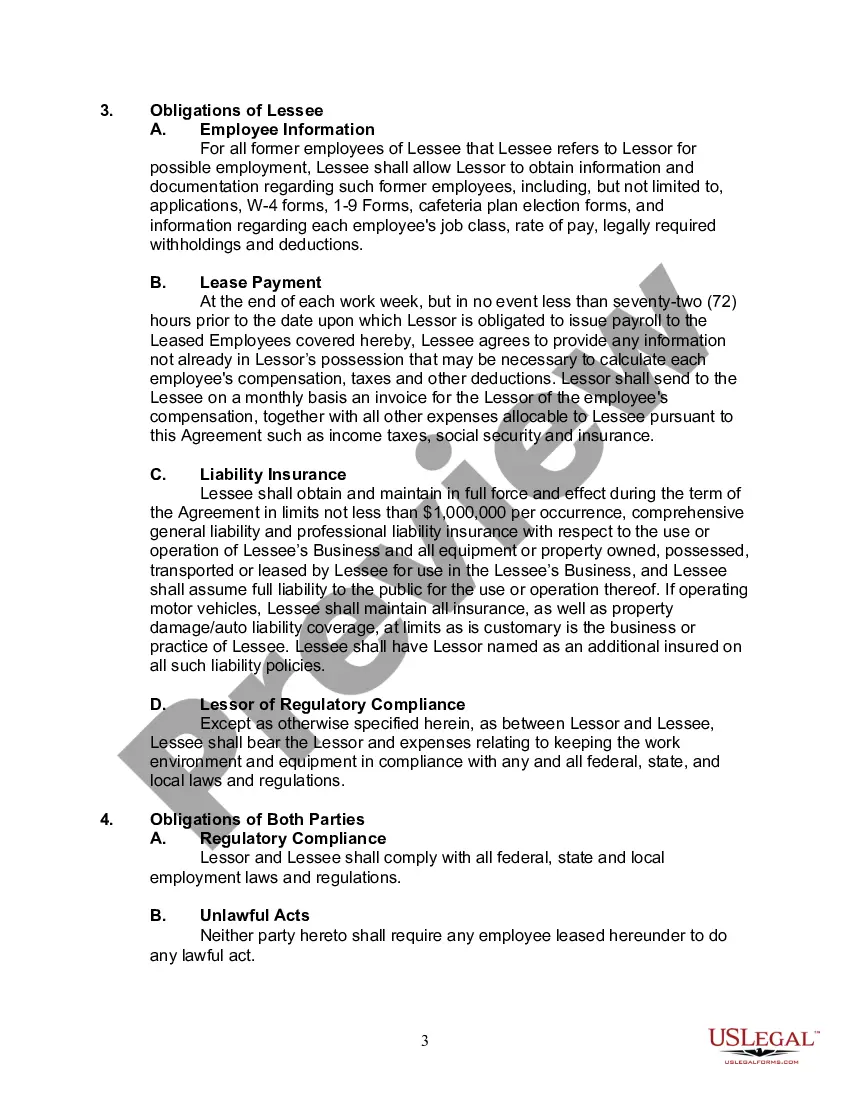
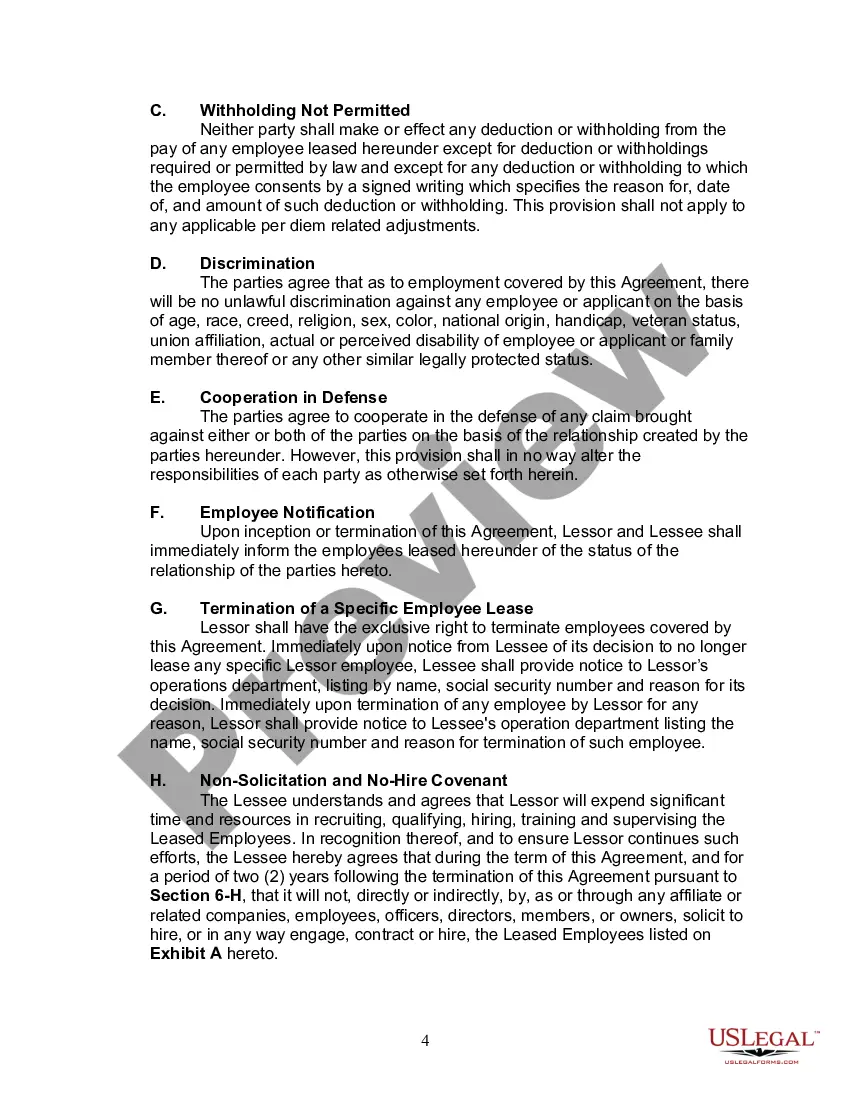
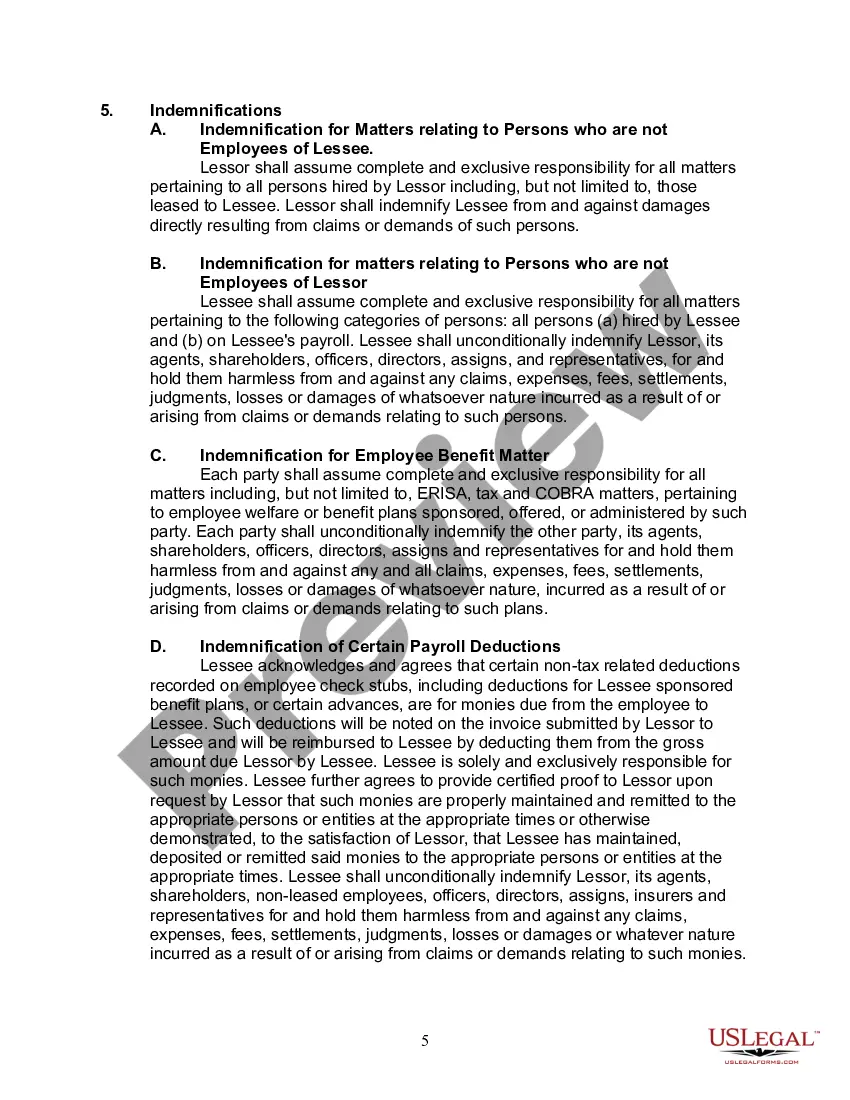
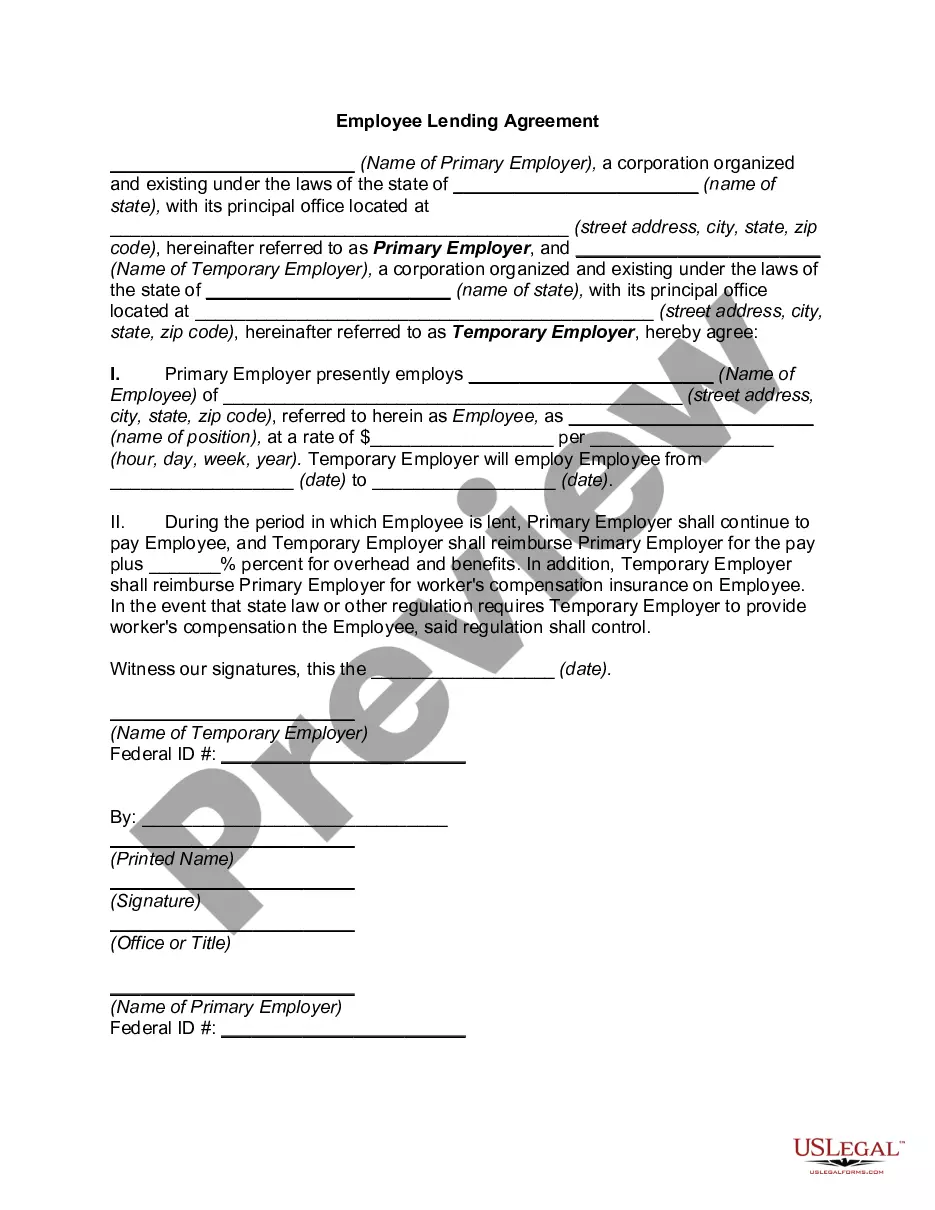
Get your form ready online
Our built-in tools help you complete, sign, share, and store your documents in one place.
Make edits, fill in missing information, and update formatting in US Legal Forms—just like you would in MS Word.
Download a copy, print it, send it by email, or mail it via USPS—whatever works best for your next step.
Sign and collect signatures with our SignNow integration. Send to multiple recipients, set reminders, and more. Go Premium to unlock E-Sign.
If this form requires notarization, complete it online through a secure video call—no need to meet a notary in person or wait for an appointment.
We protect your documents and personal data by following strict security and privacy standards.

Make edits, fill in missing information, and update formatting in US Legal Forms—just like you would in MS Word.

Download a copy, print it, send it by email, or mail it via USPS—whatever works best for your next step.

Sign and collect signatures with our SignNow integration. Send to multiple recipients, set reminders, and more. Go Premium to unlock E-Sign.

If this form requires notarization, complete it online through a secure video call—no need to meet a notary in person or wait for an appointment.

We protect your documents and personal data by following strict security and privacy standards.
Looking for another form?

Form popularity
FAQ
When creating a one-page lease agreement, include sections covering the following: Involved parties. Property details. Lease terms, such as length, type, monthly rent, deposit. Conditions of property use. Details about utilities. Included furnishings. Repair and damages policy. Termination conditions.
Here are 16 steps on how to make a lease agreement: Include the contact information of both parties. Include property details. Outline property utilities and services. Define the lease term. Disclose the monthly rent amount and due date. Detail the penalties and late fees. Describe any additional or services fees.
Of course you can make up your own lease agreement and I would advise you to think of every conceivable eventuality and make sure that anyone signing it reads it so they know what it says and agrees before they sign it.
Here's a list of standard fields that you should include in your lease agreement: Tenant information. Include each tenant's full name and contact information. Rental property description. Security deposit. Monthly rent amount. Utilities. Lease term. Policies. Late fees.
An experienced attorney who has a detailed understanding of real estate law will help to ensure that the landlord's assets are protected to the full extent of the law and ensure that they have full recourse if the tenant is found to renege on their side of the contract by not paying rent on time or conducting illegal ...
You could have your own rental agreement provided both the owner and the tenent has to read and understand it, then mutually agree and both have to sign it, if possible, with one or two eyewitnesses, so that, in case of any legal dispute, the court could refer it to eyewitnesses.
In India, rent agreements are not legally required to be registered unless the term of the agreement is more than 12 months. Unregistered rent agreements are still popular but may not be admissible as evidence in court in case of disputes. It is advisable to register agreements for added legal validity.
The simplest way to determine if utilities when renting are included in monthly rental costs for your residence is to ask the landlord or property management company. Sometimes, the rent is a “package” that includes certain utilities or amenities.
Ask the landlord what companies they're contracted with for utilities, ie do they use the city or a private company, what internet companies have lines to the building, ect. The easiest and cheapest thing to do is to ask them what's already hooked up and just use that.
