Employee Lease Addendum For Tenant In Fulton
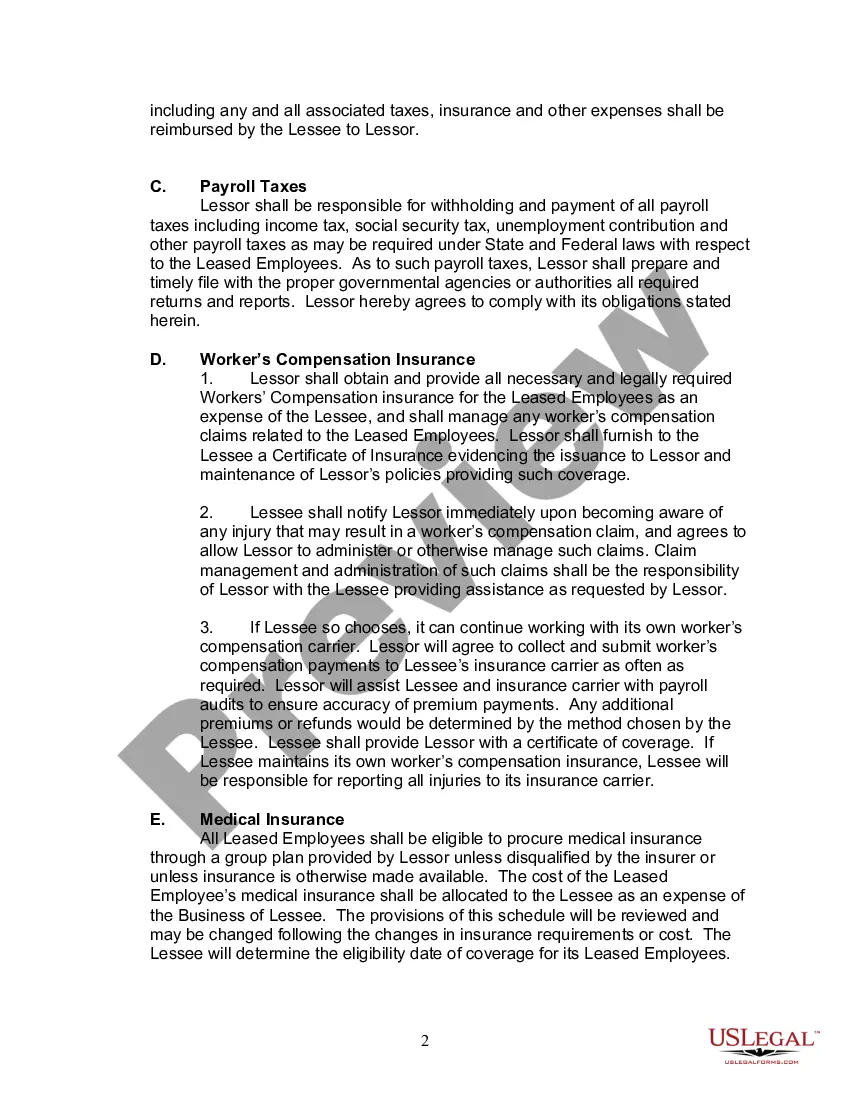
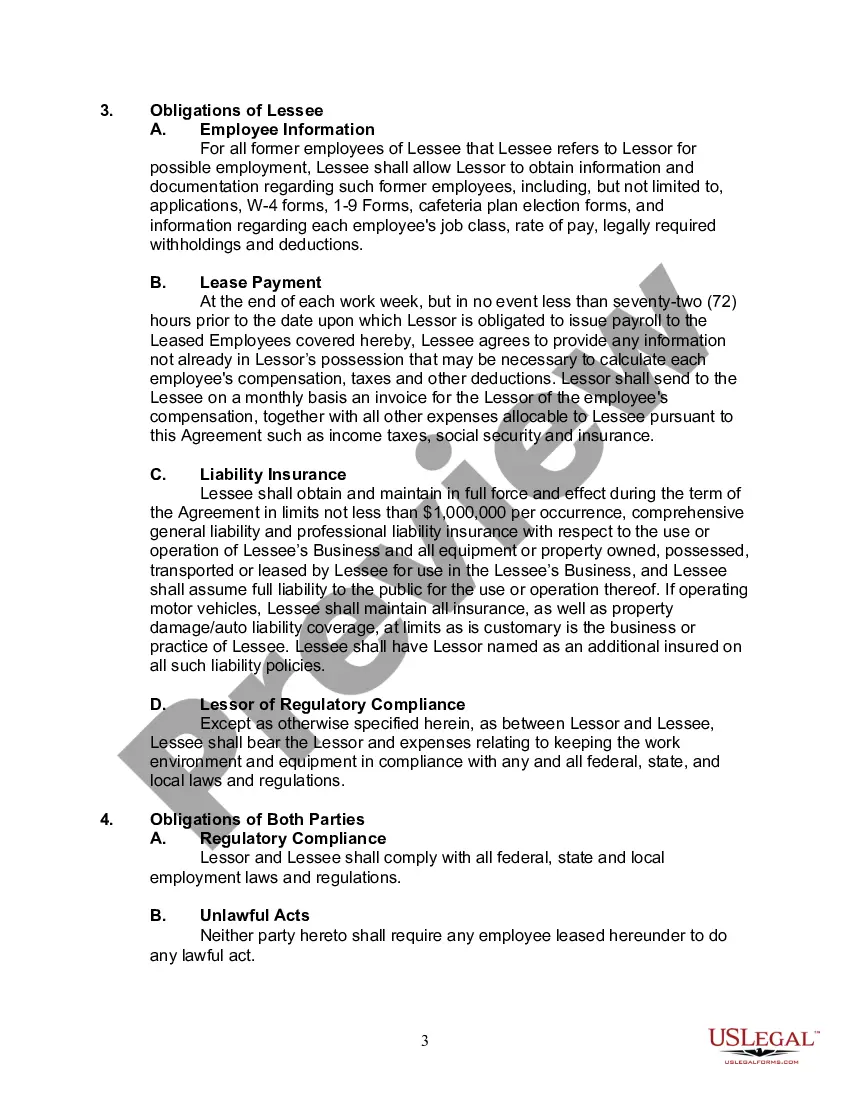
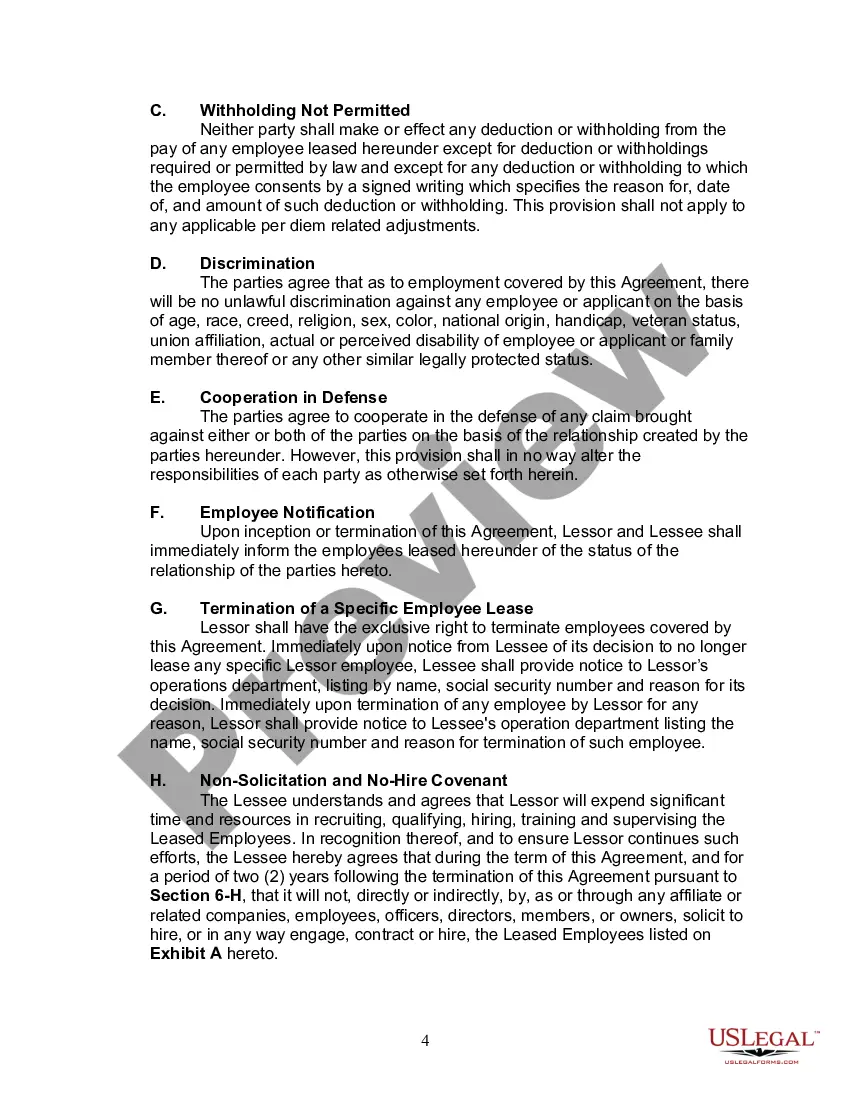
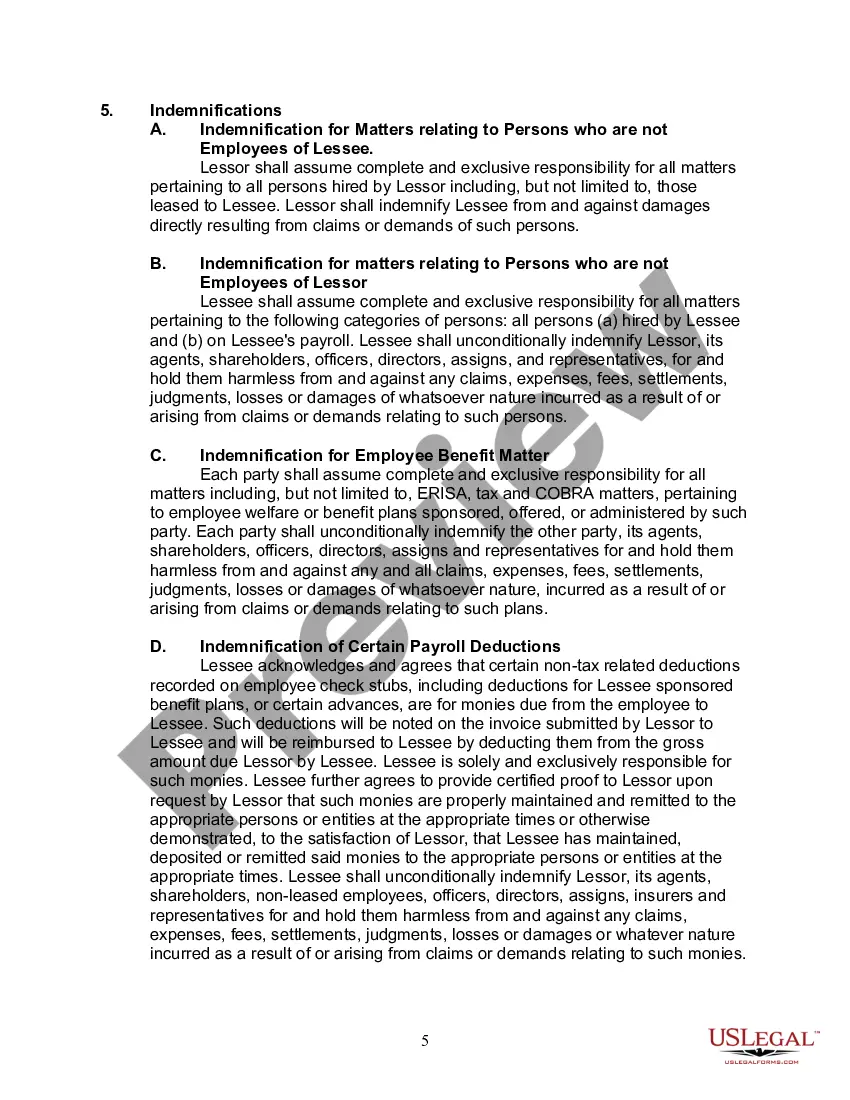
Description

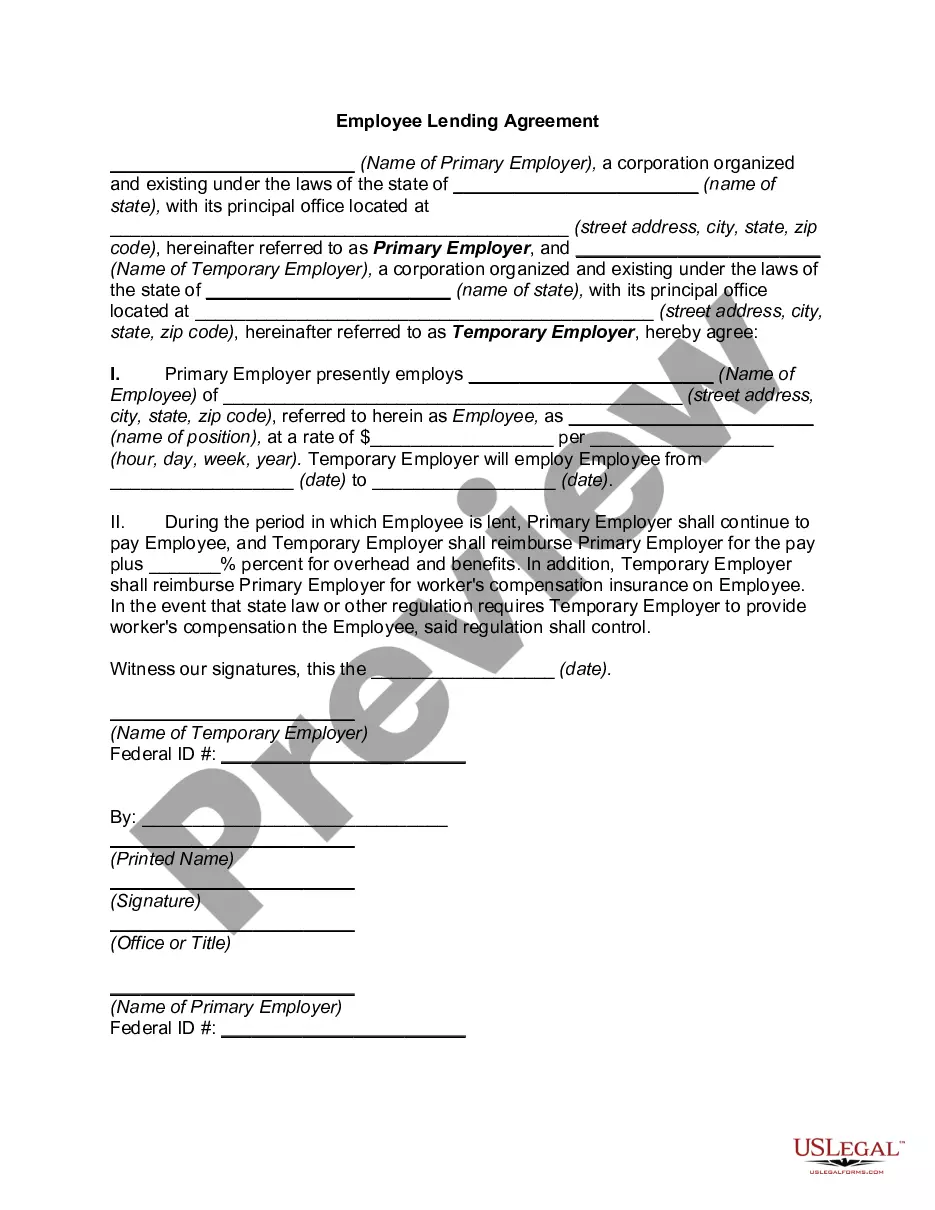
Get your form ready online
Our built-in tools help you complete, sign, share, and store your documents in one place.
Make edits, fill in missing information, and update formatting in US Legal Forms—just like you would in MS Word.
Download a copy, print it, send it by email, or mail it via USPS—whatever works best for your next step.
Sign and collect signatures with our SignNow integration. Send to multiple recipients, set reminders, and more. Go Premium to unlock E-Sign.
If this form requires notarization, complete it online through a secure video call—no need to meet a notary in person or wait for an appointment.
We protect your documents and personal data by following strict security and privacy standards.

Make edits, fill in missing information, and update formatting in US Legal Forms—just like you would in MS Word.

Download a copy, print it, send it by email, or mail it via USPS—whatever works best for your next step.

Sign and collect signatures with our SignNow integration. Send to multiple recipients, set reminders, and more. Go Premium to unlock E-Sign.

If this form requires notarization, complete it online through a secure video call—no need to meet a notary in person or wait for an appointment.

We protect your documents and personal data by following strict security and privacy standards.
Looking for another form?
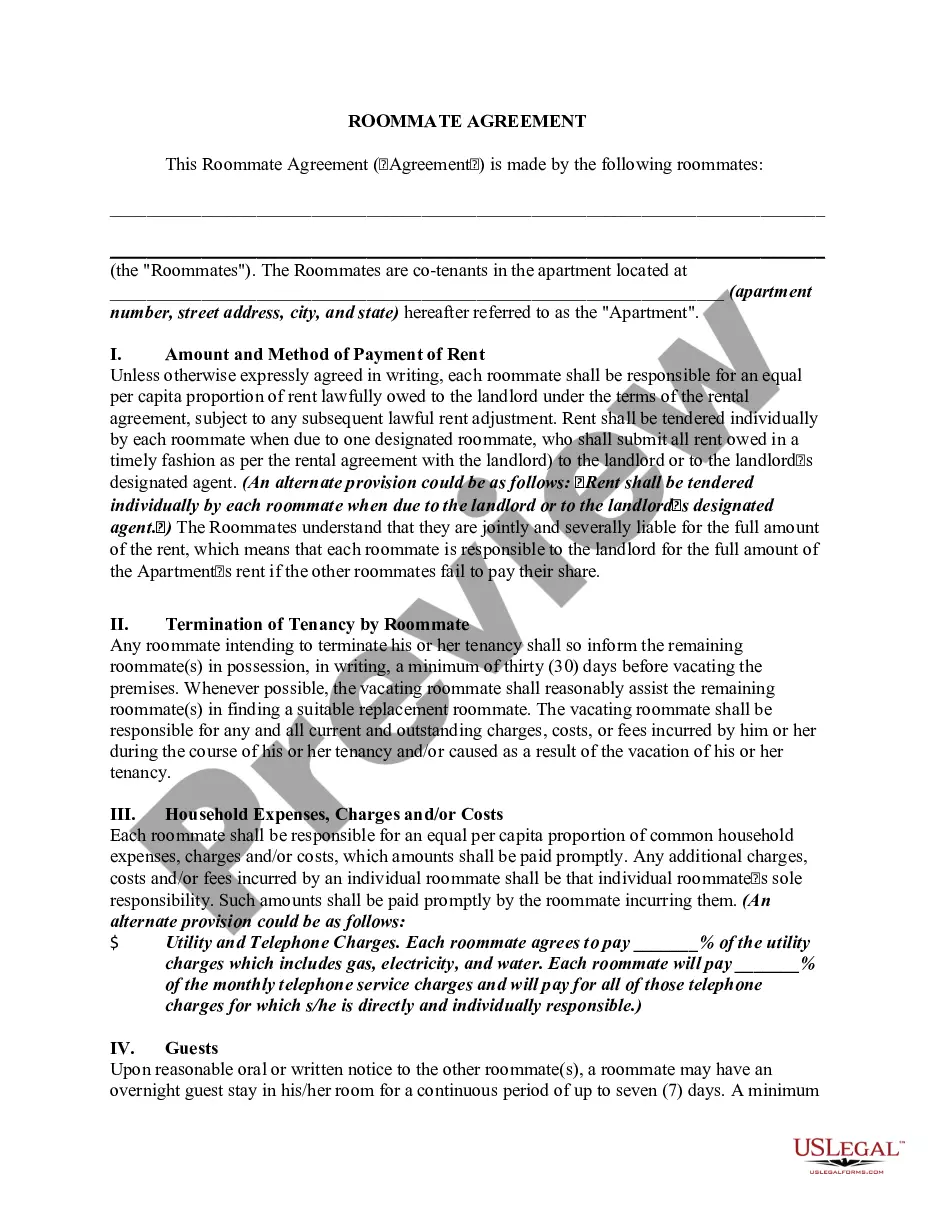
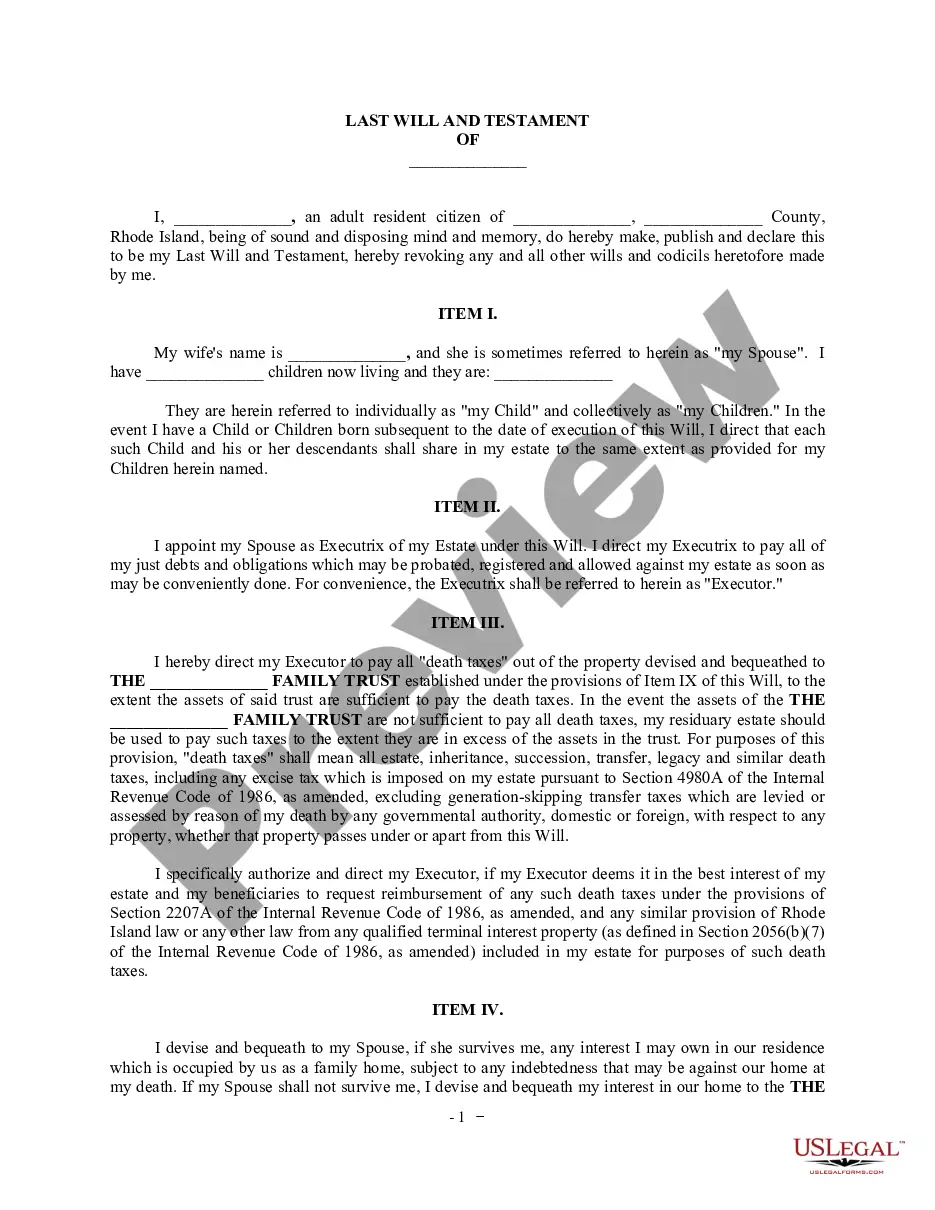

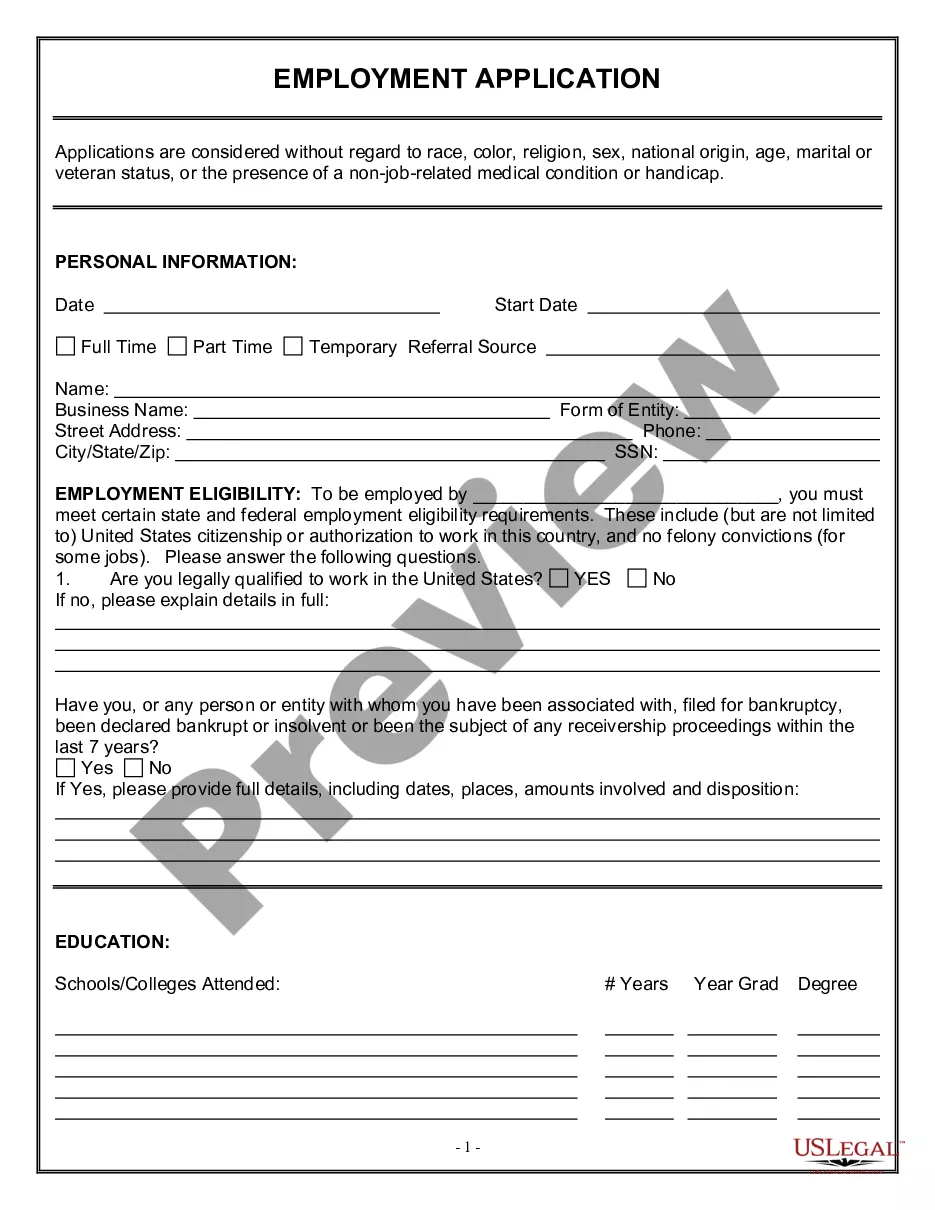




Form popularity
FAQ
A lease amendment is a document that allows landlords and tenants to make changes or additions to an existing lease agreement without the need to create an entirely new contract. It is a flexible tool that ensures both parties are on the same page when adjustments are required during the lease term.
How to add a new tenant to an existing lease Get it in writing. Changes to existing lease agreements should be documented in writing. Verify the property's occupancy limit. Ask for a completed rental application. Approve or deny the rental application based on established criteria. Review lease details with all tenants.
A break option is a provision in a lease which enables a tenant (or a landlord if it is a mutual or landlord only break option) to end a lease before the expiry of a fixed term.
Lease addendums are used to provide additional information that the original lease does not cover.” In other words, a lease addendum allows you to add an additional document to or adjust the terms of your existing rental agreement.
In general, things to include in a lease addendum might be: Your name. The rental property address. The tenant's name. Relevant policy/information (that complies with your state/municipal's rental laws) Consequences for breaking any contract agreements. Space to sign & date for landlord. Space to sign & date for tenant.
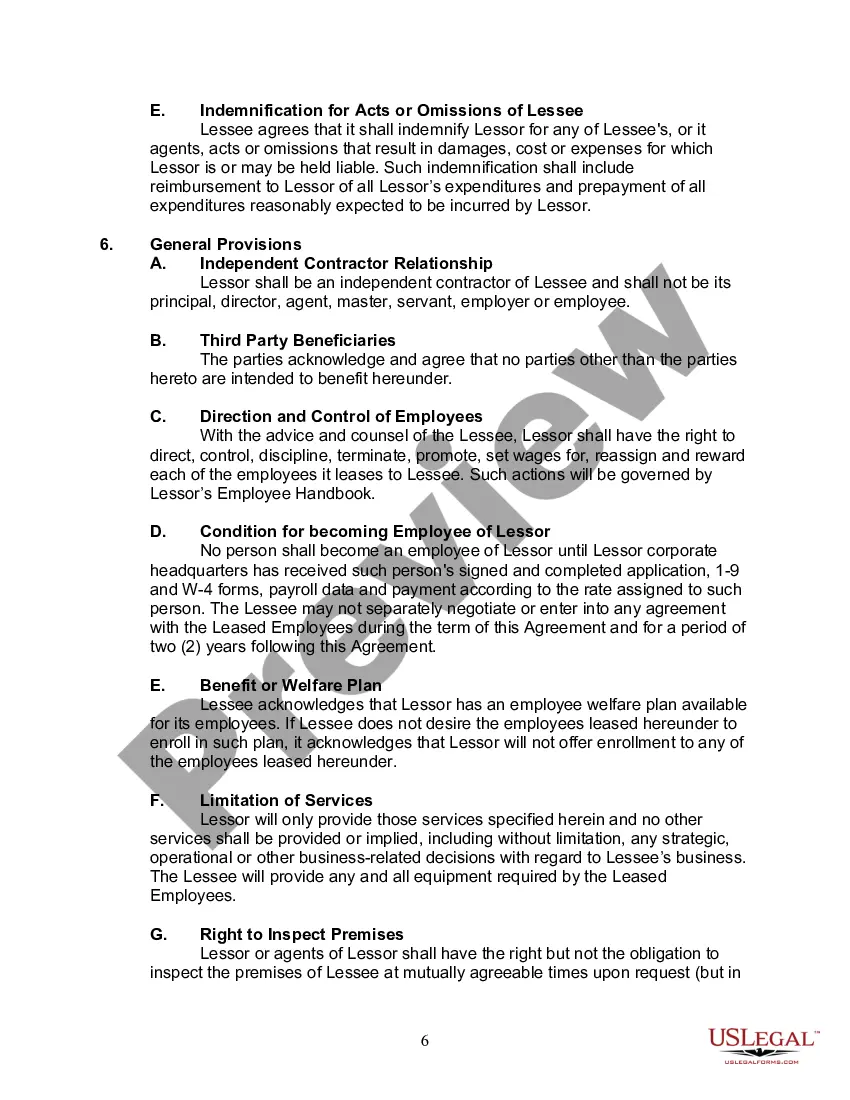
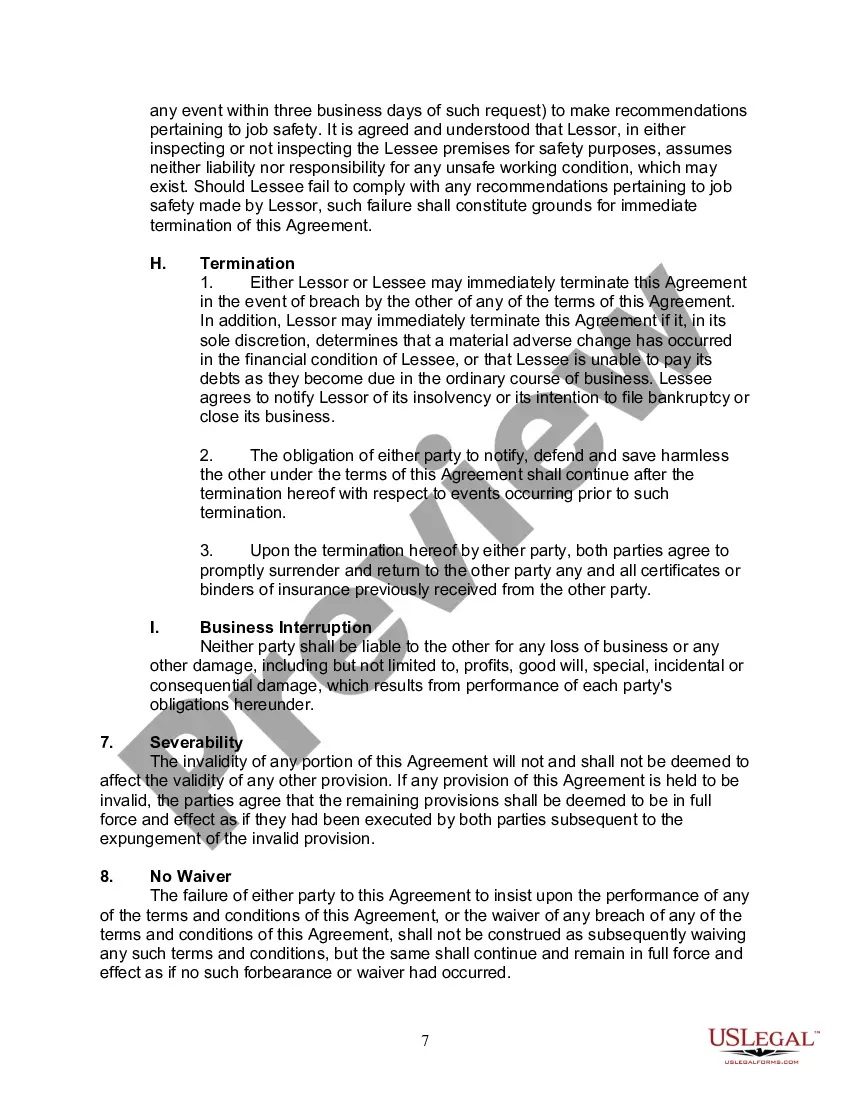
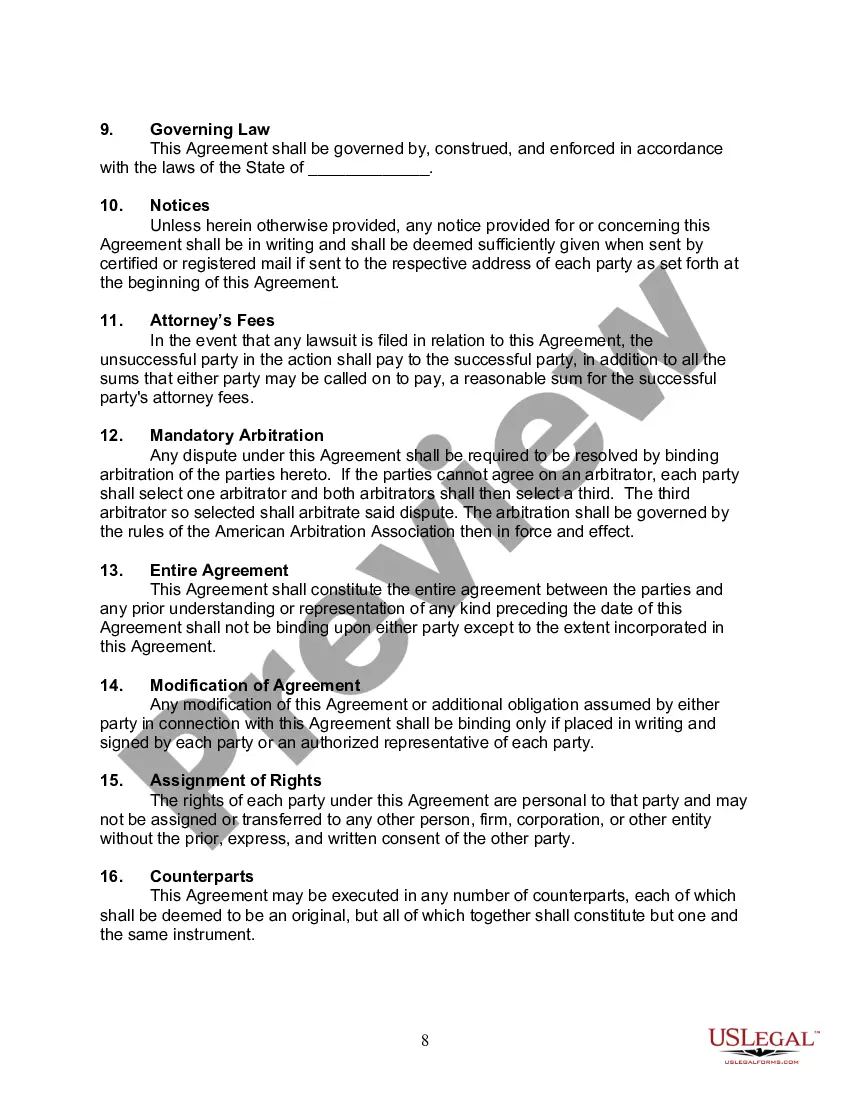
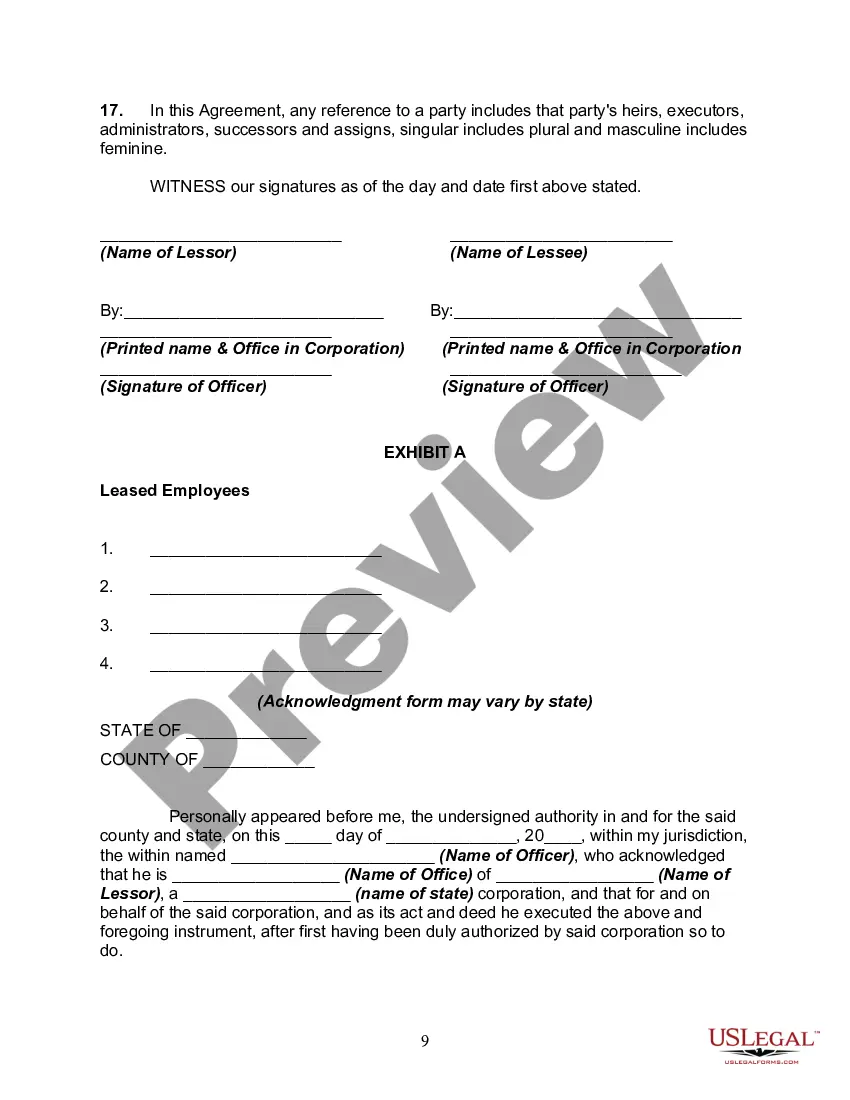
A lease addendum is a document that is added to an existing lease agreement to introduce additional terms, conditions, or provisions without altering the original lease terms.
In most cases, it is possible and easy to add someone to an existing lease if it's allowed by the landlord. However, the landlord will need to write a lease addendum or lease amendment to add new information to the lease that can protect all parties.
If the landlord agrees to add someone's name to a lease, it can be considered a “vacancy lease” even though no one is moving in or out and could result in a possible risk of losing any “preferential rent” agreement with the landlord. Tenants may wish to consult an experienced tenant lawyer before signing a new lease.
Adding Tenants to a Lease in 4 Steps Get a Written Request. Many tenants and landlords communicate over the phone or even in person. Have the New Tenant Fill Out a Rental Application. Review the Details with All Tenants Involved.
