Employee Rental Agreement With Multiple Tenants India In Dallas
Description

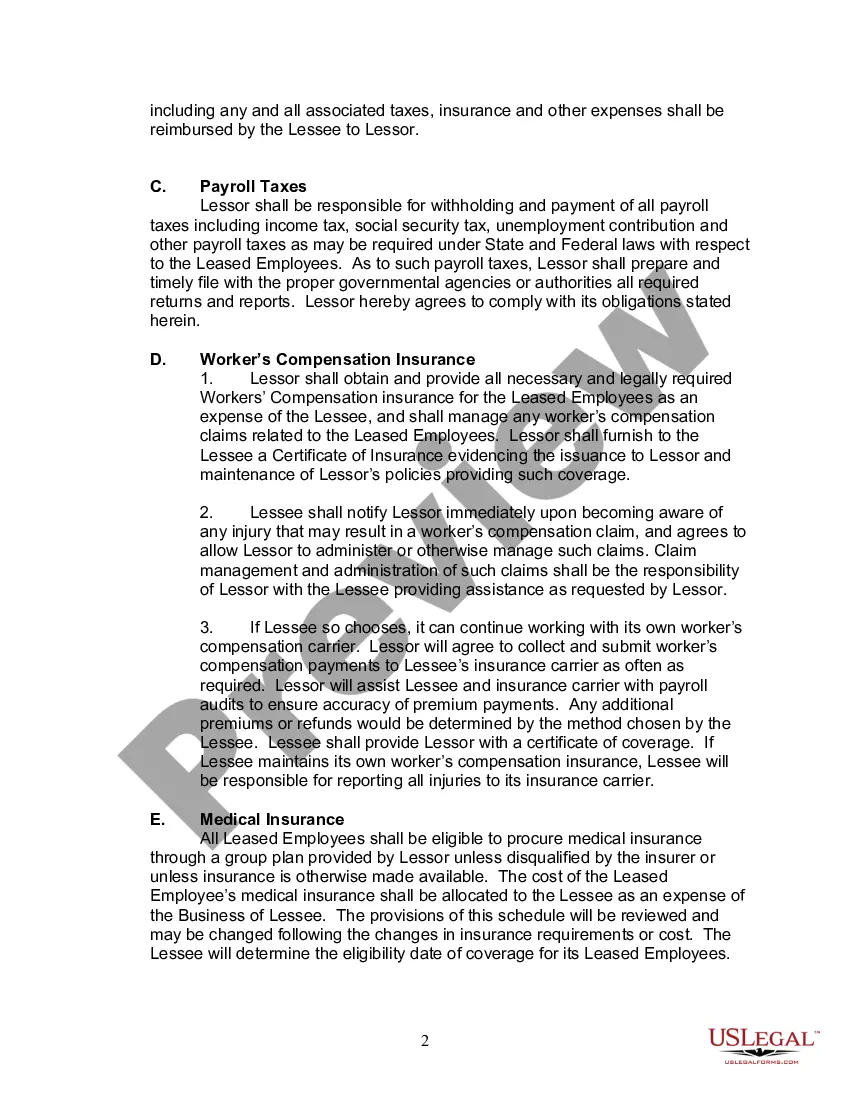
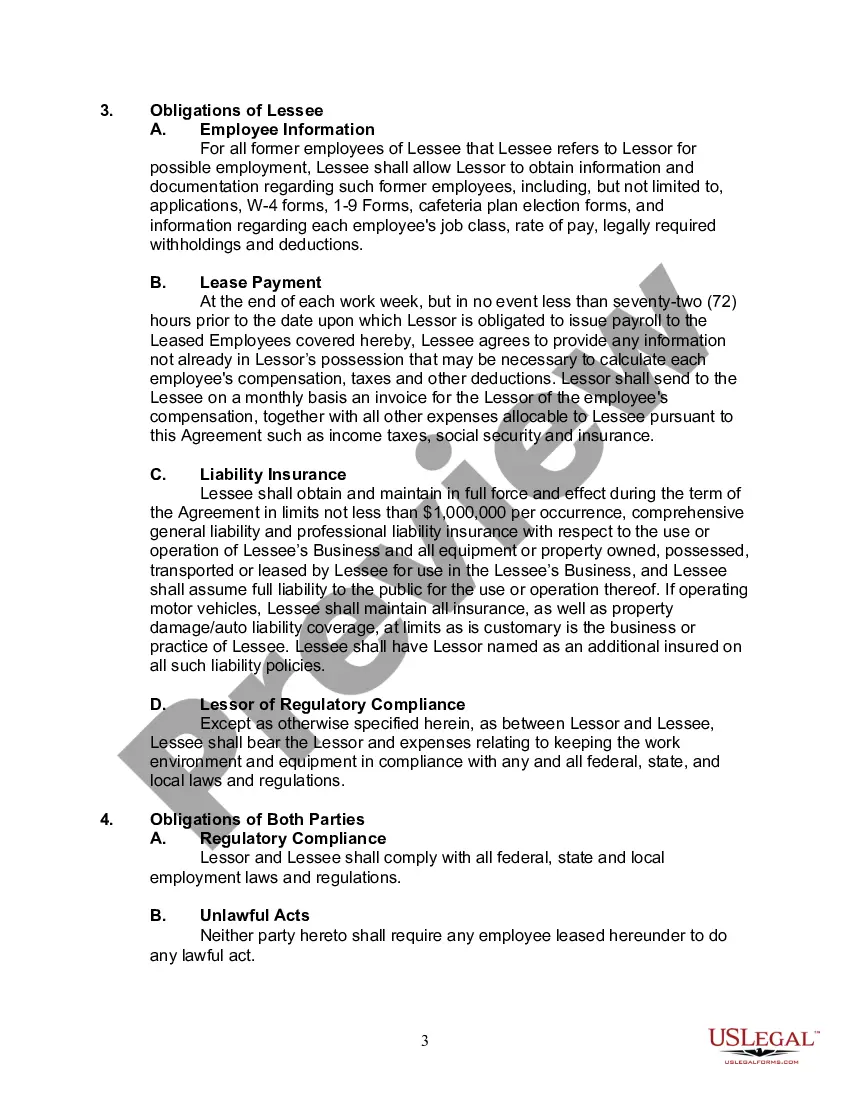
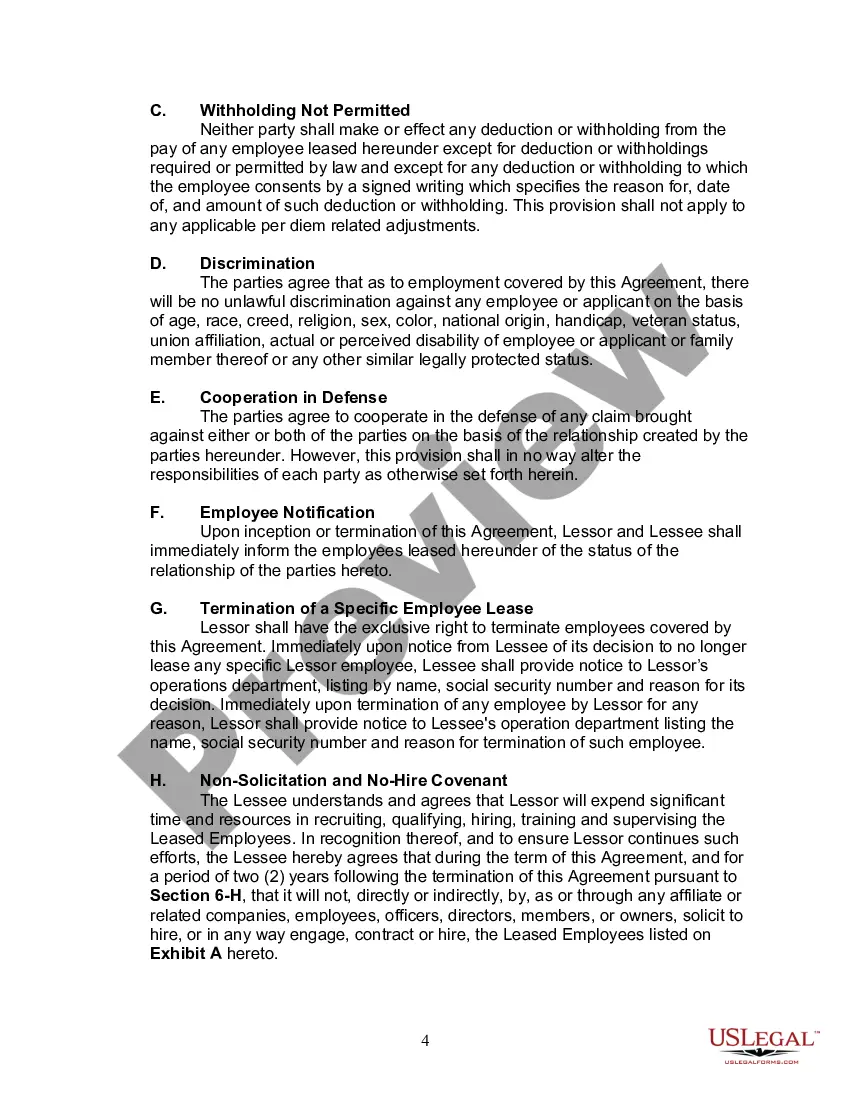
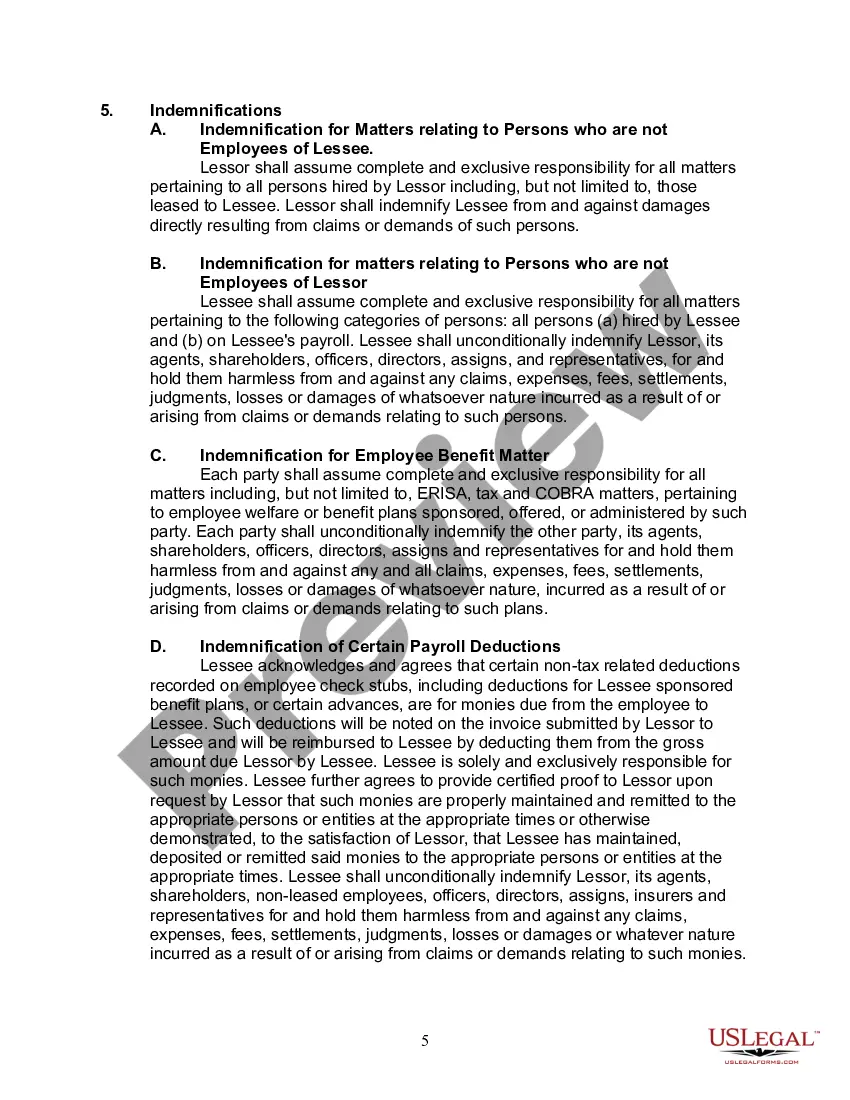
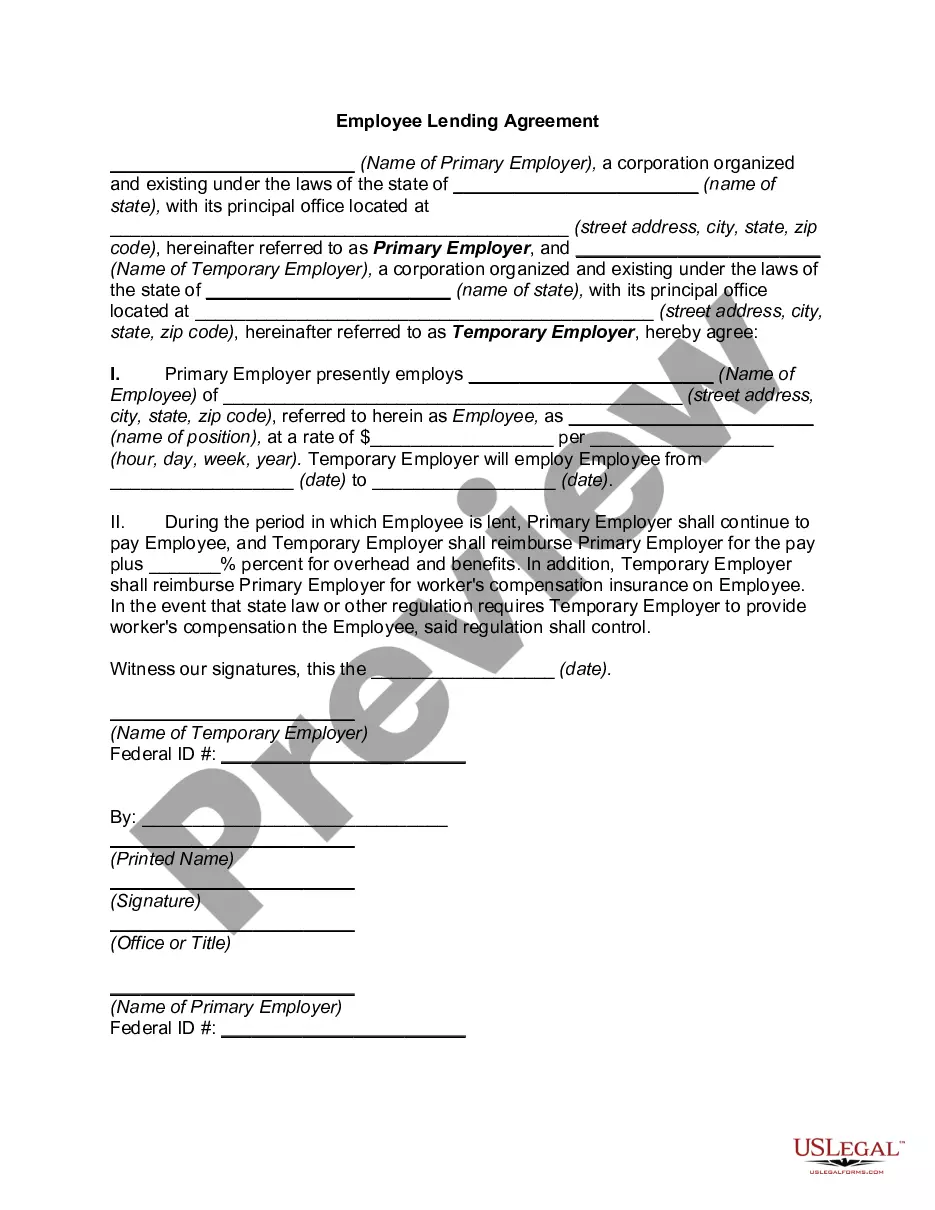
Get your form ready online
Our built-in tools help you complete, sign, share, and store your documents in one place.
Make edits, fill in missing information, and update formatting in US Legal Forms—just like you would in MS Word.
Download a copy, print it, send it by email, or mail it via USPS—whatever works best for your next step.
Sign and collect signatures with our SignNow integration. Send to multiple recipients, set reminders, and more. Go Premium to unlock E-Sign.
If this form requires notarization, complete it online through a secure video call—no need to meet a notary in person or wait for an appointment.
We protect your documents and personal data by following strict security and privacy standards.

Make edits, fill in missing information, and update formatting in US Legal Forms—just like you would in MS Word.

Download a copy, print it, send it by email, or mail it via USPS—whatever works best for your next step.

Sign and collect signatures with our SignNow integration. Send to multiple recipients, set reminders, and more. Go Premium to unlock E-Sign.

If this form requires notarization, complete it online through a secure video call—no need to meet a notary in person or wait for an appointment.

We protect your documents and personal data by following strict security and privacy standards.
Looking for another form?

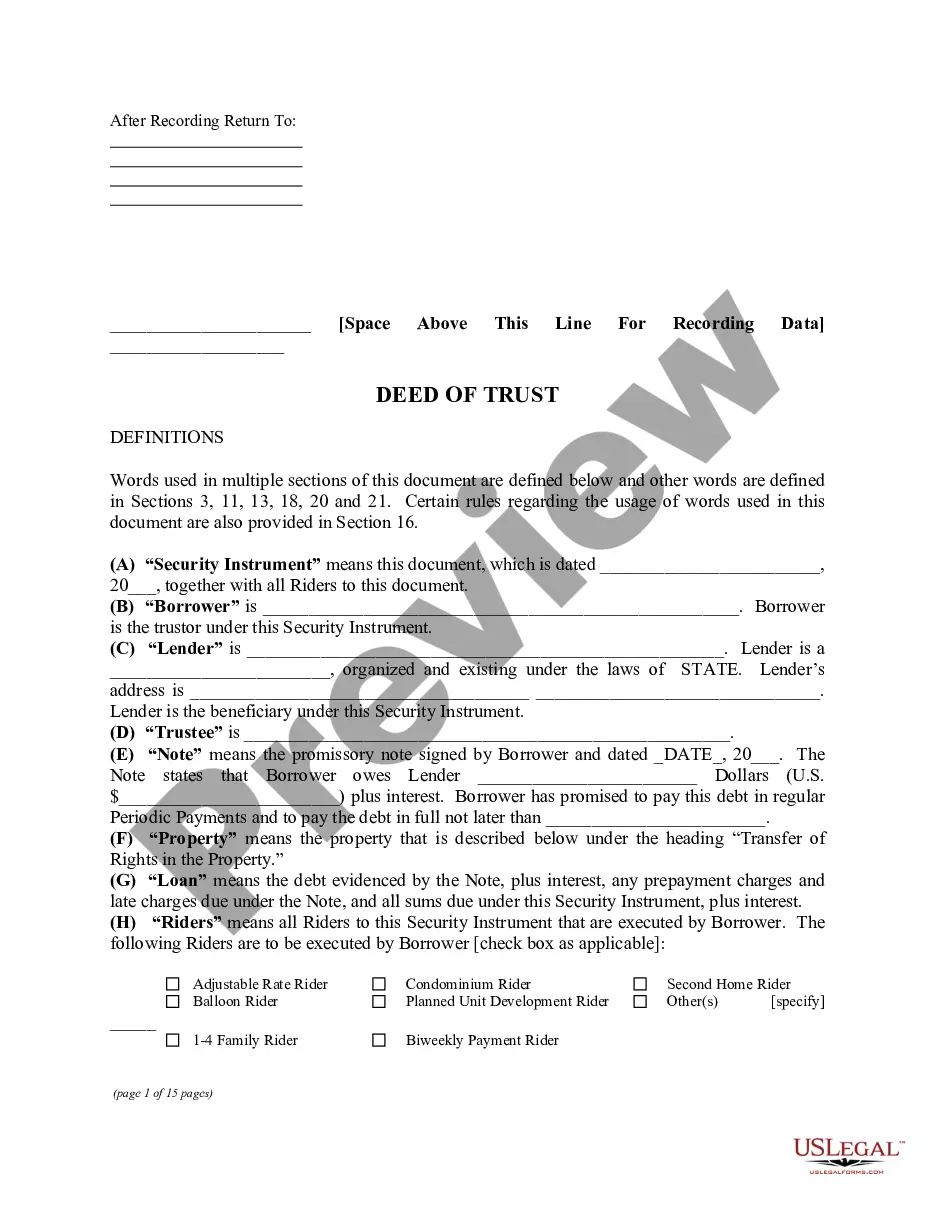



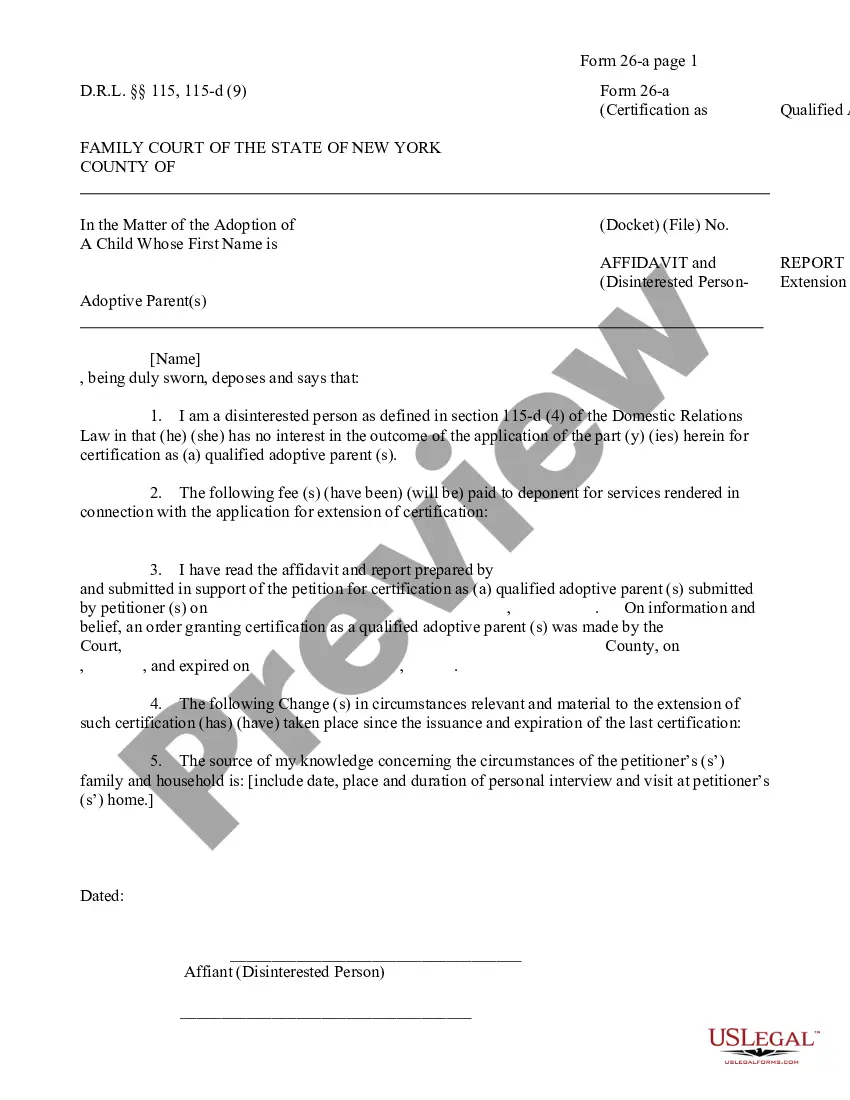

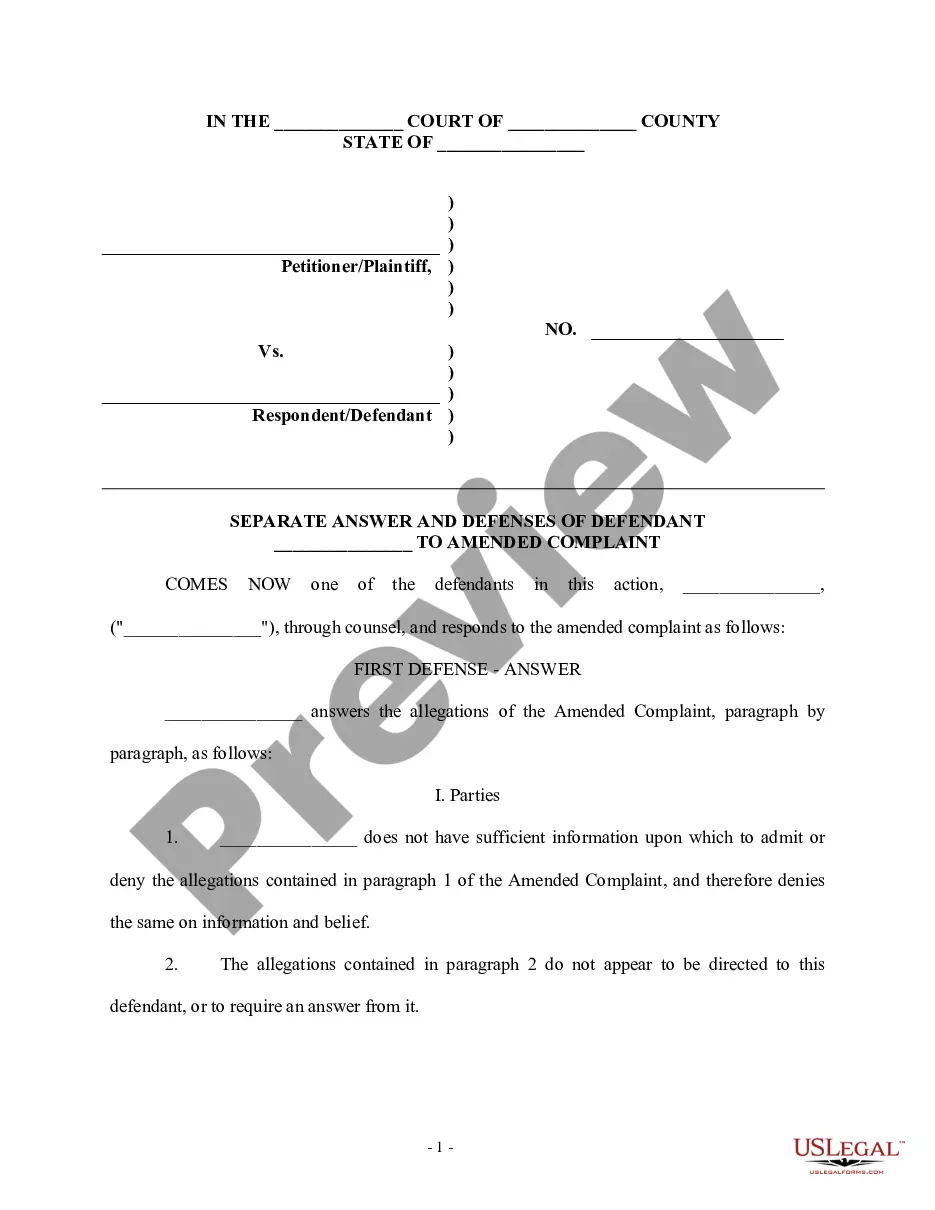

Form popularity
FAQ
Technically, you can live in an apartment without being on the lease. But normally the lease specifies that only people listed in the lease may live in the apartment, so the person on the lease agreement may get in trouble because of an unauthorized tenant. Not all apartment buildings look at the credit reports.
For example, California law enforces a “two plus one” formula for its occupancy limits, meaning two people can occupy each bedroom, with one additional person in a living space. This means that up to five tenants could legally reside in a two-bedroom unit.
For example, California law enforces a “two plus one” formula for its occupancy limits, meaning two people can occupy each bedroom, with one additional person in a living space. This means that up to five tenants could legally reside in a two-bedroom unit.
In this case, you will need each resident to sign a co-tenancy agreement that includes additional guidelines around their individual financial obligations. It's also helpful to ensure that the lease agreement contains guidelines for pets and visitors.
Is it Legal to Rent a Single Family Home to Multiple Tenants? Yes, it's legal in most cases, but you may have to obtain special permission to do so. If the property is zoned as a single-family home, the local housing authority will assume that a single tenant or family occupies the property.
You do not have to tell them. You will still be occupying the building and fully responsible for the lease and rent. They don't need to know who you invite to live with you unless your partner causes problems in the building.
Steps to Add a Tenant to an Existing Lease Acquire a Written Request to Add a Tenant. Check the Unit's Occupancy Limit. Require a Completed Rental Application. Screen and Approve/Deny the New Tenant. Review the Details With Each Tenant.
Laws determining occupancy limits vary from state to state, with some regions having stringent mandates and others having next to none. For example, California law enforces a “two plus one” formula for its occupancy limits, meaning two people can occupy each bedroom, with one additional person in a living space.
Consider offering a higher security deposit, paying more in rent, staying on a month-to-month lease or short term lease, offering rental references, or finding a cosigner to help your prospective landlord feel at ease renting to you.
If multiple tenant rentals are a common practice where your property is located, it is best to discuss the situation with your local Real Property Management office. They can provide their professional experience and guide you in the ideal solution for your rental property.
