Employee Rental Agreement With Notary In Chicago
Description

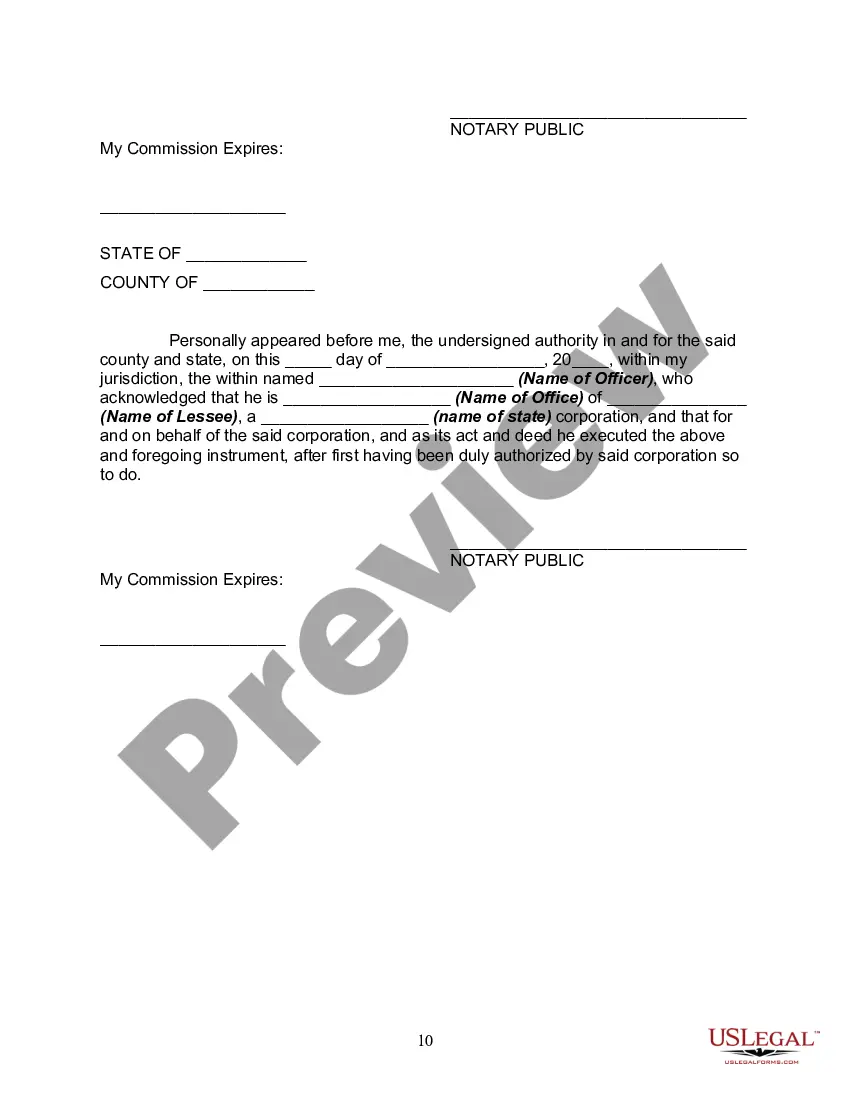
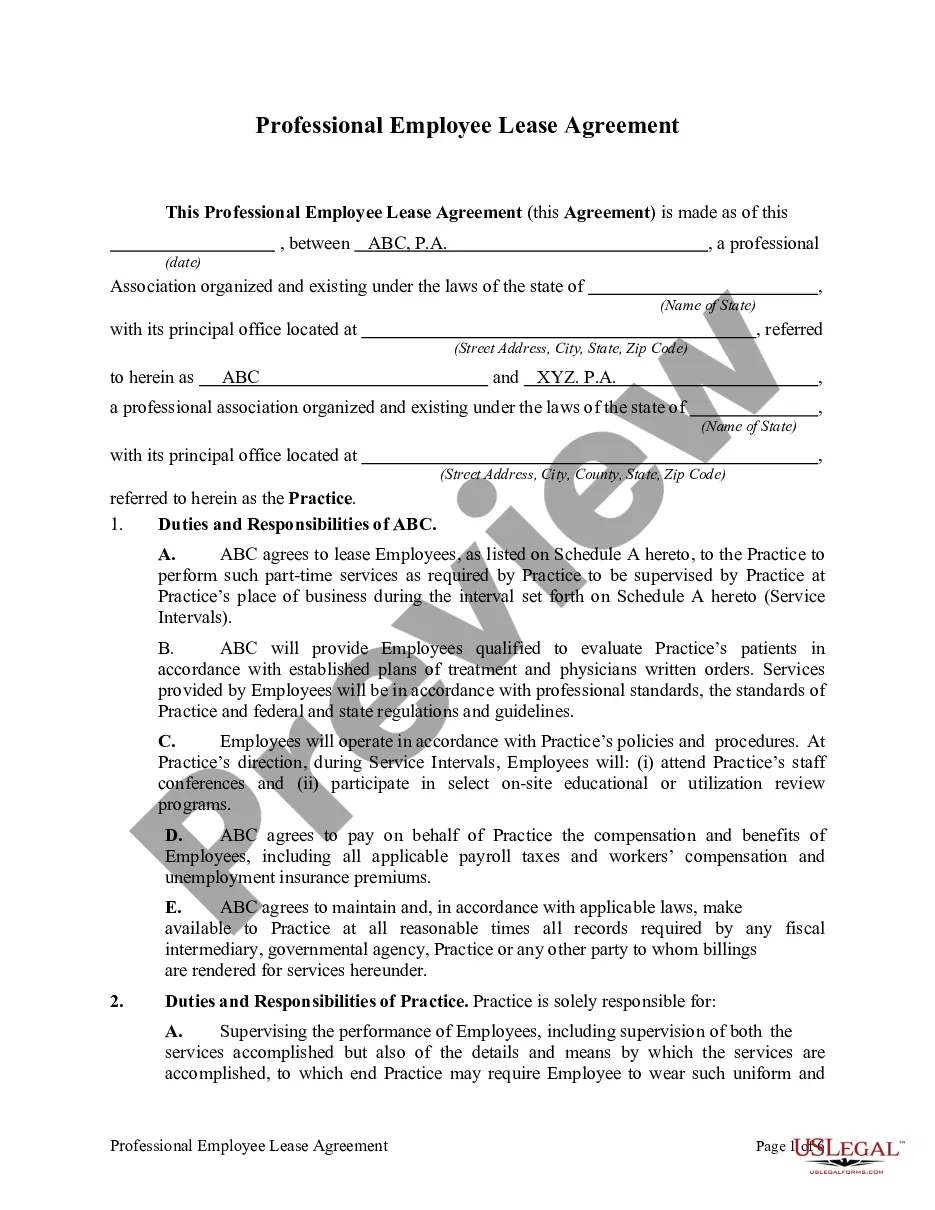
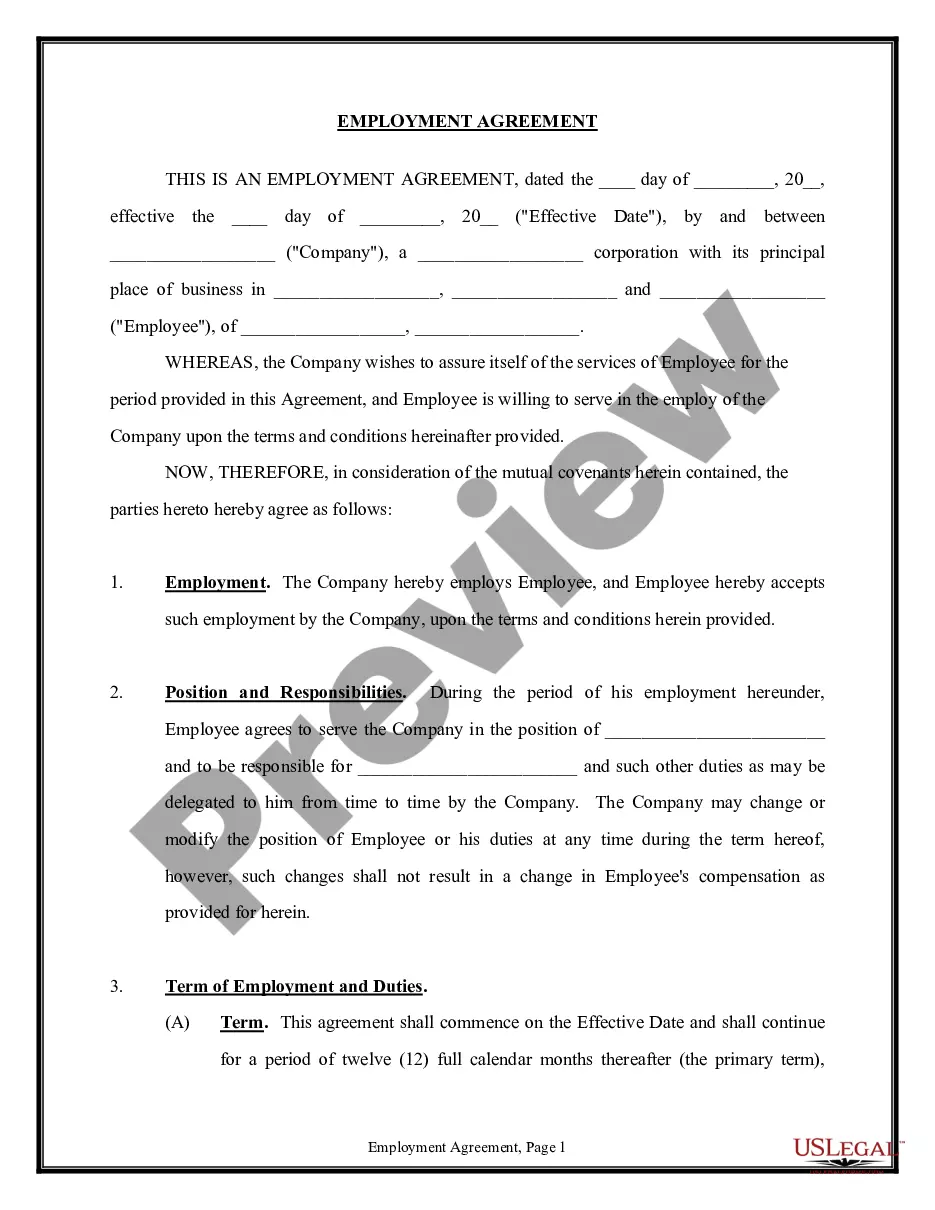
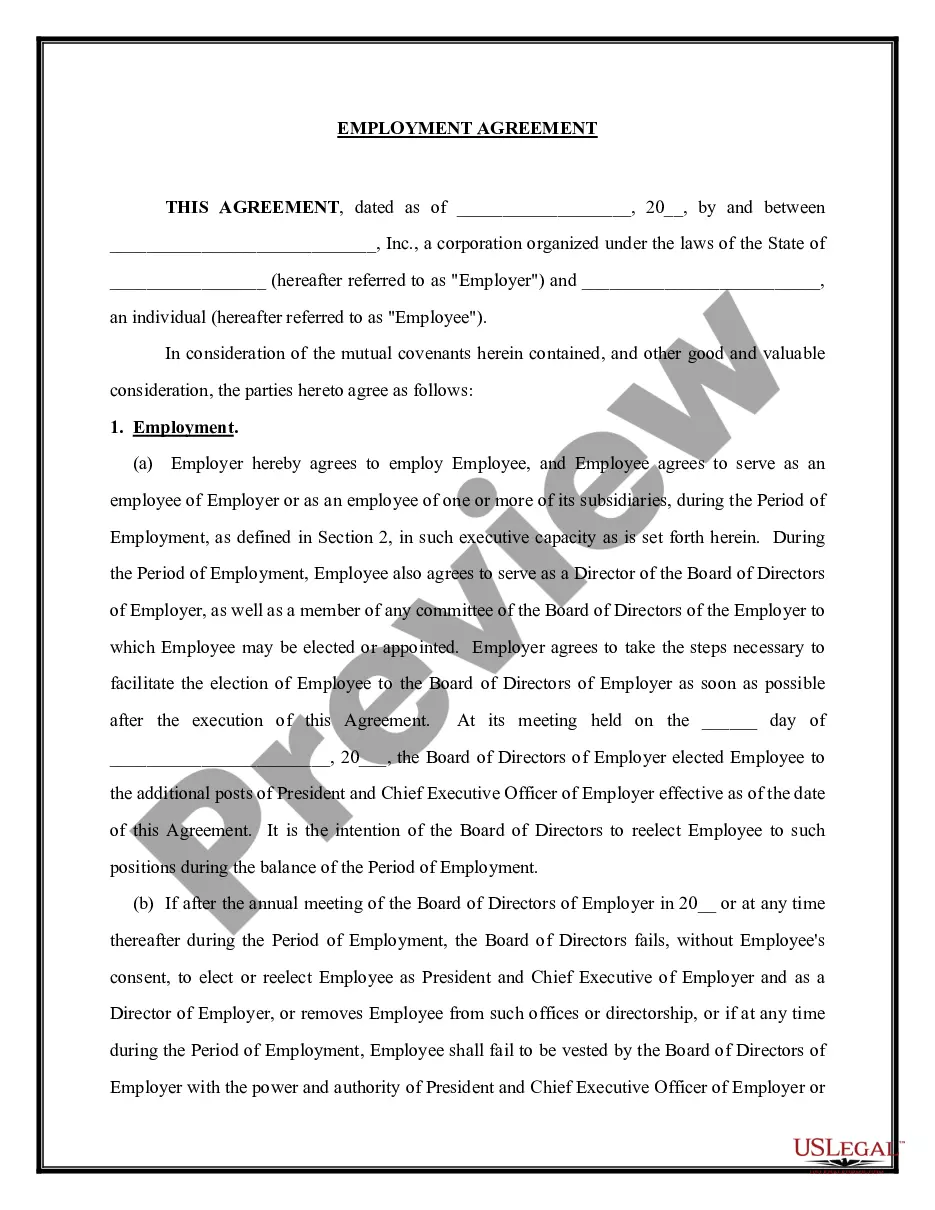
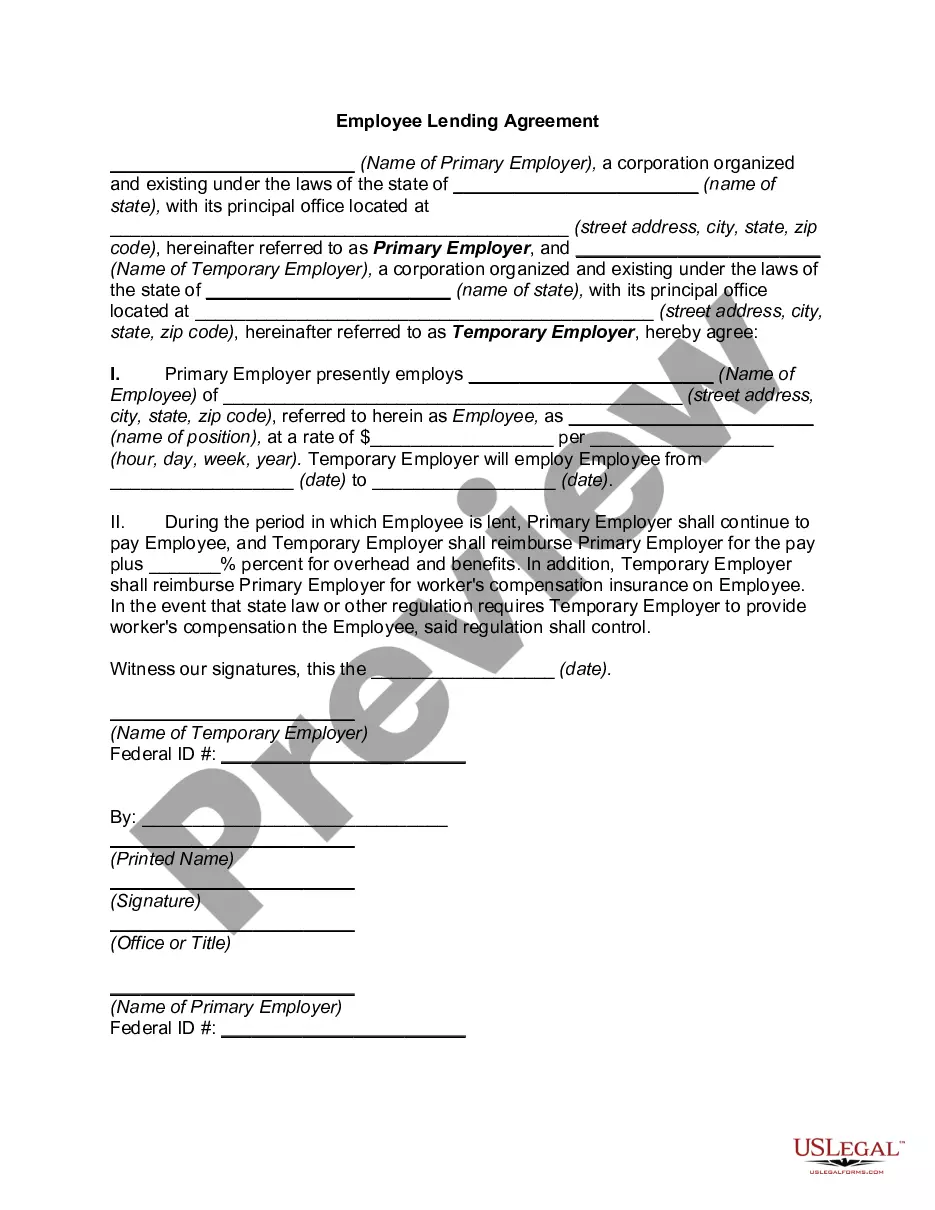
Get your form ready online
Our built-in tools help you complete, sign, share, and store your documents in one place.
Make edits, fill in missing information, and update formatting in US Legal Forms—just like you would in MS Word.
Download a copy, print it, send it by email, or mail it via USPS—whatever works best for your next step.
Sign and collect signatures with our SignNow integration. Send to multiple recipients, set reminders, and more. Go Premium to unlock E-Sign.
If this form requires notarization, complete it online through a secure video call—no need to meet a notary in person or wait for an appointment.
We protect your documents and personal data by following strict security and privacy standards.

Make edits, fill in missing information, and update formatting in US Legal Forms—just like you would in MS Word.

Download a copy, print it, send it by email, or mail it via USPS—whatever works best for your next step.

Sign and collect signatures with our SignNow integration. Send to multiple recipients, set reminders, and more. Go Premium to unlock E-Sign.

If this form requires notarization, complete it online through a secure video call—no need to meet a notary in person or wait for an appointment.

We protect your documents and personal data by following strict security and privacy standards.
Looking for another form?
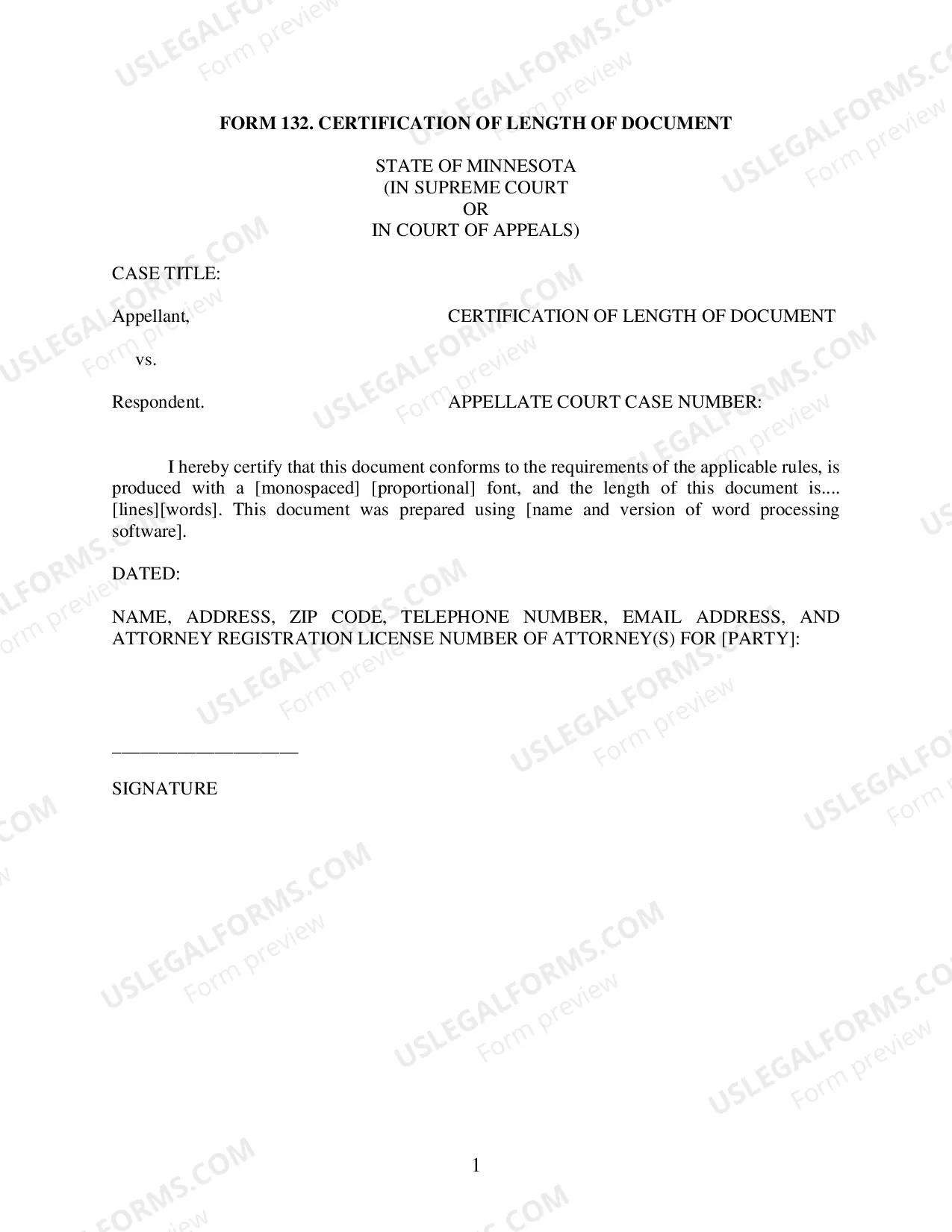

Form popularity
FAQ
Not every document that needs to be signed needs to be notarized — only certain types of paperwork require a notary's seal. While laws vary from state to state, they typically include real estate transactions, certain legal documents, many financial documents, and some forms related to healthcare.
Can an employer require you to be a notary in order to keep your job? An employer has a right to require its employees to become notaries public as part of their duties of their employment in order to meet the needs of the business. However, an employer cannot govern the duties of the office of notary public.
In most cases, a contract does not have to be notarized since the signed contract itself is enforceable and legally binding in state or federal courts. Many types of written contracts don't require a notary public to be valid.
Will a handwritten agreement hold up in court is an important question when entering into agreements for business purposes. The basic answer to that question is that a written agreement is valid and does not need to be notarized to be enforceable.
Just like wills, there is generally no requirement that a contract be notarized in order to be legally binding. However, if a party who signed a business agreement decides to dispute that agreement in court, a notarized contract can help a great deal.
While notarization can enhance a lease's security by adding authenticity and preventing fraud, many states do not mandate it for standard residential leases. For example, California does not require lease notarization, while other states like Ohio may have different requirements.
In summation, all new and renewing notaries will be required to complete a course of study and pass an exam. With some exceptions, notaries are required to keep a journal of all notarial acts. There are separate commissions, costs, and fees for in-person/remote and electronic notarization.
Not every document that needs to be signed needs to be notarized — only certain types of paperwork require a notary's seal. While laws vary from state to state, they typically include real estate transactions, certain legal documents, many financial documents, and some forms related to healthcare.
Does a Lease Need to Be Notarized in Illinois? No, Illinois lease laws do not require that an Illinois Rental Agreement be notarized. The Lease just needs to be signed by both the Landlord, the lessor, and the Tenant, the lessee.