Agreement General Form Contract With State In Wayne
Description









Get your form ready online
Our built-in tools help you complete, sign, share, and store your documents in one place.
Make edits, fill in missing information, and update formatting in US Legal Forms—just like you would in MS Word.
Download a copy, print it, send it by email, or mail it via USPS—whatever works best for your next step.
Sign and collect signatures with our SignNow integration. Send to multiple recipients, set reminders, and more. Go Premium to unlock E-Sign.
If this form requires notarization, complete it online through a secure video call—no need to meet a notary in person or wait for an appointment.
We protect your documents and personal data by following strict security and privacy standards.

Make edits, fill in missing information, and update formatting in US Legal Forms—just like you would in MS Word.

Download a copy, print it, send it by email, or mail it via USPS—whatever works best for your next step.

Sign and collect signatures with our SignNow integration. Send to multiple recipients, set reminders, and more. Go Premium to unlock E-Sign.

If this form requires notarization, complete it online through a secure video call—no need to meet a notary in person or wait for an appointment.

We protect your documents and personal data by following strict security and privacy standards.
Looking for another form?
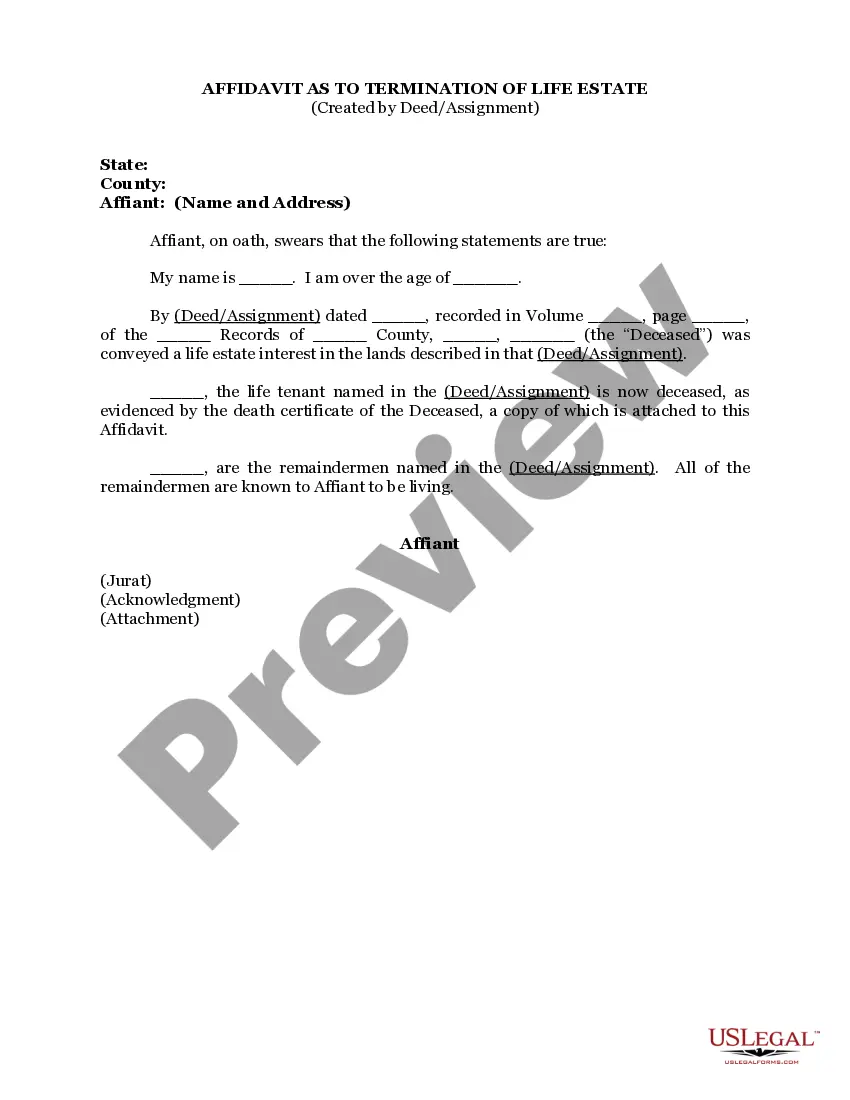


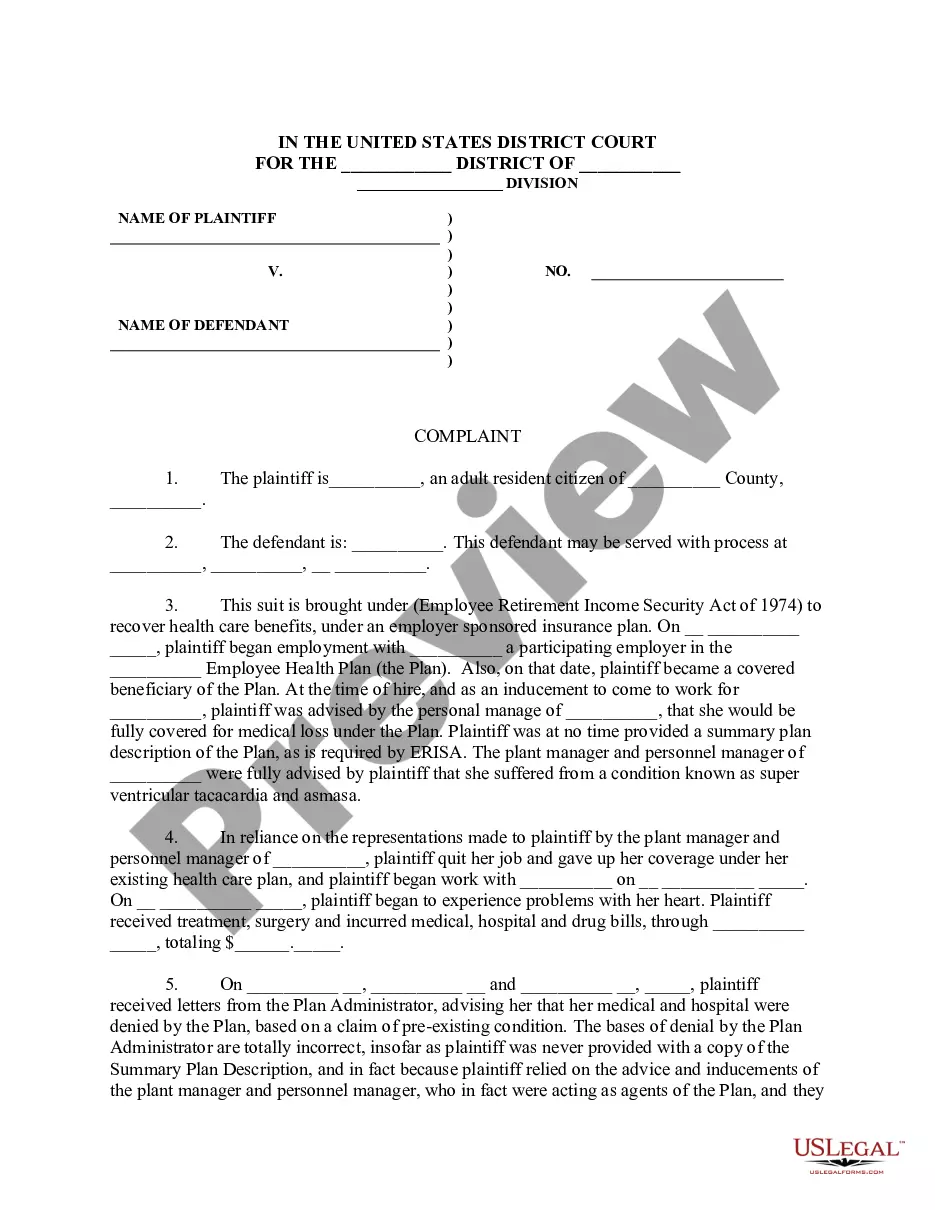






Form popularity
FAQ
Service agreements are a type of contract focused specifically on the provision of services. The key differences include formality, enforceability, legal obligations, and remedy options in disputes. Contracts require offer, acceptance, consideration, competency, and legal purpose to be valid.
NOW therefore it is hereby agreed as follows: 1. In consideration of the payments to be made to the Service Provider, as hereinafter provided and agreed to by both the parties, the Service Provider shall upon and subject to the said condition execute and complete the contract.
How to write a contract agreement in 7 steps. Determine the type of contract required. Confirm the necessary parties. Choose someone to draft the contract. Write the contract with the proper formatting. Review the written contract with a lawyer. Send the contract agreement for review or revisions.
How to draft a contract in 13 simple steps Start with a contract template. Understand the purpose and requirements. Identify all parties involved. Outline key terms and conditions. Define deliverables and milestones. Establish payment terms. Add termination conditions. Incorporate dispute resolution.
Below are eight important points to consider including in an independent contractor agreement. Define a Scope of Work. Set a Timeline for the Project. Specify Payment Terms. State Desired Results and Agree on Performance Measurement. Detail Insurance Requirements. Include a Statement of Independent Contractor Relationship.
An agreement can be informal or it may be written; a contract may be verbal or written, but a contract will always be enforceable if it contains certain requirements. Modern contract management software takes an agreement and puts in the legal requirements that formally turn an agreement into a contract.
A standard form contract (sometimes referred to as a contract of adhesion, a leonine contract, a take-it-or-leave-it contract, or a boilerplate contract) is a contract between two parties, where the terms and conditions of the contract are set by one of the parties, and the other party has little or no ability to ...
Commonly called a contract, a contractual agreement between two or more parties allows or restricts them from engaging in certain acts by creating mutual obligations enforceable by law. Failure to abide by these obligations may be punishable by law in the form of monetary fines, community service, or even jail time.
A standard form contract is generally understood as a set of standard terms and conditions that is issued on a repetitive basis to multiple people, for example, a gym membership application form or the terms and conditions governing an electricity service.
A standard form contract will typically be one prepared by one party to the contract and not negotiated between the parties—it is offered on a 'take it or leave it' basis.
