Agreement Form Assign Contract Without In San Bernardino
Description

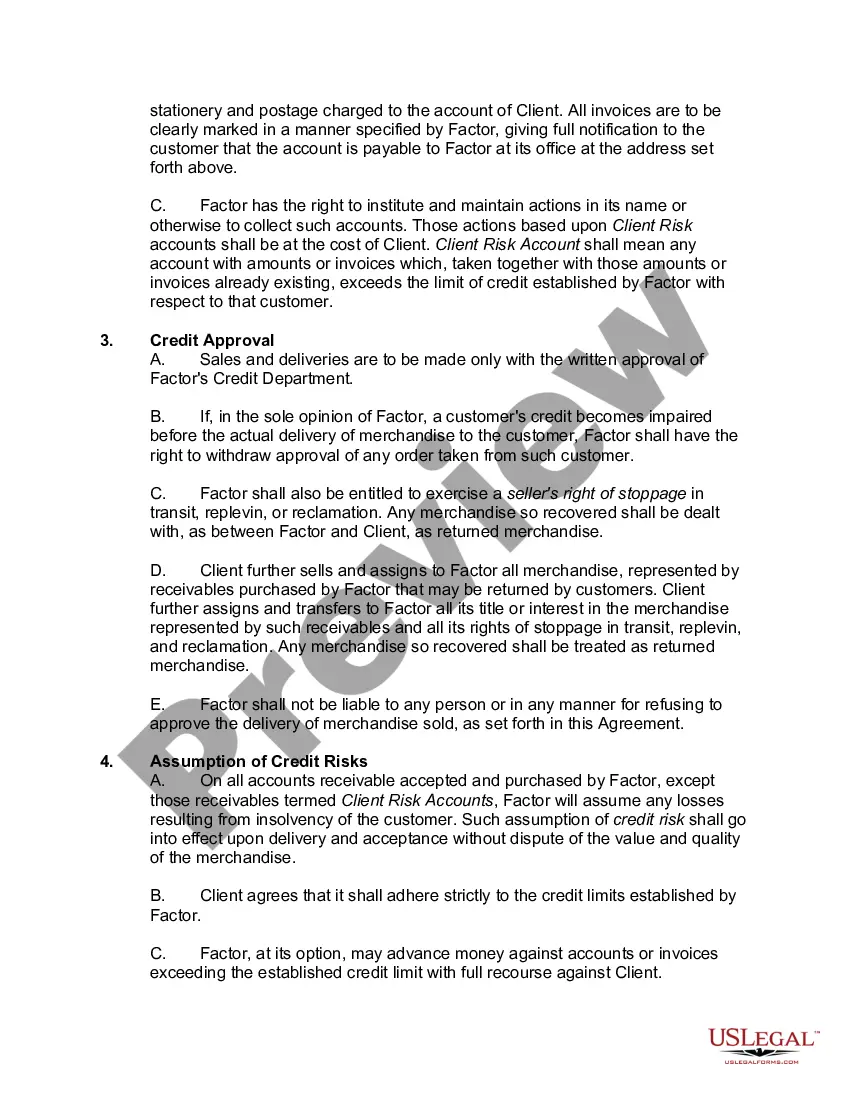
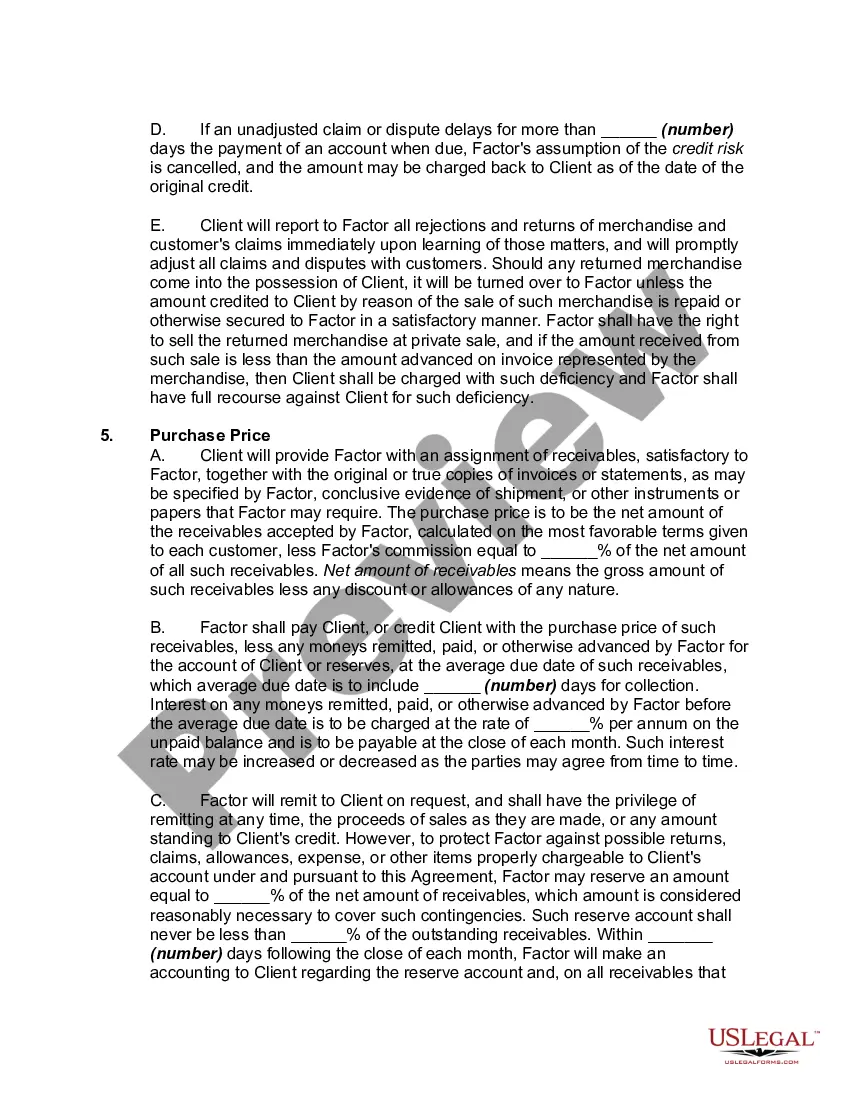
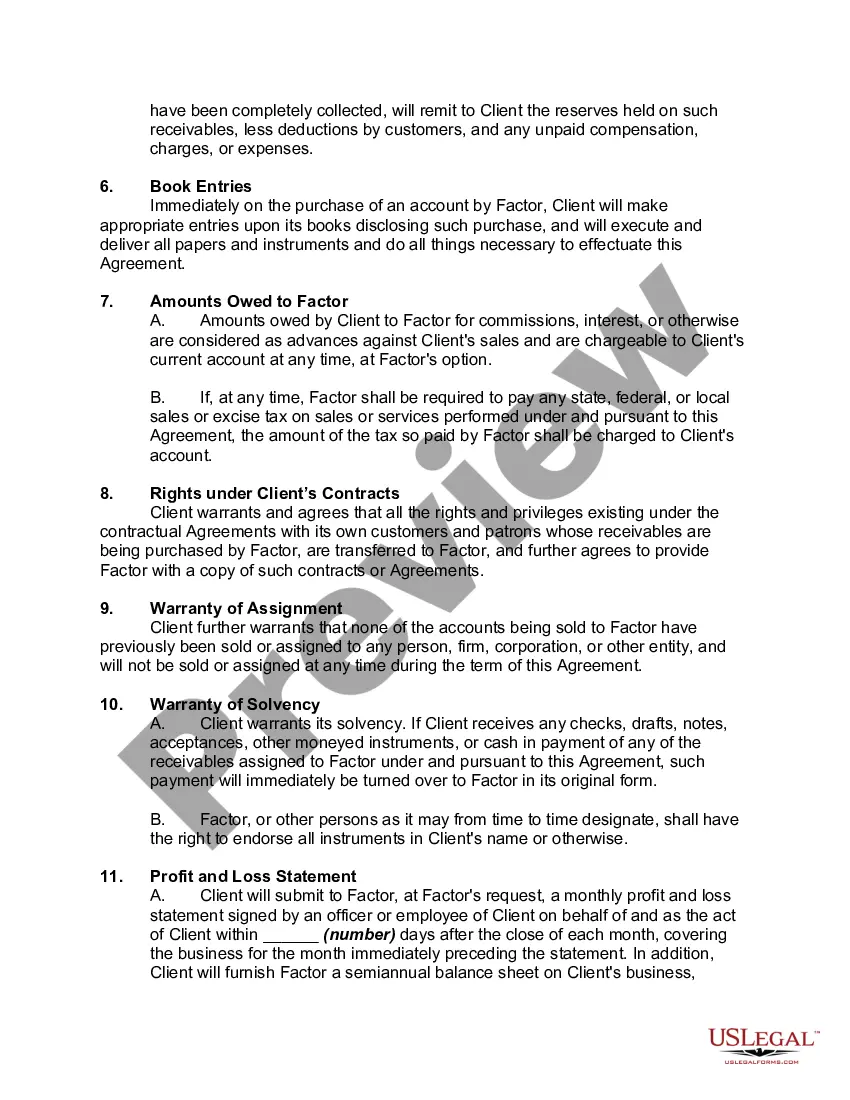
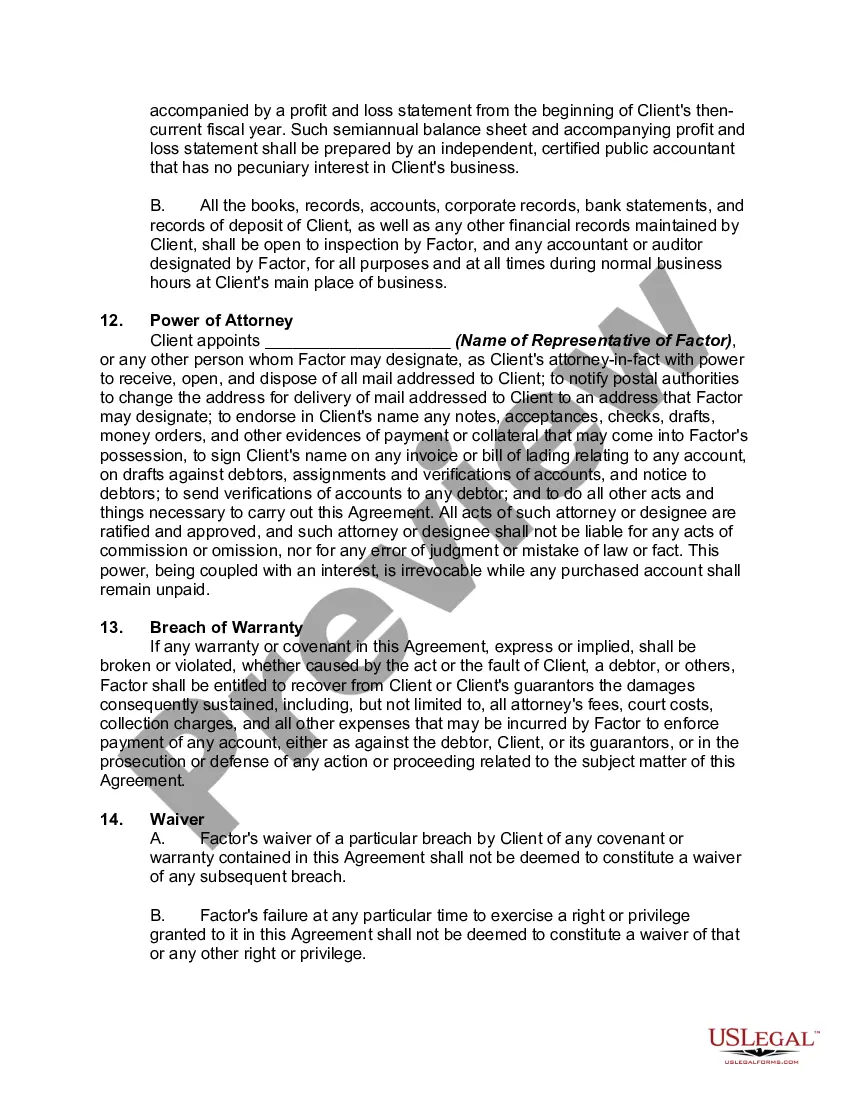
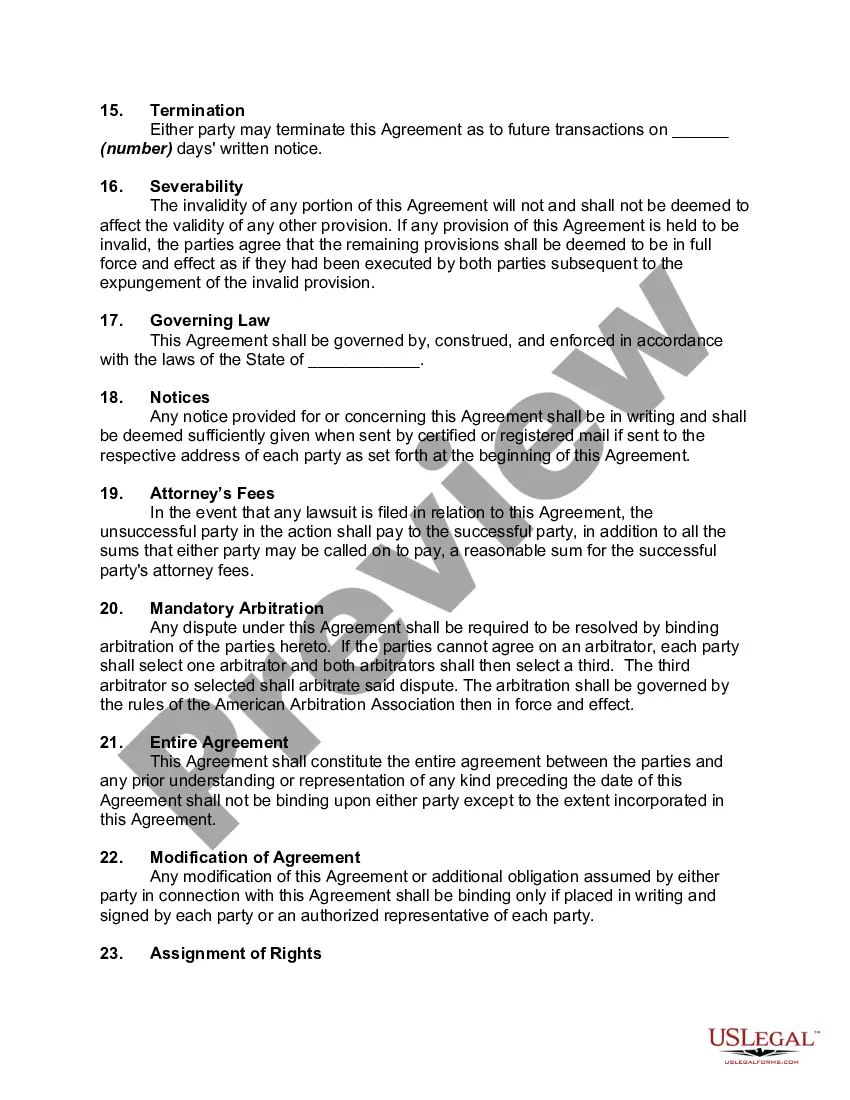

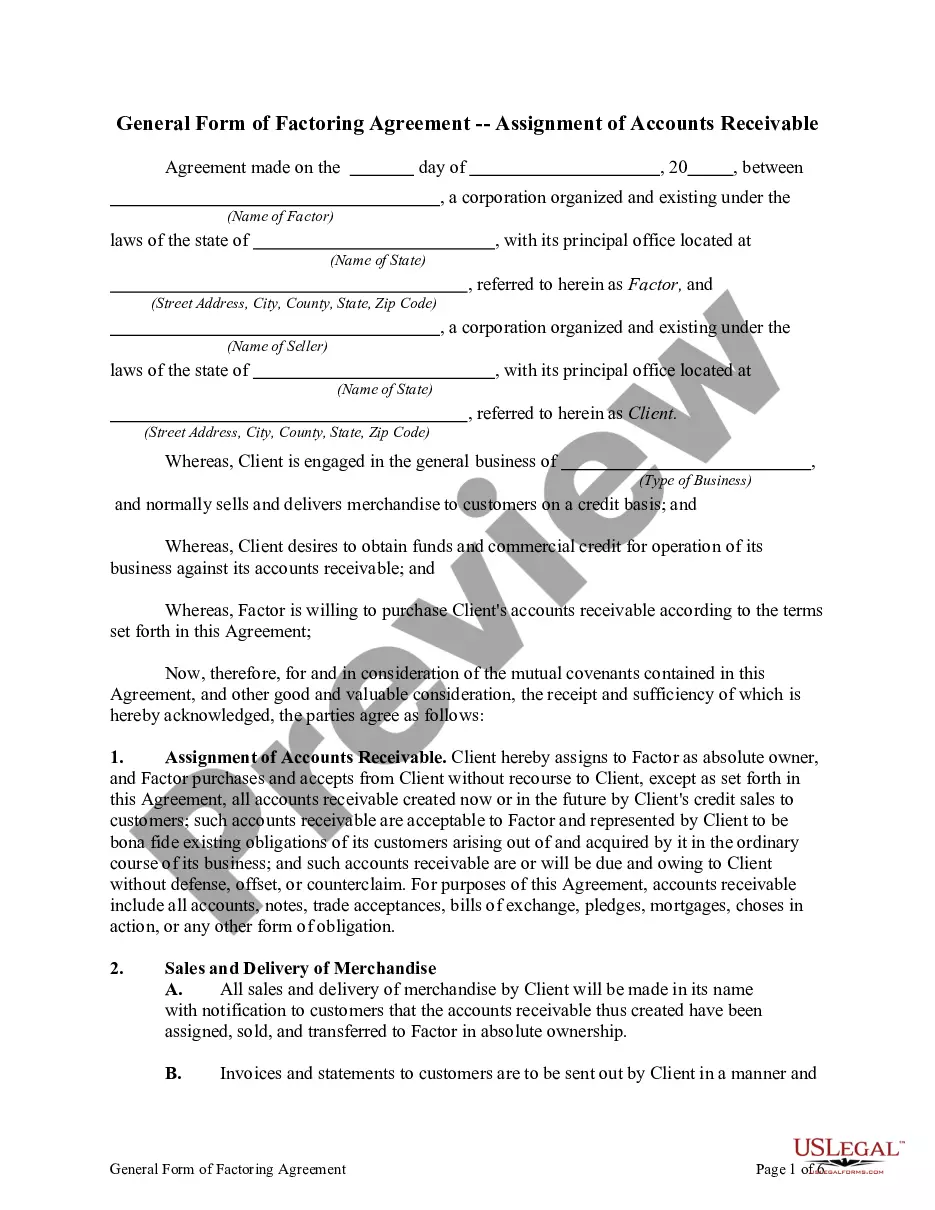

Get your form ready online
Our built-in tools help you complete, sign, share, and store your documents in one place.
Make edits, fill in missing information, and update formatting in US Legal Forms—just like you would in MS Word.
Download a copy, print it, send it by email, or mail it via USPS—whatever works best for your next step.
Sign and collect signatures with our SignNow integration. Send to multiple recipients, set reminders, and more. Go Premium to unlock E-Sign.
If this form requires notarization, complete it online through a secure video call—no need to meet a notary in person or wait for an appointment.
We protect your documents and personal data by following strict security and privacy standards.

Make edits, fill in missing information, and update formatting in US Legal Forms—just like you would in MS Word.

Download a copy, print it, send it by email, or mail it via USPS—whatever works best for your next step.

Sign and collect signatures with our SignNow integration. Send to multiple recipients, set reminders, and more. Go Premium to unlock E-Sign.

If this form requires notarization, complete it online through a secure video call—no need to meet a notary in person or wait for an appointment.

We protect your documents and personal data by following strict security and privacy standards.
Looking for another form?










Form popularity
FAQ
Generally, a contract is binding when the following is true: the parties intend to make a contract. there is an offer and an acceptance. the parties receive something in return for their promises.
The basic elements required for the agreement to be a legally enforceable contract are: mutual assent, expressed by a valid offer and acceptance; adequate consideration; capacity; and legality.
The assignor must agree to assign their rights and duties under the contract to the assignee. The assignee must agree to accept, or "assume," those contractual rights and duties. The other party to the initial contract must consent to the transfer of rights and obligations to the assignee.
How to write a letter of agreement Title the document. Add the title at the top of the document. List your personal information. Include the date. Add the recipient's personal information. Address the recipient. Write an introduction paragraph. Write your body. Conclude the letter.
Requirements for a Legal (Statutory) Assignment These statutory assignments are enforceable if the parties comply with the following procedures: The assignment is absolute. The assignment is in writing, signed by the assignor. the non-assigning obligor is given express written notice.
“No Assignment” clause specifies that the rights or obligations outlined in the contract cannot be transferred or assigned to another party without obtaining prior consent from the original contracting party.
Offer and Acceptance: In order to create a legally binding contract one party must make the offer and the other party must give their approval to the offer so made, thereby accepting it. Acceptance of offer results in promises that form agreement. The acceptance may be communicated either in an express or implied form.
When Is a Contract Assignment Valid? Contract rights and benefits can lawfully be assigned so long as no prior agreement prohibits an assignment. All required is for the assigning party (the assignor) to agree with the assignee (the third party recipient) that they will be transmitting their rights to them.
To change the name(s) on real property, the present owner(s) may execute a new deed conveying the property from the name(s) as they presently appear, to the name(s) that will be used to hold title. Full names of all parties must be used.
(h) No assignment of wages is valid unless at the time of the making thereof, such wages or salary have been earned, except for necessities of life and then only to the person or persons furnishing such necessities of life directly and then only for the amount needed to furnish such necessities.
