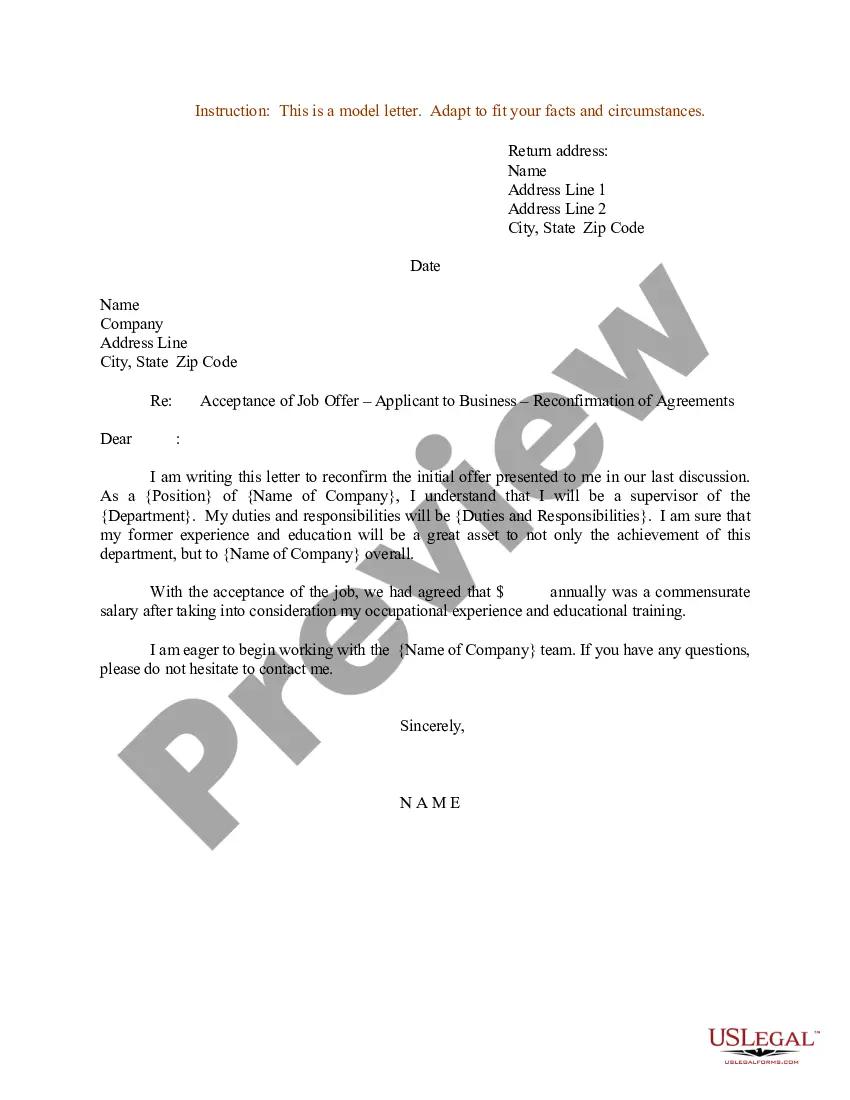
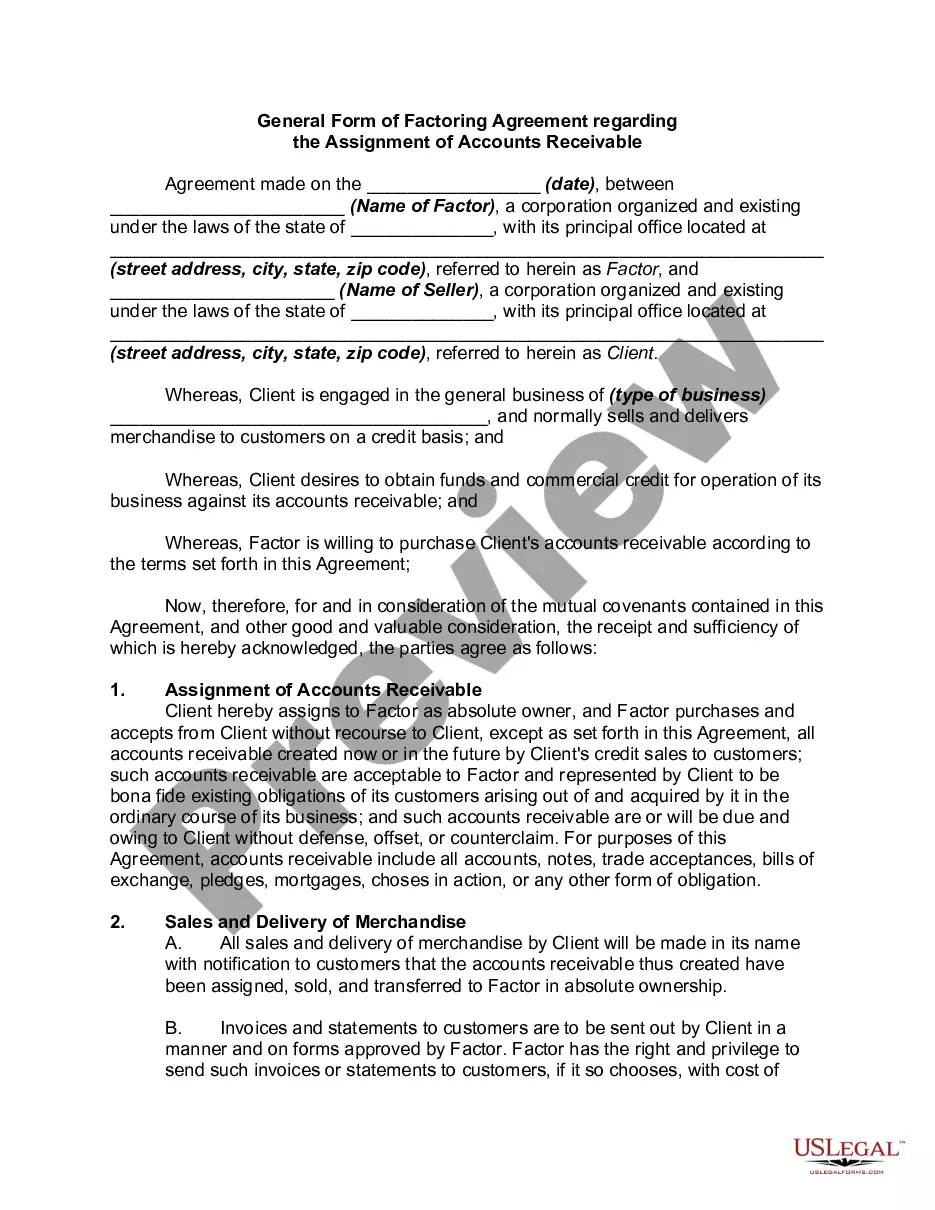
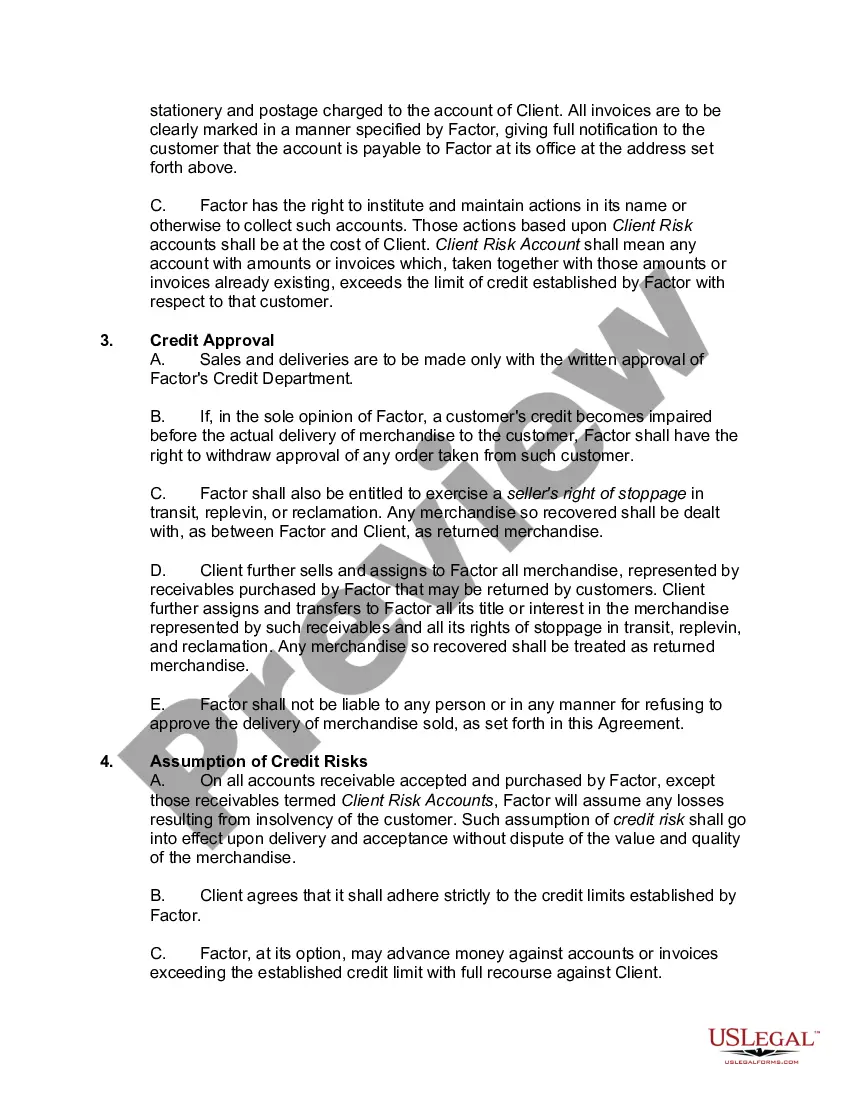
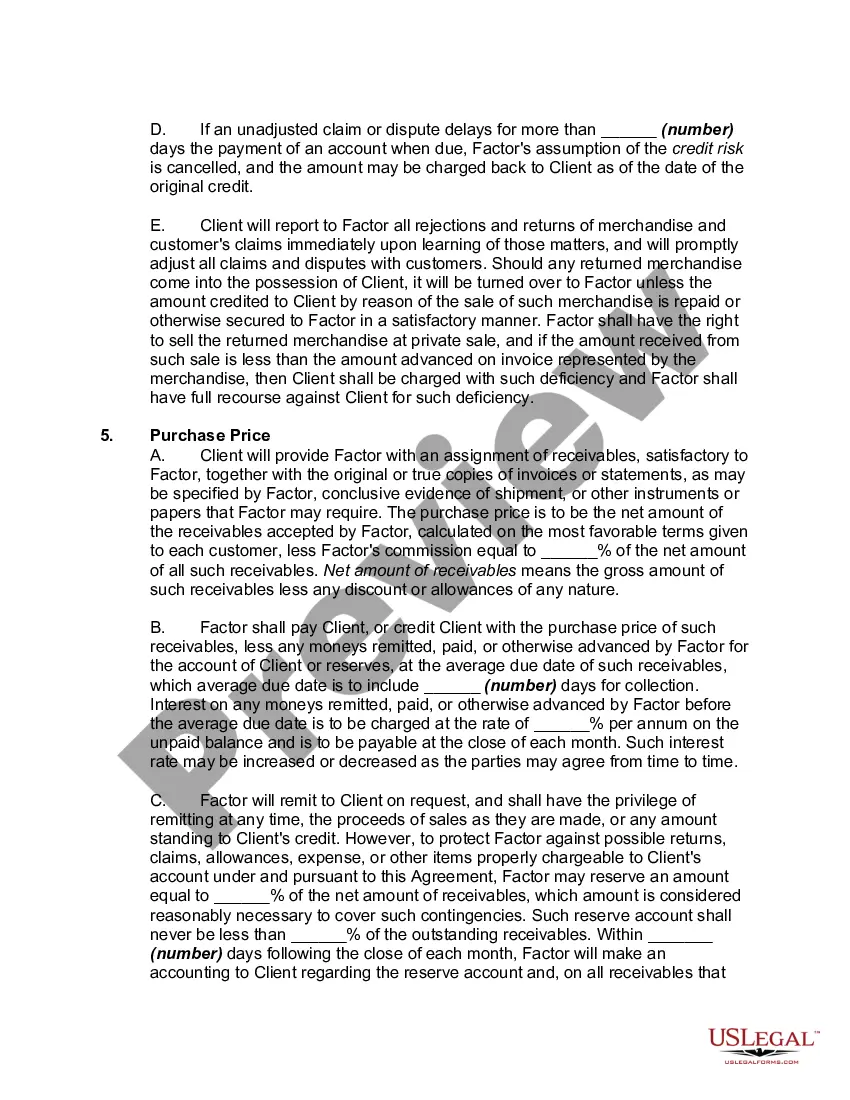
Agreement Accounts Receivable With Balance Sheet Example In Phoenix
Description
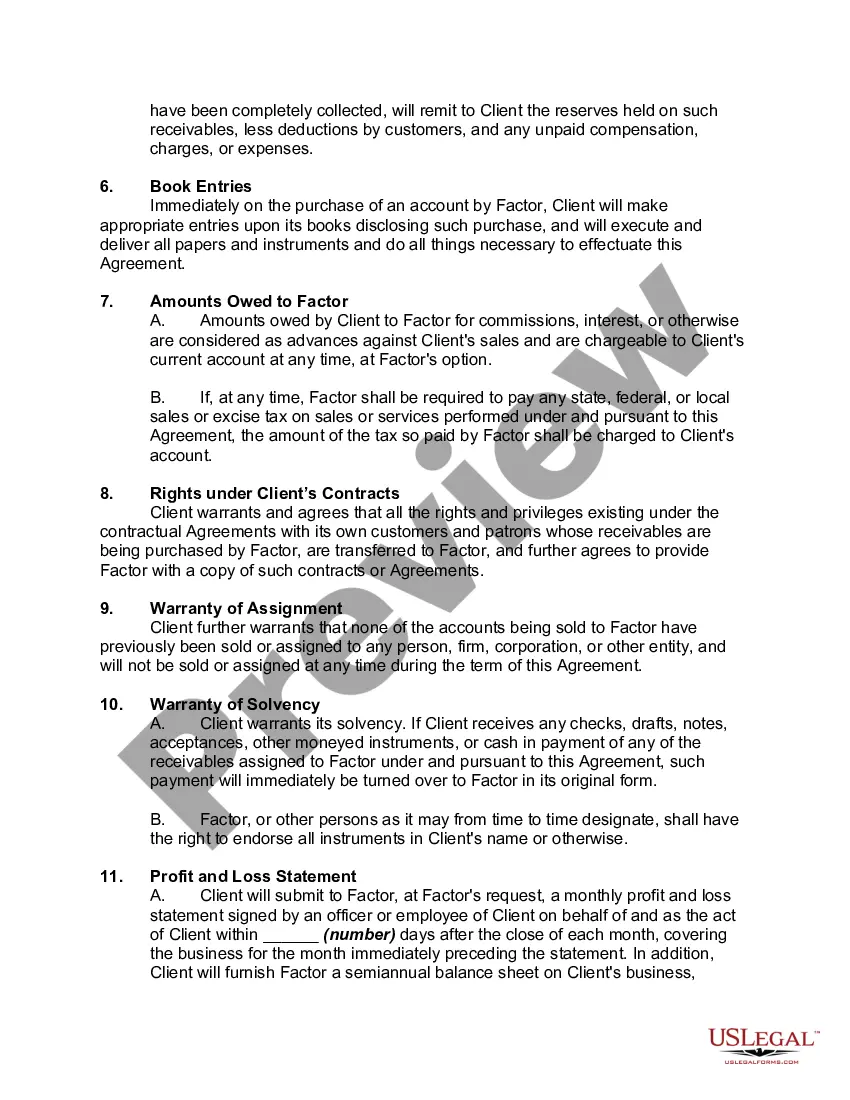
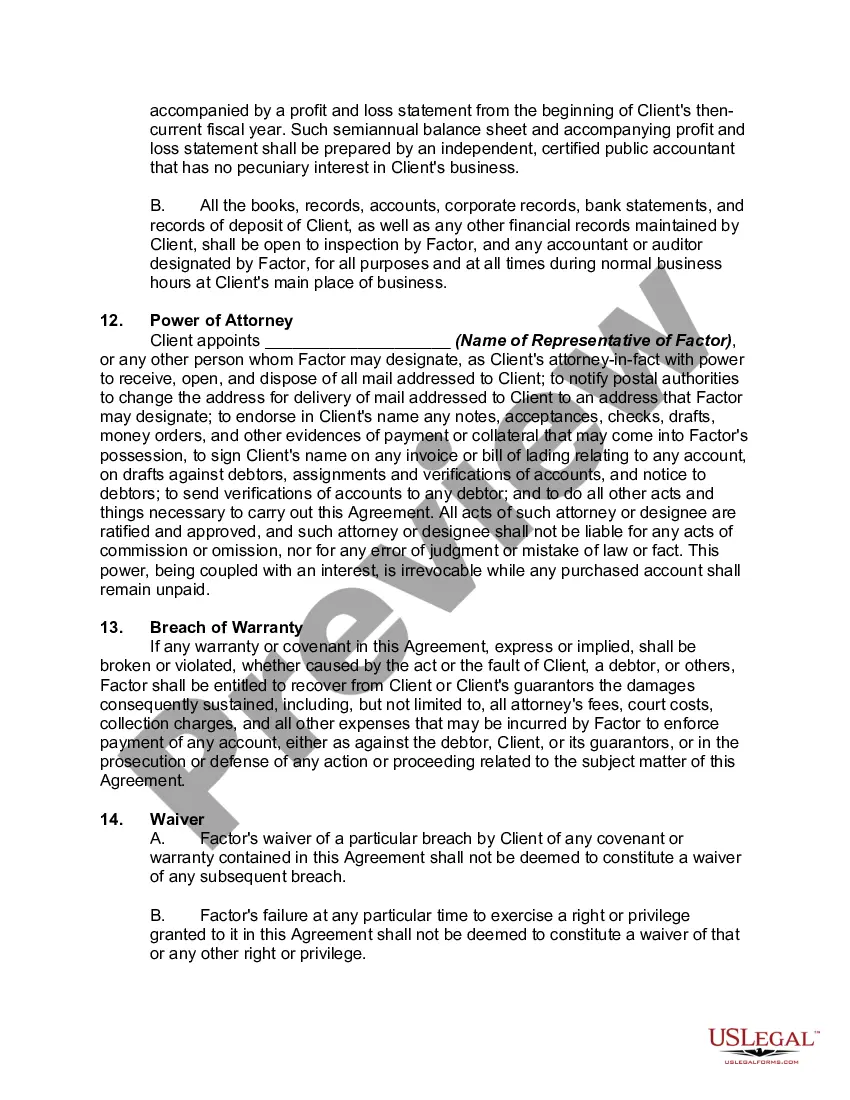
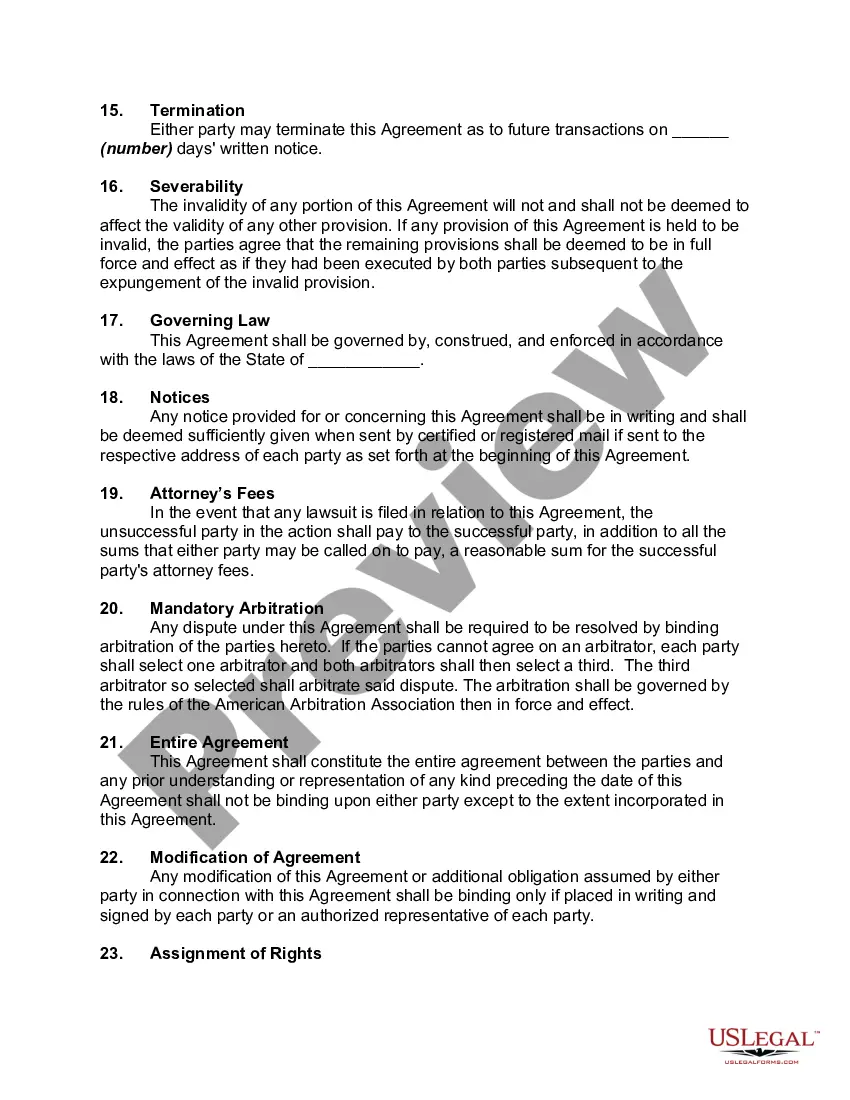

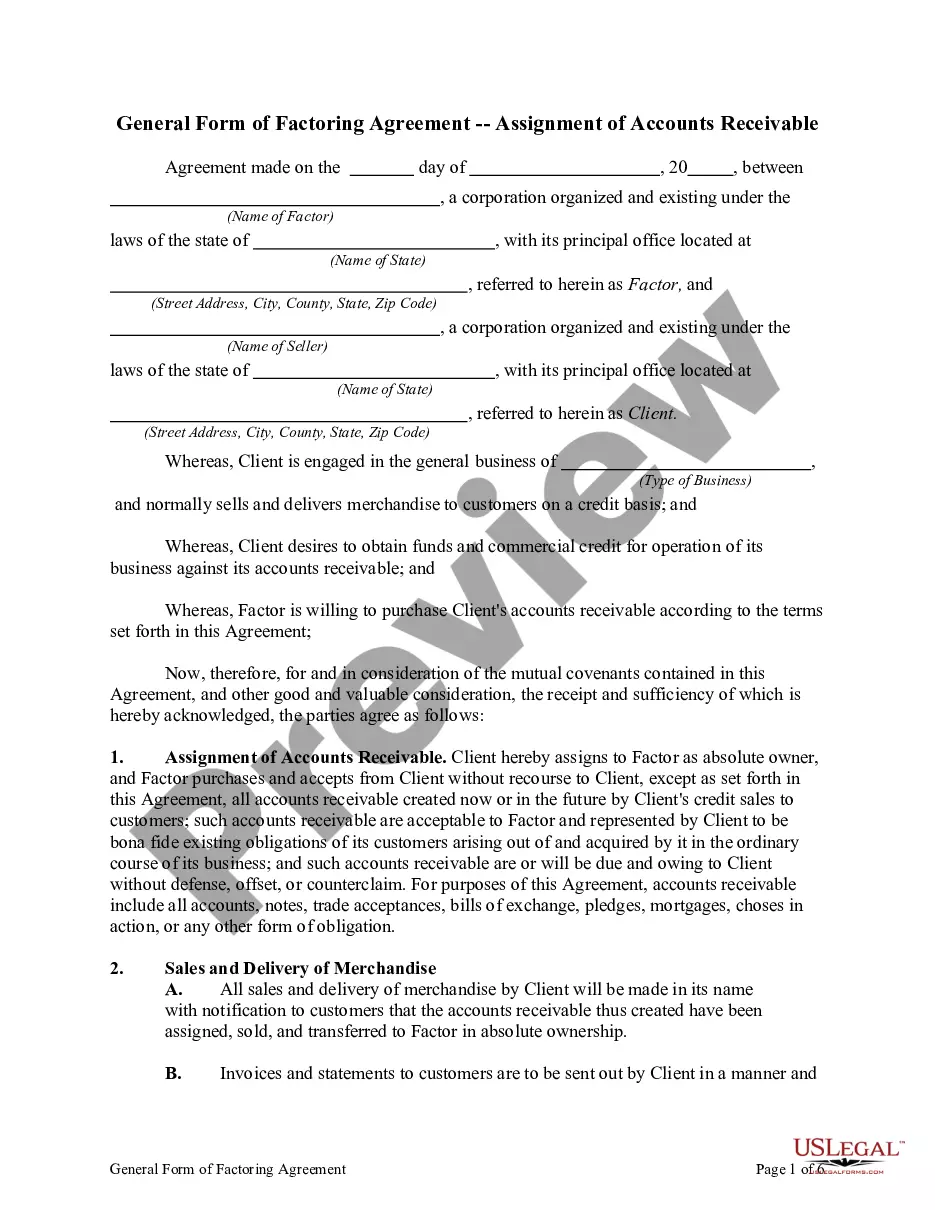
Get your form ready online
Our built-in tools help you complete, sign, share, and store your documents in one place.
Make edits, fill in missing information, and update formatting in US Legal Forms—just like you would in MS Word.
Download a copy, print it, send it by email, or mail it via USPS—whatever works best for your next step.
Sign and collect signatures with our SignNow integration. Send to multiple recipients, set reminders, and more. Go Premium to unlock E-Sign.
If this form requires notarization, complete it online through a secure video call—no need to meet a notary in person or wait for an appointment.
We protect your documents and personal data by following strict security and privacy standards.

Make edits, fill in missing information, and update formatting in US Legal Forms—just like you would in MS Word.

Download a copy, print it, send it by email, or mail it via USPS—whatever works best for your next step.

Sign and collect signatures with our SignNow integration. Send to multiple recipients, set reminders, and more. Go Premium to unlock E-Sign.

If this form requires notarization, complete it online through a secure video call—no need to meet a notary in person or wait for an appointment.

We protect your documents and personal data by following strict security and privacy standards.
Looking for another form?
Form popularity
FAQ
To forecast accounts receivable, divide DSO by 365 for a daily collection rate. Multiply this rate by your sales forecast to estimate future accounts receivable. This method helps predict the amount you can expect to receive over a specific period.
An account receivable is recorded as a debit in the assets section of a balance sheet.
Accounts Receivables are current assets on the balance sheet and are to be reported at net realizable value.
Accounts receivable are listed under the current assets section of the balance sheet and typically fluctuate in value from month to month as the company makes new sales and collects payments from customers.
The amount that is receivable will be recorded as a debit to the assets. These entries balance each other out.
To report accounts receivable effectively on the balance sheet: Break down accounts receivable into categories, such as “trade accounts receivable” and “other receivables.” Clearly indicate the aging of accounts receivable to show how much is current, 30, 60, or 90+ days overdue.
An account receivable is recorded as a debit in the assets section of a balance sheet. It is typically a short-term asset—short-term because normally it's going to be realized within a year.”
Generally, receivables are divided into three types: trade accounts receivable, notes receivable, and other accounts receivable.
For example, a software company that provides a monthly service might invoice its clients at the end of the month, leading to an accounts receivable entry until the invoice is settled.