Agreement Receivable Statement With Text In Pennsylvania
Description









Get your form ready online
Our built-in tools help you complete, sign, share, and store your documents in one place.
Make edits, fill in missing information, and update formatting in US Legal Forms—just like you would in MS Word.
Download a copy, print it, send it by email, or mail it via USPS—whatever works best for your next step.
Sign and collect signatures with our SignNow integration. Send to multiple recipients, set reminders, and more. Go Premium to unlock E-Sign.
If this form requires notarization, complete it online through a secure video call—no need to meet a notary in person or wait for an appointment.
We protect your documents and personal data by following strict security and privacy standards.

Make edits, fill in missing information, and update formatting in US Legal Forms—just like you would in MS Word.

Download a copy, print it, send it by email, or mail it via USPS—whatever works best for your next step.

Sign and collect signatures with our SignNow integration. Send to multiple recipients, set reminders, and more. Go Premium to unlock E-Sign.

If this form requires notarization, complete it online through a secure video call—no need to meet a notary in person or wait for an appointment.

We protect your documents and personal data by following strict security and privacy standards.
Looking for another form?
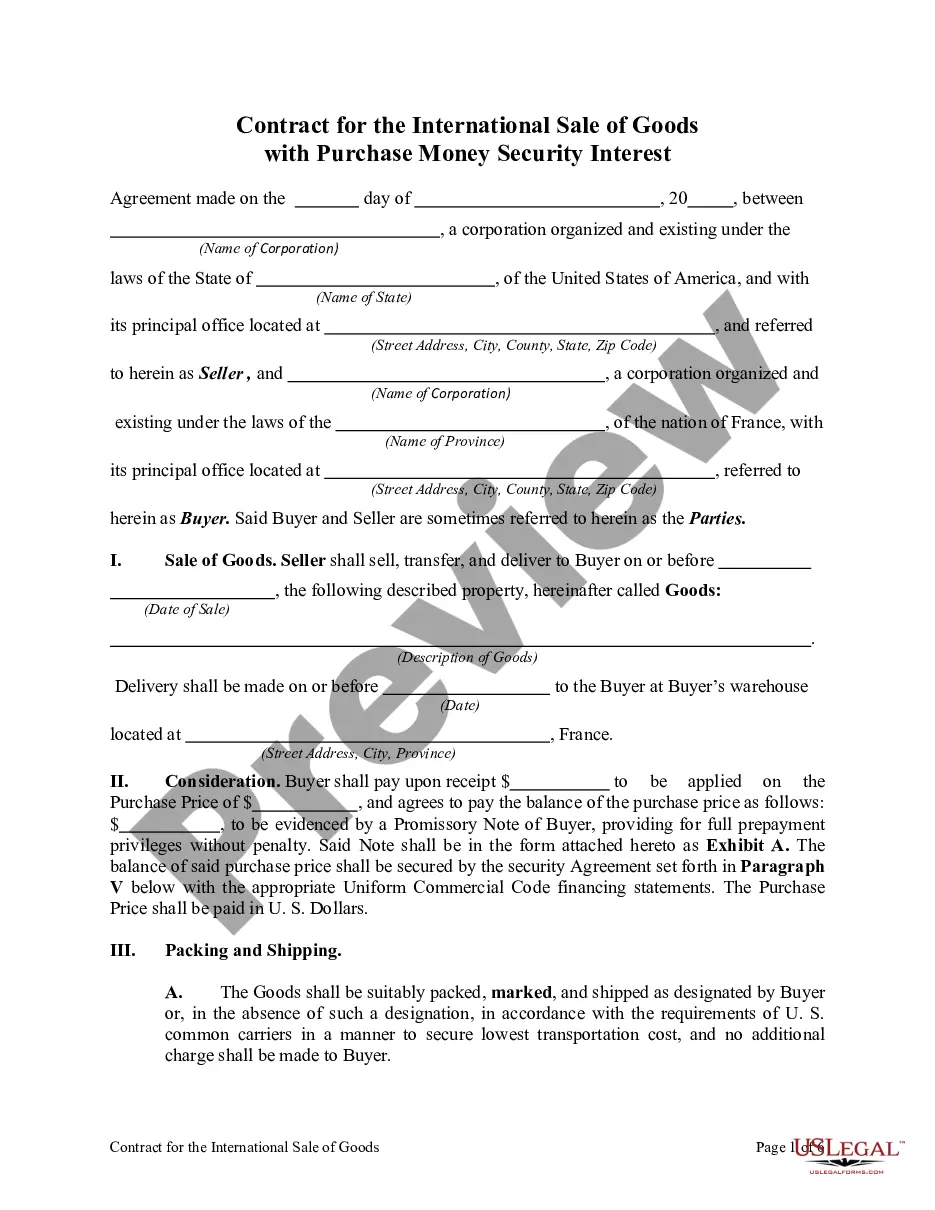








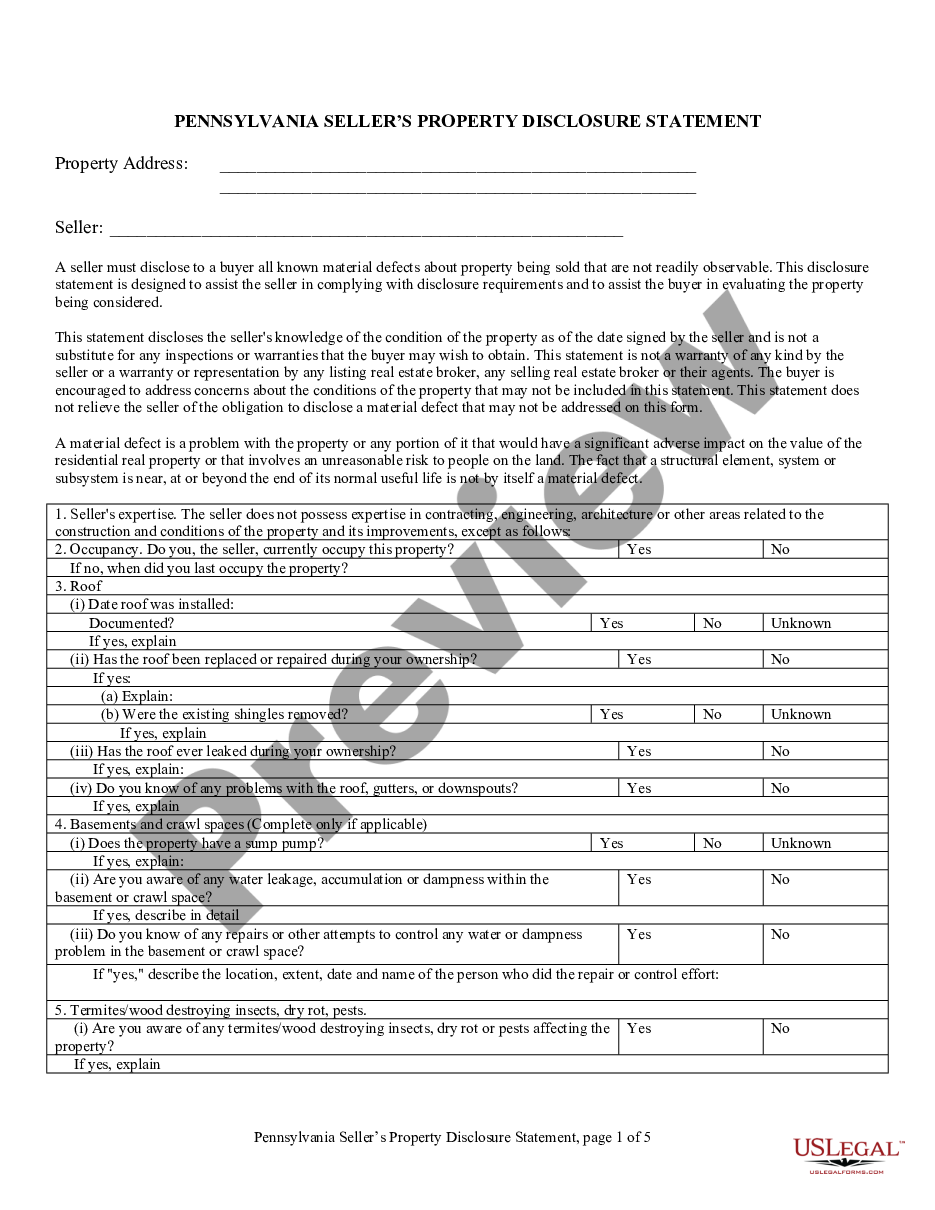
Form popularity
FAQ
A contract requires several legal requirements to be valid and enforceable: Consideration: The parties must exchange something of value. Without such an exchange, there is no agreement. Offer and Acceptance: One party must make an offer, and the other must accept it.
There are four essential elements of forming a contract: offer, acceptance, consideration, and intention to create legal relations. Beyond this, the terms of the contract must also be unambiguous, and the parties must have the mental capacity to agree.
A contract is an agreement between parties, creating mutual obligations that are enforceable by law. The basic elements required for the agreement to be a legally enforceable contract are: mutual assent, expressed by a valid offer and acceptance; adequate consideration; capacity; and legality.
A contract requires several legal requirements to be valid and enforceable: Consideration: The parties must exchange something of value. Without such an exchange, there is no agreement. Offer and Acceptance: One party must make an offer, and the other must accept it.
7 Essential Elements of A Contract Offer. For there to be a contract, there must first be an offer by one party and an acceptance by the other. Acceptance. Acceptance is the agreement to the specific conditions of an offer. Consideration. Intention to create legal relations. Authority and capacity. Certainty.
Text Messages Can Be Used in Court Under Pennsylvania law, text messages can be admissible as evidence in court. Messages can provide evidence of activities including extra-marital relationships, threatening behavior, disregard for children, and more.
Should you use a text message as a legal document? This ruling states that as long as text messages satisfy the necessary conditions required of a bilateral contract in offer, consideration, capacity, and acceptance, they can be considered legally enforceable.
California. California's Public Records Act (CPRA) treats electronic communications, including text messages, as public records if they are used to conduct public business. This law applies regardless of whether the communication device is personally owned or provided by the government.
Text Messages Can Be Used in Court Under Pennsylvania law, text messages can be admissible as evidence in court. Messages can provide evidence of activities including extra-marital relationships, threatening behavior, disregard for children, and more.
