Assignment Agreement Example In Minnesota
Description









Get your form ready online
Our built-in tools help you complete, sign, share, and store your documents in one place.
Make edits, fill in missing information, and update formatting in US Legal Forms—just like you would in MS Word.
Download a copy, print it, send it by email, or mail it via USPS—whatever works best for your next step.
Sign and collect signatures with our SignNow integration. Send to multiple recipients, set reminders, and more. Go Premium to unlock E-Sign.
If this form requires notarization, complete it online through a secure video call—no need to meet a notary in person or wait for an appointment.
We protect your documents and personal data by following strict security and privacy standards.

Make edits, fill in missing information, and update formatting in US Legal Forms—just like you would in MS Word.

Download a copy, print it, send it by email, or mail it via USPS—whatever works best for your next step.

Sign and collect signatures with our SignNow integration. Send to multiple recipients, set reminders, and more. Go Premium to unlock E-Sign.

If this form requires notarization, complete it online through a secure video call—no need to meet a notary in person or wait for an appointment.

We protect your documents and personal data by following strict security and privacy standards.
Looking for another form?




Form popularity
FAQ
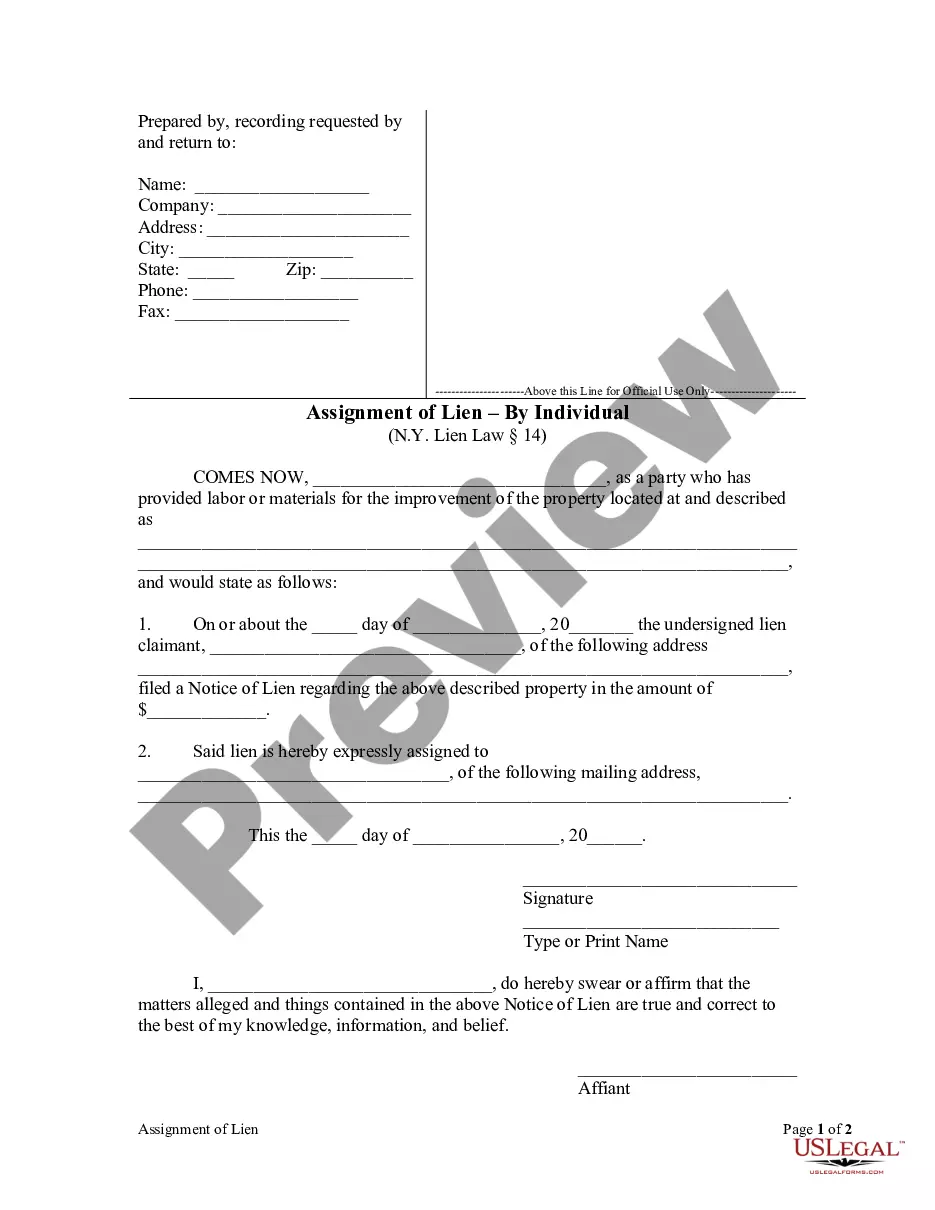
The 'easy' way to assign the contract is to have a one page document stating that for some consideration, the 'buyer' transfers/assigns the contract to a new 'buyer'. Executing (signing) the assignment and receiving 'consideration' (eg $2000 or whatever) would then extinguish your rights to the contract.
How to Write an Assignment Agreement Step 1 – List the Assignor's and Assignee's Details. Step 2 – Provide Original Contract Information. Step 3 – State the Consideration. Step 4 – Provide Any Terms and Conditions. Step 5 – Obtain Signatures.
Also, to enhance its enforceability, it is advisable to have the assignment agreement witnessed or notarized, depending on the jurisdiction's legal requirements. Additionally, maintaining a record of the executed contract is essential for future reference and as evidence of the assignment.
Unless an assignment is prohibited in a contract, the outgoing party may assign their rights to the incoming (third) party without the consent of the other party to the agreement. A Letter of assignment can be used to affect the assignment and is signed by the outgoing party and the incoming party.
The assignor must agree to assign their rights and duties under the contract to the assignee. The assignee must agree to accept, or "assume," those contractual rights and duties. The other party to the initial contract must consent to the transfer of rights and obligations to the assignee.
In the event that the assignor of a contract carries a burden or obligation towards the other contracting party, the assignor cannot assign the duties without the consent of both parties.
Under contract law, assignment of a contract is both: (1) an assignment of rights; and (2) a delegation of duties, in the absence of evidence otherwise. For example, if A contracts with B to teach B guitar for $50, A can assign this contract to C.
When used as nouns, assign means the assignee and transfer is the act of removing or conveying something from one person, thing, or place to another. Transfer generally refers to titles whereas assignment is used with obligations and rights.
An assignment must be clear and unequivocal; There must be clear evidence of the intent to transfer rights; An assignment must describe the subject matter of the assignment; Notice to the obligor.
