Agreement Form Assignment Contract For Lending Money In Kings
Description



Get your form ready online
Our built-in tools help you complete, sign, share, and store your documents in one place.
Make edits, fill in missing information, and update formatting in US Legal Forms—just like you would in MS Word.
Download a copy, print it, send it by email, or mail it via USPS—whatever works best for your next step.
Sign and collect signatures with our SignNow integration. Send to multiple recipients, set reminders, and more. Go Premium to unlock E-Sign.
If this form requires notarization, complete it online through a secure video call—no need to meet a notary in person or wait for an appointment.
We protect your documents and personal data by following strict security and privacy standards.

Make edits, fill in missing information, and update formatting in US Legal Forms—just like you would in MS Word.

Download a copy, print it, send it by email, or mail it via USPS—whatever works best for your next step.

Sign and collect signatures with our SignNow integration. Send to multiple recipients, set reminders, and more. Go Premium to unlock E-Sign.

If this form requires notarization, complete it online through a secure video call—no need to meet a notary in person or wait for an appointment.

We protect your documents and personal data by following strict security and privacy standards.
Looking for another form?









Form popularity
FAQ
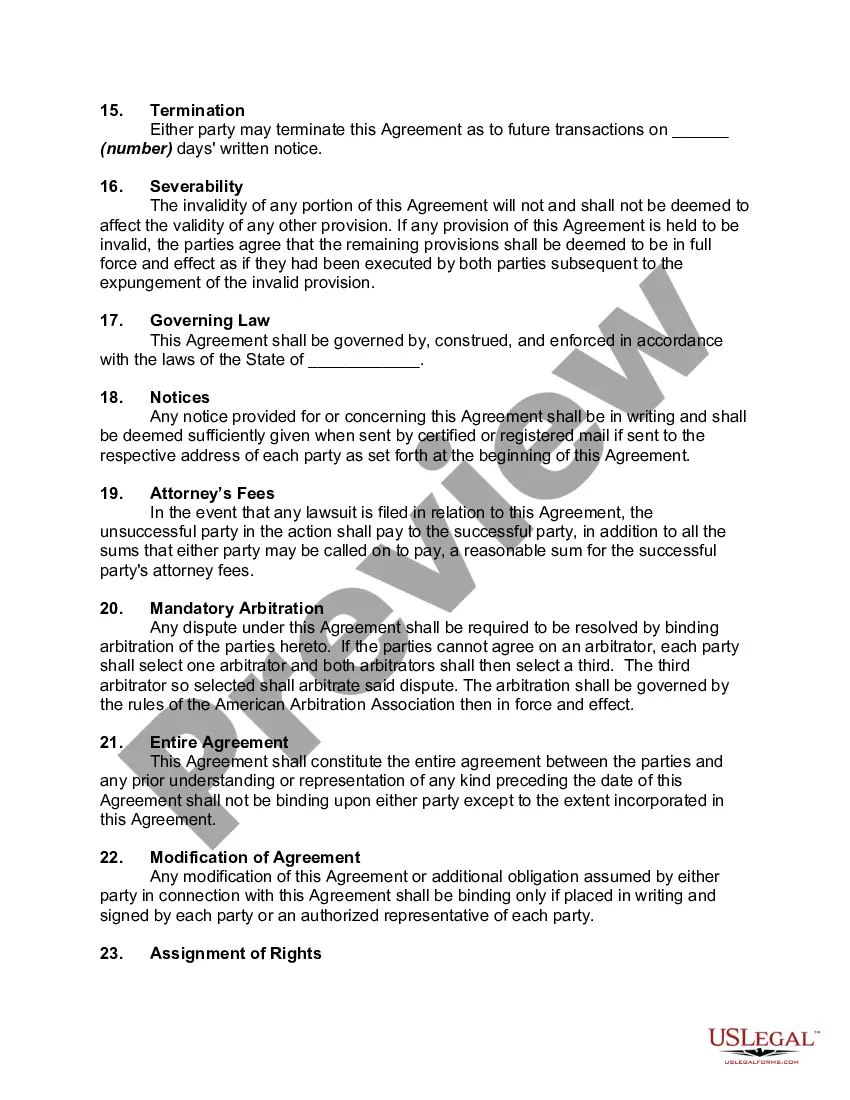
Consent to Assignment is a clause used in contractual agreements that requires one party to obtain the permission of the other party before transferring their rights and obligations under the contract to a third party.
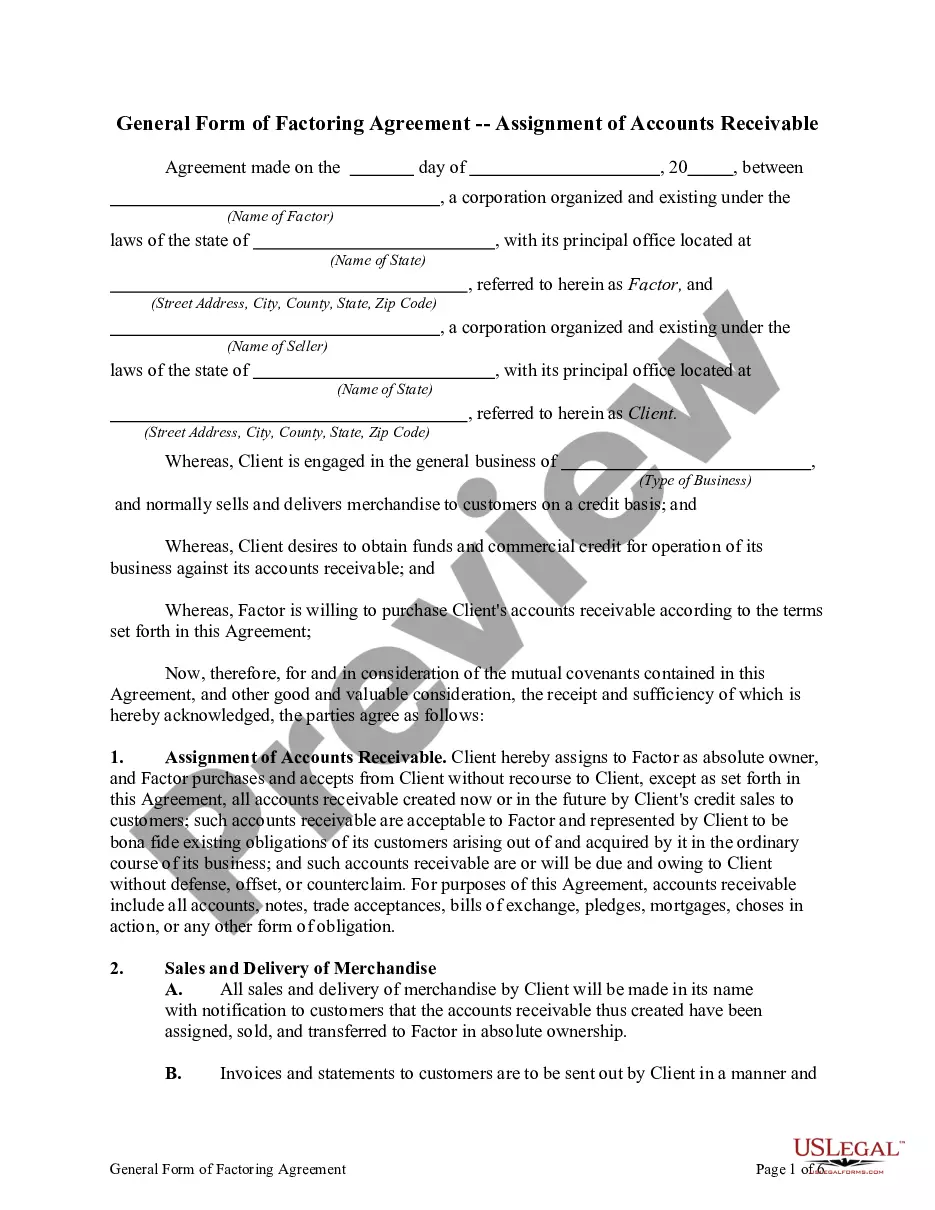
The transfer of a right from one party to another. For example, a party to a contract (the assignor) may, as a general rule and subject to the express terms of a contract, assign its rights under the contract to a third party (the assignee) without the consent of the party against whom those rights are held.
The assignment must be done in writing to be valid. Although notarization isn't required, it's a good idea to have someone witness the assignor and assignee signing and dating the agreement. Transfer of ownership usually involves monetary exchange, although that's not a requirement.
How to draft a contract in 13 simple steps Start with a contract template. Understand the purpose and requirements. Identify all parties involved. Outline key terms and conditions. Define deliverables and milestones. Establish payment terms. Add termination conditions. Incorporate dispute resolution.
How to write an agreement letter Title your document. Provide your personal information and the date. Include the recipient's information. Address the recipient and write your introductory paragraph. Write a detailed body. Conclude your letter with a paragraph, closing remarks, and a signature. Sign your letter.
The steps to writing a financial contract are as follows: The document's title. List your contact details. Specify the date. Include the contact information for the recipient. Address the person directly. Write a paragraph for the introduction. Write your body. Close the deal on the contract.
How to Write an Assignment Agreement Step 1 – List the Assignor's and Assignee's Details. Step 2 – Provide Original Contract Information. Step 3 – State the Consideration. Step 4 – Provide Any Terms and Conditions. Step 5 – Obtain Signatures.
