Form Assignment Accounts Receivable For Your Business In Harris
Description

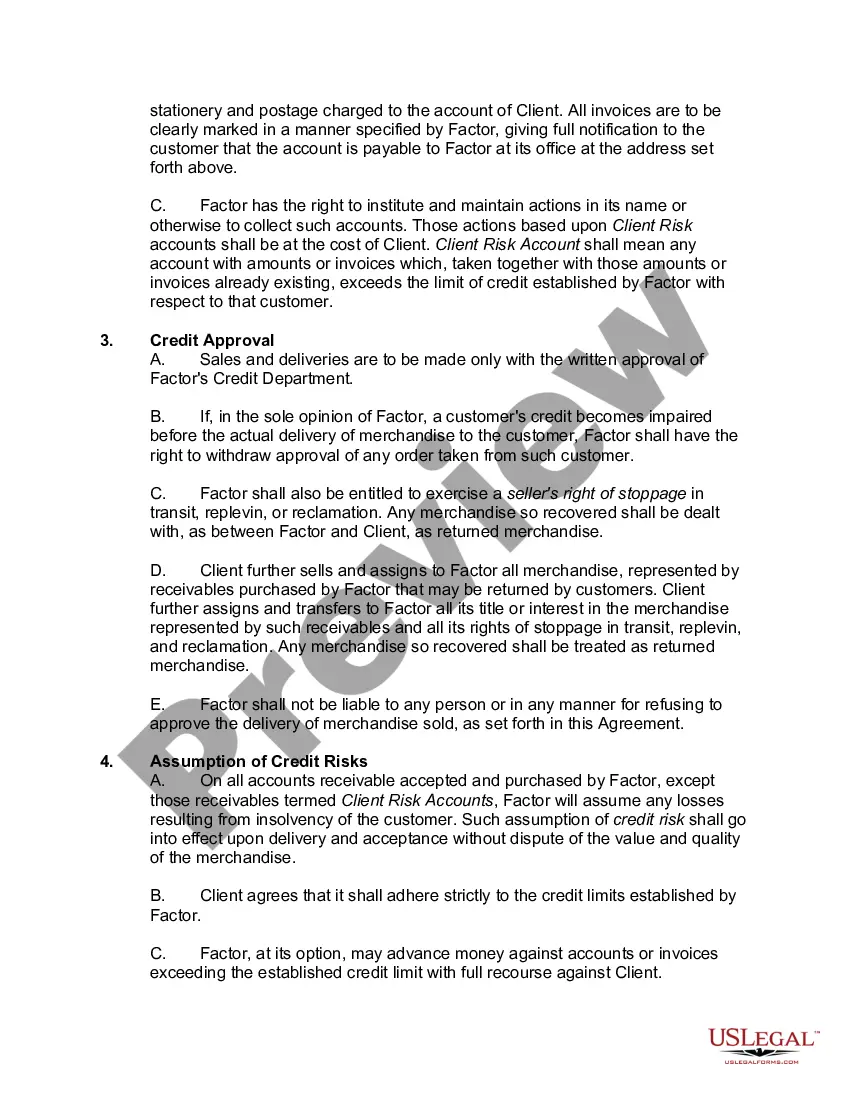
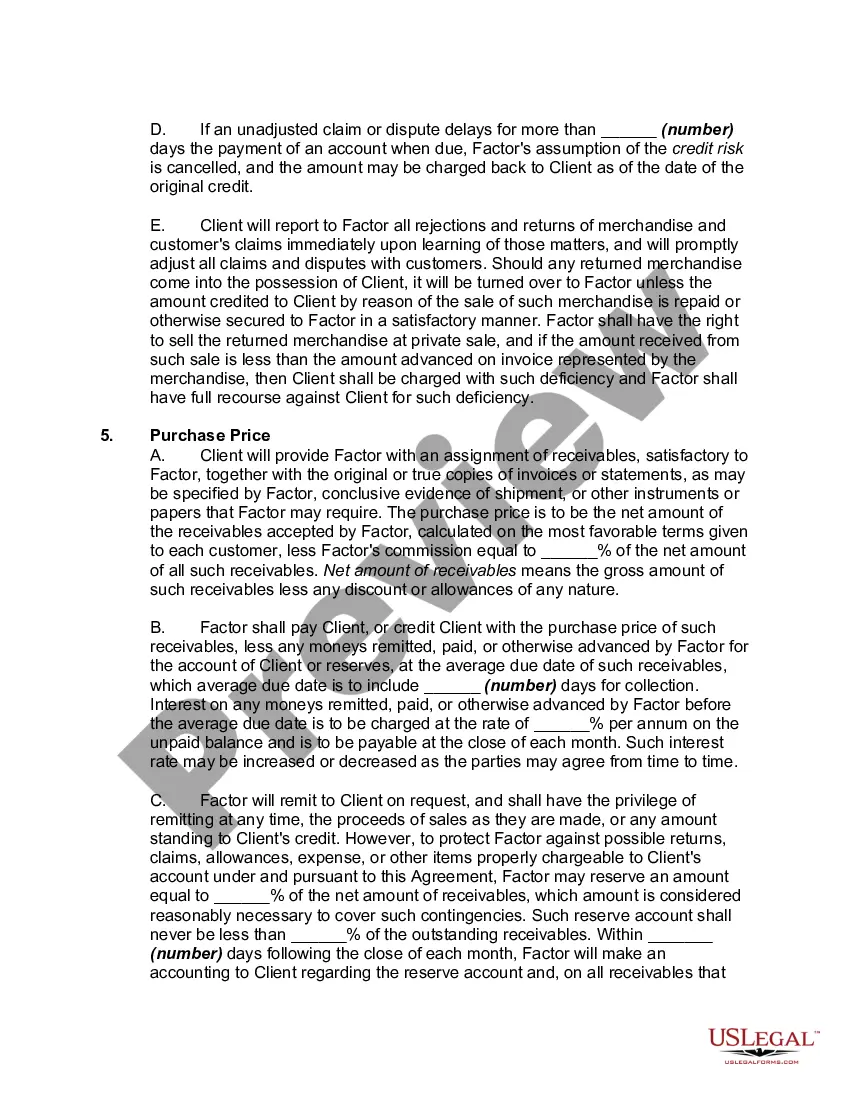
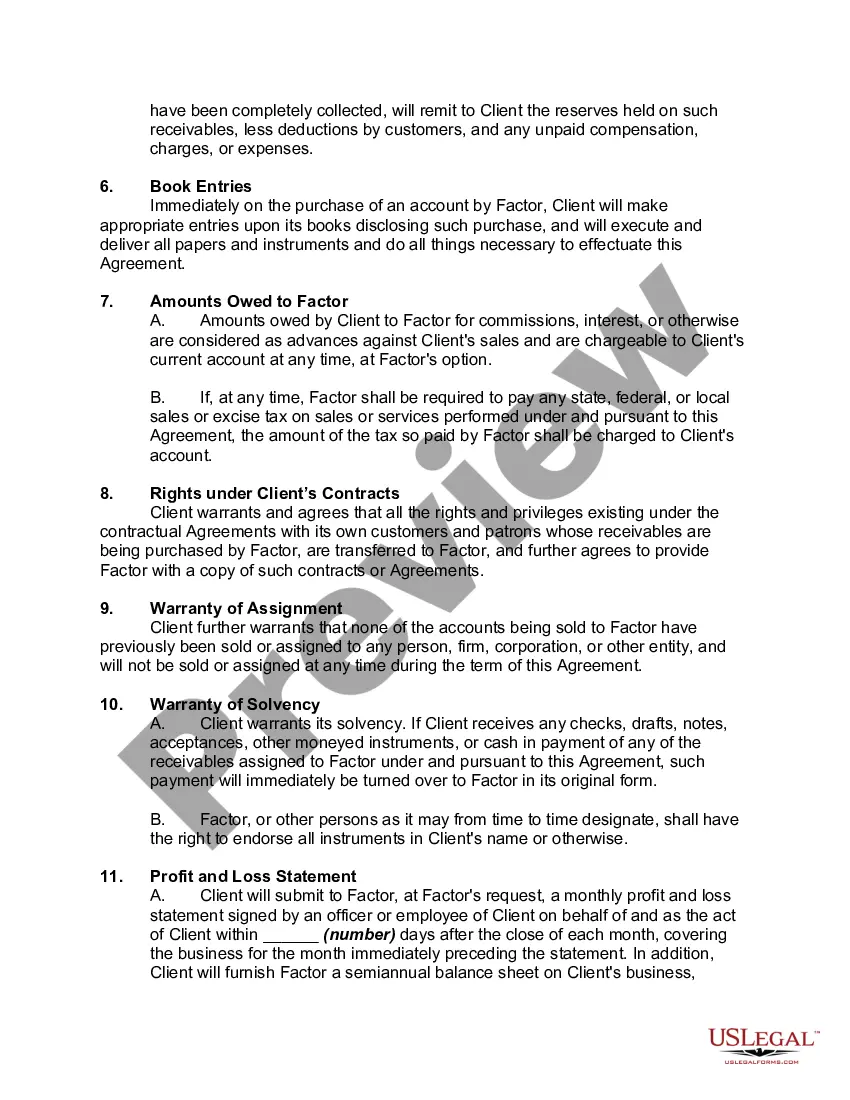
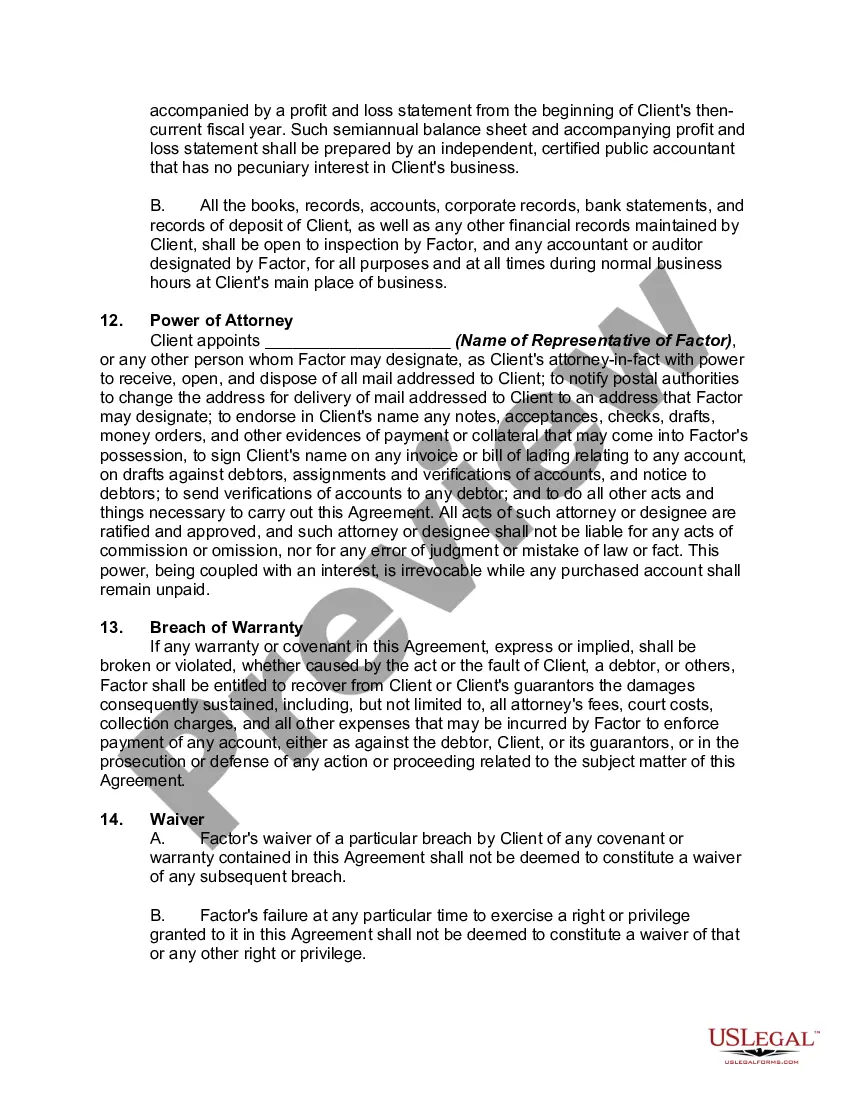
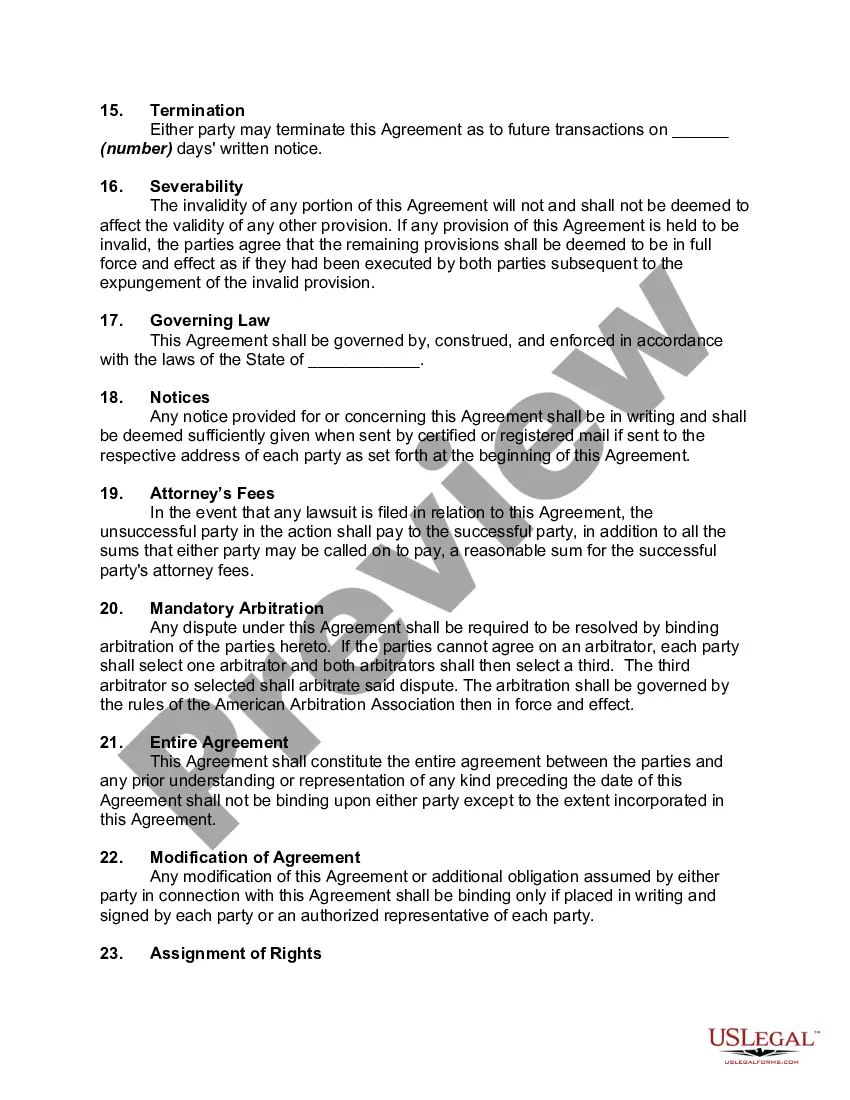

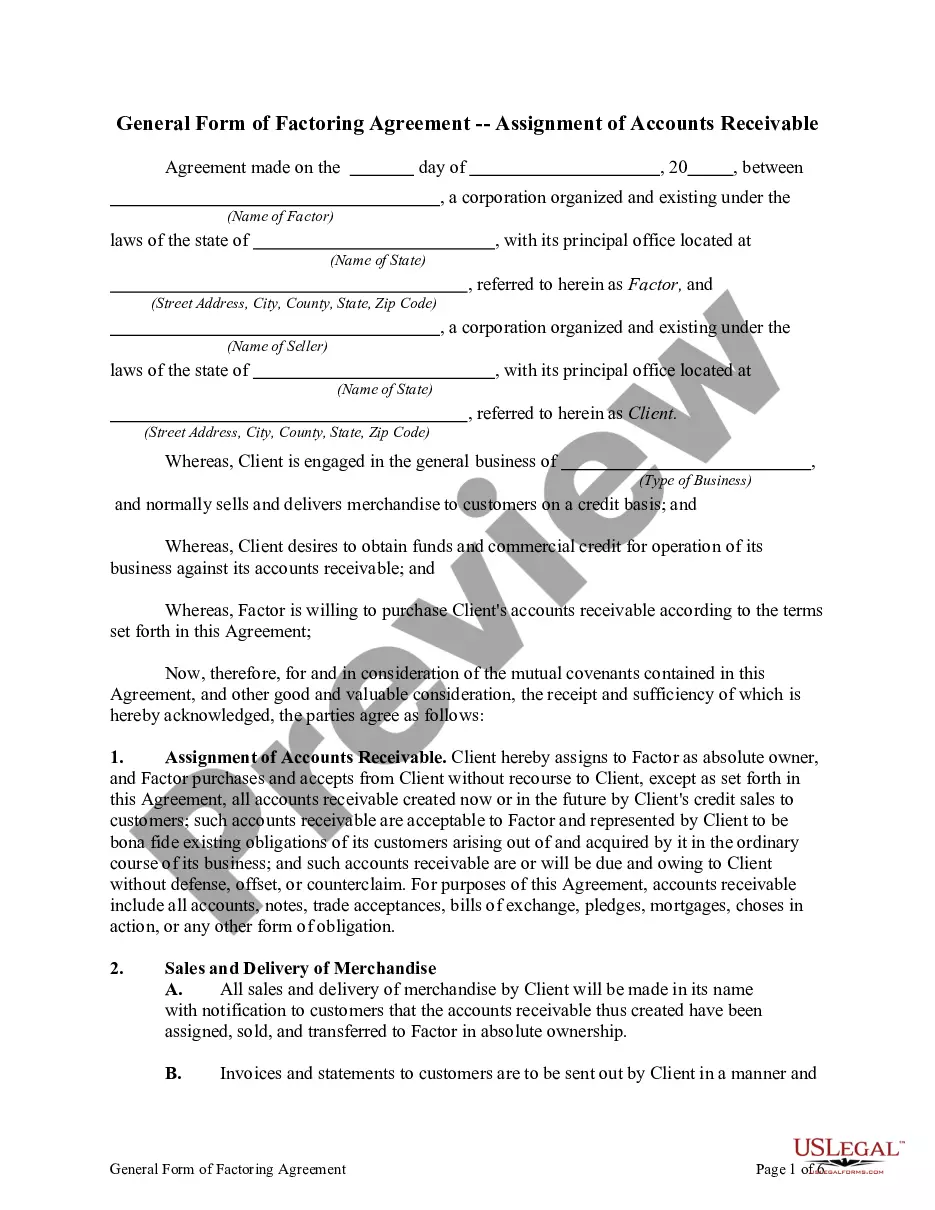

Get your form ready online
Our built-in tools help you complete, sign, share, and store your documents in one place.
Make edits, fill in missing information, and update formatting in US Legal Forms—just like you would in MS Word.
Download a copy, print it, send it by email, or mail it via USPS—whatever works best for your next step.
Sign and collect signatures with our SignNow integration. Send to multiple recipients, set reminders, and more. Go Premium to unlock E-Sign.
If this form requires notarization, complete it online through a secure video call—no need to meet a notary in person or wait for an appointment.
We protect your documents and personal data by following strict security and privacy standards.

Make edits, fill in missing information, and update formatting in US Legal Forms—just like you would in MS Word.

Download a copy, print it, send it by email, or mail it via USPS—whatever works best for your next step.

Sign and collect signatures with our SignNow integration. Send to multiple recipients, set reminders, and more. Go Premium to unlock E-Sign.

If this form requires notarization, complete it online through a secure video call—no need to meet a notary in person or wait for an appointment.

We protect your documents and personal data by following strict security and privacy standards.
Looking for another form?






Form popularity
FAQ
Definition: Accounts Receivable (AR) is the proceeds or payment which the company will receive from its customers who have purchased its goods & services on credit. Usually the credit period is short ranging from few days to months or in some cases maybe a year.
The mere exchange of consents between the assignor and the assignee is sufficient to give rise to the contract for the assignment of the receivable, the consent of the debtor not being necessary for its performance.
Assignment of accounts receivable is a method of debt financing whereby the lender takes over the borrowing company's receivables. This form of alternative financing is often seen as less desirable, as it can be quite costly to the borrower, with APRs as high as 100% annualized.
The Accounts Receivable documents allow a department to bill external customers for goods and services provided by the department. View a high-level Overview of the AR Process.
You can find your accounts receivable balance under the 'current assets' section on your balance sheet or general ledger. Accounts receivable are classified as an asset because they provide value to your company.
Where Do I Find a Company's Accounts Receivable? Accounts receivable are recorded on a company's balance sheet. Because they represent funds owed to the company (and that are likely to be received), they are booked as an asset.
To create a journal entry for accounts receivable, you can follow these steps: Record the details of each transaction. To create an accounts receivable journal entry, you enter the details of each financial transaction. Record the debit amount. Record the credit amount.
The journal entry to create an accrued receivable is a debit to an accounts receivable account, and a credit to the revenue account. It may be useful to create a unique general ledger account for accrued receivables, rather than using the main trade receivables account, in order to clearly show these transactions.
To create an account receivable, a credit for the amount is recorded on the income statement as a revenue and a debit for the same amount is recorded on the balance sheet as an account receivable.
Assignment of accounts receivable is a method of debt financing whereby the lender takes over the borrowing company's receivables. This form of alternative financing is often seen as less desirable, as it can be quite costly to the borrower, with APRs as high as 100% annualized.
