Form Assignment Accounts Receivable For Your Business In Contra Costa
Description









Get your form ready online
Our built-in tools help you complete, sign, share, and store your documents in one place.
Make edits, fill in missing information, and update formatting in US Legal Forms—just like you would in MS Word.
Download a copy, print it, send it by email, or mail it via USPS—whatever works best for your next step.
Sign and collect signatures with our SignNow integration. Send to multiple recipients, set reminders, and more. Go Premium to unlock E-Sign.
If this form requires notarization, complete it online through a secure video call—no need to meet a notary in person or wait for an appointment.
We protect your documents and personal data by following strict security and privacy standards.

Make edits, fill in missing information, and update formatting in US Legal Forms—just like you would in MS Word.

Download a copy, print it, send it by email, or mail it via USPS—whatever works best for your next step.

Sign and collect signatures with our SignNow integration. Send to multiple recipients, set reminders, and more. Go Premium to unlock E-Sign.

If this form requires notarization, complete it online through a secure video call—no need to meet a notary in person or wait for an appointment.

We protect your documents and personal data by following strict security and privacy standards.
Looking for another form?


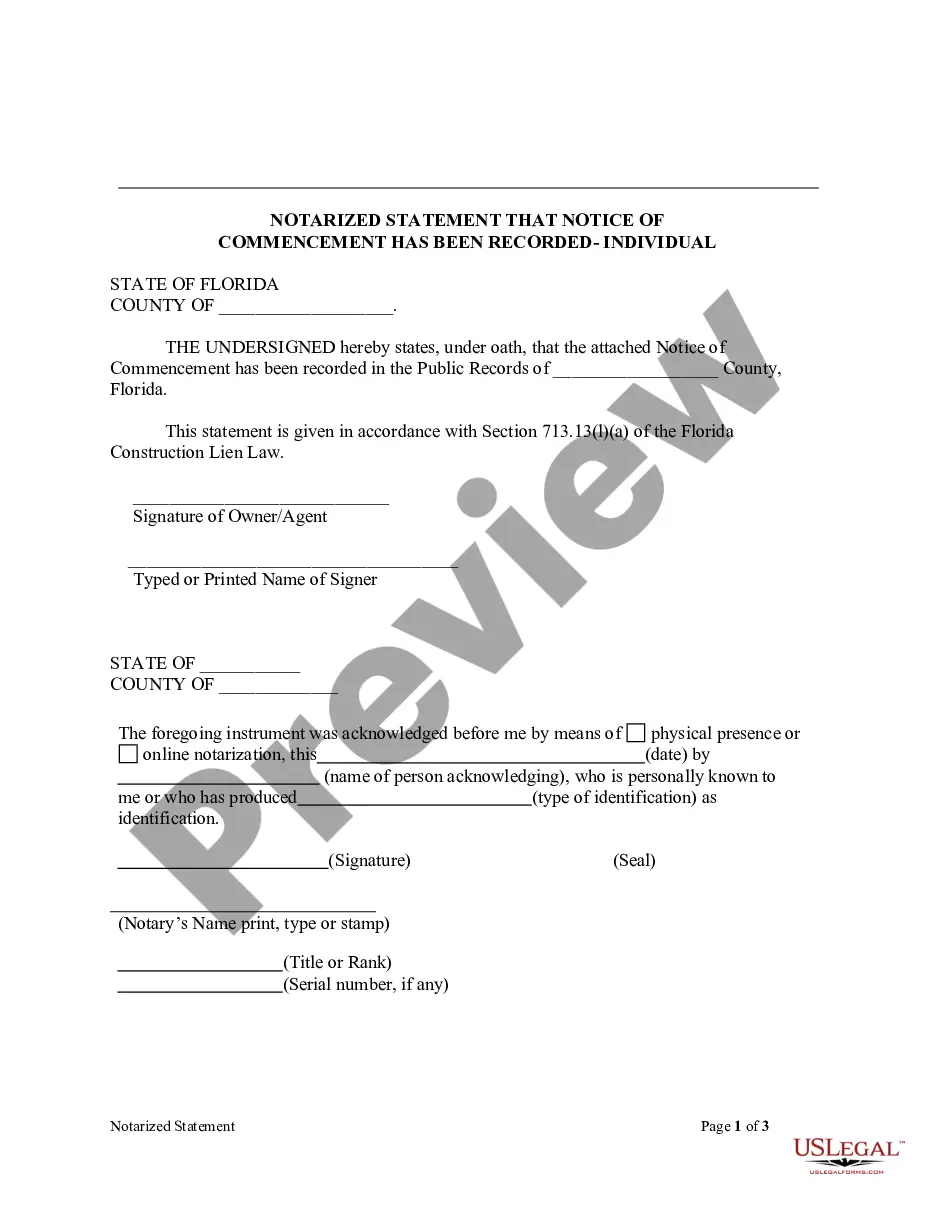

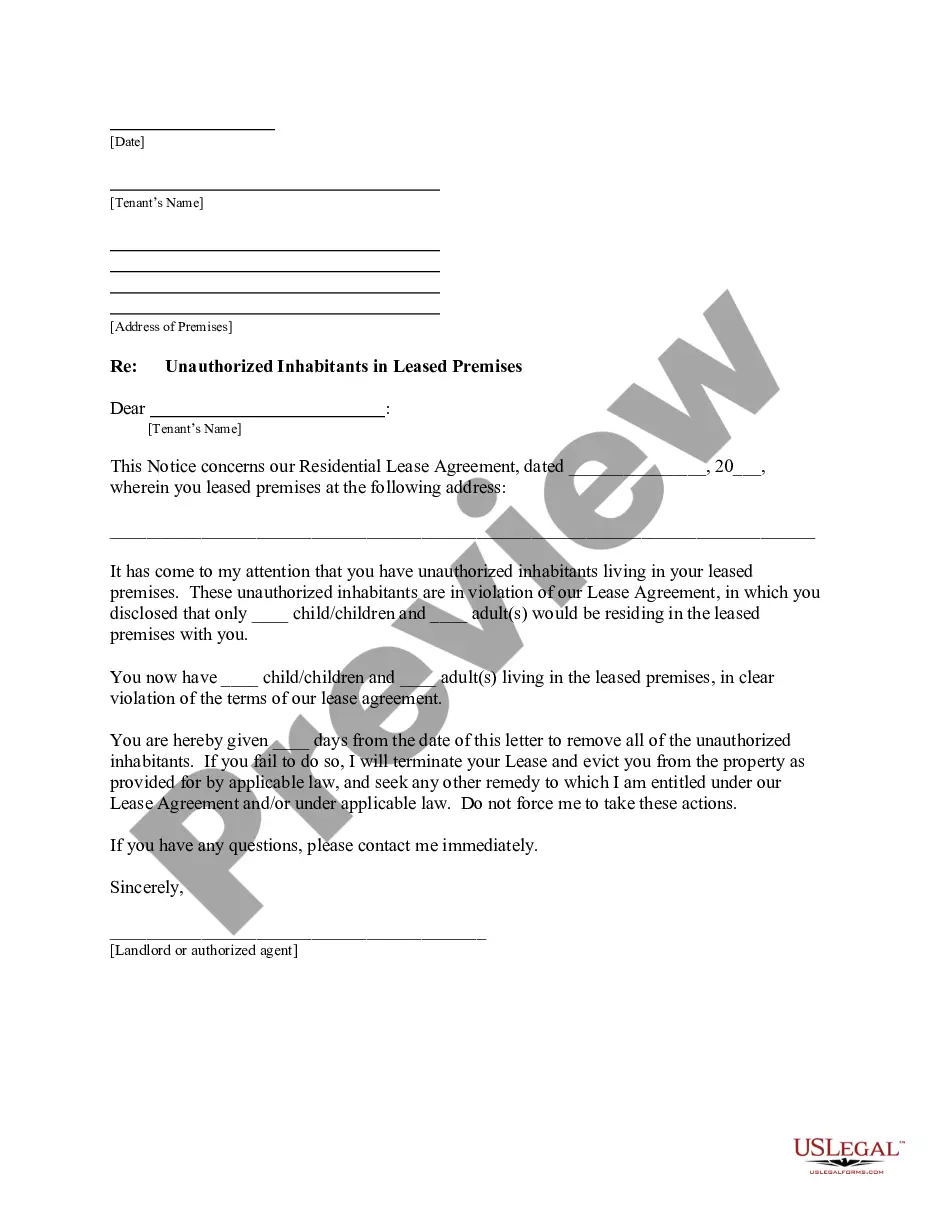





Form popularity
FAQ
The main types include: Trade receivables. Trade receivables are amounts customers owe for selling goods or services as part of the normal course of business. Non-trade receivables. Secured receivables. Unsecured receivables.
Accounts Receivable SOP (Sales & Invoicing) Accounts standard operating procedure helps to define the following: The credit approval process, including payment cycles. Procedure for invoices, billing, and sales (including invoicing software, digital documentation, and electronic billing & payment)
Assignment of receivables vs factoring While similar, the assignment of receivables is slightly different from factoring. Invoice factoring also involves assigning receivables to a third party, but in that case you essentially sell these assets rather than use them as collateral.
To create a journal entry for accounts receivable, you can follow these steps: Record the details of each transaction. To create an accounts receivable journal entry, you enter the details of each financial transaction. Record the debit amount. Record the credit amount.
Assignment of accounts receivable is a method of debt financing whereby the lender takes over the borrowing company's receivables. This form of alternative financing is often seen as less desirable, as it can be quite costly to the borrower, with APRs as high as 100% annualized.
The County Ordinance requires that you obtain a license for conducting business within the unincorporated areas, - even if your business is located outside our limits or you have a business license from another city.
With factoring, the factor takes control of bill collection and assumes the credit risk for customer non-payment. In contrast, with the assignment of receivables, the business retains control of its customer relationships and the collection process, bearing all of the credit risk.
Bad debt offsets accounts receivable assets by subtracting the value of the asset in the income statement. Because businesses do not know if or when an accounts receivable will become a bad debt, they estimate instead. The business can estimate bad debt in one of two ways.
The County Ordinance requires that you obtain a license for conducting business within the unincorporated areas, - even if your business is located outside our limits or you have a business license from another city.
