Equity Agreement Form Withdrawal In Utah
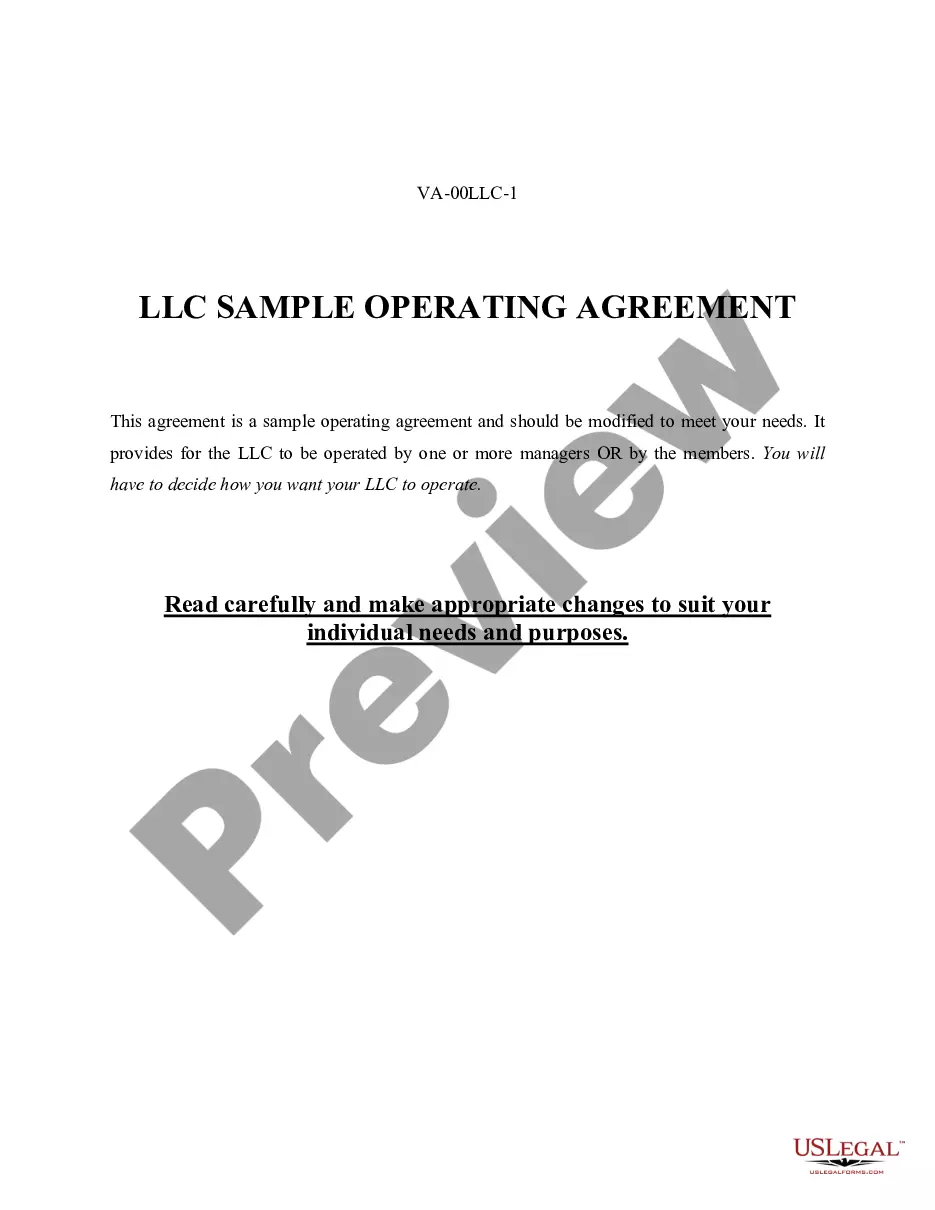
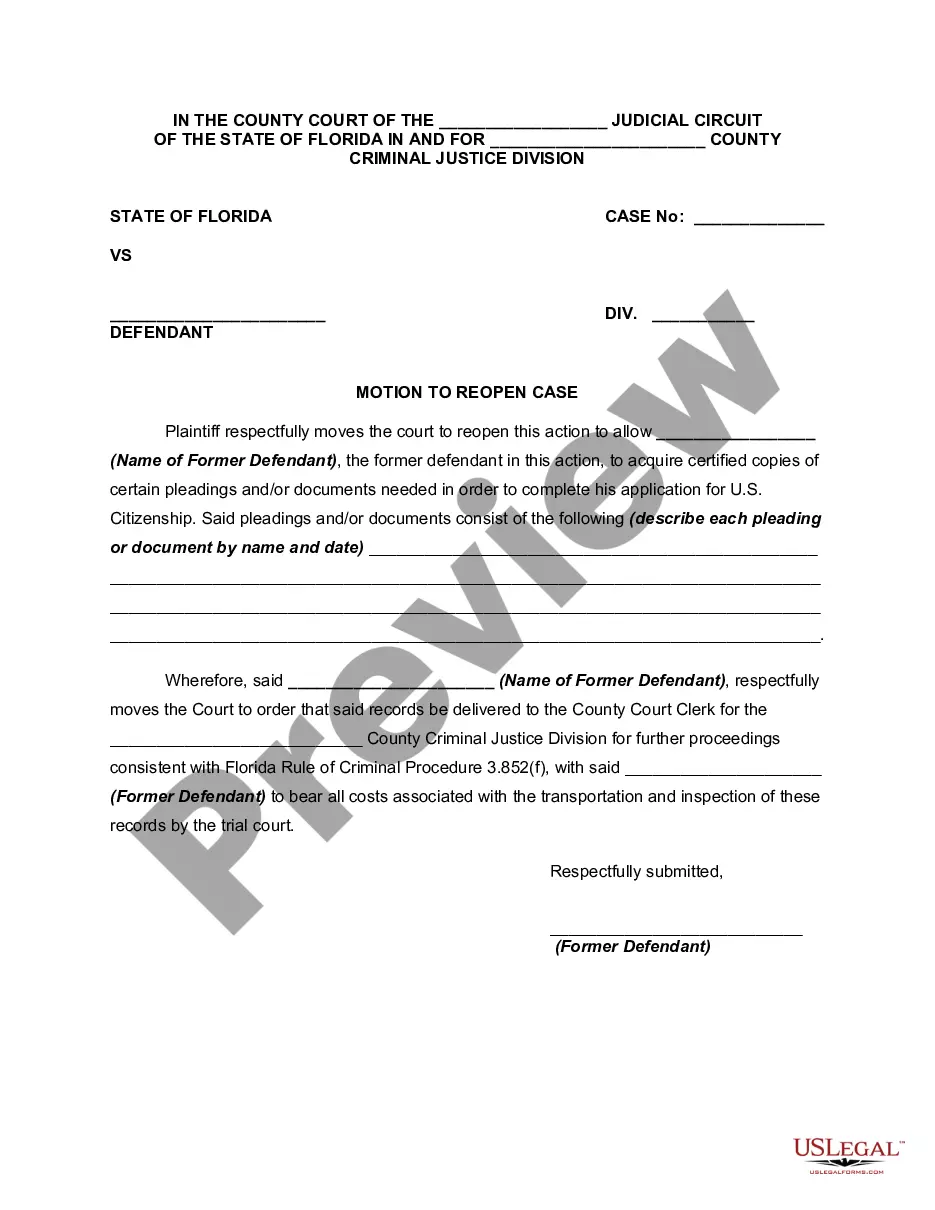
Description






Get your form ready online
Our built-in tools help you complete, sign, share, and store your documents in one place.
Make edits, fill in missing information, and update formatting in US Legal Forms—just like you would in MS Word.
Download a copy, print it, send it by email, or mail it via USPS—whatever works best for your next step.
Sign and collect signatures with our SignNow integration. Send to multiple recipients, set reminders, and more. Go Premium to unlock E-Sign.
If this form requires notarization, complete it online through a secure video call—no need to meet a notary in person or wait for an appointment.
We protect your documents and personal data by following strict security and privacy standards.

Make edits, fill in missing information, and update formatting in US Legal Forms—just like you would in MS Word.

Download a copy, print it, send it by email, or mail it via USPS—whatever works best for your next step.

Sign and collect signatures with our SignNow integration. Send to multiple recipients, set reminders, and more. Go Premium to unlock E-Sign.

If this form requires notarization, complete it online through a secure video call—no need to meet a notary in person or wait for an appointment.

We protect your documents and personal data by following strict security and privacy standards.
Looking for another form?








Form popularity
FAQ
About Schedule UTP (Form 1120), Uncertain Tax Position Statement. Schedule UTP (Form 1120) asks for information about tax positions that affect the U.S. federal income tax liabilities of certain corporations that issue or are included in audited financial statements and have assets that equal or exceed $10 million.
What Is the Difference Between IRS Forms 1120 and 1120-S? IRS Forms 1120 and 1120-S are both used by corporations to file tax returns. The difference is that Form 1120 is used by C corporations (C corps), which are liable for corporate federal taxes, and Form 1120-S is used exclusively by S corps.
Corporate income tax filers use form TC-20. A $100 minimum tax applies to the corporate income tax. The taxable year for Utah Corporation franchise or income tax purposes must match the taxable year used for federal income tax purposes.
To submit the Utah Corporation Franchise Tax Return, you can send it by mail to the Utah State Tax Commission at 210 North 1950 West, Salt Lake City, UT 84134-2000. You may also submit the tax return electronically through approved e-filing services.
Utah Tax Rates, Collections, and Burdens Utah has a 4.55 percent corporate income tax rate. Utah also has a 6.10 percent state sales tax rate and an average combined state and local sales tax rate of 7.25 percent. Utah has a 0.47 percent effective property tax rate on owner-occupied housing value.
Maintaining a professional tone is crucial when writing a contract cancellation letter. Avoid using overly emotional or confrontational language. Instead, focus on being clear and respectful. For example, use phrases like “I regret to inform you” or “We have decided to terminate” to convey your message politely.
(1) A trust is created only if: (a) the settlor has capacity to create a trust, which standard of capacity shall be the same as for a person to create a will; (b) the settlor indicates an intention to create the trust or a statute, judgment, or decree authorizes the creation of a trust; (c) the trust has a definite ...
The best way to end a contract early is to speak with the party you're in contract with. Simple negotiation is often all it takes to reach a favorable resolution. If they don't agree to ending the contract early, consider getting a lawyer to help you determine your next best step.
You usually cannot cancel a contract, but there are times when you can. You can cancel some contracts within certain time limits. Some contracts must tell you about your right to cancel, how to cancel them, and where to send the cancellation notice.
If you can prove that a settlement is flawed, you can have it overturned. If a settlement agreement is signed under duress or deception, it might not be legal. A settlement agreement may also be revoked due to a mistake made by both parties or a false statement made by the other party.
