Business Equity Agreement Forbearance In Texas
Description






Get your form ready online
Our built-in tools help you complete, sign, share, and store your documents in one place.
Make edits, fill in missing information, and update formatting in US Legal Forms—just like you would in MS Word.
Download a copy, print it, send it by email, or mail it via USPS—whatever works best for your next step.
Sign and collect signatures with our SignNow integration. Send to multiple recipients, set reminders, and more. Go Premium to unlock E-Sign.
If this form requires notarization, complete it online through a secure video call—no need to meet a notary in person or wait for an appointment.
We protect your documents and personal data by following strict security and privacy standards.

Make edits, fill in missing information, and update formatting in US Legal Forms—just like you would in MS Word.

Download a copy, print it, send it by email, or mail it via USPS—whatever works best for your next step.

Sign and collect signatures with our SignNow integration. Send to multiple recipients, set reminders, and more. Go Premium to unlock E-Sign.

If this form requires notarization, complete it online through a secure video call—no need to meet a notary in person or wait for an appointment.

We protect your documents and personal data by following strict security and privacy standards.
Looking for another form?





Form popularity
FAQ
Cons of Mortgage Forbearance Once the period is over, you're responsible for paying this amount. Potential for future financial strain. Forbearance can take some pressure off now, but homeowners whose financial situation doesn't improve by the time the forbearance period ends could find themselves even deeper in debt.
A forbearance agreement is a bilateral agreement between the lender and the borrower. By contrast, a reservation of rights letter is unilateral, usually in the form of a letter issued by the lender to the borrower.
A Forbearance Agreement can be a versatile tool after a default has occurred. In a Forbearance Agreement, the Lender specifically preserves the Borrower's default, but agrees to forbear on collection for a specified period in exchange for certain accommodations from the Borrower.
It typically takes about three business days from the day we receive your application. To potentially reduce this time, apply on the Repayment Options & Resources page . Many deferments and forbearances requested online are processed within 24 hours.
Yes. You can be denied mortgage forbearance if you can't prove financial hardship, have a less-than-ideal credit score, or have a history of making late payments.
Your servicer will assess your situation to determine if you qualify for forbearance. Typically, you'll need to demonstrate financial hardship, such as job loss, illness, or other circumstances that make it challenging to meet your mortgage obligations.
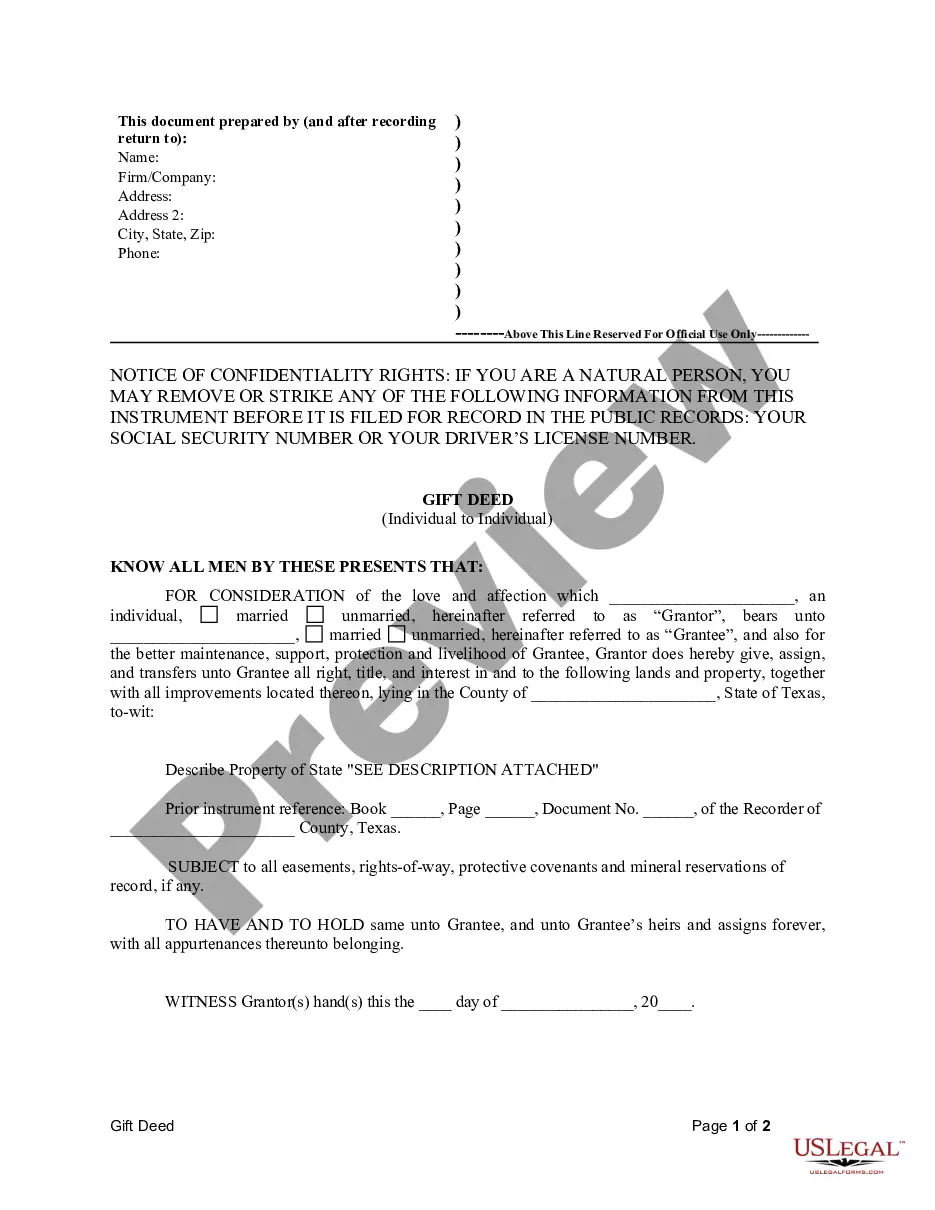
When you're entering into a forbearance agreement, you're not recording anything. The forbearance does not need to be notarized. You don't really need title. However, it is often very helpful to get this date down of the title policy because you can find out a lot about what's going on with that property.
A forbearance agreement can act as a support system for borrowers who need time to get their finances in order after a temporary hardship, like a job loss. It will not, however, keep you out of foreclosure if you can't make the agreed-upon payments after your forbearance period ends.
Forbearance is a term that refers to the temporary reduction or postponement of payments, such as for loans or mortgages. It happens when the lender grants the borrower momentary relief from paying off their debt due to hardships such as unemployment, injuries, illnesses, or natural disasters.
Some can pause court action and communication, and with others you do not have to make payments to your debt. This is a formal agreement and you must seek help in this time. The people you owe may give you time to deal with your debts. This is called 'forbearance'.
