Share For Stock In King
Description






Get your form ready online
Our built-in tools help you complete, sign, share, and store your documents in one place.
Make edits, fill in missing information, and update formatting in US Legal Forms—just like you would in MS Word.
Download a copy, print it, send it by email, or mail it via USPS—whatever works best for your next step.
Sign and collect signatures with our SignNow integration. Send to multiple recipients, set reminders, and more. Go Premium to unlock E-Sign.
If this form requires notarization, complete it online through a secure video call—no need to meet a notary in person or wait for an appointment.
We protect your documents and personal data by following strict security and privacy standards.

Make edits, fill in missing information, and update formatting in US Legal Forms—just like you would in MS Word.

Download a copy, print it, send it by email, or mail it via USPS—whatever works best for your next step.

Sign and collect signatures with our SignNow integration. Send to multiple recipients, set reminders, and more. Go Premium to unlock E-Sign.

If this form requires notarization, complete it online through a secure video call—no need to meet a notary in person or wait for an appointment.

We protect your documents and personal data by following strict security and privacy standards.
Looking for another form?
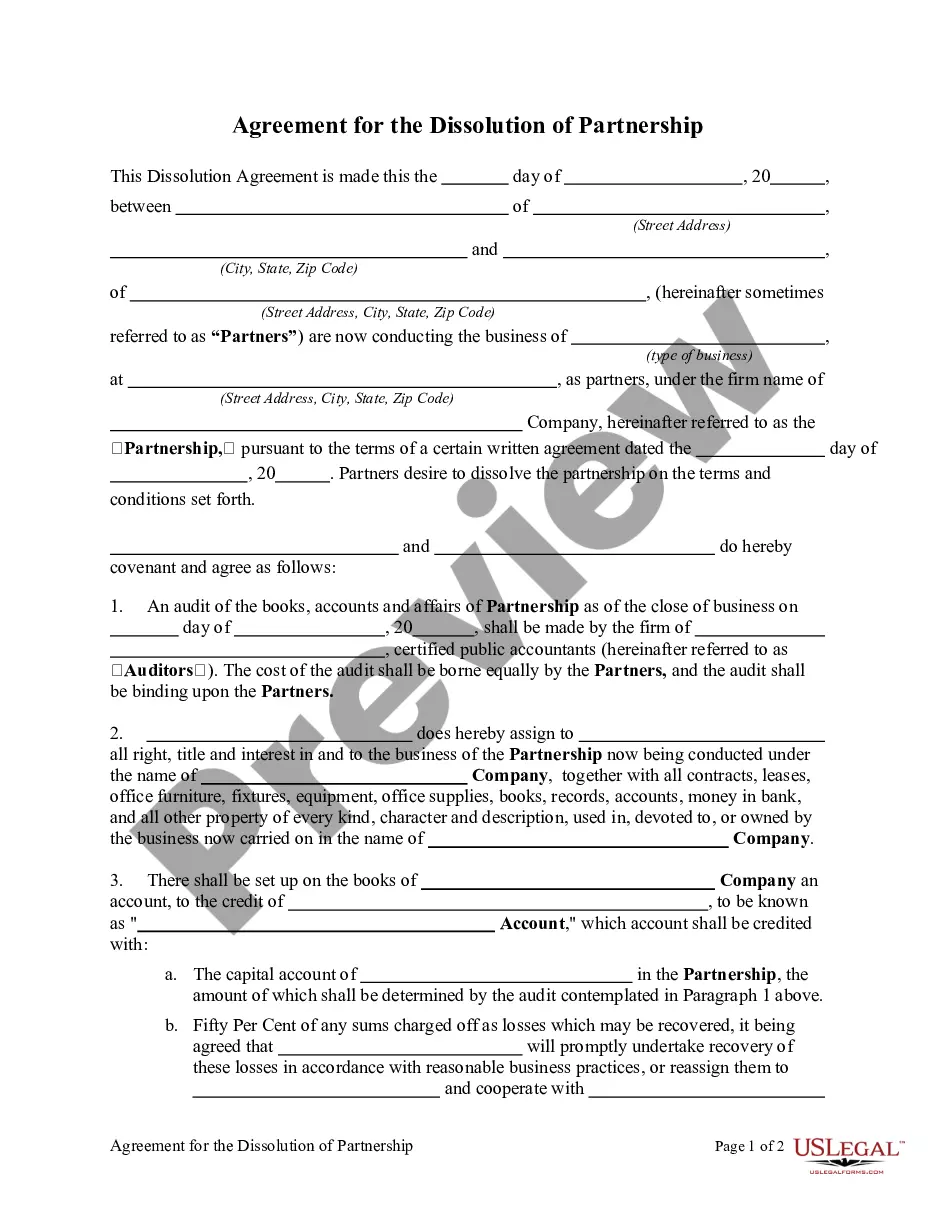
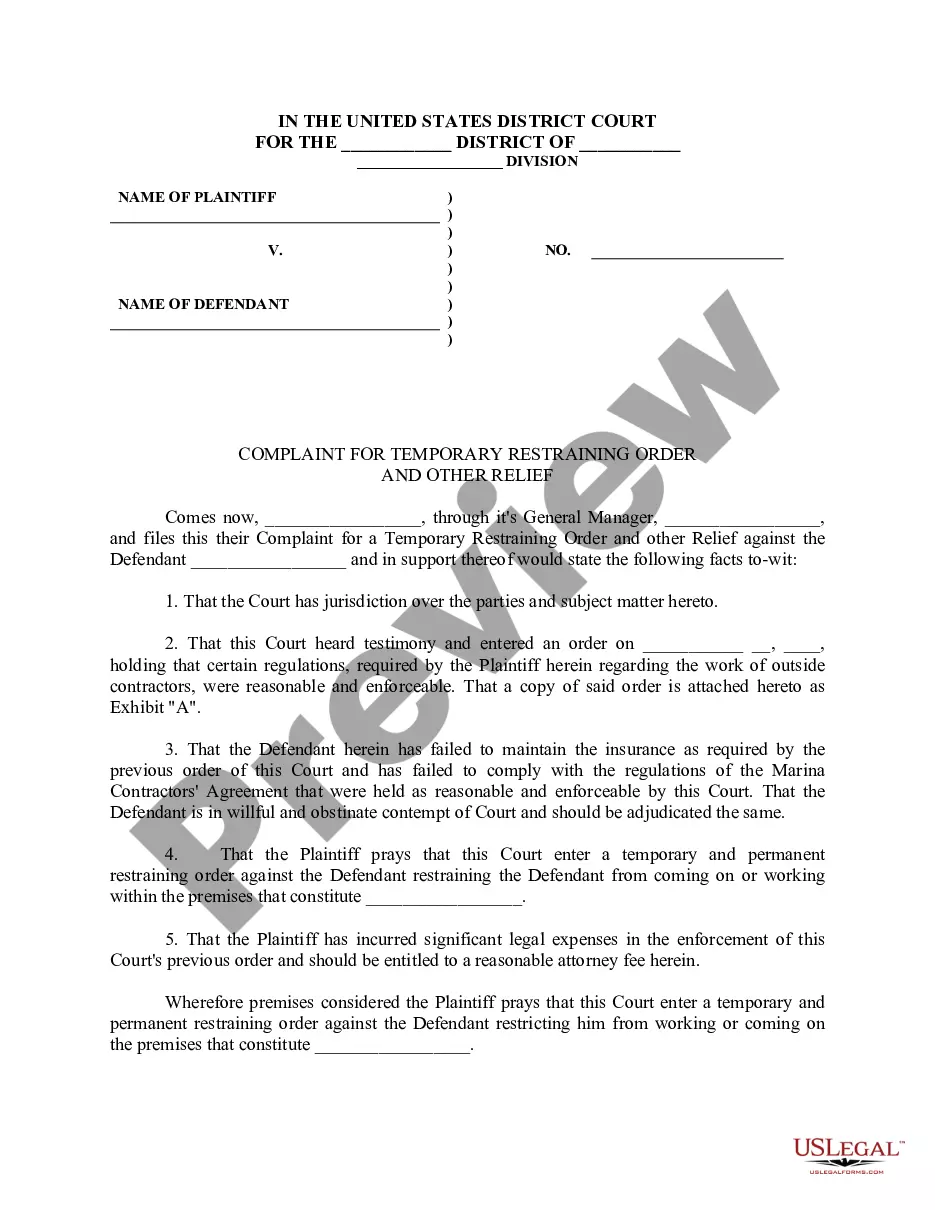




Form popularity
FAQ
Shares can be held in both electronic form (book entry) through the Direct Registration System (DRS) or certificated form (when permitted by the issuer company). What are the benefits of being a registered shareholder? Ownership is recorded in your name directly on the register of the issuer.
Bottom Line. Investors who buy and sell stocks will reports the gains and losses to the IRS on Form 1040 using Form 8949 and Schedule D. These forms separate stock sale profits into long- and short-term capital gains.
A share represents a single unit of stock. It is the smallest denomination in which the ownership of the company is represented. We can understand this better with an example.
Shares held by a broker to can be transferred to Direct Registration electronically by contacting a stockbroker and instructing the broker to transfer all or some of your shares through the Direct Registration System.
Shares held by a broker to can be transferred to Direct Registration electronically by contacting a stockbroker and instructing the broker to transfer all or some of your shares through the Direct Registration System.
If a company with share capital issues shares, they must keep a record of all the shares they've issued. This record is sometimes called 'the register' or the 'share register'. The register must have information about the company's members (or shareholders) and the number of shares in the company.
Ing to this law, all securities need to be registered before a sale or any form of exchange. Once a business registers securities, they become more liquid, which enables investors to sell the shares more easily.
In stocks, a round lot is considered 100 shares or a larger number that can be evenly divided by 100. In bonds, a round lot is usually $100,000 worth. A round lot is often referred to as a normal trading unit and is contrasted with an odd lot.
Unfortunately, quality stocks trading for less than $10 are few and far between. Stocks priced at this level can be a red flag for investors that something serious is wrong with a company. Many of these stocks have challenged underlying business models or difficult near-term outlooks.
Make sure that you have a margin account with your broker and the necessary permissions to open a short position in a stock. Enter your short order for the appropriate number of shares. When you send the order, the broker will lend you the shares and sell them on the open market on your behalf.
