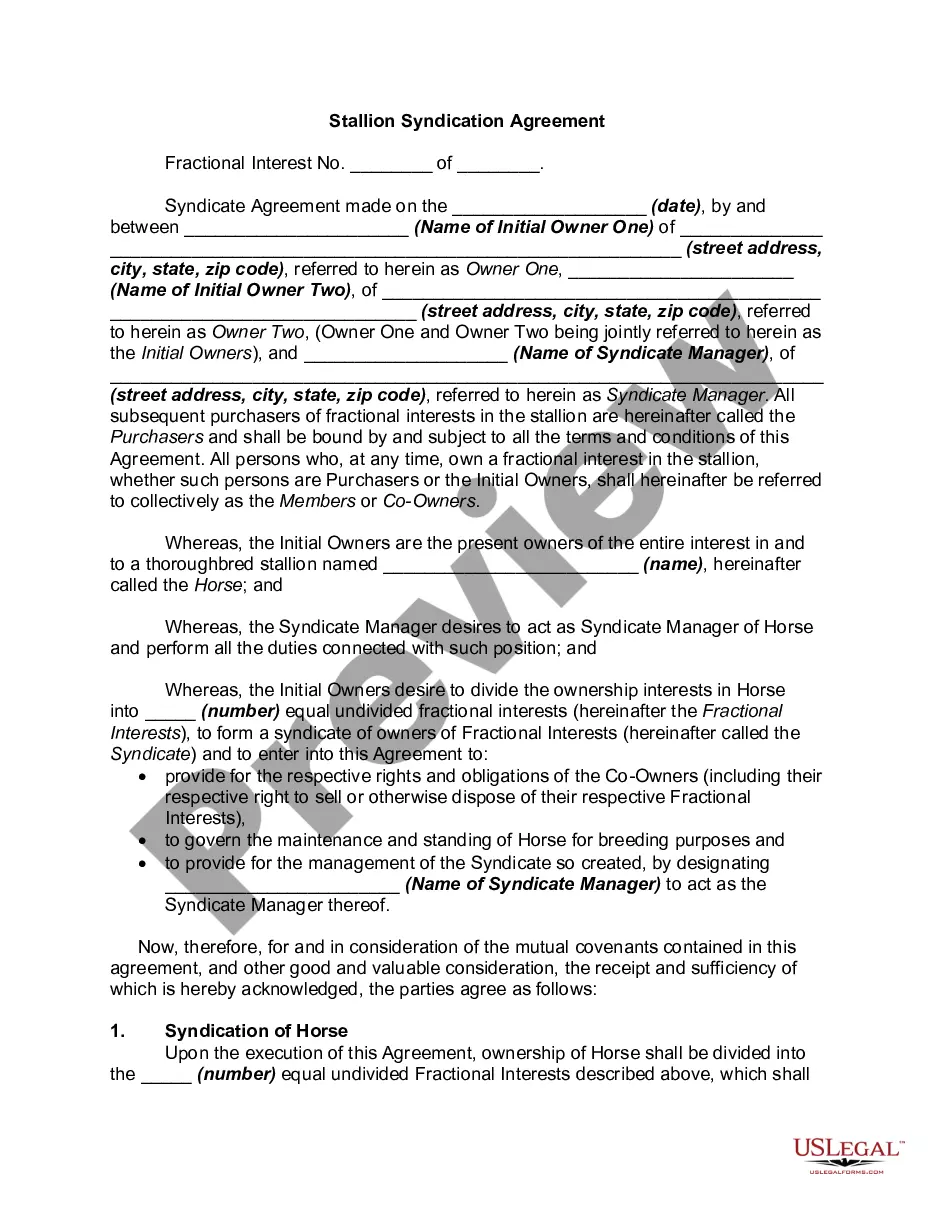
Business Equity Share Agreement Template For Business In King
Description






Get your form ready online
Our built-in tools help you complete, sign, share, and store your documents in one place.
Make edits, fill in missing information, and update formatting in US Legal Forms—just like you would in MS Word.
Download a copy, print it, send it by email, or mail it via USPS—whatever works best for your next step.
Sign and collect signatures with our SignNow integration. Send to multiple recipients, set reminders, and more. Go Premium to unlock E-Sign.
If this form requires notarization, complete it online through a secure video call—no need to meet a notary in person or wait for an appointment.
We protect your documents and personal data by following strict security and privacy standards.

Make edits, fill in missing information, and update formatting in US Legal Forms—just like you would in MS Word.

Download a copy, print it, send it by email, or mail it via USPS—whatever works best for your next step.

Sign and collect signatures with our SignNow integration. Send to multiple recipients, set reminders, and more. Go Premium to unlock E-Sign.

If this form requires notarization, complete it online through a secure video call—no need to meet a notary in person or wait for an appointment.

We protect your documents and personal data by following strict security and privacy standards.
Looking for another form?
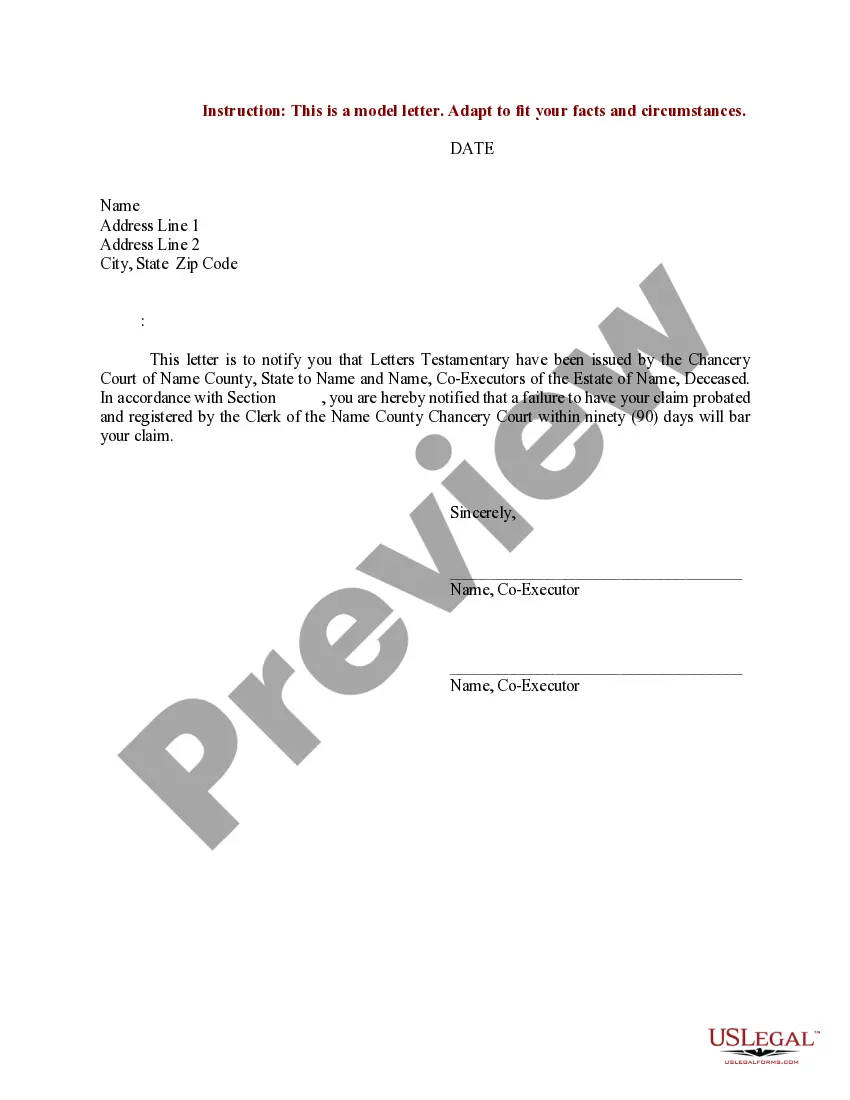



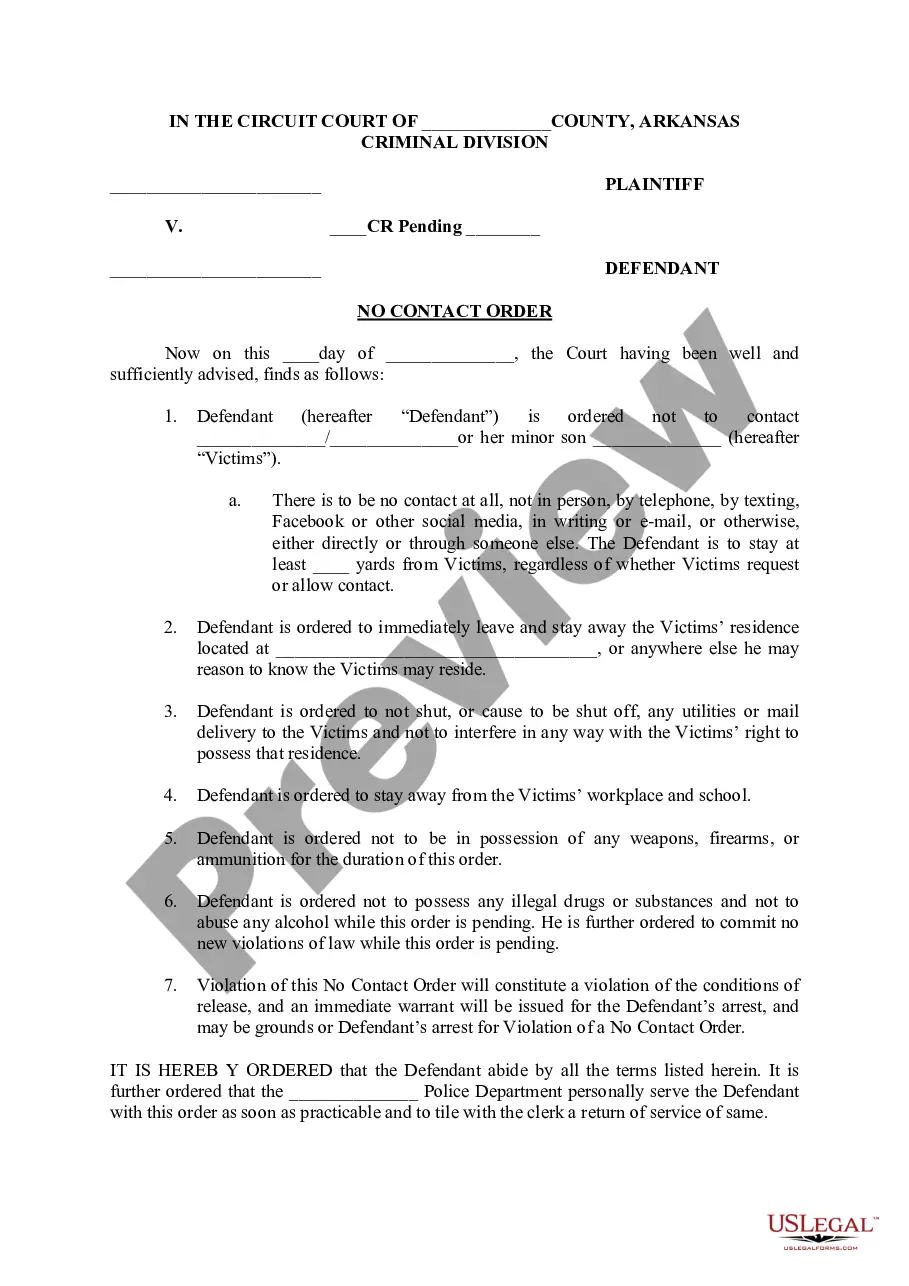
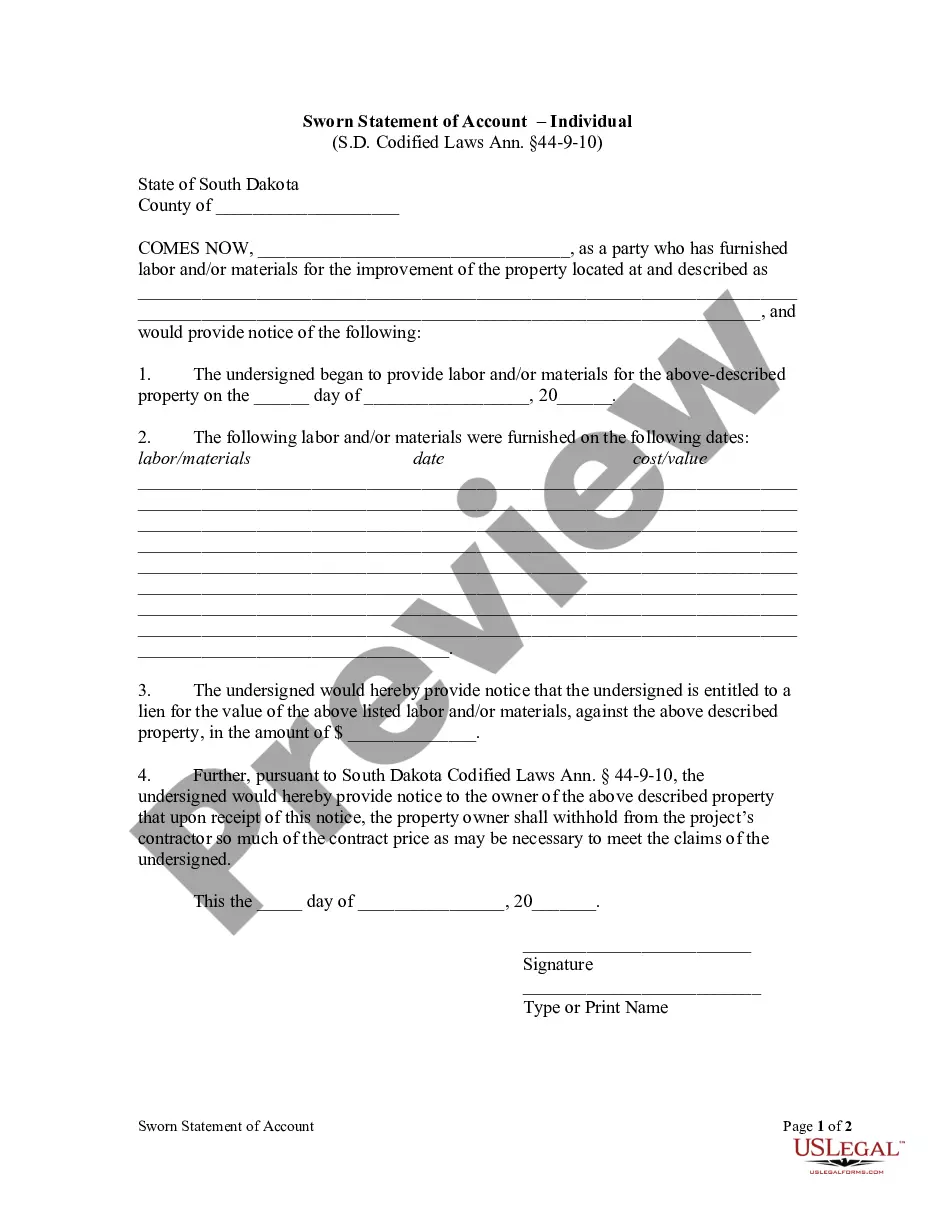

Form popularity
FAQ
A business can ``give'' equity any time its articles of incorporation or anti-dilution agreements allow. The IRS requires the business to report the fair market value of the gift of equity if it goes to non-employees . If equity goes to employees it is considered compensation and is reported on their w2.
Under the equity method of accounting, the investor company reports the revenue earned by the other company on its income statement. This amount is proportional to the percentage of its equity investment in the other company.
The equity method requires the investing company to record the investee's profits or losses in proportion to the percentage of ownership. The equity method also makes periodic adjustments to the value of the asset on the investor's balance sheet.
Equity represents the shareholders' stake in the company, identified on a company's balance sheet. The calculation of equity is a company's total assets minus its total liabilities, and it's used in several key financial ratios such as ROE.
Equity agreements commonly contain the following components: Equity program. This section outlines the details of the investment plan, including its purpose, conditions, and objectives. It also serves as a statement of intention to create a legal relationship between both parties.
Equity agreements allow entrepreneurs to secure funding for their start-up by giving up a portion of ownership of their company to investors. In short, these arrangements typically involve investors providing capital in exchange for shares of stock which they will hold and potentially sell in the future for a profit.
These agreements let you access funds in exchange for a share of your property's future appreciation. Some or all of the mortgage lenders featured on our site are advertising partners of NerdWallet, but this does not influence our evaluations, lender star ratings or the order in which lenders are listed on the page.
What to Think about When You Begin Writing a Shareholder Agreement. Name Your Shareholders. Specify the Responsibilities of Shareholders. The Voting Rights of Your Shareholders. Decisions Your Corporation Might Face. Changing the Original Shareholder Agreement. Determine How Stock can be Sold or Transferred.