Business Equity Agreement For Services In Illinois
Description






Get your form ready online
Our built-in tools help you complete, sign, share, and store your documents in one place.
Make edits, fill in missing information, and update formatting in US Legal Forms—just like you would in MS Word.
Download a copy, print it, send it by email, or mail it via USPS—whatever works best for your next step.
Sign and collect signatures with our SignNow integration. Send to multiple recipients, set reminders, and more. Go Premium to unlock E-Sign.
If this form requires notarization, complete it online through a secure video call—no need to meet a notary in person or wait for an appointment.
We protect your documents and personal data by following strict security and privacy standards.

Make edits, fill in missing information, and update formatting in US Legal Forms—just like you would in MS Word.

Download a copy, print it, send it by email, or mail it via USPS—whatever works best for your next step.

Sign and collect signatures with our SignNow integration. Send to multiple recipients, set reminders, and more. Go Premium to unlock E-Sign.

If this form requires notarization, complete it online through a secure video call—no need to meet a notary in person or wait for an appointment.

We protect your documents and personal data by following strict security and privacy standards.
Looking for another form?








Form popularity
FAQ
Per Illinois's LLC statute (805 ILCS 180), the principal place of business should be the location where business records are held and the company conducts business services. It does not need to be in Illinois. This could be: A business address (including coworking space), or.
Illinois doesn't require your LLC to have an operating agreement. Though not required, it's strongly recommended that your LLC as one. An operating agreement is an internal document that establishes how you'll run your LLC.
Differences between LTD and LLC An LLC is best for a single owner and a primary vehicle for smaller businesses. Overall, LLCs are more flexible than Ltds in terms of structure. For instance, LLCs can operate with only one owner or more members of the group.
Limited company Limited company / Full name
We'd love to hear from you! For information on region-specific services, programs, including how to start a business in Illinois, call the First Stop Business Information Center at 800.252. 2923.
Ltd. is a standard abbreviation for "limited," a form of corporate structure available in countries including the U.K., Ireland, and Canada. The term appears as a suffix that follows the company name, indicating that it is a public or private limited company.
Illinois limited liability companies are governed by the Limited Liability Company Act (805 ILCS 180). A Limited Liability Company (LLC) is a type of business entity that combines elements of both partnerships and corporations, offering potential advantages to business owners.
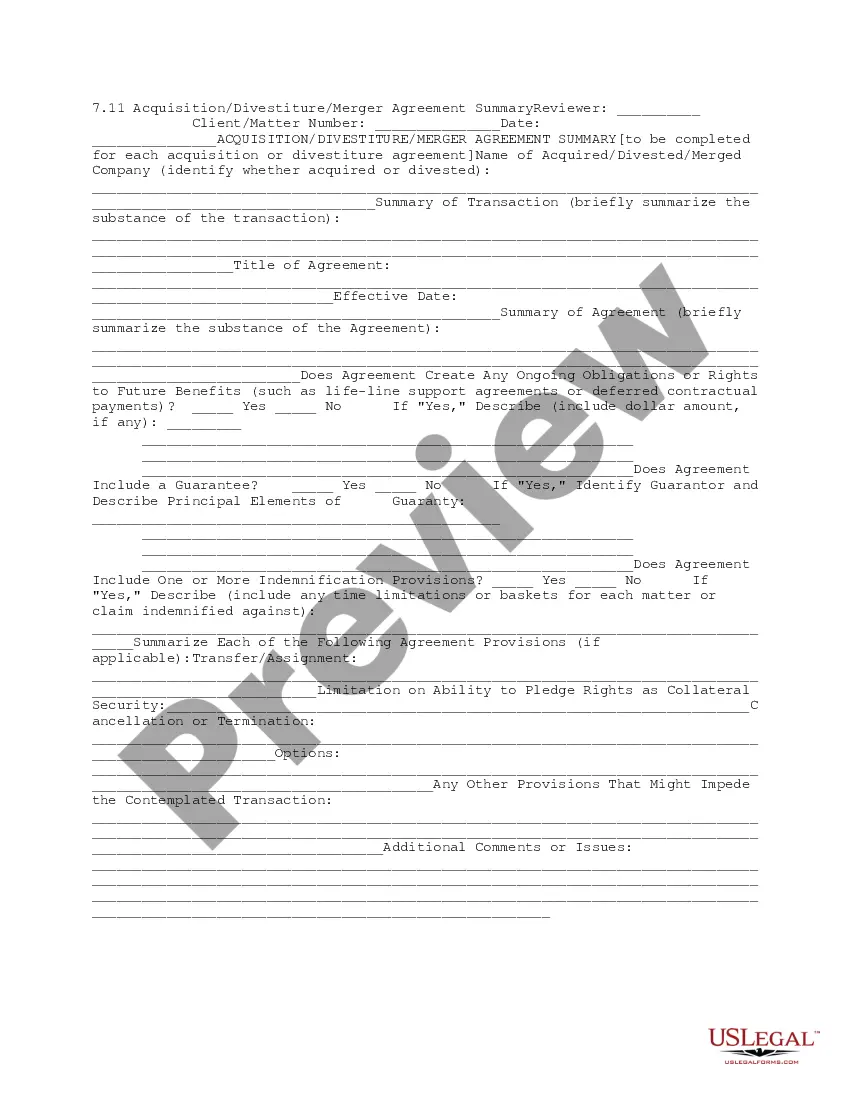
An equity agreement is like a partnership agreement between at least two people to run a venture jointly. An equity agreement binds each partner to each other and makes them personally liable for business debts.
Equity agreements are a cornerstone for startups, providing a solid foundation for their business endeavors while ensuring fairness and clarity in equity distribution. Understanding the legal aspects and best practices of equity agreements is crucial for the long-term success and stability of startups.
As a rule of thumb, a non-founder CEO joining an early-stage startup (that has been running less than a year) would receive 7-10% equity. Other C-level execs would receive 1-5% equity that vests over time (usually 4 years).
