Shareholder Agreement Benefits In Fairfax
Description






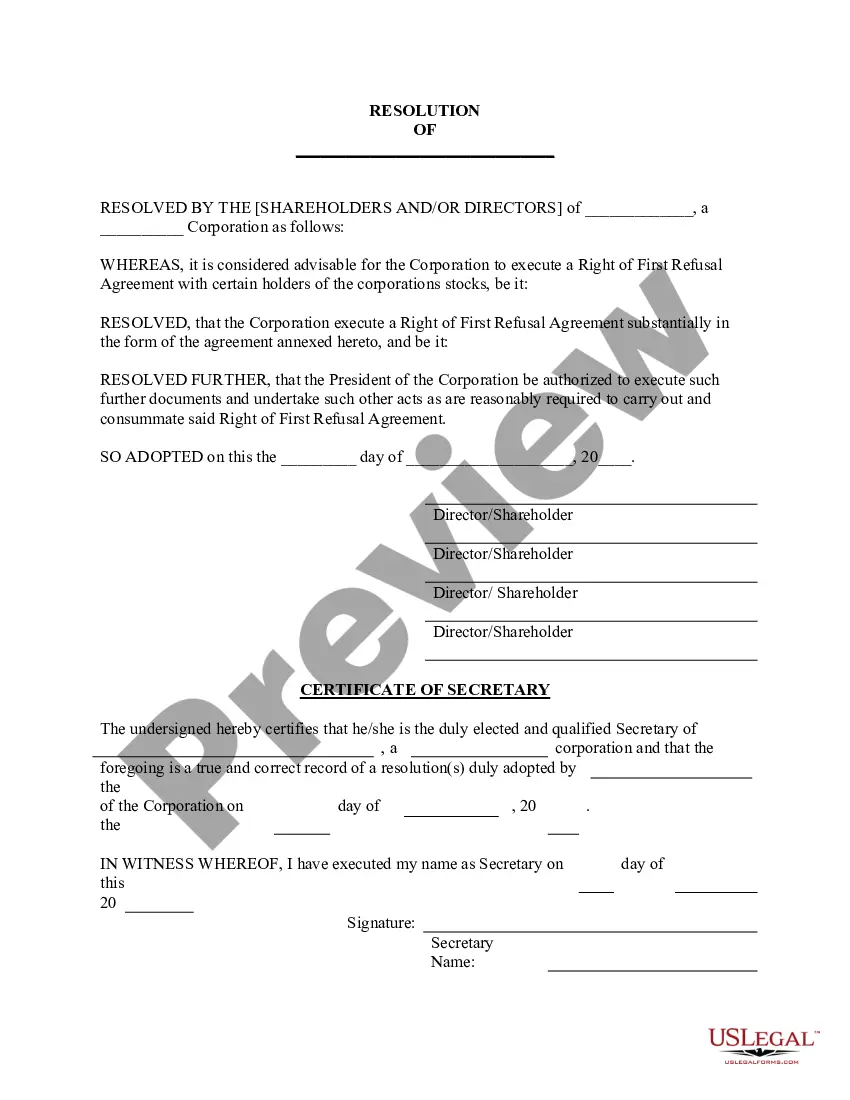
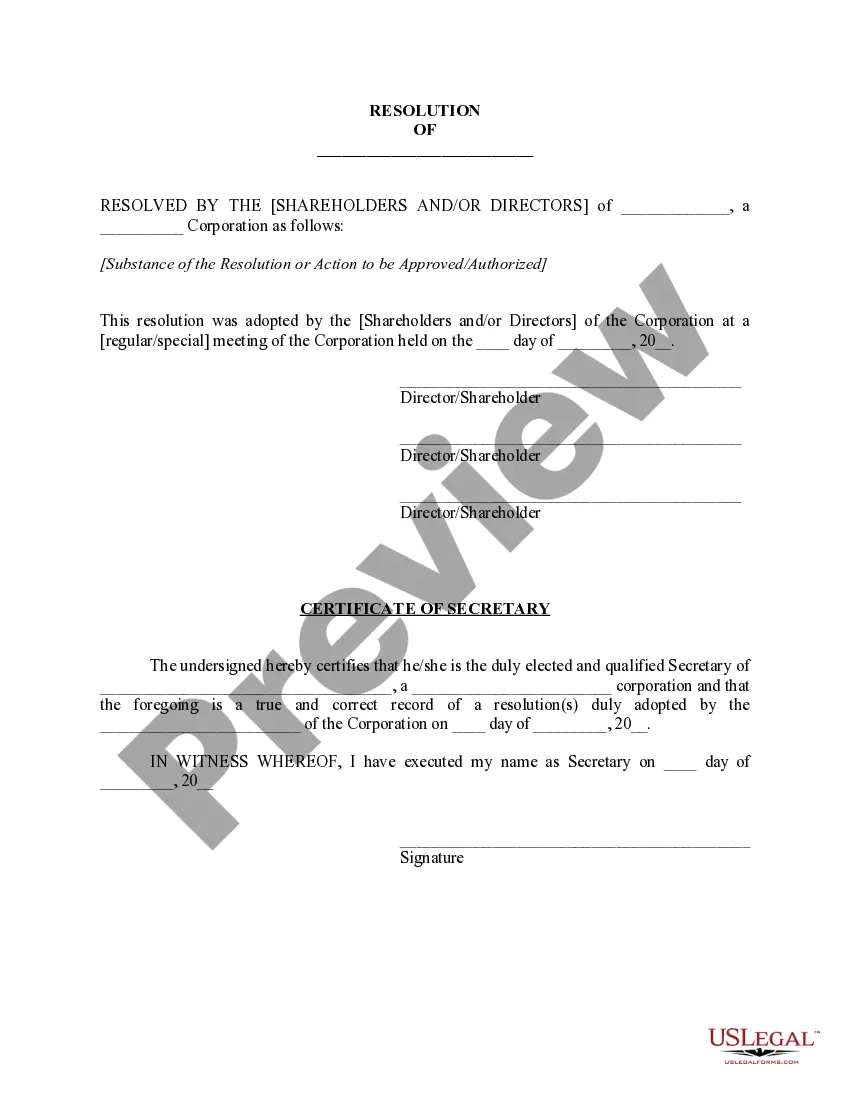
Get your form ready online
Our built-in tools help you complete, sign, share, and store your documents in one place.
Make edits, fill in missing information, and update formatting in US Legal Forms—just like you would in MS Word.
Download a copy, print it, send it by email, or mail it via USPS—whatever works best for your next step.
Sign and collect signatures with our SignNow integration. Send to multiple recipients, set reminders, and more. Go Premium to unlock E-Sign.
If this form requires notarization, complete it online through a secure video call—no need to meet a notary in person or wait for an appointment.
We protect your documents and personal data by following strict security and privacy standards.

Make edits, fill in missing information, and update formatting in US Legal Forms—just like you would in MS Word.

Download a copy, print it, send it by email, or mail it via USPS—whatever works best for your next step.

Sign and collect signatures with our SignNow integration. Send to multiple recipients, set reminders, and more. Go Premium to unlock E-Sign.

If this form requires notarization, complete it online through a secure video call—no need to meet a notary in person or wait for an appointment.

We protect your documents and personal data by following strict security and privacy standards.
Looking for another form?







Form popularity
FAQ
What to Think about When You Begin Writing a Shareholder Agreement. Name Your Shareholders. Specify the Responsibilities of Shareholders. The Voting Rights of Your Shareholders. Decisions Your Corporation Might Face. Changing the Original Shareholder Agreement. Determine How Stock can be Sold or Transferred.
We have 5 steps. Step 1: Decide on the issues the agreement should cover. Step 2: Identify the interests of shareholders. Step 3: Identify shareholder value. Step 4: Identify who will make decisions - shareholders or directors. Step 5: Decide how voting power of shareholders should add up.
It should describe how the business will be run, how problems between shareholders will be handled, and clarify the responsibilities and benefits of each shareholder. A shareholder agreement outlines the details of a corporation so that there is no confusion as to the rights of each shareholder from the beginning.
What is included in a shareholder agreement? Decision making. The shareholder agreement states how business decisions are made. Joining the business. Provide for what happens in the event of death or incapacity. Settle internal disputes. Anticipating certain situations.
The shareholders' agreement should outline how often the board will meet, and how shareholders can make decisions to manage the business. Most importantly, it should outline what will happen if a deadlock occurs and how disagreements will be resolved.
Subscribers are required to provide their full name and contact/service address for Companies House during the incorporation process. Shareholders who join a company after incorporation need only provide their name unless they qualify as 'person with significant control' (PSC).
Its purpose is to protect your investment, build good relationships between you and other shareholders, and govern how you run the company together. The agreement sets out the rights and duties of shareholders. It regulates selling shares in the company. It describes how you will operate the company.
So shareholder agreements can be signed as a normal agreement and not as a deed and still be legally binding. However some companies choose to sign it as a deed for a number of reasons. For example if the contract gives a person more authority or makes them a power of attorney it has to be executed as a deed.
Whereas the Articles of Association are governed and restricted by an extensive range of statutory provisions, shareholders' agreements do not have to be filed at Companies House, meaning their contents can be kept exclusively for those to whom they apply.
Your company articles will usually tell you if you need a resolution, and what type it should be. You must let your shareholders (and auditors if relevant) know when there's going to be a vote on a resolution. You must file special or extraordinary resolutions with Companies House within 15 days of passing them.