Ownership Agreement For Property In Chicago
Description






Get your form ready online
Our built-in tools help you complete, sign, share, and store your documents in one place.
Make edits, fill in missing information, and update formatting in US Legal Forms—just like you would in MS Word.
Download a copy, print it, send it by email, or mail it via USPS—whatever works best for your next step.
Sign and collect signatures with our SignNow integration. Send to multiple recipients, set reminders, and more. Go Premium to unlock E-Sign.
If this form requires notarization, complete it online through a secure video call—no need to meet a notary in person or wait for an appointment.
We protect your documents and personal data by following strict security and privacy standards.

Make edits, fill in missing information, and update formatting in US Legal Forms—just like you would in MS Word.

Download a copy, print it, send it by email, or mail it via USPS—whatever works best for your next step.

Sign and collect signatures with our SignNow integration. Send to multiple recipients, set reminders, and more. Go Premium to unlock E-Sign.

If this form requires notarization, complete it online through a secure video call—no need to meet a notary in person or wait for an appointment.

We protect your documents and personal data by following strict security and privacy standards.
Looking for another form?

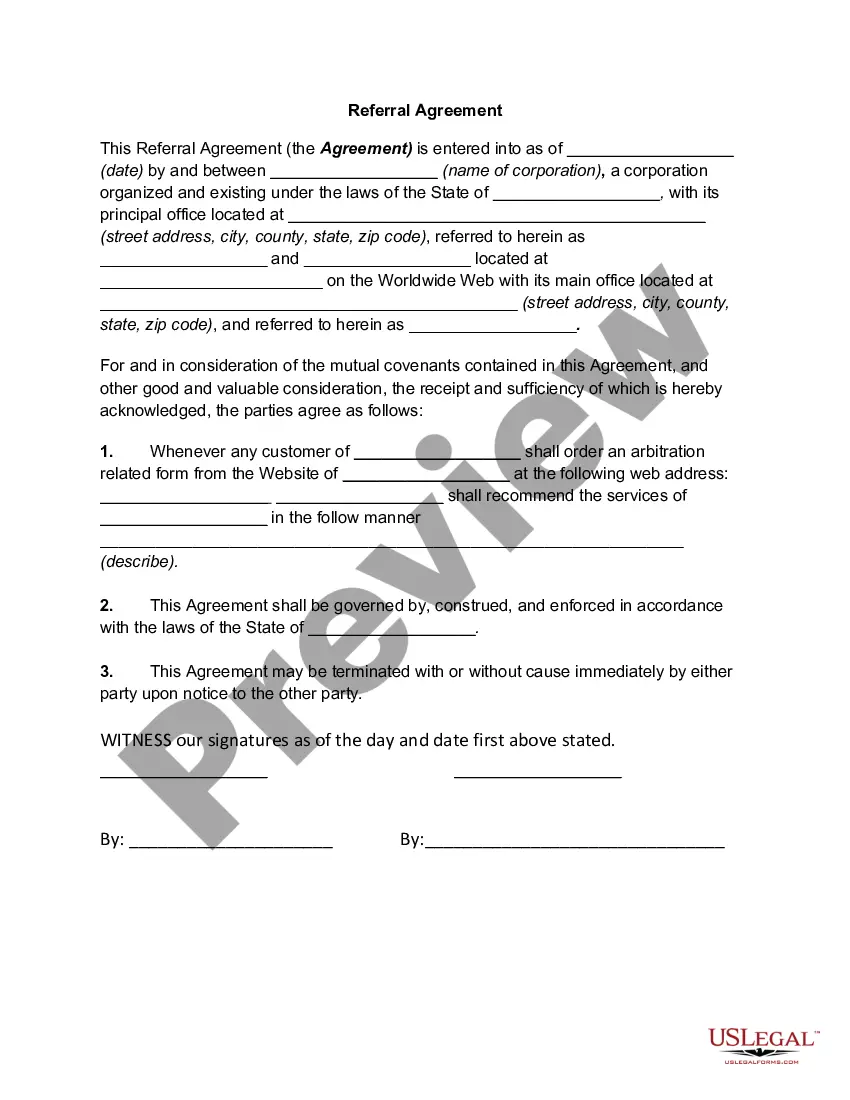
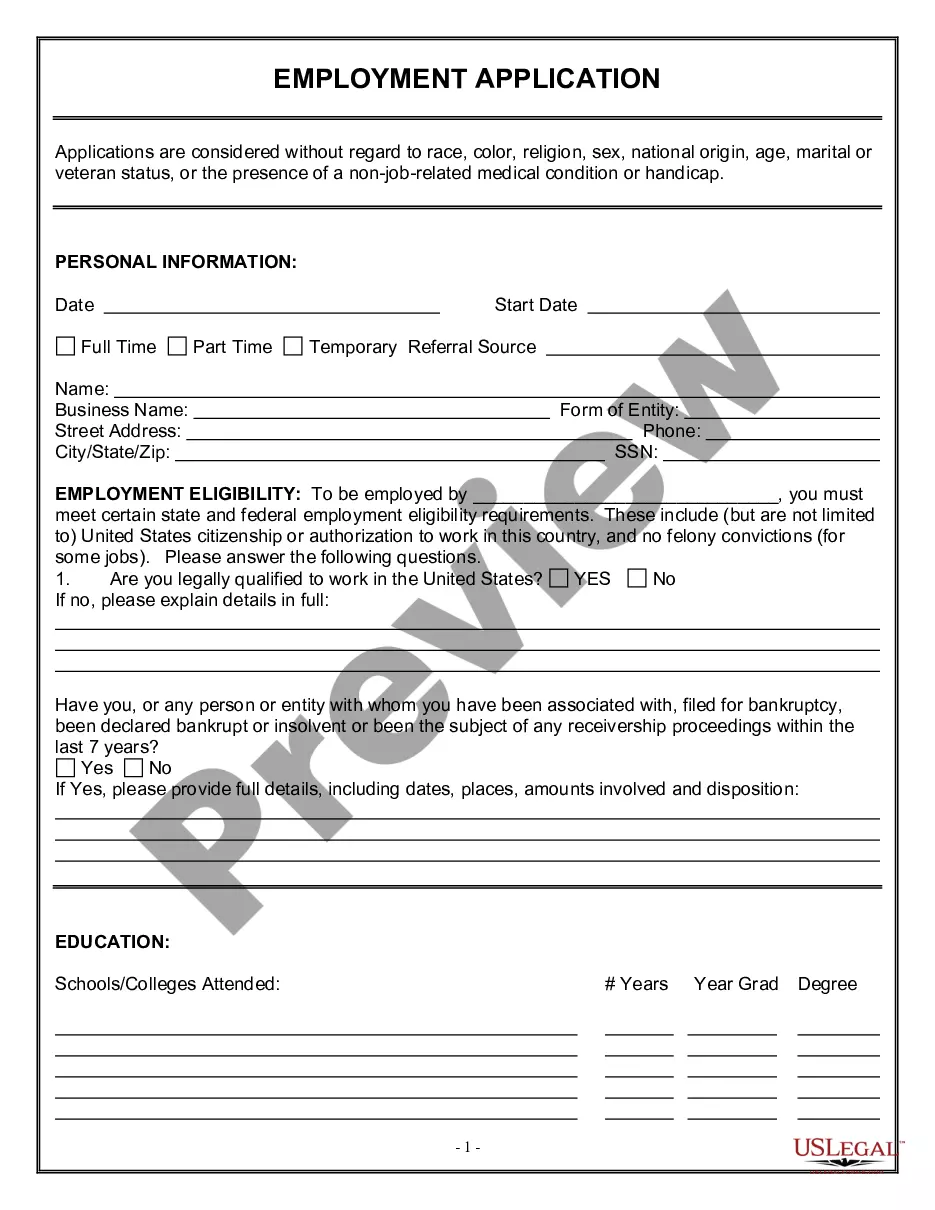
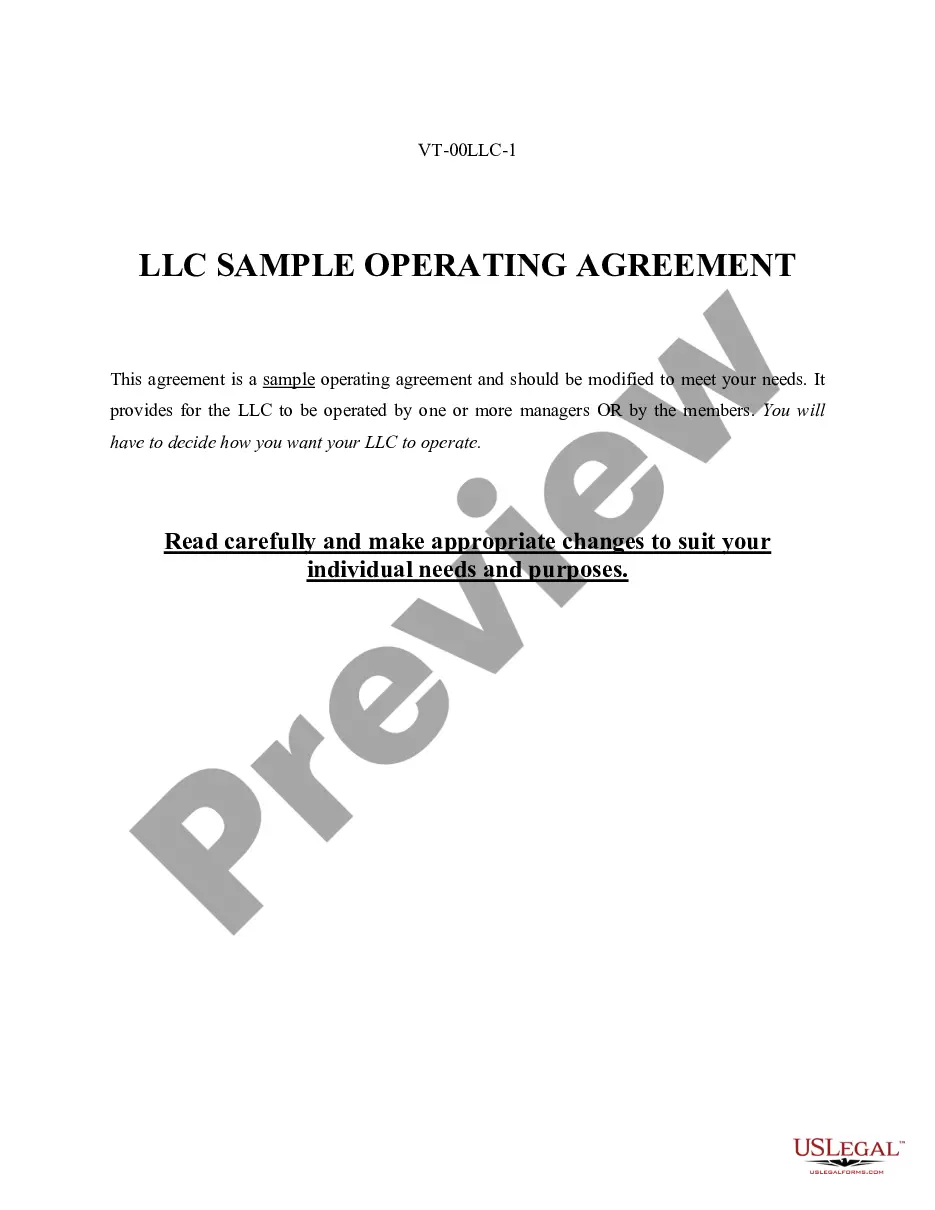



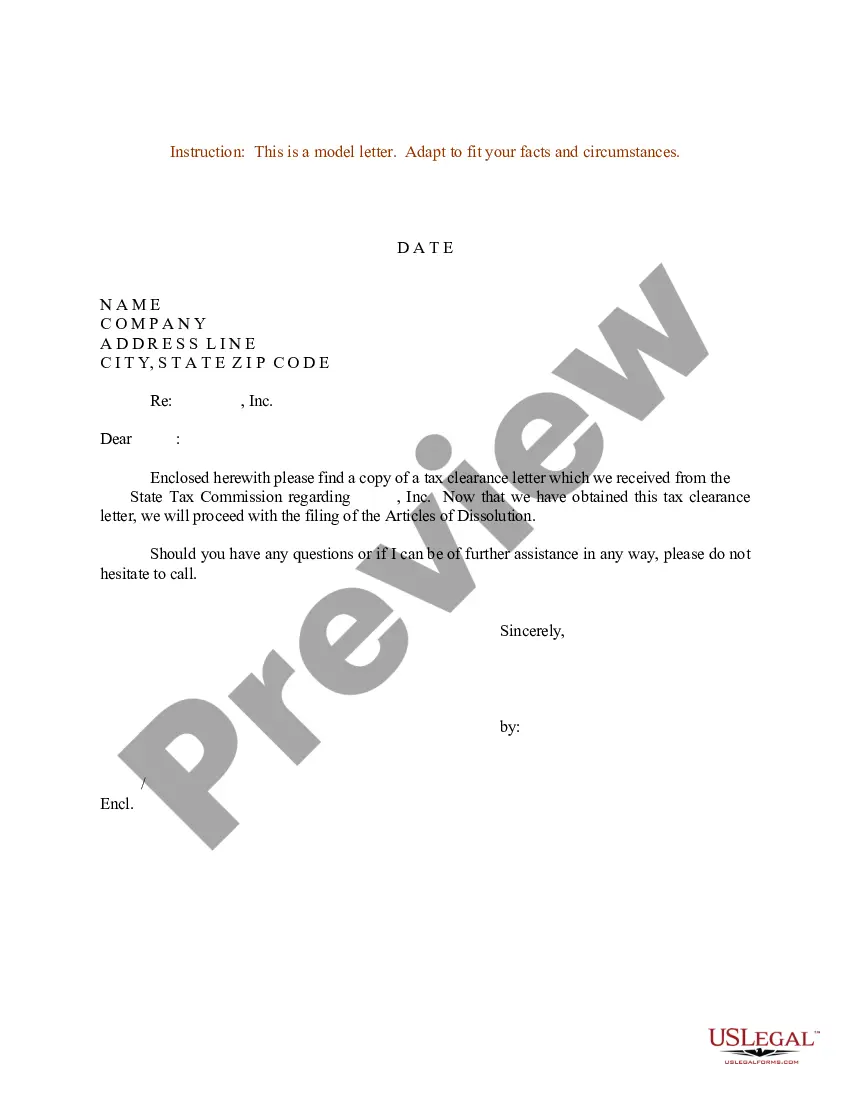

Form popularity
FAQ
Outlining the rights and obligations of each party Agree on what rights and responsibilities each party will have. Ensure that each party understands and agrees to the duties and obligations assigned to them. Identify what each party is responsible for, including any financial contributions.
How to draft a contract between two parties: A step-by-step checklist Know your parties. Agree on the terms. Set clear boundaries. Spell out the consequences. Specify how you will resolve disputes. Cover confidentiality. Check the legality of the contract. Open it up to negotiation.
How to write a letter of agreement Title the document. Add the title at the top of the document. List your personal information. Include the date. Add the recipient's personal information. Address the recipient. Write an introduction paragraph. Write your body. Conclude the letter.
An agreement is a promise or arrangement between two or more parties to do, or not do, something. It's usually informal and sometimes unwritten (but not always). Some examples of agreements include a letter of intent, or a confidentiality agreement that precedes a commercial discussion.
Write the contract in six steps Start with a contract template. Open with the basic information. Describe in detail what you have agreed to. Include a description of how the contract will be ended. Write into the contract which laws apply and how disputes will be resolved. Include space for signatures.
Once you (and the other LLC Members, if applicable) sign the Operating Agreement, then it becomes a legal document. Can I write my own Operating Agreement? Yes, but we recommend using an Operating Agreement template. An Operating Agreement is a legal document.
Deed or official record: Original deed, warranty deed or deed of trust to the property. A utility bill dated between April 2022 and present, must also be included. Mortgage documentation: Mortgage statement, mortgage promissory note or the closing disclosure form.
Types of Ownership in Illinois Illinois recognizes four basic types of ownership: sole ownership, tenancy by the entirety, joint tenants, and tenants in common. In this type of ownership, one individual or entity owns the property completely with no other tenants.
An ownership transfer letter can be written in the following way: Explain the purpose of the transfer request letter. Consider the overall position of the asset. Mention how the transfer will be of mutual benefit. Ensure the clarity of pints. Mention details of who is involved. Terms, conditions, and legal obligations.