Good Faith Estimate Template Excel With Payment In Miami-Dade
Description
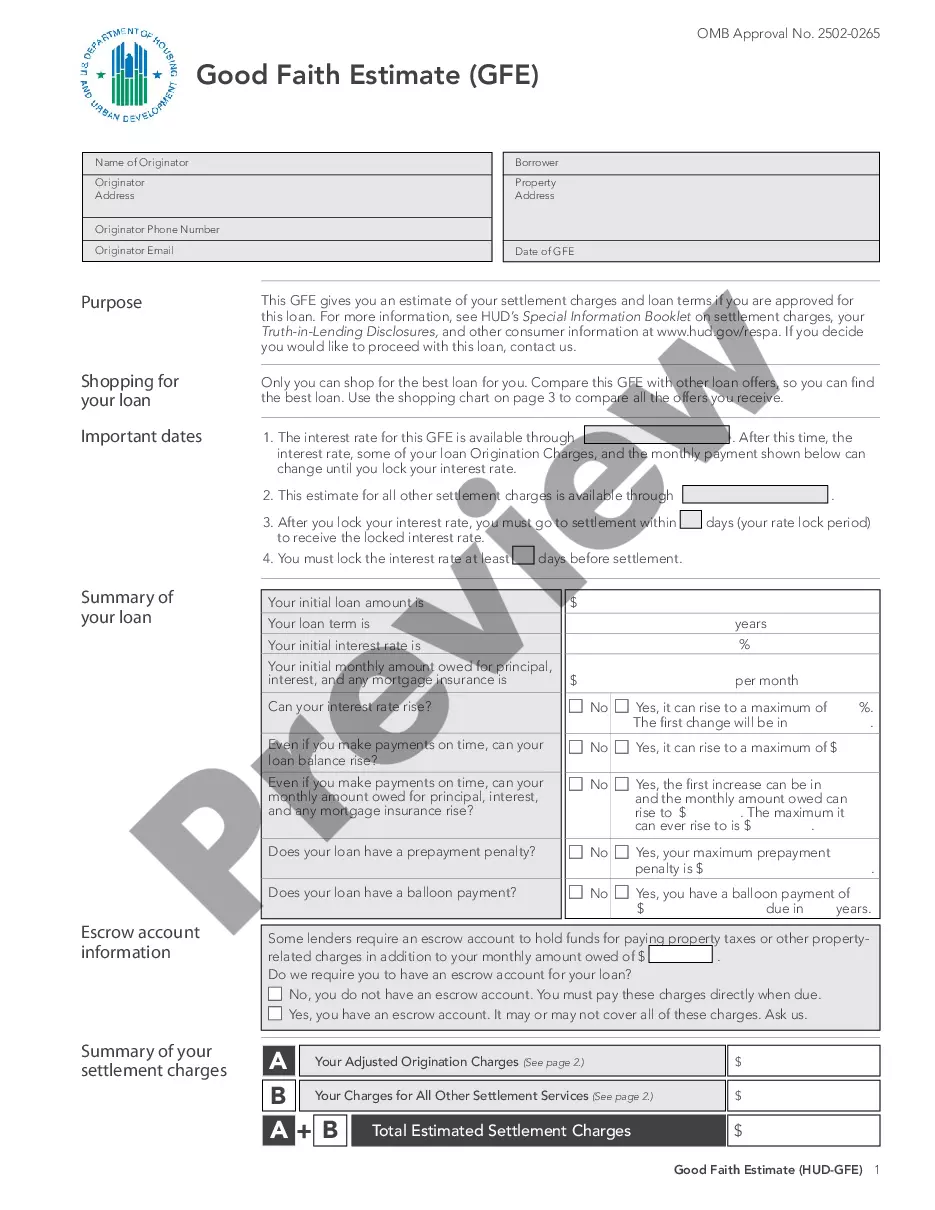
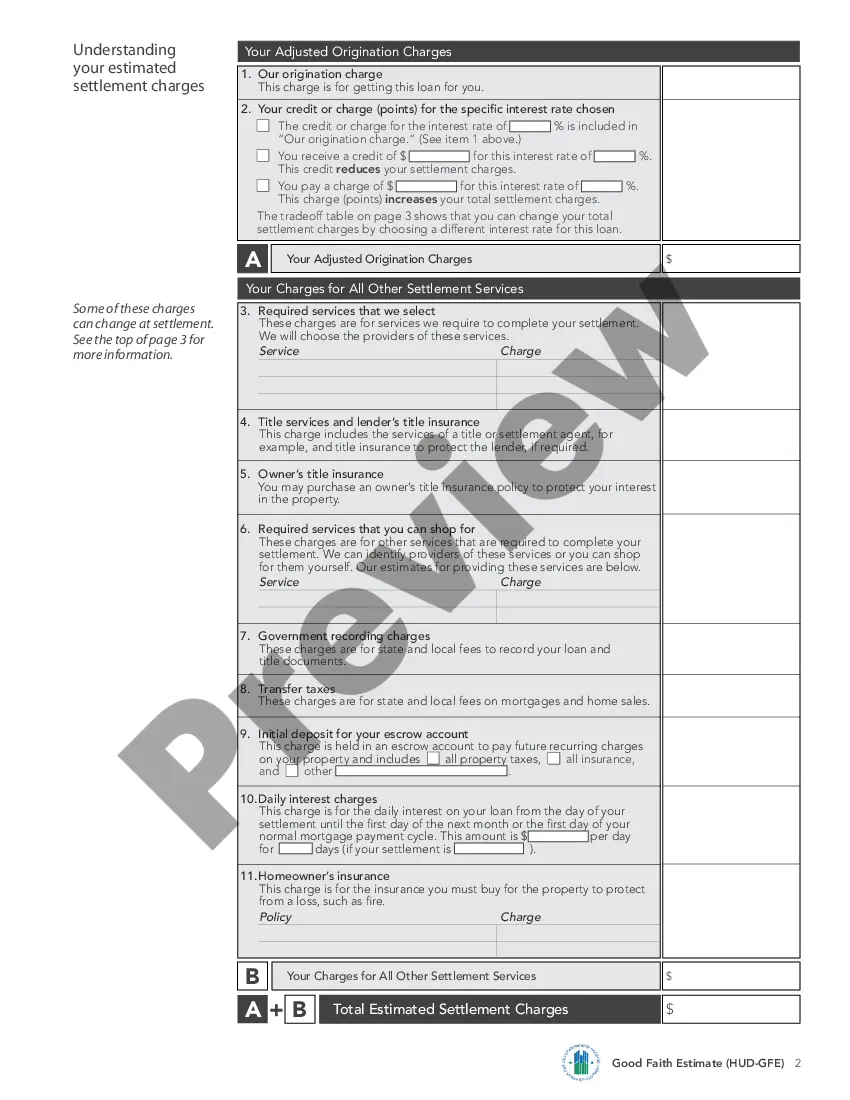
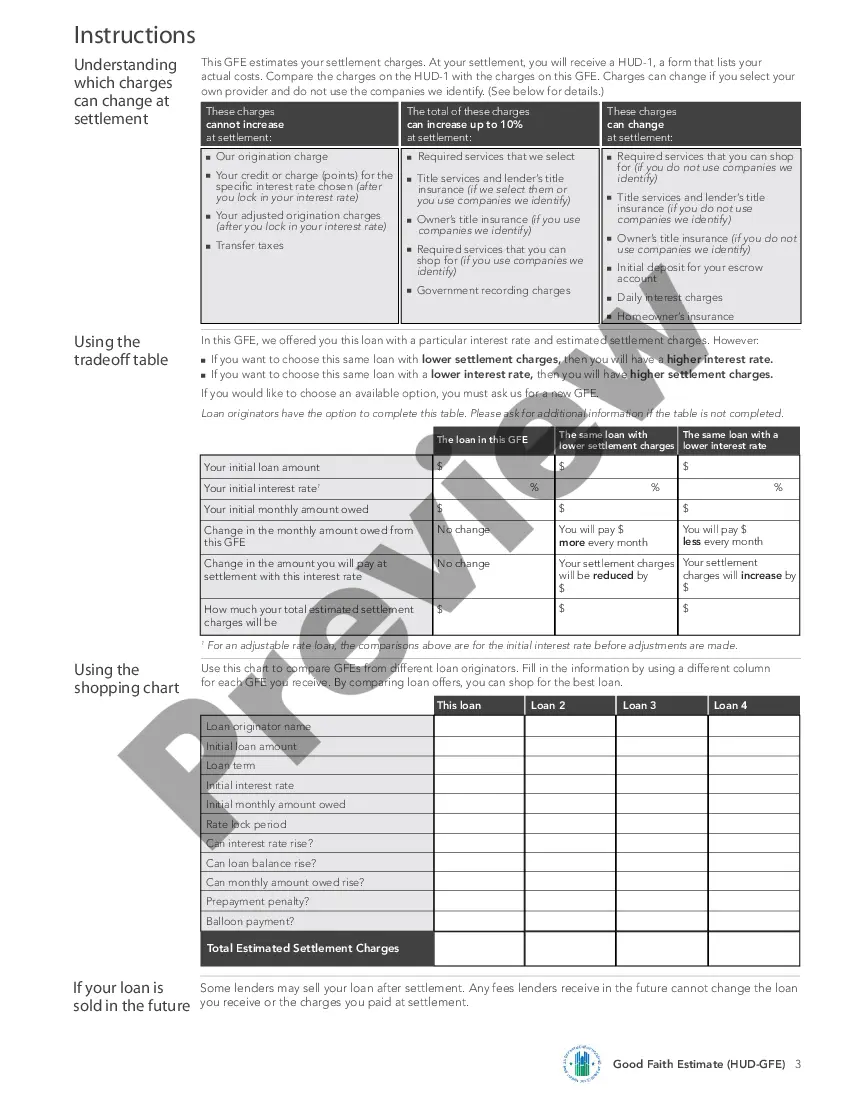
Get your form ready online
Our built-in tools help you complete, sign, share, and store your documents in one place.
Make edits, fill in missing information, and update formatting in US Legal Forms—just like you would in MS Word.
Download a copy, print it, send it by email, or mail it via USPS—whatever works best for your next step.
Sign and collect signatures with our SignNow integration. Send to multiple recipients, set reminders, and more. Go Premium to unlock E-Sign.
If this form requires notarization, complete it online through a secure video call—no need to meet a notary in person or wait for an appointment.
We protect your documents and personal data by following strict security and privacy standards.

Make edits, fill in missing information, and update formatting in US Legal Forms—just like you would in MS Word.

Download a copy, print it, send it by email, or mail it via USPS—whatever works best for your next step.

Sign and collect signatures with our SignNow integration. Send to multiple recipients, set reminders, and more. Go Premium to unlock E-Sign.

If this form requires notarization, complete it online through a secure video call—no need to meet a notary in person or wait for an appointment.

We protect your documents and personal data by following strict security and privacy standards.
Looking for another form?








Form popularity
FAQ
The California Good Faith Exam (GFE Process) is a critical requirement for medical spas and healthcare providers offering cosmetic and medical treatments. This regulatory measure ensures that every patient undergoes an appropriate examination by a qualified healthcare professional before receiving any procedures.
Elements that make up a GFE such as conversation, affection and mutual sexual pleasure can occur in street prostitution but they are more commonly found in indoor prostitution. This includes the use of massage parlors, saunas, brothels, strip clubs and escort agencies.
Good faith estimates only list expected charges for a single provider or facility. You may get an estimate from both your provider and facility, or from multiple providers. The estimate must: Include an itemized list with specific details and expected charges for items and services related to your care.
Make sure your health care provider gives you a Good Faith Estimate in writing at least 1 business day before your medical service or item. You can also ask your health care provider, and any other provider you choose, for a Good Faith Estimate before you schedule an item or service.
A good faith estimate should include expected charges for the scheduled health care items and services, including facilities fees, hospital fees, and room and board provided by the provider or facility. Good faith estimates only list expected charges for a single provider or facility.
You should get a good faith estimate if you schedule an appointment at least 3 business days in advance. You can ask your provider directly for an estimate if they don't give one to you. When you schedule care 0-2 business days in advance, you aren't entitled to get a good faith estimate.
Real Estate Settlement Procedures Act (RESPA) RESPA requires that borrowers receive disclosures at various times. Some disclosures spell out the costs associated with the settlement, outline lender servicing and escrow account practices and describe business relationships between settlement service providers.
A good faith estimate should include expected charges for the scheduled health care items and services, including facilities fees, hospital fees, and room and board provided by the provider or facility. Good faith estimates only list expected charges for a single provider or facility.
The good faith estimate must include a number of disclaimers. For example, it must state that the estimate is based on information known at the time it was created. Therefore, it won't include any costs for unanticipated items or services that are not reasonably expected and that could occur due to unforeseen events.
What's included in a good faith estimate? A good faith estimate should include expected charges for the scheduled health care items and services, including facilities fees, hospital fees, and room and board provided by the provider or facility.
