Good Faith Exam Template For Aesthetics In Bexar
Description
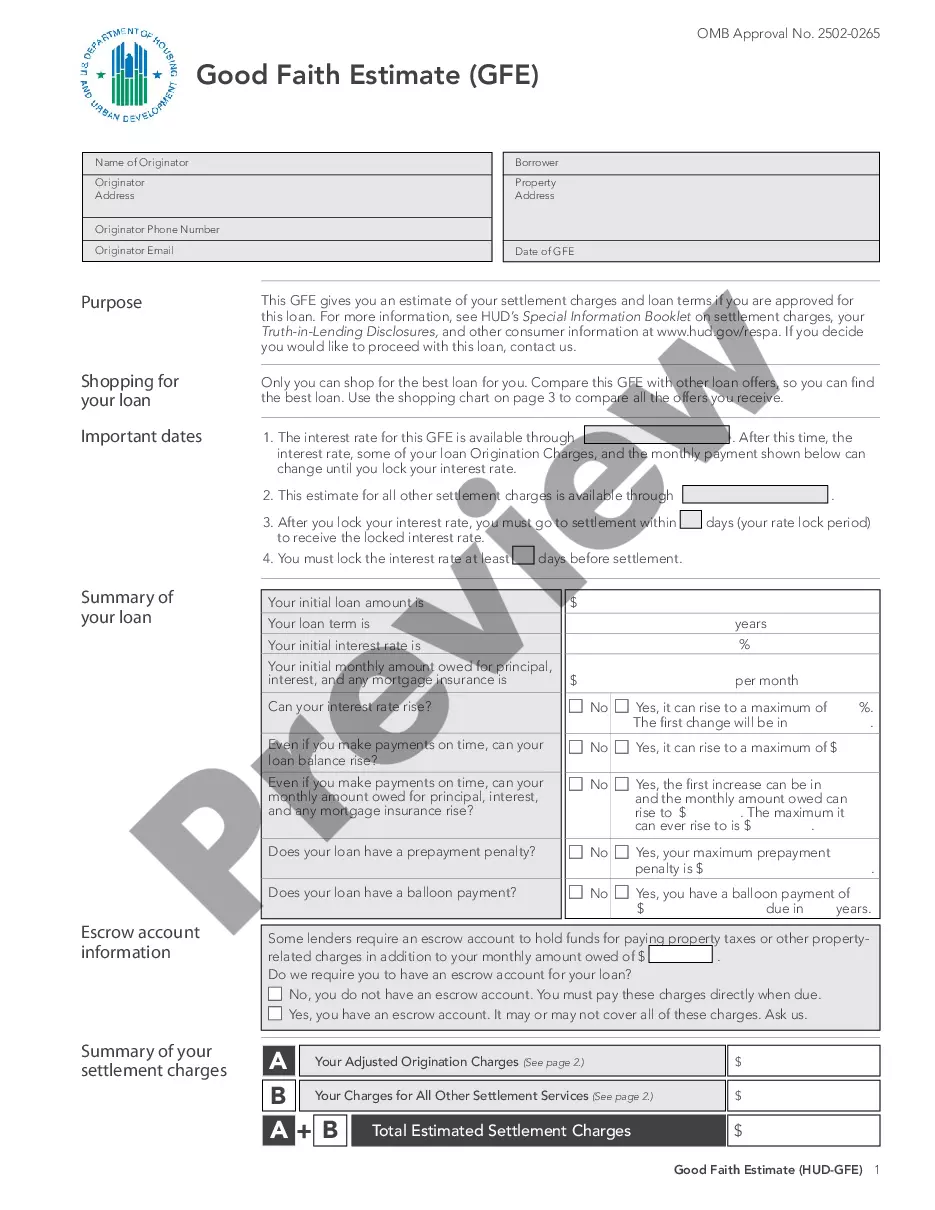
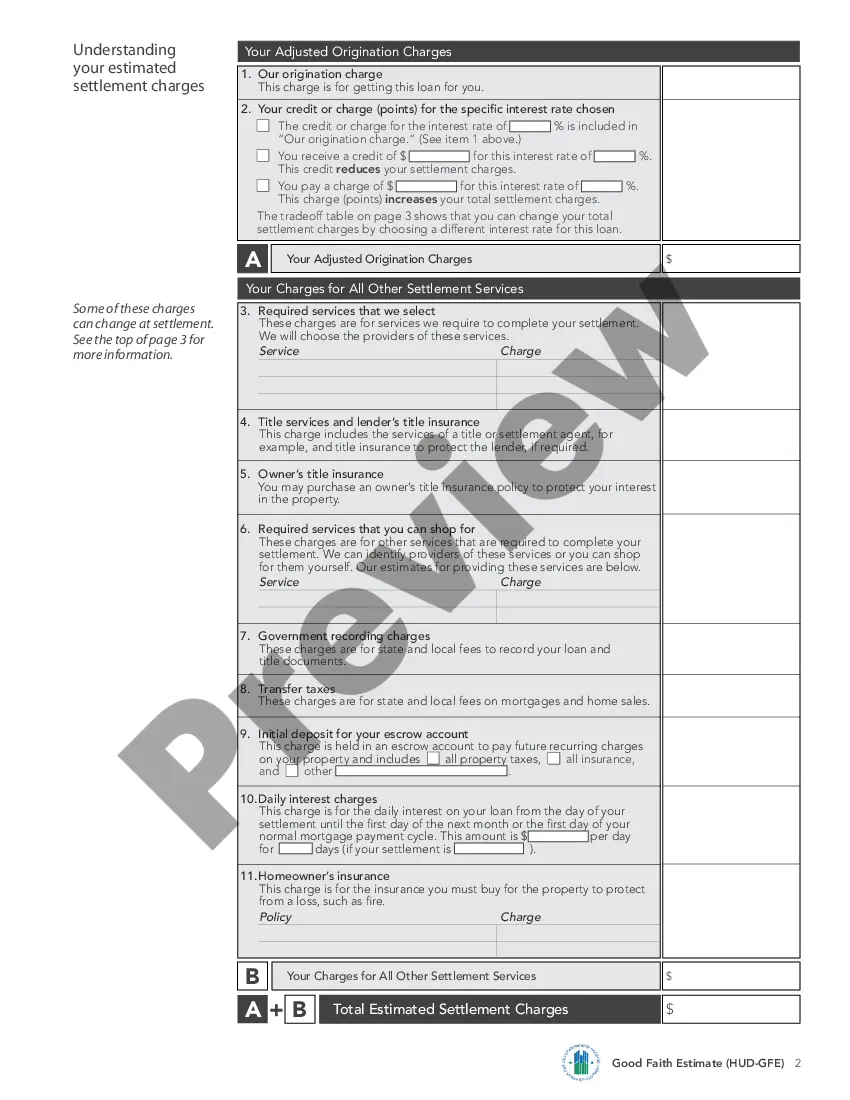
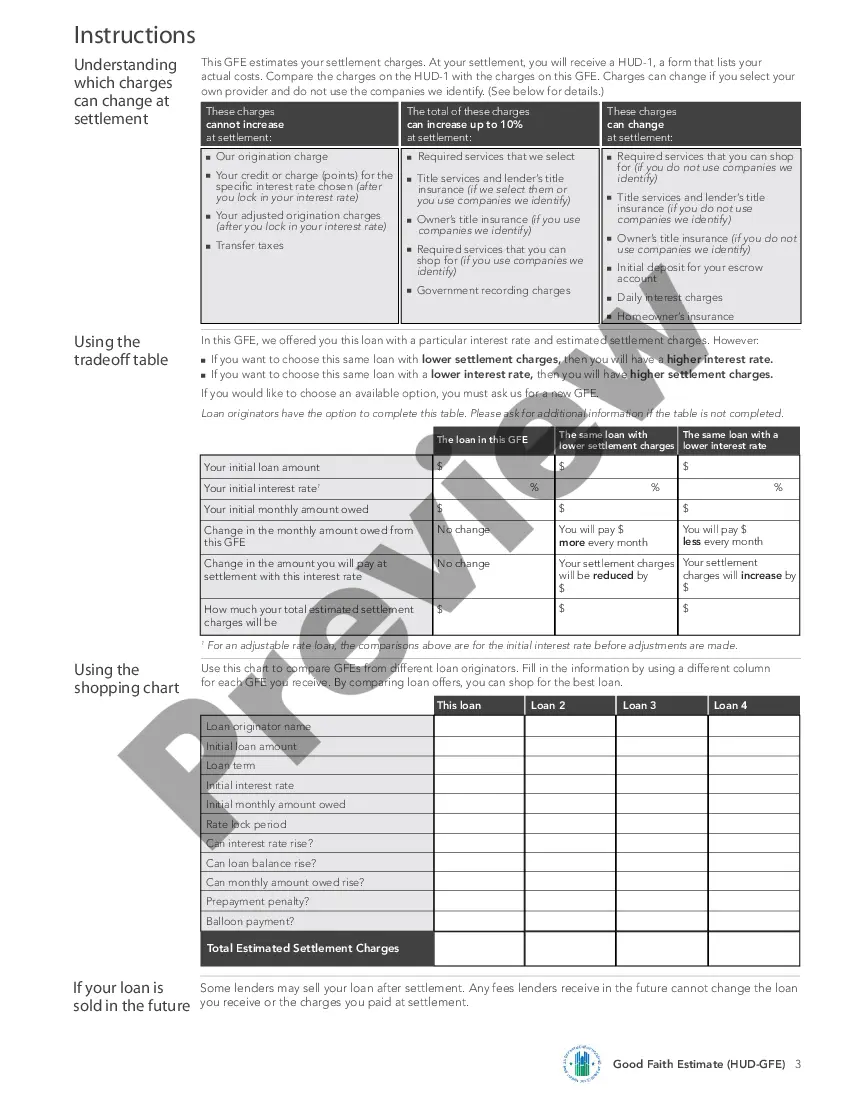

Get your form ready online
Our built-in tools help you complete, sign, share, and store your documents in one place.
Make edits, fill in missing information, and update formatting in US Legal Forms—just like you would in MS Word.
Download a copy, print it, send it by email, or mail it via USPS—whatever works best for your next step.
Sign and collect signatures with our SignNow integration. Send to multiple recipients, set reminders, and more. Go Premium to unlock E-Sign.
If this form requires notarization, complete it online through a secure video call—no need to meet a notary in person or wait for an appointment.
We protect your documents and personal data by following strict security and privacy standards.

Make edits, fill in missing information, and update formatting in US Legal Forms—just like you would in MS Word.

Download a copy, print it, send it by email, or mail it via USPS—whatever works best for your next step.

Sign and collect signatures with our SignNow integration. Send to multiple recipients, set reminders, and more. Go Premium to unlock E-Sign.

If this form requires notarization, complete it online through a secure video call—no need to meet a notary in person or wait for an appointment.

We protect your documents and personal data by following strict security and privacy standards.
Looking for another form?
Form popularity
FAQ
Acting in good faith also means being fair with people and using common sense. It requires all parties to: be honest, open, and without hidden motives. raise and respond to issues in a fair and timely way.
Good faith exams can take different forms, including: In-person examinations, where the physician physically assesses the patient. Telehealth consultations, using video calls, self-screening questionnaires, or asynchronous methods, provided they meet the required standard of care.
A Good Faith Exam (GFE) is a mandatory medical evaluation required by law before you can receive aesthetic injection treatments. This exam ensures that you are a suitable candidate for the treatment and that there are no contraindications that could affect your health.
A good faith exam (GFE) is a legally required medical evaluation conducted by a licensed provider to assess a patient's health status, medical history, and potential contraindications before certain treatments.
Good faith means honesty of purpose without any intention to mislead or to take unfair advantage of another. Generally speaking, it means being faithful to one's duty or obligation.
A good faith exam refers to a thorough physical examination conducted by a licensed healthcare provider to assess a patient's medical condition and determine the appropriateness of a proposed treatment or procedure.
Examples of good faith in a business context include: Honesty: both parties are honest and truthful about the details of the contract, from the terms and conditions, to warranties and disclaimers. Fairness: both parties act fairly and reasonably as outlined by the contract.
In a Good Faith Examination, several critical components come together to form a complete picture of a patient's health. This includes a detailed review of the patient's medical history, a thorough physical examination, and, if necessary, diagnostic testing.
Online Good Faith Exam Services These virtual exams are designed to be accessible and efficient, aligning with the California Medical Board Good Faith Exam requirements to ensure thorough and compliant patient evaluations.
