Contract Manufacturing Agreement Format In Washington
Description

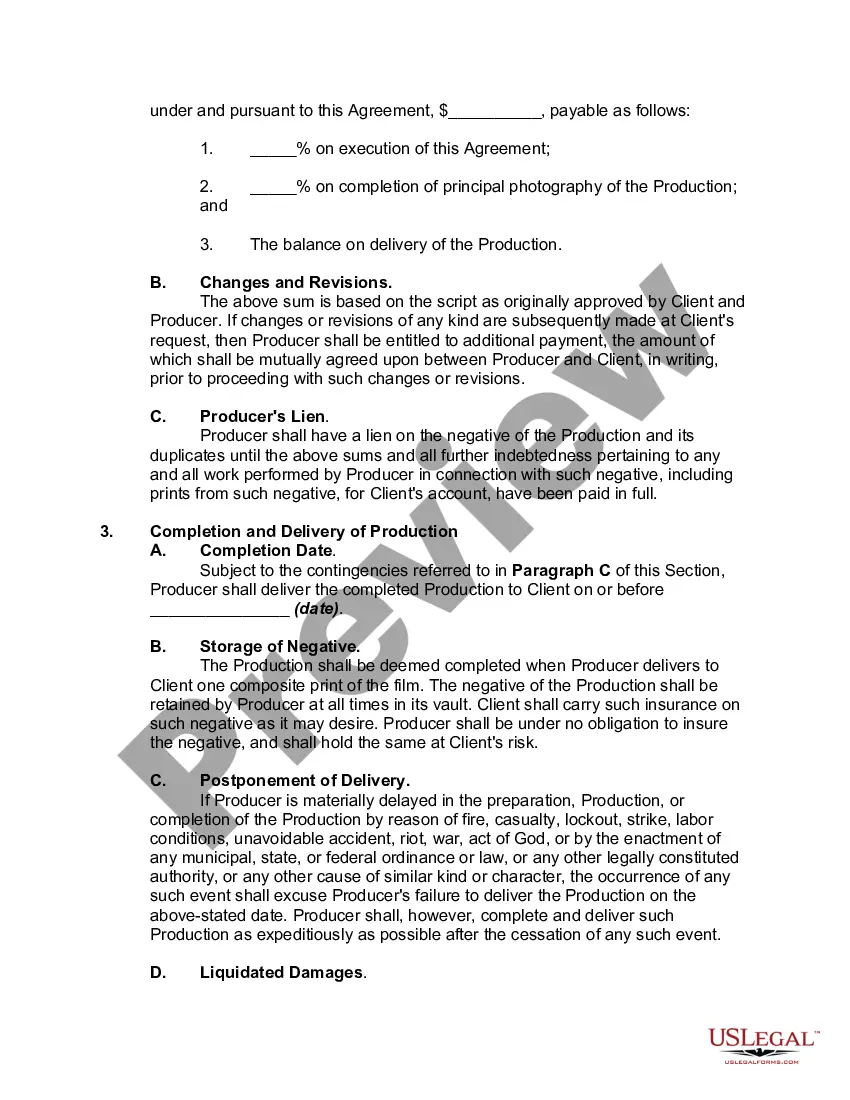
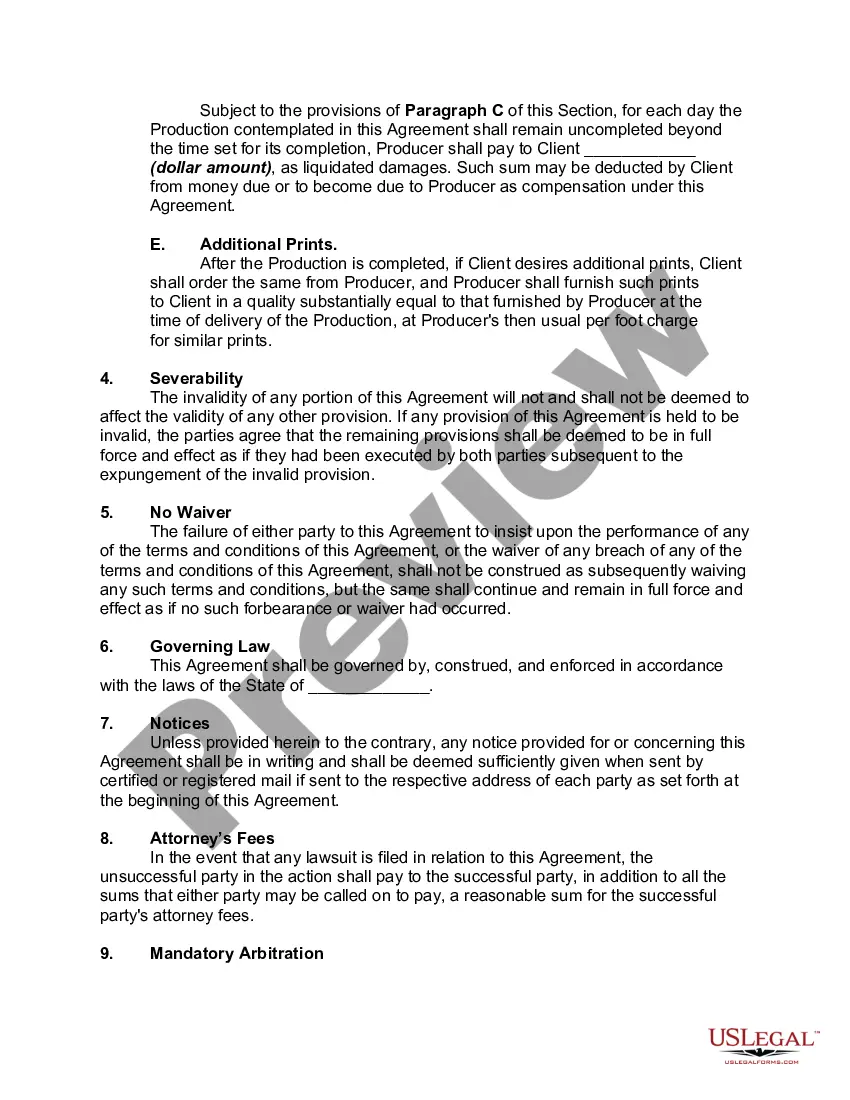
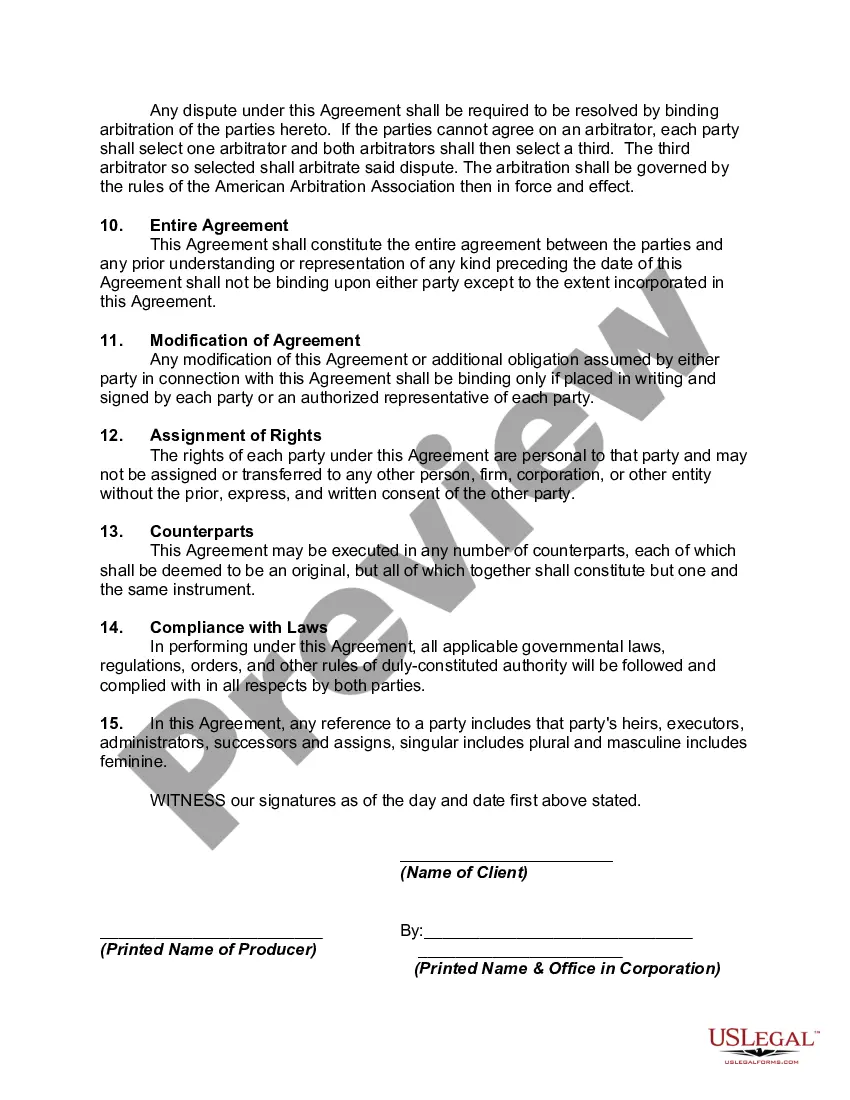
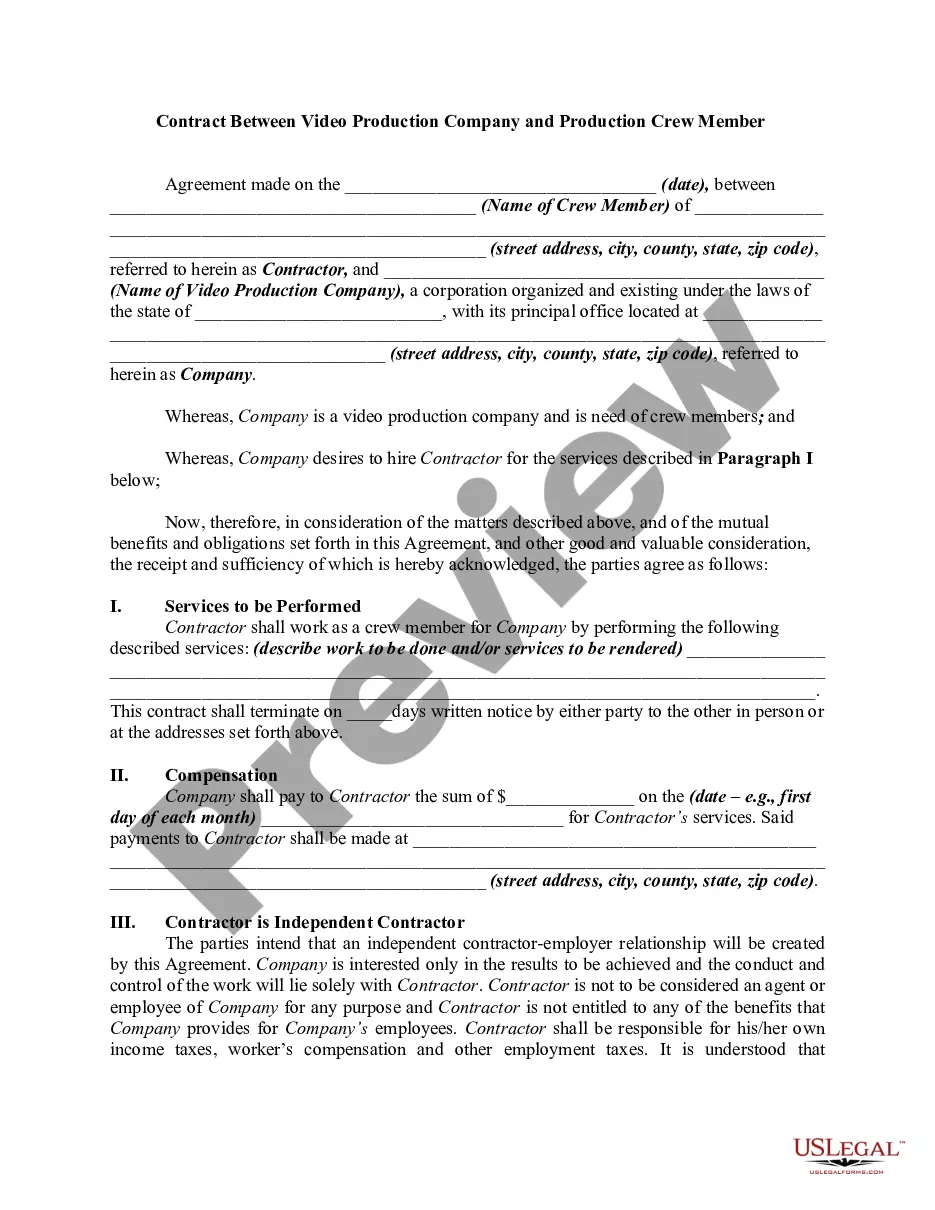
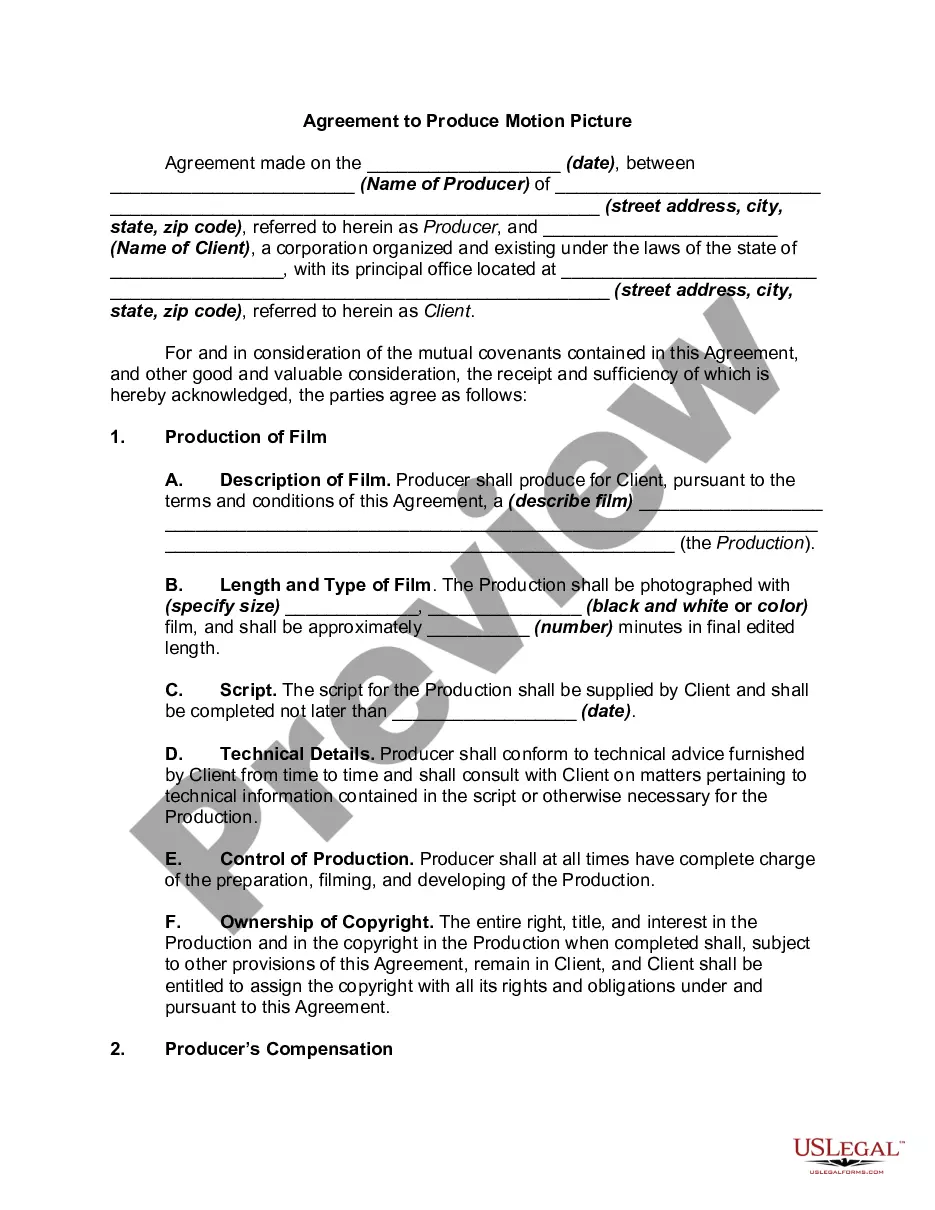
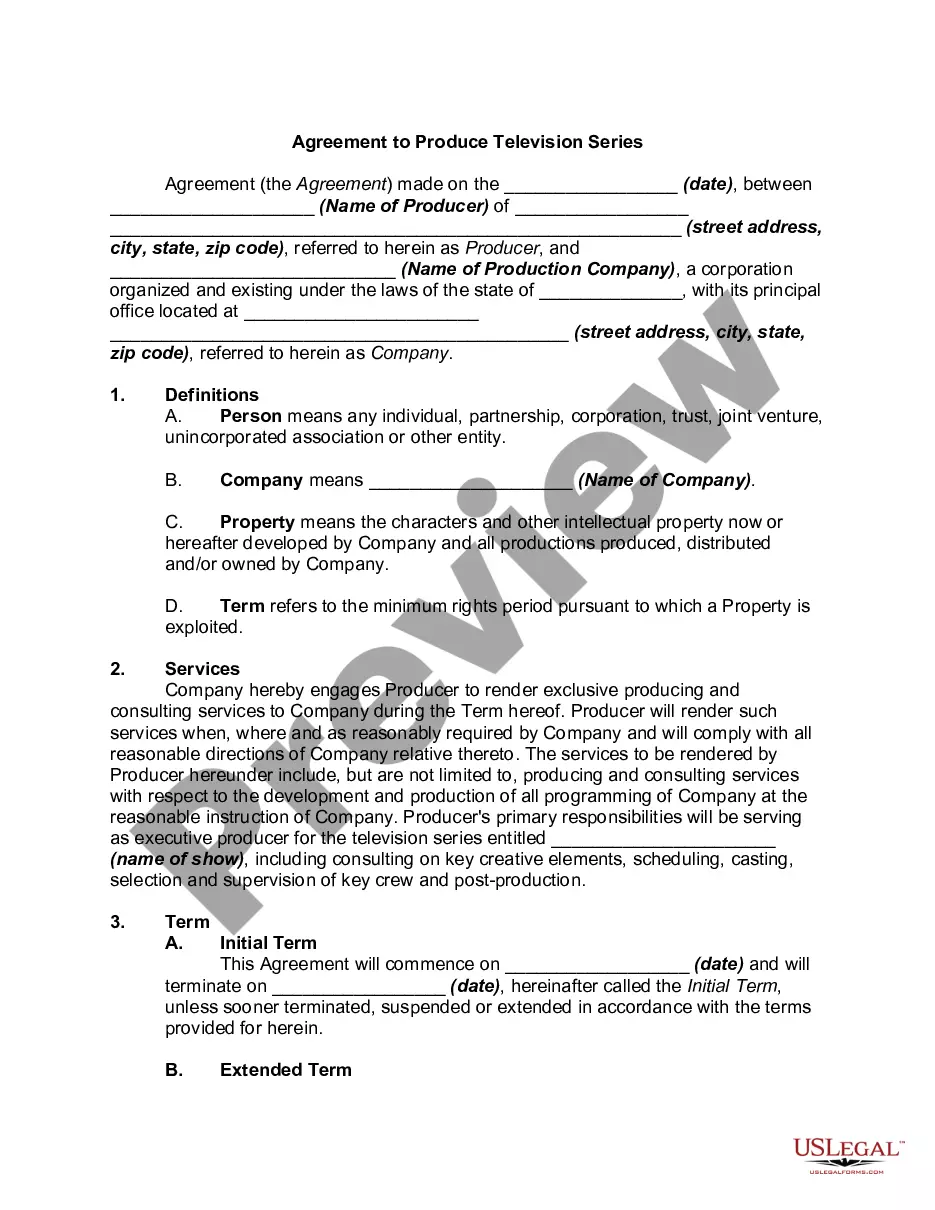
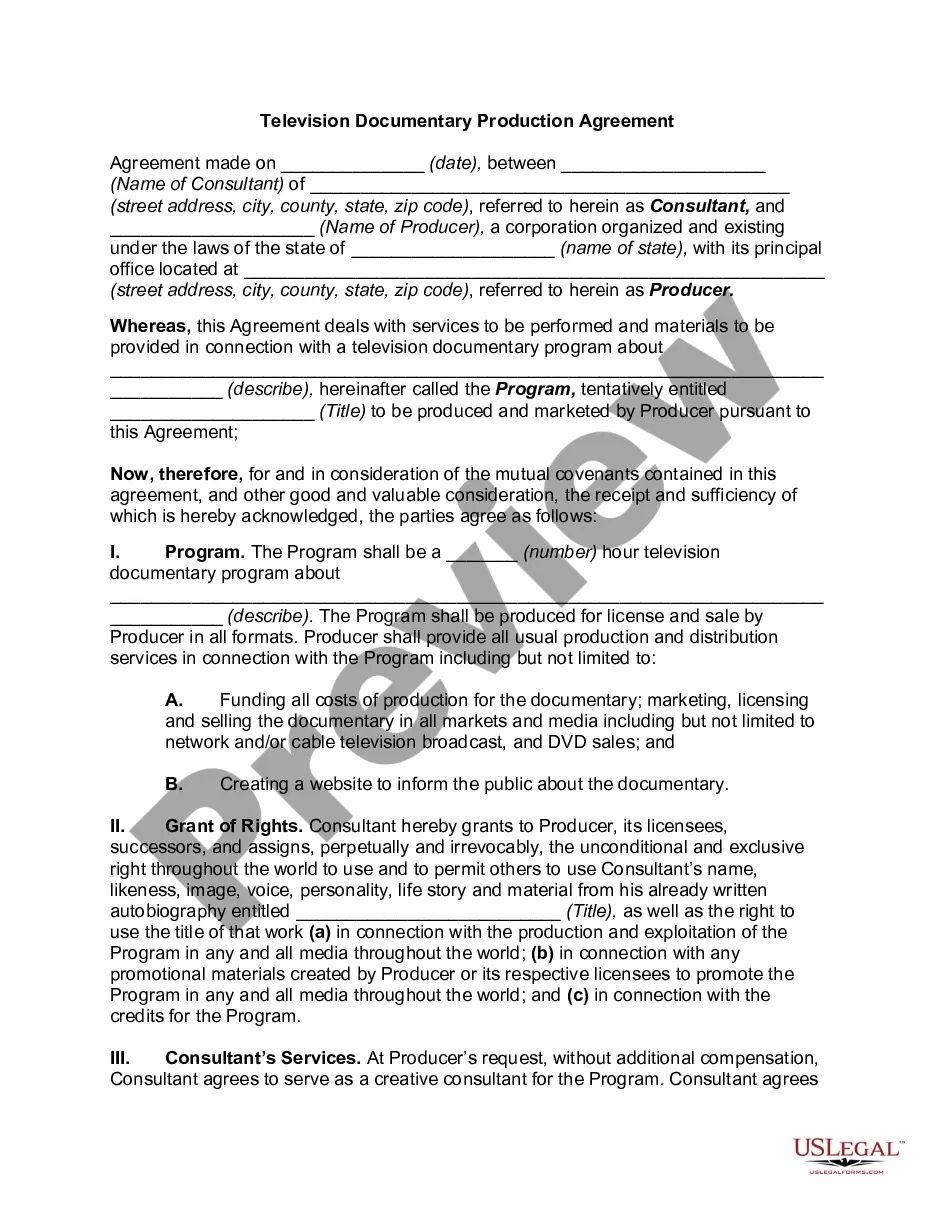
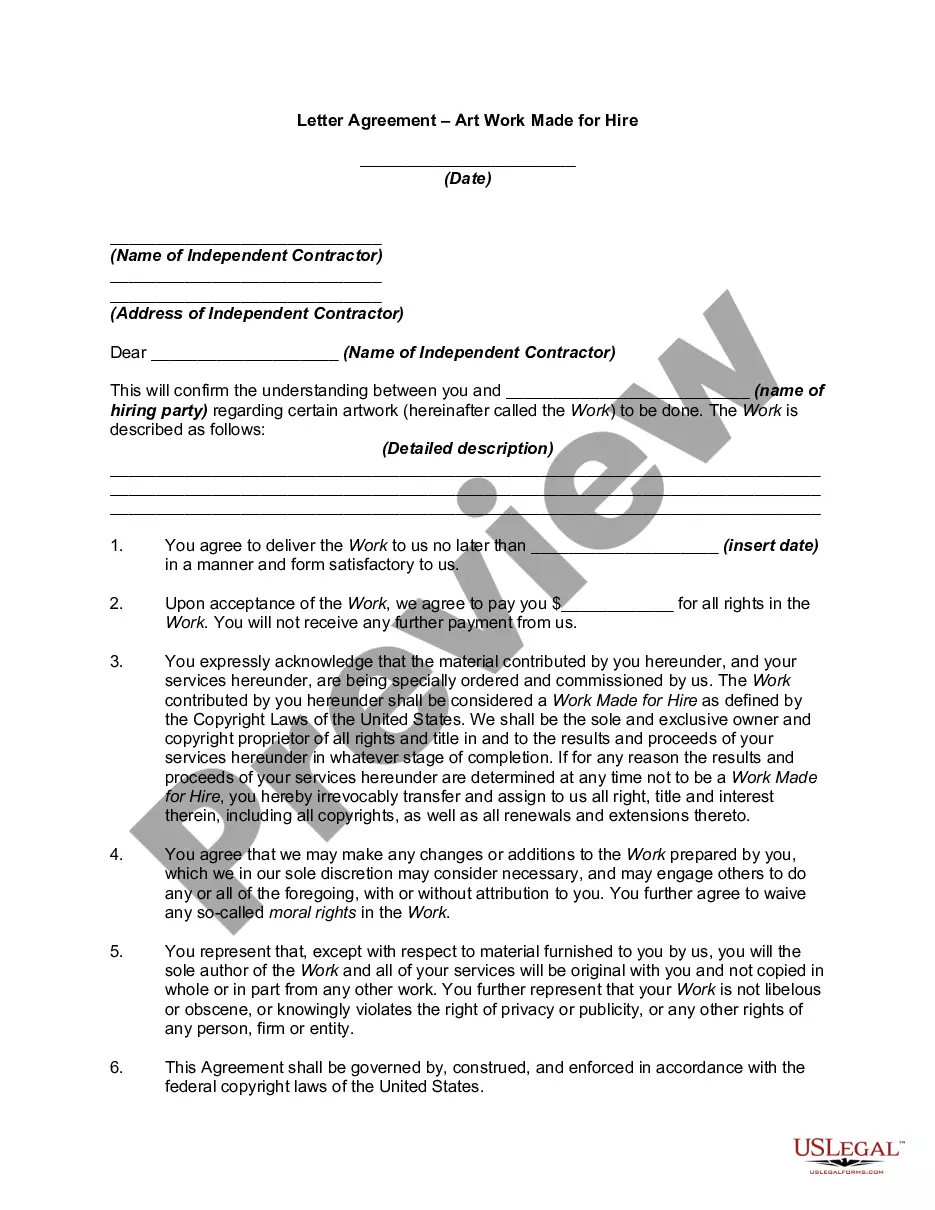
Get your form ready online
Our built-in tools help you complete, sign, share, and store your documents in one place.
Make edits, fill in missing information, and update formatting in US Legal Forms—just like you would in MS Word.
Download a copy, print it, send it by email, or mail it via USPS—whatever works best for your next step.
Sign and collect signatures with our SignNow integration. Send to multiple recipients, set reminders, and more. Go Premium to unlock E-Sign.
If this form requires notarization, complete it online through a secure video call—no need to meet a notary in person or wait for an appointment.
We protect your documents and personal data by following strict security and privacy standards.

Make edits, fill in missing information, and update formatting in US Legal Forms—just like you would in MS Word.

Download a copy, print it, send it by email, or mail it via USPS—whatever works best for your next step.

Sign and collect signatures with our SignNow integration. Send to multiple recipients, set reminders, and more. Go Premium to unlock E-Sign.

If this form requires notarization, complete it online through a secure video call—no need to meet a notary in person or wait for an appointment.

We protect your documents and personal data by following strict security and privacy standards.
Looking for another form?








Form popularity
FAQ
Yes, you can write your own contract. However, including all necessary elements is crucial to make it legally binding.
Contract manufacturing typically falls into three categories: component manufacturing, which involves producing individual parts; sub-assembly manufacturing, which focuses on creating semi-finished components; and complete product manufacturing, where the manufacturer produces a fully finished product ready for the ...
How to write a contract agreement in 7 steps. Determine the type of contract required. Confirm the necessary parties. Choose someone to draft the contract. Write the contract with the proper formatting. Review the written contract with a lawyer. Send the contract agreement for review or revisions.
Your manufacturing contract should include: intellectual property (since the contract manufacturer(s) will be producing your proprietary creation). an assessment of manufacturing costs. clearly-written obligations of both parties. liabilities. product quality standards (if a quality control clause is included).
Creating a Self-Contract Stick to just one goal. Write down the steps you need to take to achieve the goal. Set a deadline for the contract to one day, or a week at most. Keep it short and focused, but formal. Focus on the upsides of the contract. Change the contract if you feel that you've accomplished it already.
The law may state that these types of contracts need to be in writing, but it doesn't usually say anything about them having to be typed. This means that a handwritten contract is a valid contract in the eyes of the law, although you should always seek legal advice and check your state's laws.
Simple Contract Example The names and addresses of all the parties involved. A brief description and mission statement of each party. A statement that summarizes the contracted party's role. A description of the business relationship between the parties. A description of what each party promises to provide.
Choosing Between Contract Manufacturing and OEM The decision between CM and OEM depends on several factors, including: Product Complexity: CM is well-suited for complex products with unique designs and specifications, while OEM is more suitable for products with established designs and standardized components.
Contract manufacturing is a manufacturing-as-service approach: the customer provides all designs and specifications, and the supplier simply build to the drawing, while in OEM, the customer is providing a portion of the design (external, internal, some specs), and the supplier is incorporating their existing components ...
