Manufacturing Agreement Format India In San Diego
Description

Get your form ready online
Our built-in tools help you complete, sign, share, and store your documents in one place.
Make edits, fill in missing information, and update formatting in US Legal Forms—just like you would in MS Word.
Download a copy, print it, send it by email, or mail it via USPS—whatever works best for your next step.
Sign and collect signatures with our SignNow integration. Send to multiple recipients, set reminders, and more. Go Premium to unlock E-Sign.
If this form requires notarization, complete it online through a secure video call—no need to meet a notary in person or wait for an appointment.
We protect your documents and personal data by following strict security and privacy standards.

Make edits, fill in missing information, and update formatting in US Legal Forms—just like you would in MS Word.

Download a copy, print it, send it by email, or mail it via USPS—whatever works best for your next step.

Sign and collect signatures with our SignNow integration. Send to multiple recipients, set reminders, and more. Go Premium to unlock E-Sign.

If this form requires notarization, complete it online through a secure video call—no need to meet a notary in person or wait for an appointment.

We protect your documents and personal data by following strict security and privacy standards.
Looking for another form?








Form popularity
FAQ
Essentials of Forming an Agreement: Parties - There must be two or more parties to form an agreement. Offer or proposal - The proposal must be made by one party to the other. The person(s) to whom the proposal has been made must clearly understand all the aspects and terms of the proposal.
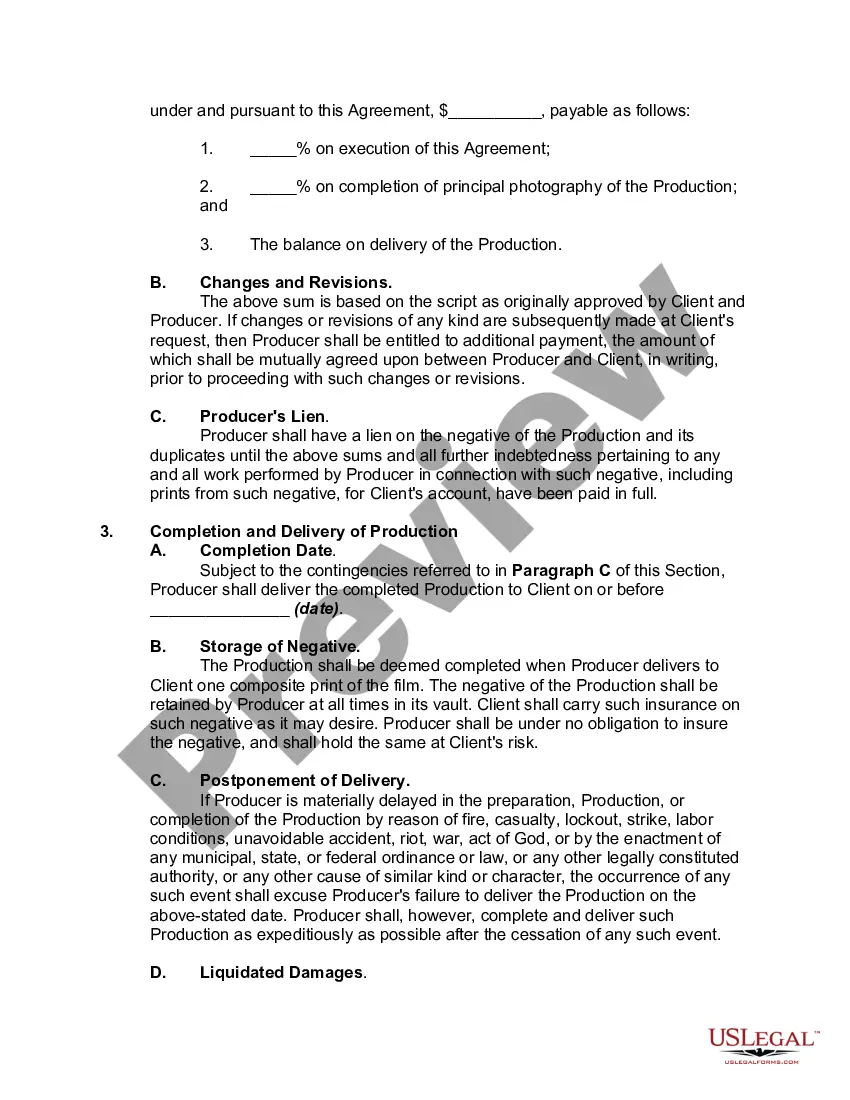
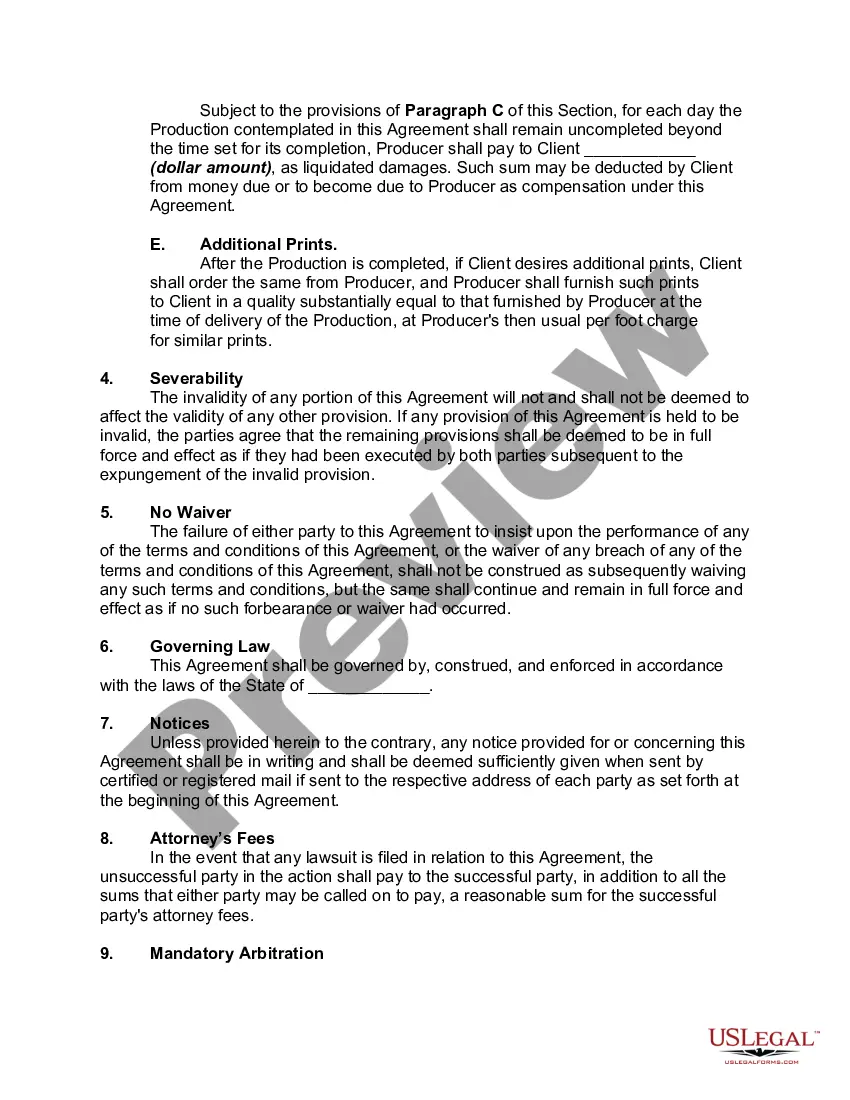
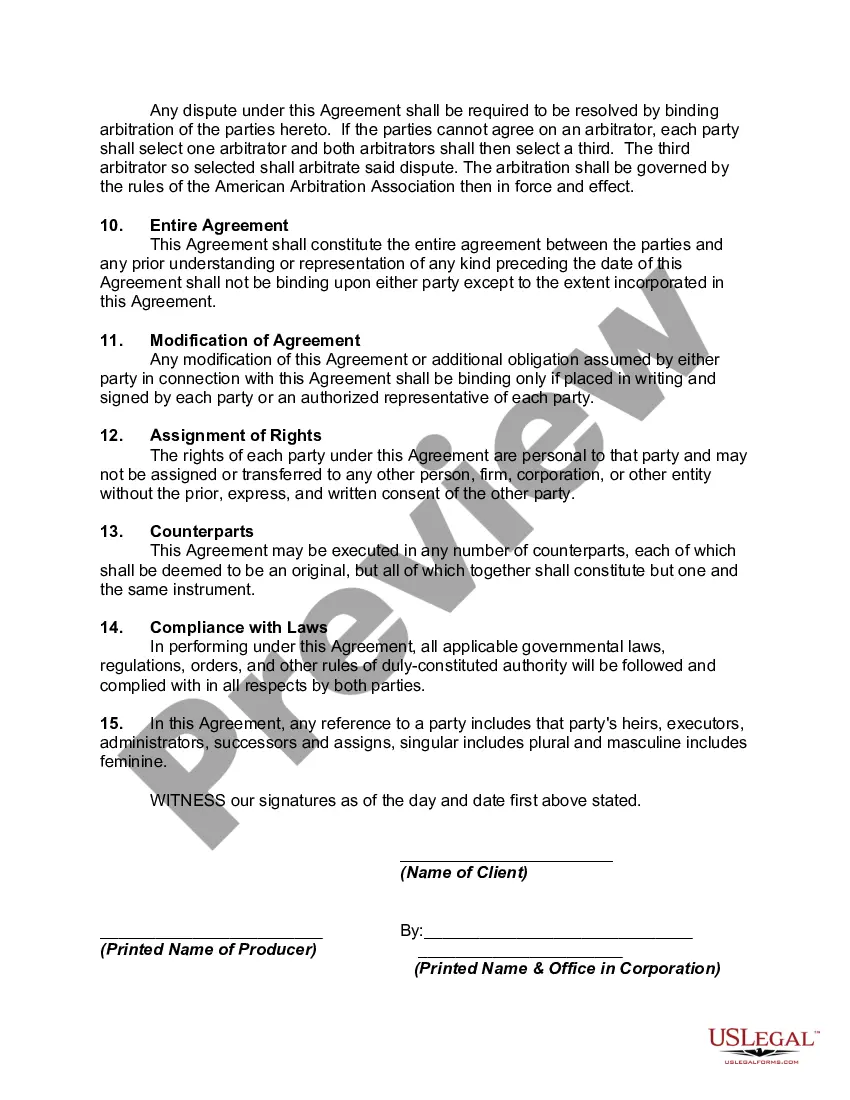
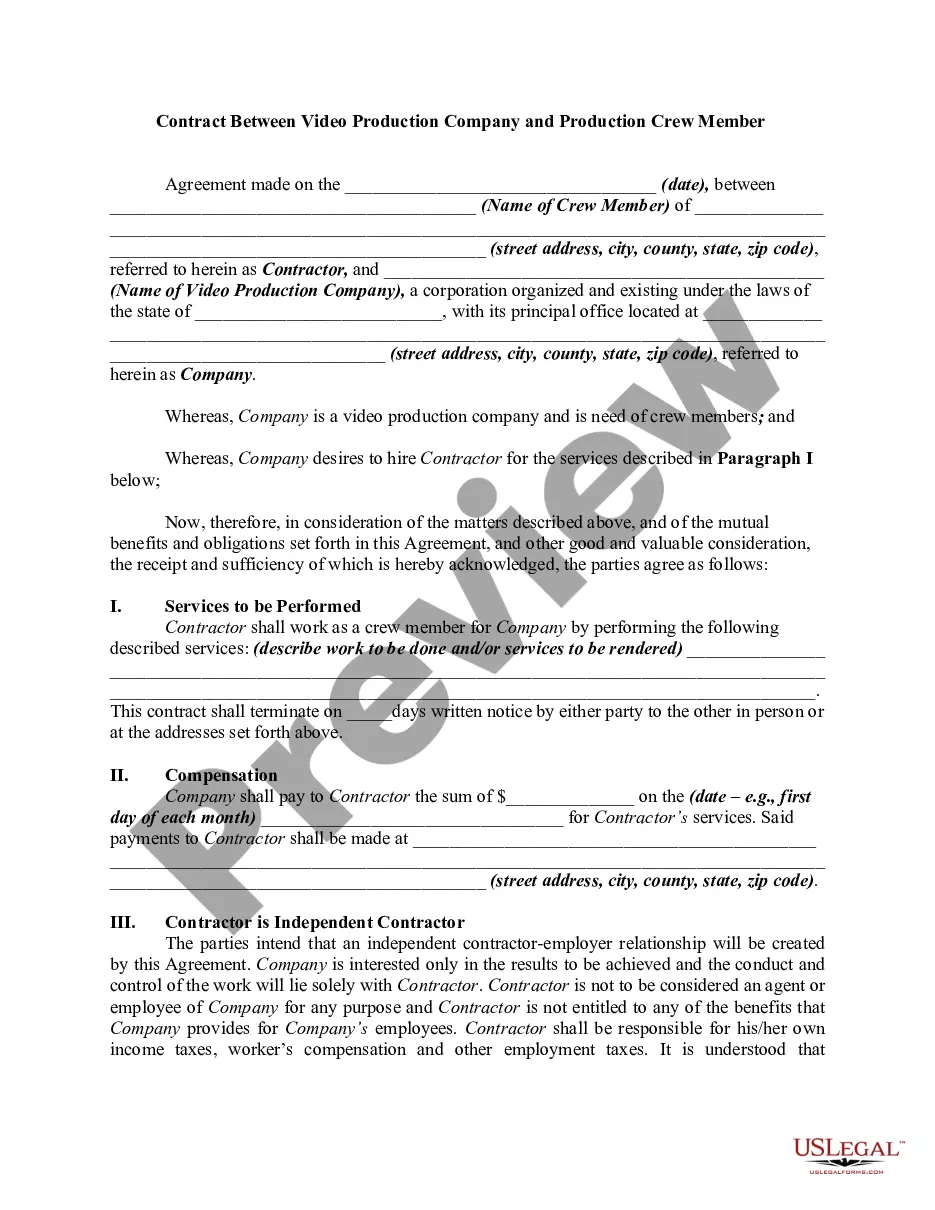
It is a clear and detailed description of the terms and conditions between the manufacturer and the customer, setting out expectations and outlining how those expectations will be met. Without this agreement in place, there is no legal framework protecting either party, making disputes more likely to occur.
To ensure that your business contract agreements consistently fulfill their objectives, ensure you put the following steps into consideration: #1 Incorporate details about relevant stakeholders. #2 Define the purpose of the contract. #3 Include key terms and conditions. #4 Outline the responsibilities of all parties.
The manufacturing agreement should clearly set out the obligations of each party from the beginning of the manufacturing process through to the end of the contract, to prevent misunderstanding and clarify where responsibilities lie.
Bilateral Contracts: Bilateral contracts are agreements in which both parties exchange mutual promises to perform certain obligations, making this type of contract the most common in business transactions.
Your manufacturing contract should include: intellectual property (since the contract manufacturer(s) will be producing your proprietary creation). an assessment of manufacturing costs. clearly-written obligations of both parties. liabilities. product quality standards (if a quality control clause is included).
How to write a contract agreement in 7 steps. Determine the type of contract required. Confirm the necessary parties. Choose someone to draft the contract. Write the contract with the proper formatting. Review the written contract with a lawyer. Send the contract agreement for review or revisions.
In its most basic form, contract manufacturing is when one business agrees to assist in the production of goods for another business. The arrangement could be limited to producing certain components, such as equipment faceplates or control panel overlays, or it could entail complete start-to-finish manufacturing.
