Contract For Film Music In San Bernardino
Description
Get your form ready online
Our built-in tools help you complete, sign, share, and store your documents in one place.
Make edits, fill in missing information, and update formatting in US Legal Forms—just like you would in MS Word.
Download a copy, print it, send it by email, or mail it via USPS—whatever works best for your next step.
Sign and collect signatures with our SignNow integration. Send to multiple recipients, set reminders, and more. Go Premium to unlock E-Sign.
If this form requires notarization, complete it online through a secure video call—no need to meet a notary in person or wait for an appointment.
We protect your documents and personal data by following strict security and privacy standards.
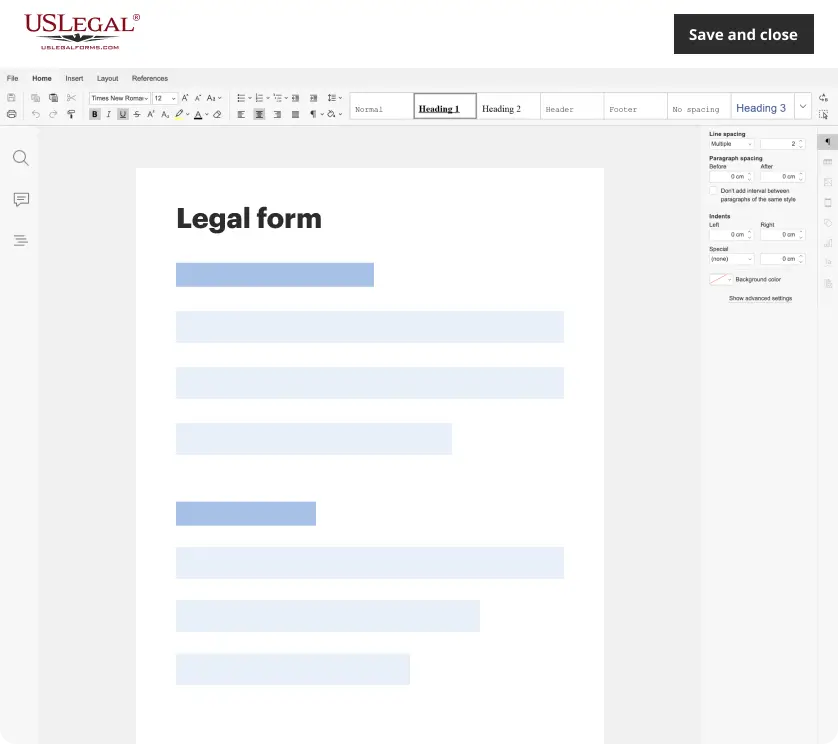
Make edits, fill in missing information, and update formatting in US Legal Forms—just like you would in MS Word.
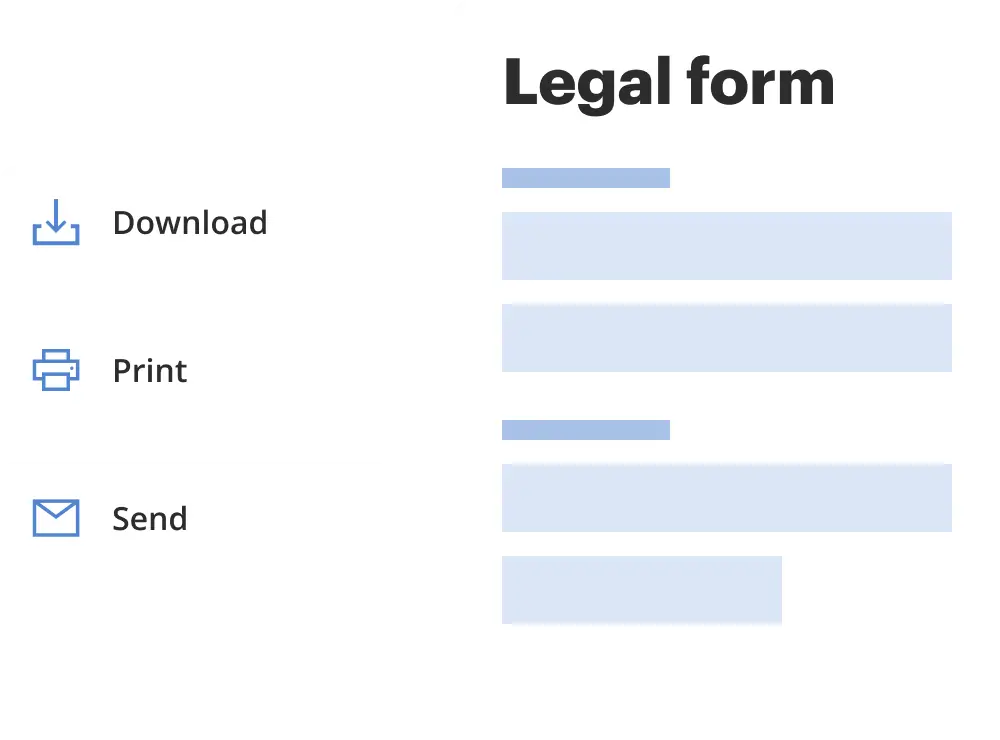
Download a copy, print it, send it by email, or mail it via USPS—whatever works best for your next step.
Sign and collect signatures with our SignNow integration. Send to multiple recipients, set reminders, and more. Go Premium to unlock E-Sign.
If this form requires notarization, complete it online through a secure video call—no need to meet a notary in person or wait for an appointment.
We protect your documents and personal data by following strict security and privacy standards.
Looking for another form?
Form popularity
FAQ
The methods of writing the score vary from composer to composer; some composers prefer to work with a traditional pencil and paper, writing notes by hand on a staff and performing works-in-progress for the director on a piano, while other composers write on computers using sophisticated music composition software such ...
The composer, Producer, and Engineer have to mix it down. For movies, they mix into STEMS or banks of instruments (strings, horns, reeds, percussion, guitar, piano) so the final mix engineers for the movie can adjust sounds that hide dialog or clash with sound effects.
Unlike many composers, who write their music on paper, Zimmer prefers to work with technology. He often starts by creating a “sonic palette” of sounds, which he then uses to build the foundation of his music.
The composer gets the script. Gets the edited product and usually works at home and comes up with themes on the piano or sythizer and auditions them for the Producer/Director with the various scenes from the movie. The Producer or Director states their likes. dislikes and objections. The composer makes corrections.
Formal education in music or film scoring can be beneficial. Gain experience by scoring student films, indie projects, or creating music for commercials. Building a strong portfolio and networking with filmmakers, directors, and other composers is crucial. Moving to industry hubs like Los Angeles can also help.
Composers typically write the score for a movie after it has been filmed, although there are some exceptions. In most cases, the score is created during the post-production phase, allowing the composer to tailor the music to the specific scenes, emotions, and pacing of the film.