Contract For Film Music In Riverside
Description

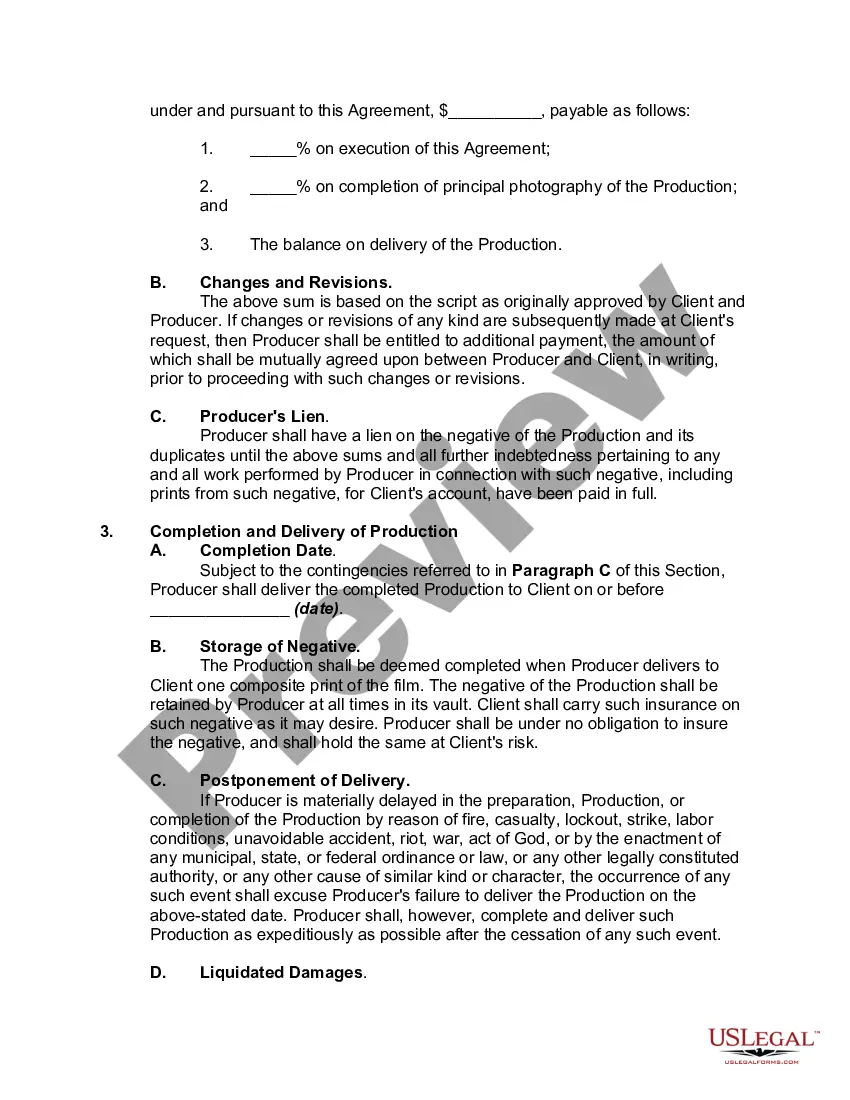
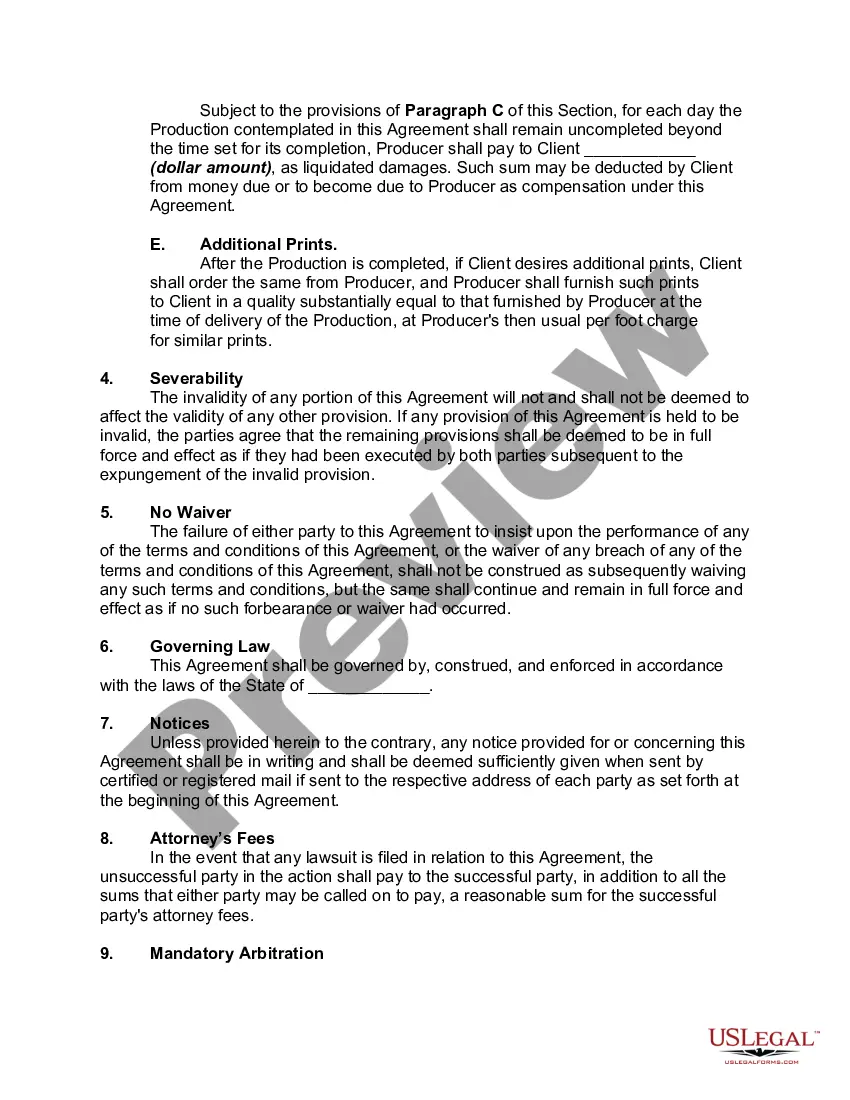
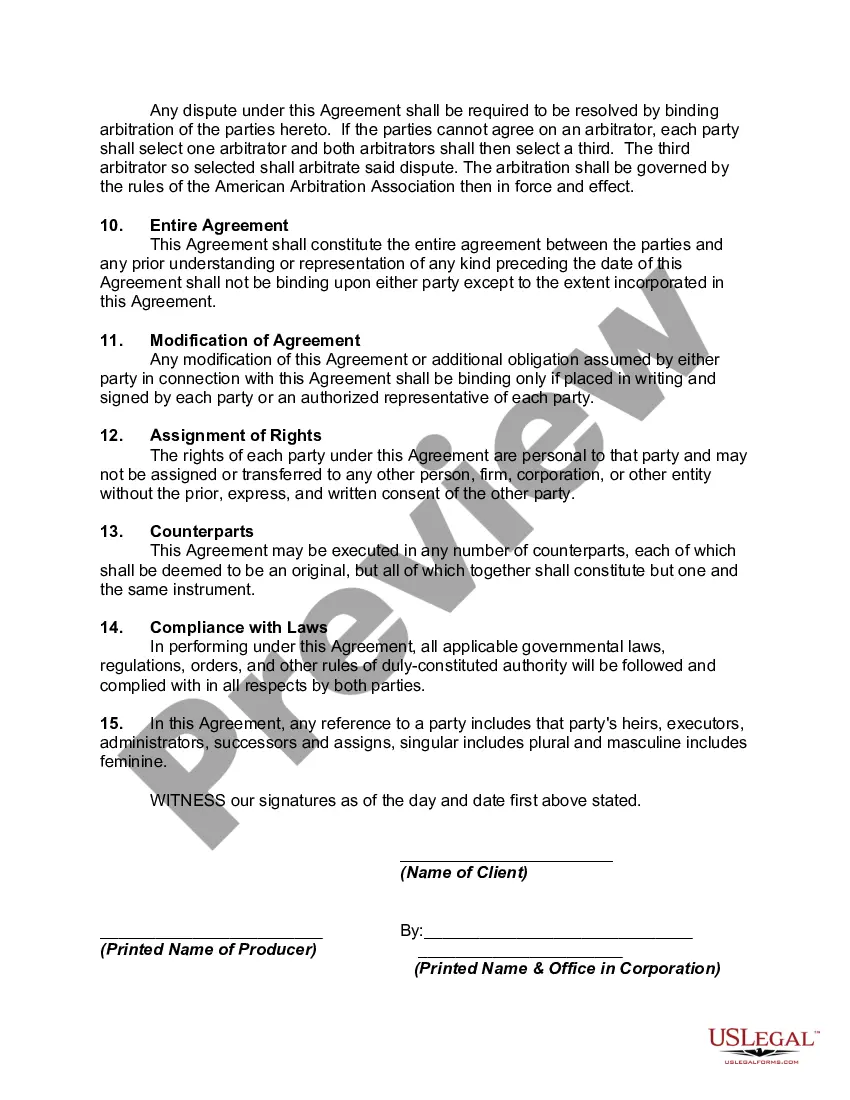
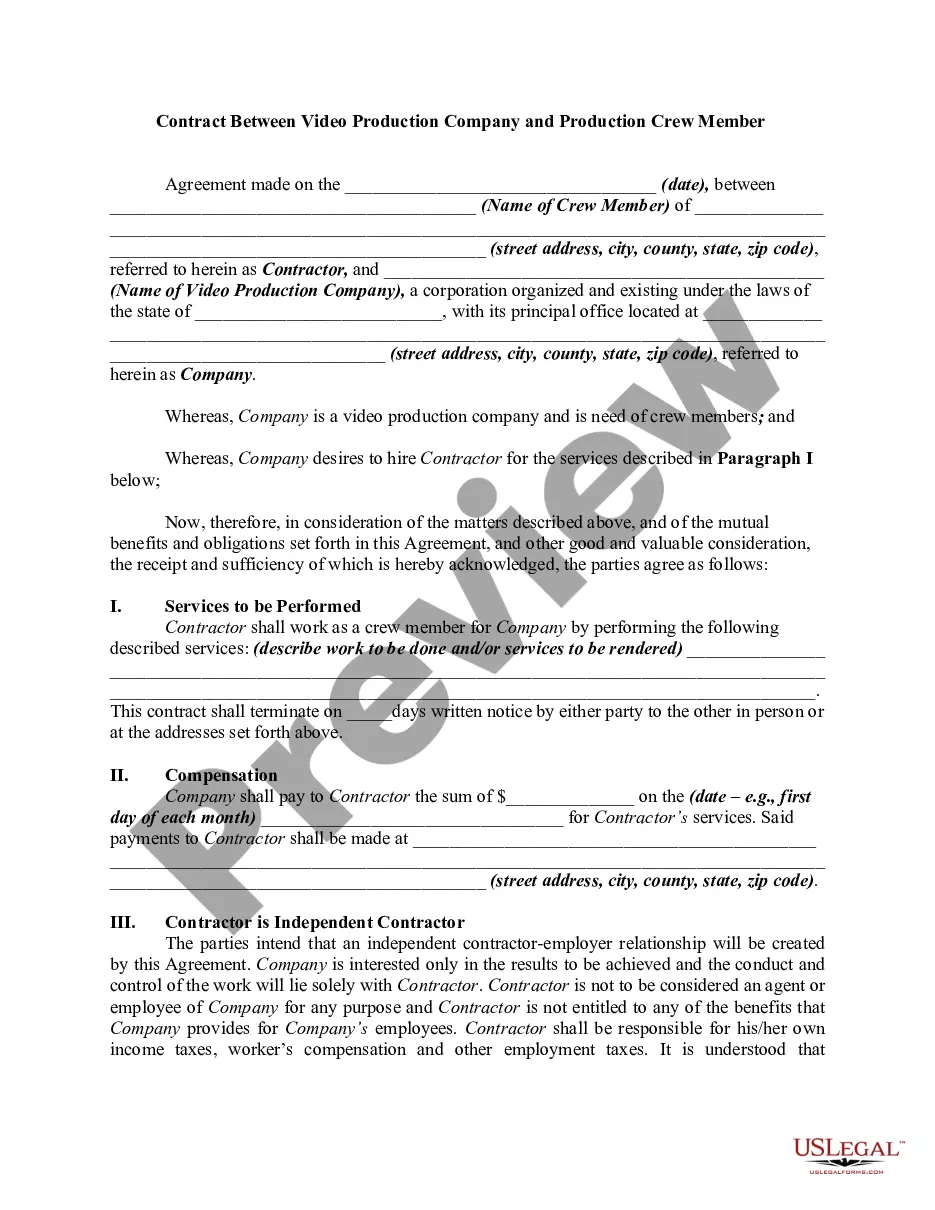
Get your form ready online
Our built-in tools help you complete, sign, share, and store your documents in one place.
Make edits, fill in missing information, and update formatting in US Legal Forms—just like you would in MS Word.
Download a copy, print it, send it by email, or mail it via USPS—whatever works best for your next step.
Sign and collect signatures with our SignNow integration. Send to multiple recipients, set reminders, and more. Go Premium to unlock E-Sign.
If this form requires notarization, complete it online through a secure video call—no need to meet a notary in person or wait for an appointment.
We protect your documents and personal data by following strict security and privacy standards.

Make edits, fill in missing information, and update formatting in US Legal Forms—just like you would in MS Word.

Download a copy, print it, send it by email, or mail it via USPS—whatever works best for your next step.

Sign and collect signatures with our SignNow integration. Send to multiple recipients, set reminders, and more. Go Premium to unlock E-Sign.

If this form requires notarization, complete it online through a secure video call—no need to meet a notary in person or wait for an appointment.

We protect your documents and personal data by following strict security and privacy standards.
Looking for another form?







Form popularity
FAQ
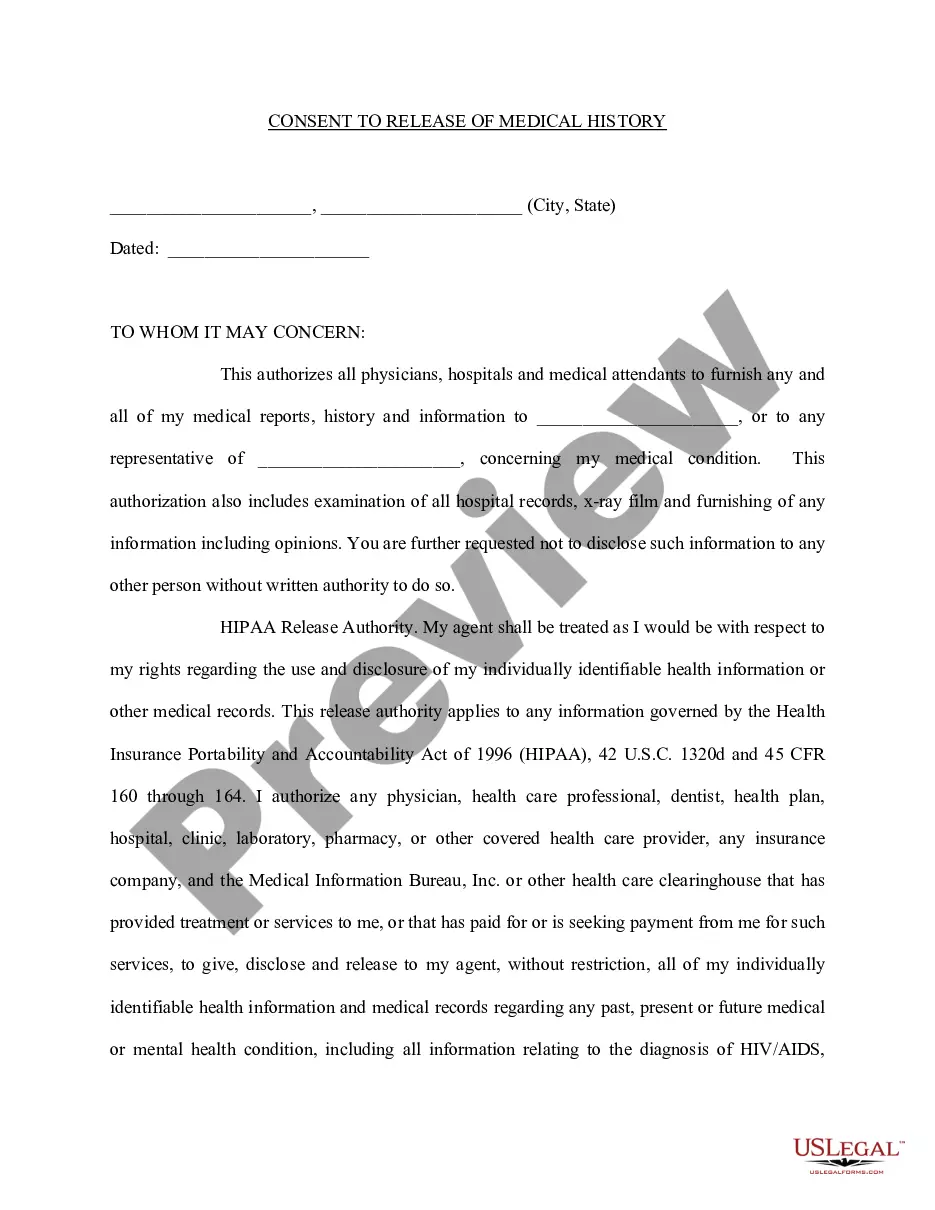
A music release form is an agreement that permits a filmmaker or a media house to use an artist's music for a film or other production. This online form can serve as a legal basis for both parties, underlining their rights and obligations.
Your Music Recording Contract should cover details like: Compensation and royalties. Where and when the album will be recorded. The album's release date. Who has creative control over specific elements of the album. The termination clause. The exclusive agreement clause. Dispute resolution. Promotional appearances.
A production contract signals a collaboration between an artist and an independent music producer. It determines the producer's level of involvement in projects and the amount and type of compensation. Occasionally, producers can also be investors, bringing in their own funds to support the music creation process.
The contract term period typically ranges from 1-3 years for young artists or those just starting out. Long-term agreements, which can be 5-10 years long or longer, are usually offered to more established and accomplished musicians or those with a successful track record.
When drafting a music agreement, it is essential to cover key elements such as: Remuneration. Royalties. Dates for recording and releasing the album. The extent of creative control granted to artists and record companies. Terms for terminating the contract. Clauses regarding exclusive rights.
How to create a Music Recording Contract Step 1: Specify where you're creating the Music Recording Contract. Step 2: Provide the recording company's and artist's details. Step 3: Outline the production details. Step 4: Outline the recording details. Step 5: Decide if the contract will include an exclusive agreement clause.
Performance agreements define executive accountability for specific organizational goals, help executives align daily operations, and clarify how work unit activities contribute to the agency's goals and objectives.
Most musicians do not get a record deal for several reasons: High Competition: The music industry is highly competitive, with countless artists vying for attention. Labels receive thousands of demos and submissions, making it difficult for any single artist to stand out.
GETTING SIGNED TO A MAJOR LABEL We're talking between 20-100k followers. Many artists end up hiring social media management to get this done so they can stay focused on the music.
