Form In Film Examples In Pima
Description

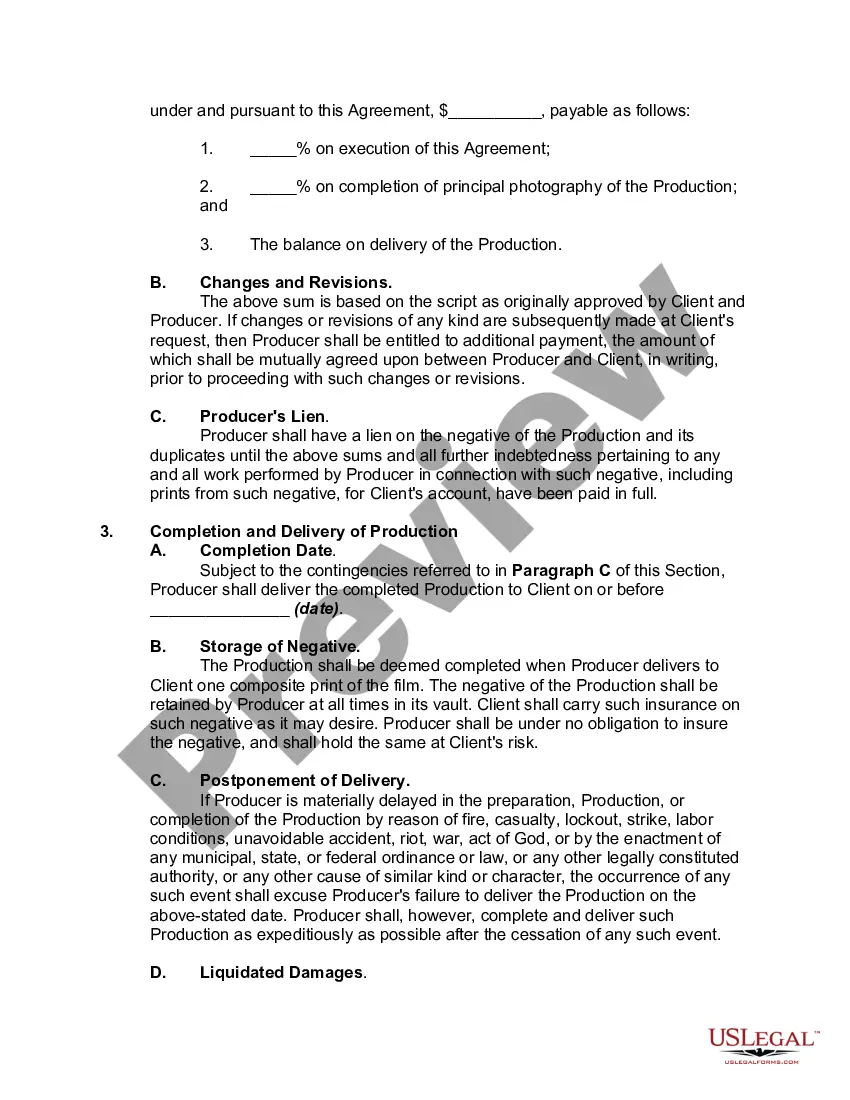
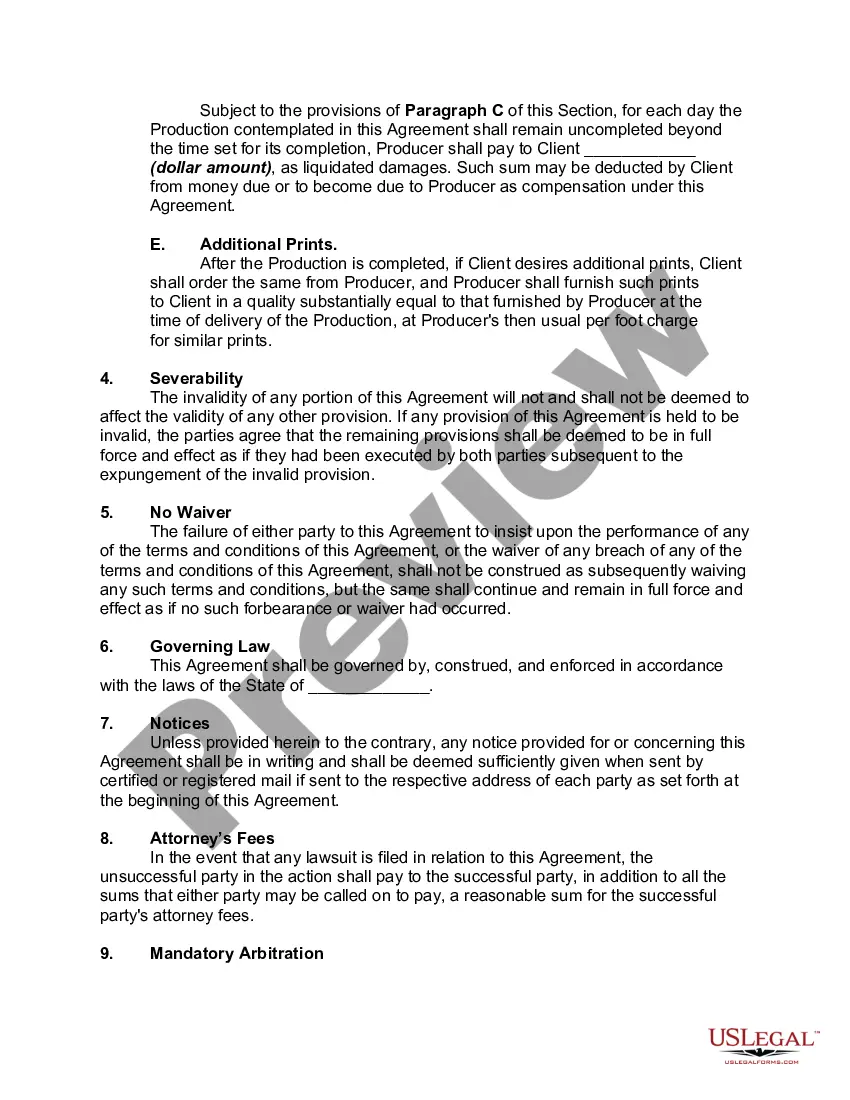
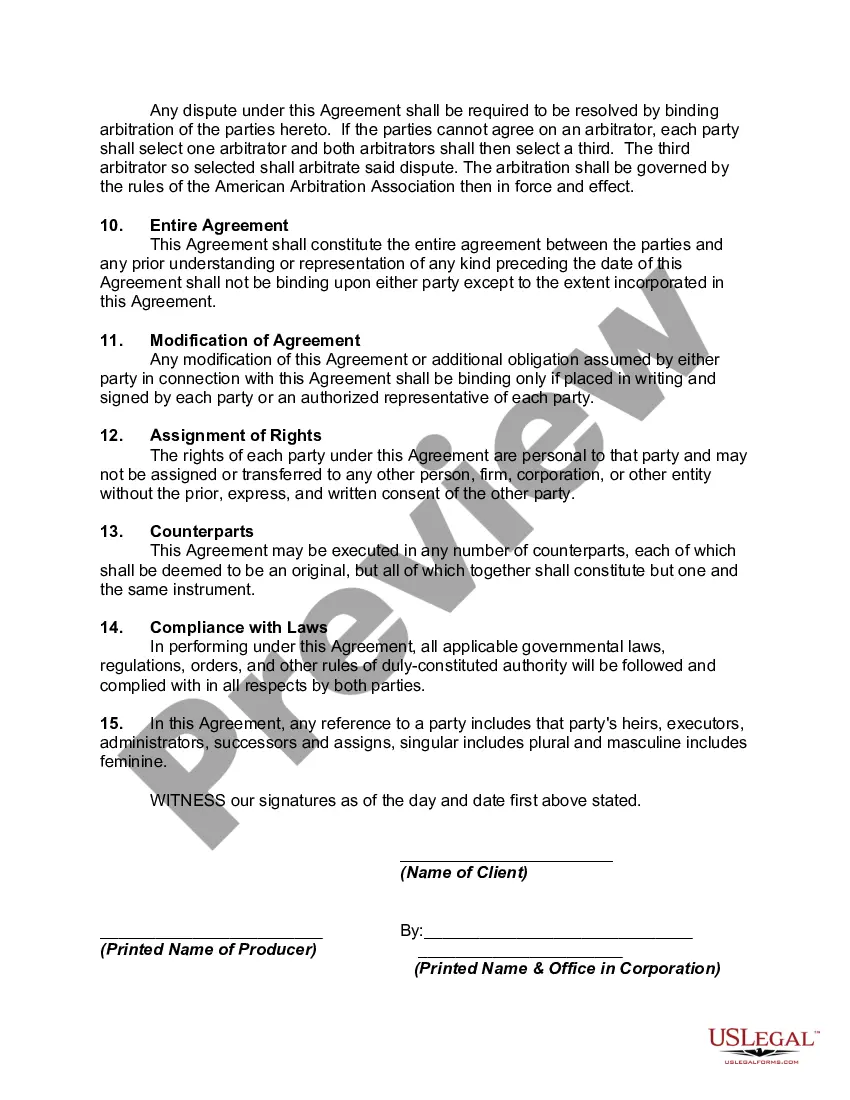
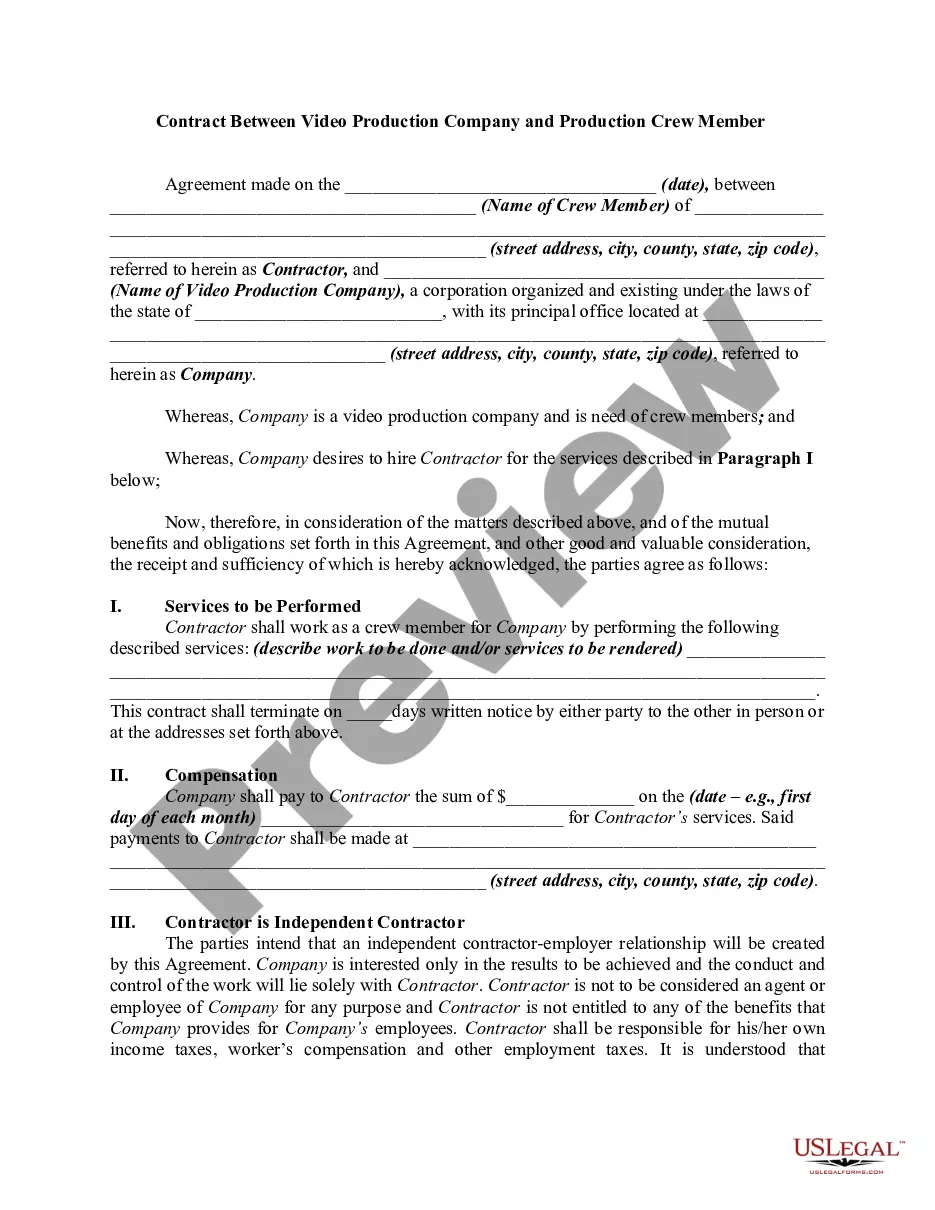
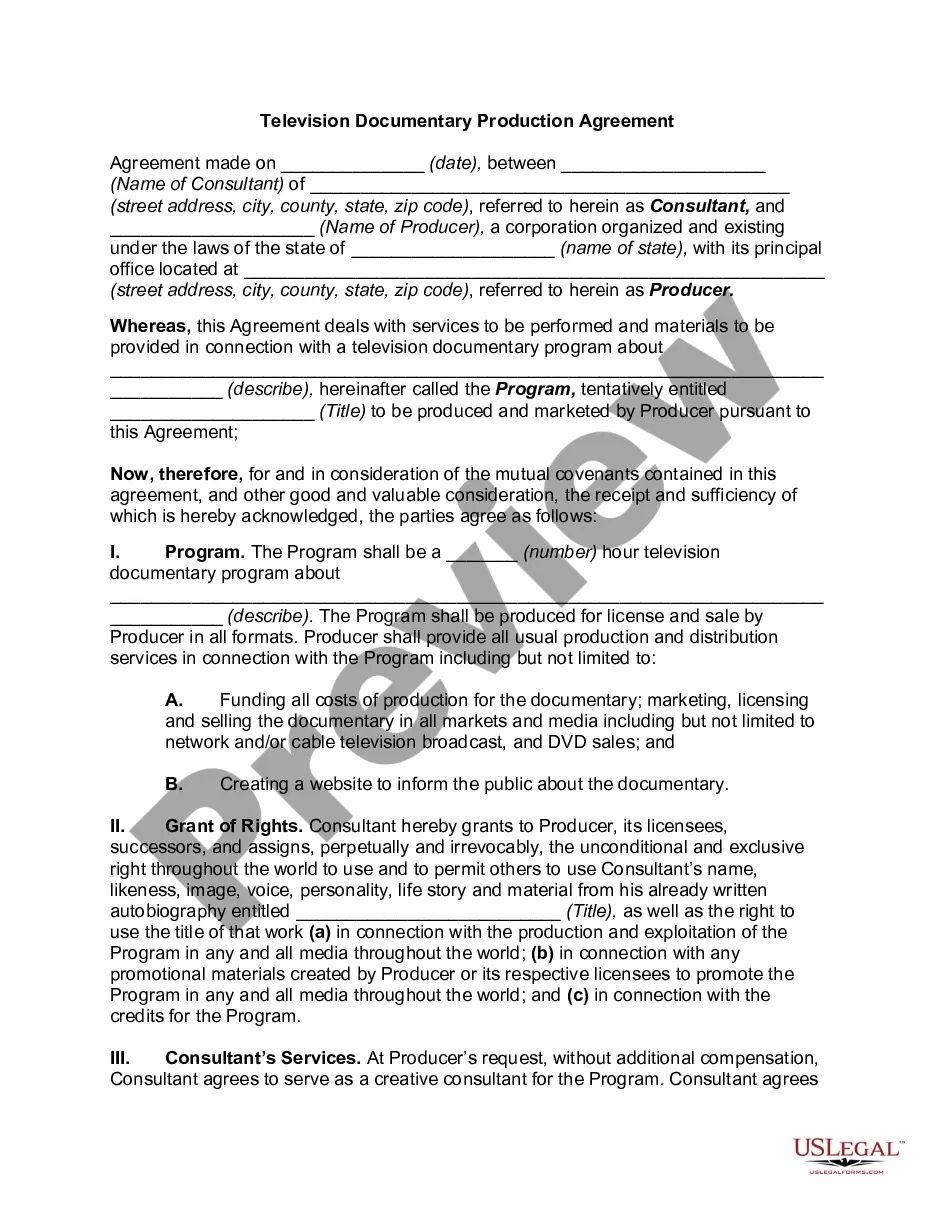
Get your form ready online
Our built-in tools help you complete, sign, share, and store your documents in one place.
Make edits, fill in missing information, and update formatting in US Legal Forms—just like you would in MS Word.
Download a copy, print it, send it by email, or mail it via USPS—whatever works best for your next step.
Sign and collect signatures with our SignNow integration. Send to multiple recipients, set reminders, and more. Go Premium to unlock E-Sign.
If this form requires notarization, complete it online through a secure video call—no need to meet a notary in person or wait for an appointment.
We protect your documents and personal data by following strict security and privacy standards.

Make edits, fill in missing information, and update formatting in US Legal Forms—just like you would in MS Word.

Download a copy, print it, send it by email, or mail it via USPS—whatever works best for your next step.

Sign and collect signatures with our SignNow integration. Send to multiple recipients, set reminders, and more. Go Premium to unlock E-Sign.

If this form requires notarization, complete it online through a secure video call—no need to meet a notary in person or wait for an appointment.

We protect your documents and personal data by following strict security and privacy standards.
Looking for another form?
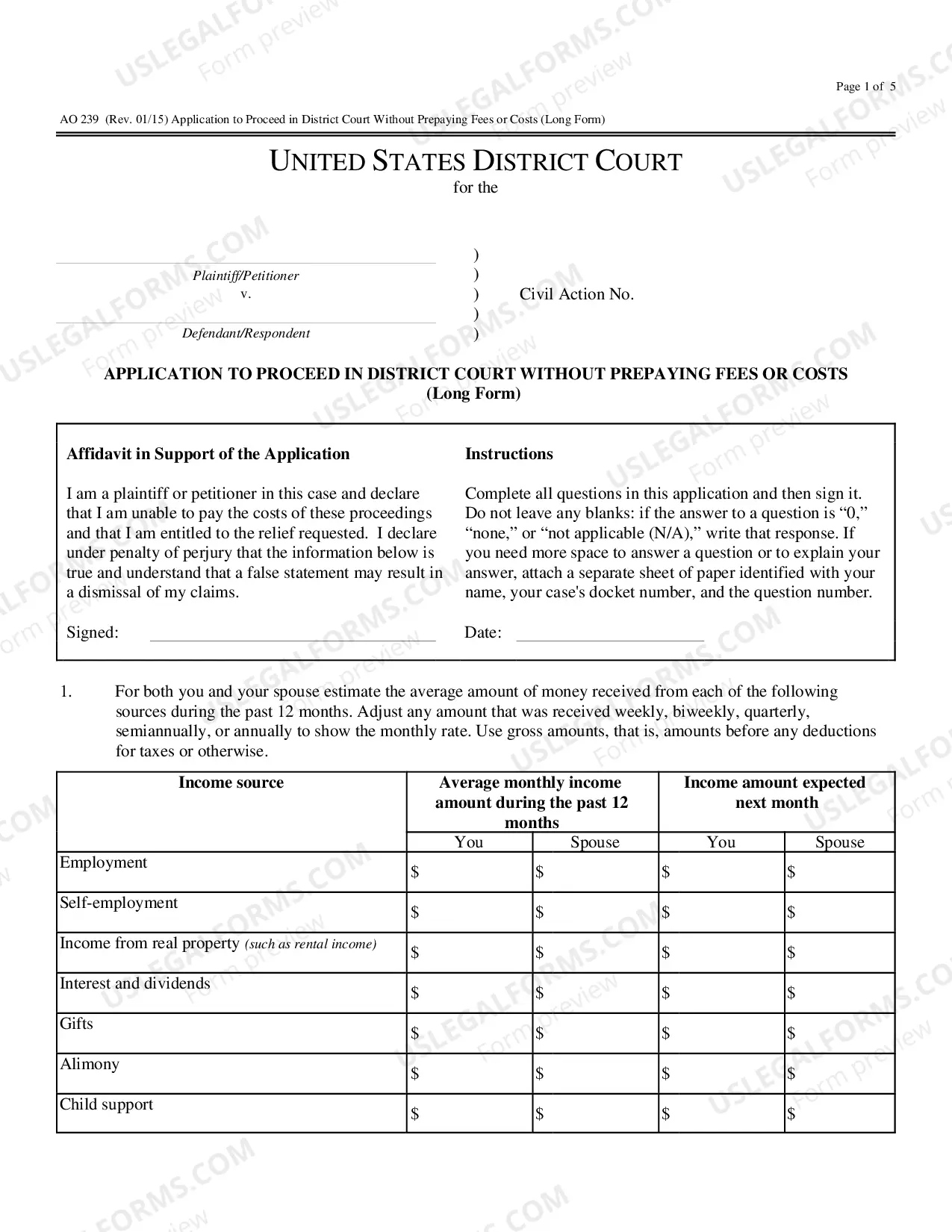
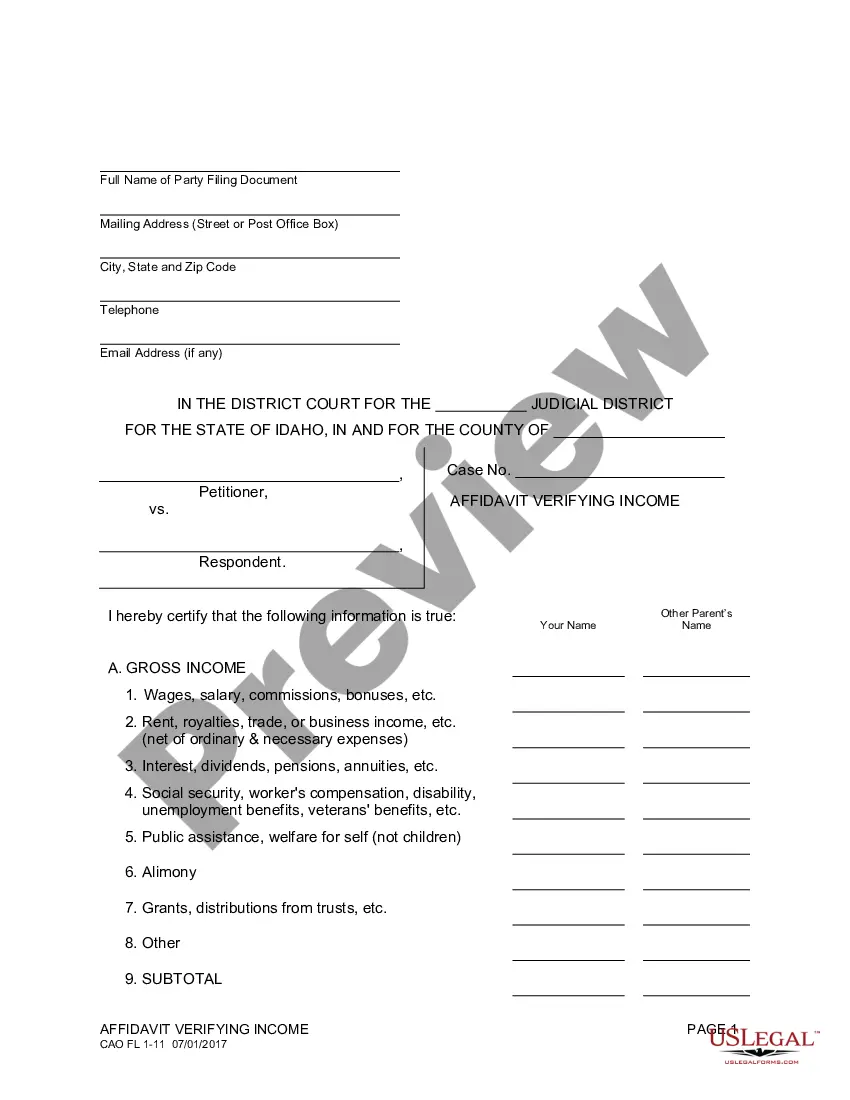
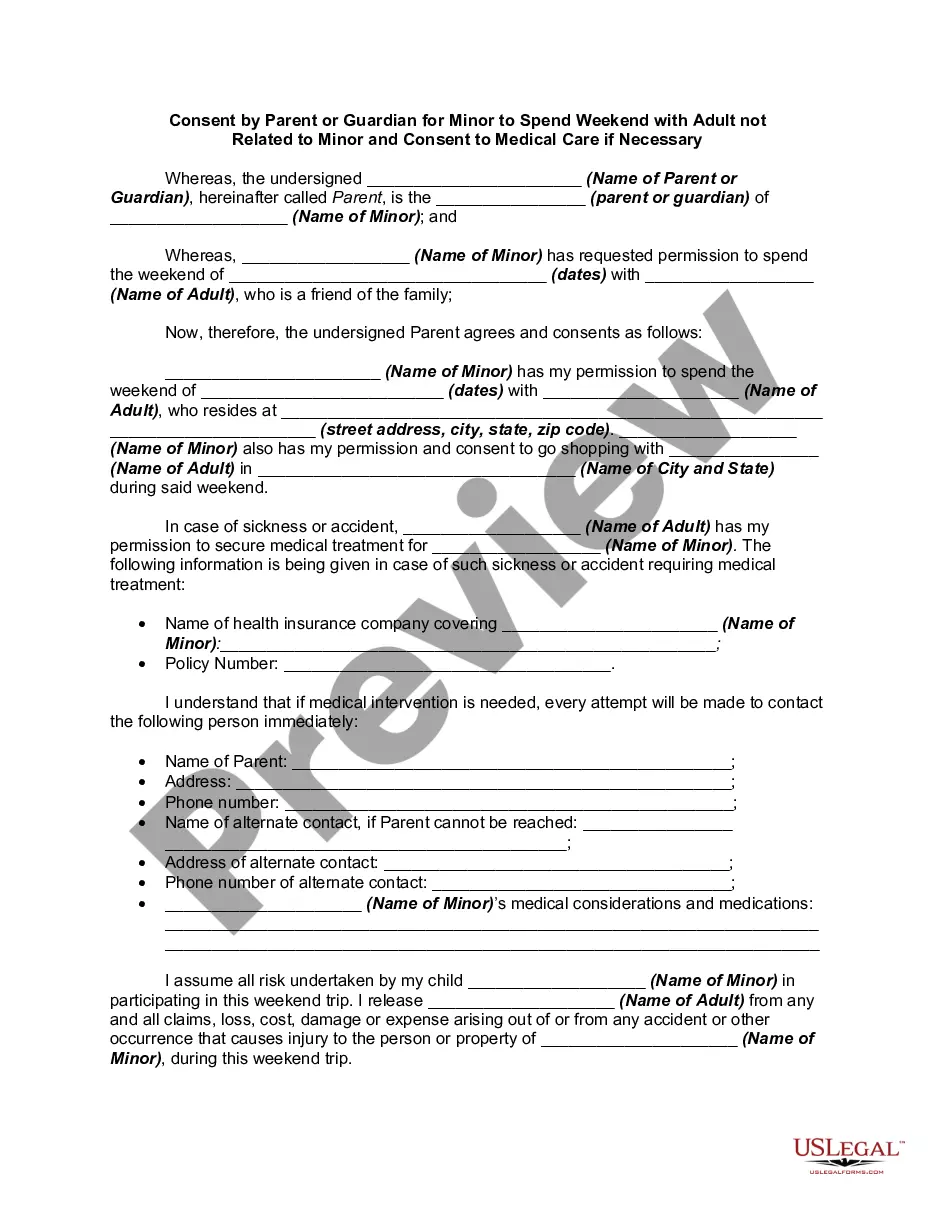



Form popularity
FAQ
Film Form can be described as the elements within a film and their relationship with one another. This includes the production and story elements such as camera, characters, and mies-en-scene, and the way these elements are used to create meaning.
FILM FORM = the total system a viewer perceives in a film. Narrative subsystem (plot) + Stylistic subsystem (camera, color, music etc.) = total system. We actively relate these elements. Form creates EXPECTATIONS.
What is the difference between form and content and how do they relate to one another? Content is what a text says. Form is the way in which what it says is arranged. Everything from a chapter to a paragraph to a punctuation mark is a way of arranging the content of a text, and thus a formal quality.
Examples of genres and subgenres GenreSubgenre(s) Musical film Jukebox musical Noir film Neo-noir Horror-noir Tech-noir ographic film horror Romance film Historical romance Paranormal romance Romantic comedy Romantic drama Romantic fantasy Romantic thriller12 more rows
Film form refers to the overall system of elements that make up a film, including aspects such as editing, cinematography, sound, and narrative structure. Among the given options, the answer that represents an example of film form is b. A camera angle.
What are Examples of Forms? Forms are documents that collect information from one's clients, customers, and respondents. Some common examples of forms include forms for purchases, incident reports, hazards, quality control, contact tracing, and feedback gathering.
Film form refers to the technical elements that make up a film, including lighting, sound, mise-en-scene, editing, and cinematography. Mise-en-scene comprises everything that appears in the frame and how those elements are arranged.
The constituent elements of a film or films, fictional and non‐fictional, and the perceivable relationship between them. Form is a critical term referencing an established pattern of literary devices or, more broadly, signals the structure of design in a particular work.
FILM FORM = the total system a viewer perceives in a film. Narrative subsystem (plot) + Stylistic subsystem (camera, color, music etc.)